The best cycling routes around Mire De Tibães
4.5
(86)
1,265
riders
92
rides
Touring cycling routes around Mire De Tibães traverse a landscape characterized by lush greenery, picturesque hills, and river valleys. The region is shaped by the Cávado River, offering scenic fluvial routes, and features elevated points like Monte de São Filipe, providing panoramic views. The area's terrain includes both flatter sections along waterways and more challenging climbs through its varied topography.
Best touring cycling routes around Mire De Tibães
- The most popular touring cycling route is Parque Perez – Igreja dos…
Last updated: July 4, 2026
4.6
(13)
195
riders
27.4km
02:01
480m
480m
Hard bike ride. Very good fitness required. Mostly paved surfaces. Suitable for all skill levels.
4.0
(2)
42
riders
81.3km
05:27
1,210m
1,210m
Hard bike ride. Very good fitness required. Mostly paved surfaces. Suitable for all skill levels.

Sign up for free
5.0
(1)
46
riders
58.8km
04:35
680m
680m
Hard bike ride. Very good fitness required. Mostly paved surfaces. Suitable for all skill levels.
2.0
(1)
31
riders
79.8km
05:32
1,350m
1,350m
Hard bike ride. Very good fitness required. Mostly paved surfaces. Suitable for all skill levels.
22
riders
42.8km
03:35
550m
550m
Hard bike ride. Very good fitness required. Mostly paved surfaces. Suitable for all skill levels.
Get access to more routes and recommendations from other explorers.
Sign up for free
Already have an account?
Our route recommendations are based on thousands of hikes, rides, and runs completed by other people on komoot.
Start today with a free account
Your next adventure awaits.
Login or Signup
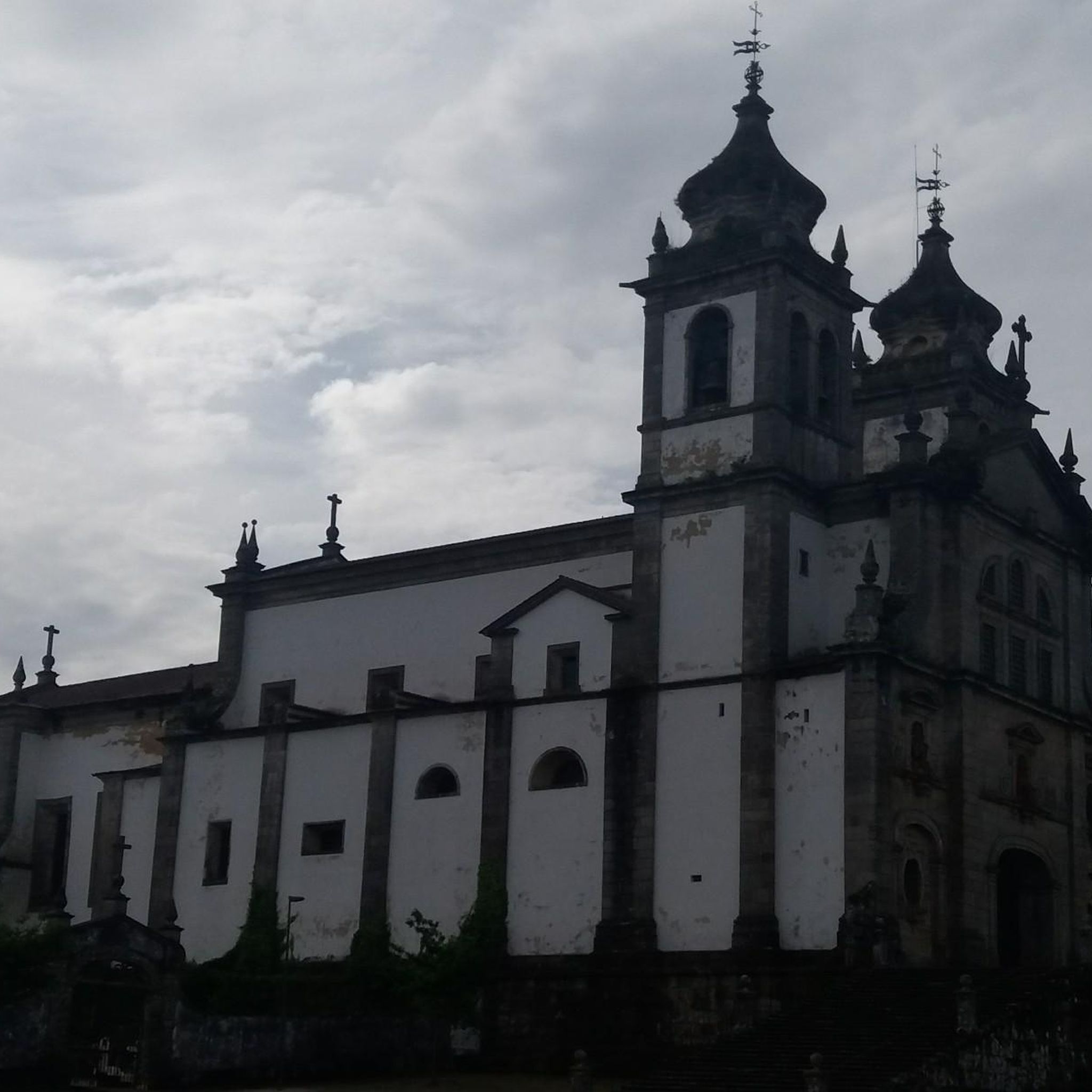

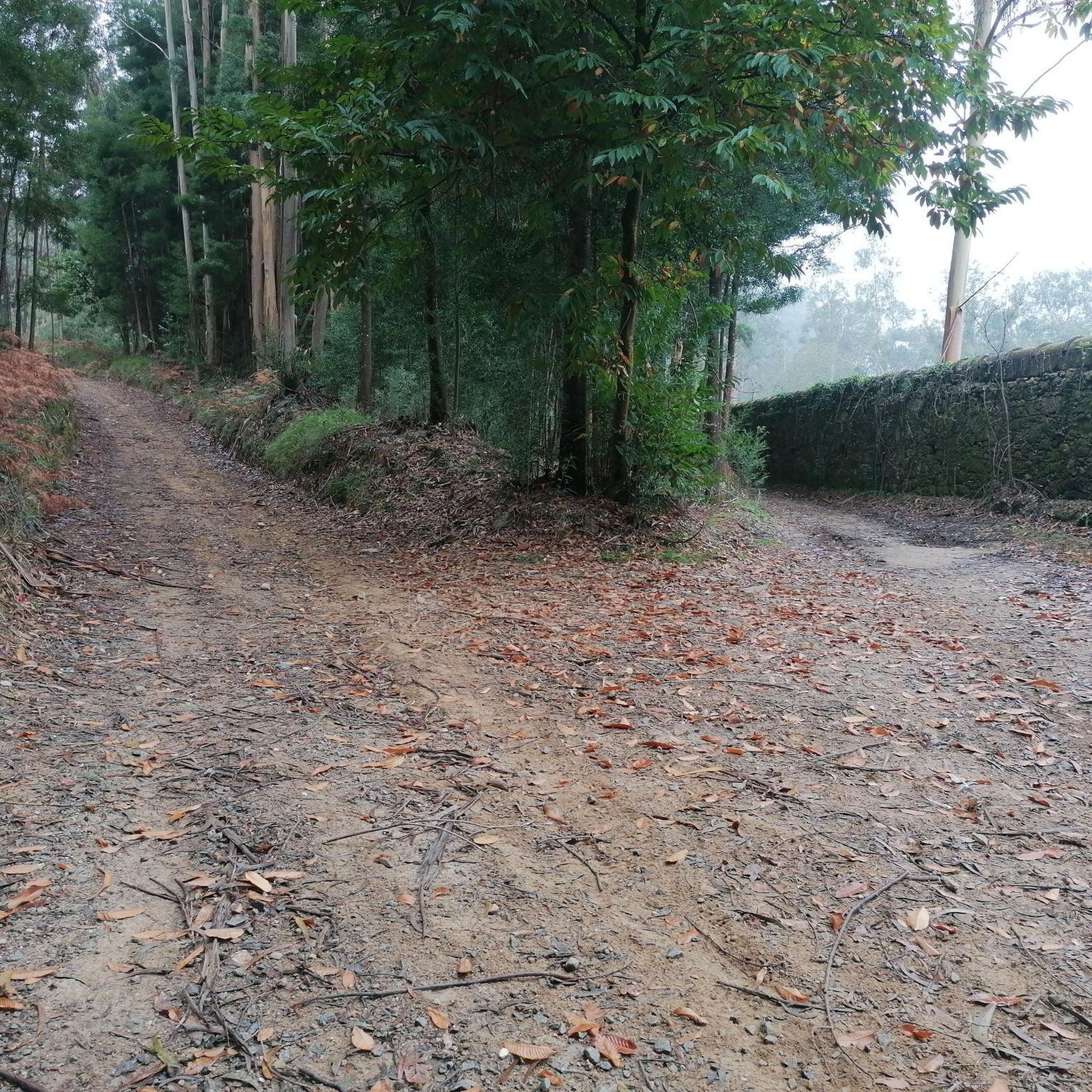

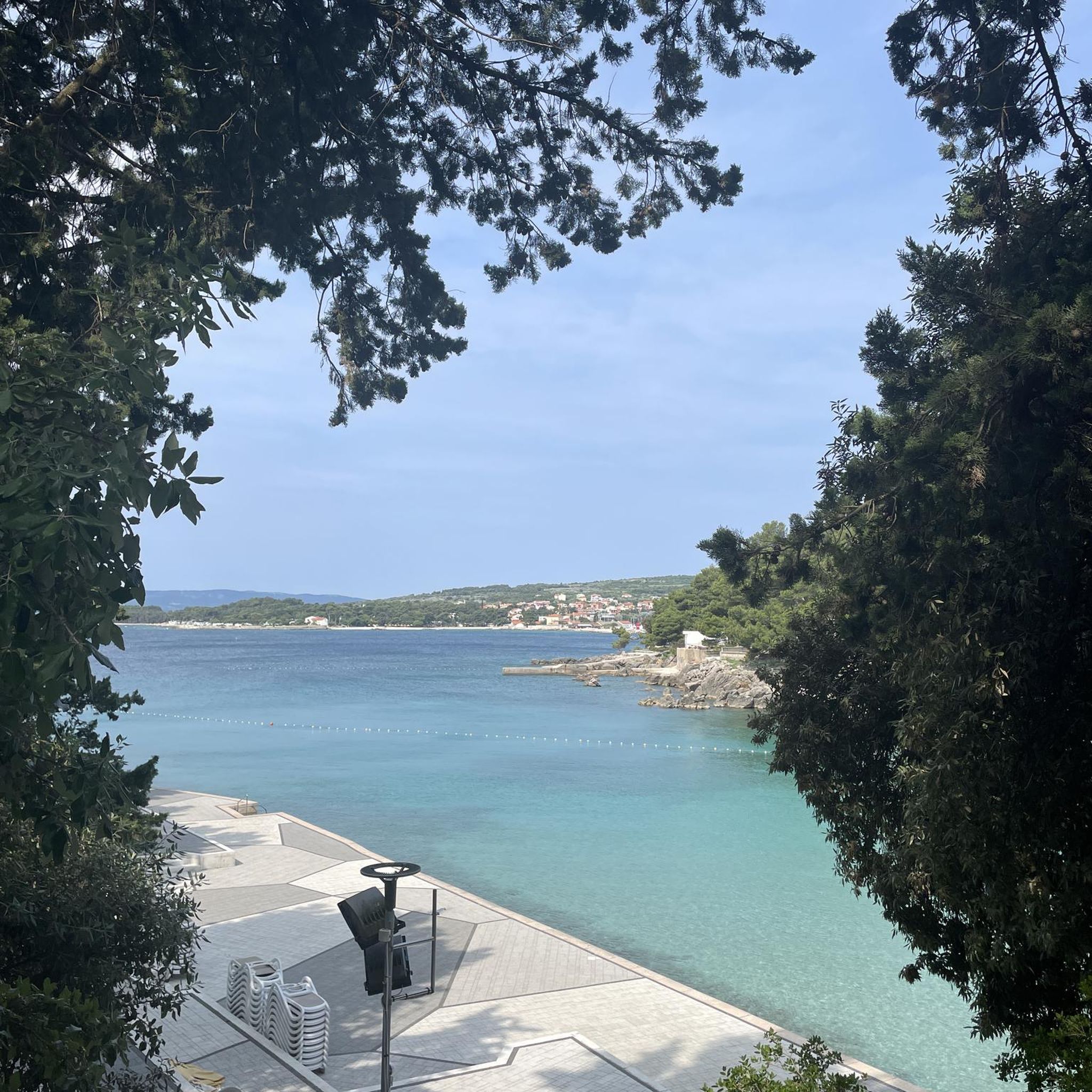
Tips from the Community

If you are referring to churches in Portugal, here are the main ones: Braga: The Church of the Third Order is located at Largo de São Francisco 1930, 4700-317 Braga. It is a beautiful example of religious Baroque, with 18th-century tiles and wheelchair accessible entrance. Porto: The Church of São Francisco in Porto is known for its exuberant Gothic and Baroque interior, with an impressive amount of gilded woodcarving. Viseu: The Church of the Third Order of São Francisco in Viseu features a Baroque and Rococo façade.
1
0
There are several churches named Igreja dos Terceiros de São Francisco in Portugal and Brazil. Based on its current location (Rio de Janeiro), the most prominent church is the one located in the city center.
1
0
The church is part of a group of temples in Braga that represent the peak of religious construction in the 18th century, and is a must-see for anyone visiting the "City of Archbishops".
1
0
Artistic and Architectural Highlights Facade: Features a central niche with an image of Our Lady of the Conception. Interior: Has a single nave with a coffered stone vaulted ceiling. Tiles: The chancel is covered with magnificent blue and white historical tile panels, dated 1734 and attributed to Nicolau de Freitas, which narrate scenes from the life of Saint Francis. Gilded Woodcarving: The side altars and the main altarpiece display the refinement of the Baroque gilded woodcarving characteristic of the Braga region.
1
0
The Church of the Third Order (or Church of the Third Order of Saint Francis) is an important Baroque monument located in the historic center of Braga, Portugal. Built from 1690 onwards with alms from the faithful, it reflects the religious fervor of the Third Order of Saint Francis.
1
0
The church is open for visitation and prayer most days, with specific times for Masses. Opening Hours: Monday to Sunday: 10:00–12:00 and 15:00–19:30. Mass Times (subject to change, please check the official website): Tuesday: 7:00 PM. Thursday: 7:00 PM. Saturday: 5:30 PM. Sunday: 11:00 AM.
1
0
The church was built in the 14th century in a transitional style between Romanesque and Gothic, on the foundations of an earlier 11th-century church. Main Features: Style: Transitional Gothic and Romanesque, with Renaissance and Baroque additions throughout the centuries. Interior: It has three naves, notably featuring 14 blue and white tile panels that cover much of the walls, dating from the 17th and 18th centuries. Notable Elements: The chancel vault is a Manueline work (early 16th century), and the main façade features a Neo-Gothic rose window, the result of a 20th-century restoration. Heritage: The church houses notable altarpieces and funerary monuments of important families, such as the Pinheiro family. The Parish Church of Santa Maria de Barcelos is a point of historical and architectural interest for tourists and pilgrims traveling the Camino de Santiago.
1
0
The Parish Church of Santa Maria de Barcelos, also known as the Collegiate Church, is the main religious temple in the city of Barcelos and a National Monument of Portugal.
1
0
Frequently Asked Questions
How many touring cycling routes are available around Mire de Tibães?
There are over 100 touring cycling routes in the Mire de Tibães area, offering a wide variety of options for different skill levels and preferences.
What kind of terrain can I expect on touring cycling routes in Mire de Tibães?
The region offers diverse terrain, from lush river valleys along the Cávado River to picturesque hills and more challenging climbs, such as those leading to Monte de São Filipe. You'll find both paved and hard gravel sections, especially if you venture towards the nearby national parks like Peneda-Gerês.
Are there touring cycling routes suitable for families or beginners?
Yes, while many routes are challenging, there are approximately 10 easy and 28 moderate touring cycling routes around Mire de Tibães. These often follow flatter sections along riverbanks or through the Monastery's 'Cerca', providing a more relaxed experience for families or those new to touring cycling.
Are there any circular touring cycling routes in the area?
Yes, many routes are designed as loops. For example, the Parque Perez – Chapel of Saint Sebastian loop from Vila de Prado is a moderate 25 km (15.6 miles) circular trail that takes about 1 hour 55 minutes to complete.
What interesting landmarks or attractions can I see along the touring cycling routes?
The primary attraction is the historic Monastery of São Martinho de Tibães, a stunning example of Baroque architecture with extensive gardens. Other notable sights include the Sanctuary of Bom Jesus do Monte, the Raio Palace, and the Braga Cathedral (Sé de Braga). For natural beauty, consider viewpoints like View of Braga from Santa Marta Hill.
What do other touring cyclists enjoy most about cycling in Mire de Tibães?
The area is highly rated by the komoot community, with an average score of 4.5 stars from over 80 reviews. Cyclists often praise the varied terrain, from scenic river paths to challenging climbs, and the blend of natural beauty with historical landmarks like the Monastery of São Martinho de Tibães.
Are there routes for experienced touring cyclists seeking a challenge?
Absolutely. A significant portion of the routes, around 68, are classified as difficult. These often involve substantial elevation gains, such as the Igreja dos Terceiros – Braga Santa Bárbara Garden loop from Vila de Prado, a 33.4 km (20.8 miles) route with over 600 meters of ascent. The proximity to Peneda-Gerês National Park also suggests options for more rugged bikepacking.
Where can I find parking for touring cycling routes near Mire de Tibães?
While specific parking areas for each route vary, the Monastery of São Martinho de Tibães typically offers parking facilities, making it a convenient starting point for exploring the surrounding area. Many routes also start from nearby towns like Braga or Vila de Prado, where public parking is generally available.
What is the best time of year for touring cycling in Mire de Tibães?
The region generally offers pleasant cycling conditions for much of the year. Spring and autumn provide mild temperatures and beautiful scenery. Summer can be warm, especially in July and August, so early morning or late afternoon rides are recommended. Winters are typically mild but can be rainy.
Are there cafes or restaurants along the touring cycling routes?
Yes, the Monastery of São Martinho de Tibães itself features an inn and restaurant, providing a convenient stop. Additionally, routes often pass through or near villages and towns like Braga and Vila de Prado, where you'll find various cafes, bakeries, and restaurants to refuel.
Can I access Mire de Tibães and its cycling routes using public transport?
Mire de Tibães is located near Braga, a major city with good public transport connections. You can typically reach Braga by train or bus, and from there, local buses or taxis can take you closer to Mire de Tibães and potential starting points for your cycling tours.
What is the longest touring cycling route available in the area?
One of the longer and more challenging routes is the Igreja dos Terceiros – Ponte do Porto loop from Braga, which spans 80.6 km (50.1 miles) and involves over 1200 meters of elevation gain, typically taking around 5 hours 24 minutes to complete.
Most popular attractions around Mire De Tibães

Get inspired with the komoot mobile app


Explore more
Browse the best Cycling routes in other regions.
