Top 9 Castles around Haiger
Best castles around Haiger offer a journey into the region's rich history and diverse architectural heritage. The area, nestled in the Lahn-Dill-Kreis, features a variety of historical sites, from well-preserved moated castles to ancient ruins. Visitors can explore these landmarks, which provide insights into different epochs of the Siegerland's past. The surrounding natural landscape complements these historical attractions, making the region a notable destination for cultural exploration.
Best castles around Haiger
- The most popular castles is Hainchen Moated Castle,…
Last updated: August 16, 2026
Herborn Marketplace
Highlight • Settlement
Translated by Google •
Tip by

Hainchen Moated Castle
Highlight • Castle
Translated by Google •
Tip by

Sign up now to discover places like this
Get recommendations on the best single tracks, peaks, & plenty of other exciting outdoor places.
Sign up for free
Wilhelmsturm and the Dillenburg Casemates
Highlight • Castle
Translated by Google •
Tip by

Dillenburg Old Town and Castle
Highlight • Historical Site
Translated by Google •
Tip by

Junkernschloss Ruins
Highlight • Castle
Translated by Google •
Tip by

Sign up for free to discover even more castles around Haiger.
Sign up for free
Already have an account?
Start today with a free account
Your next adventure awaits.
Login or Signup
Popular around Haiger
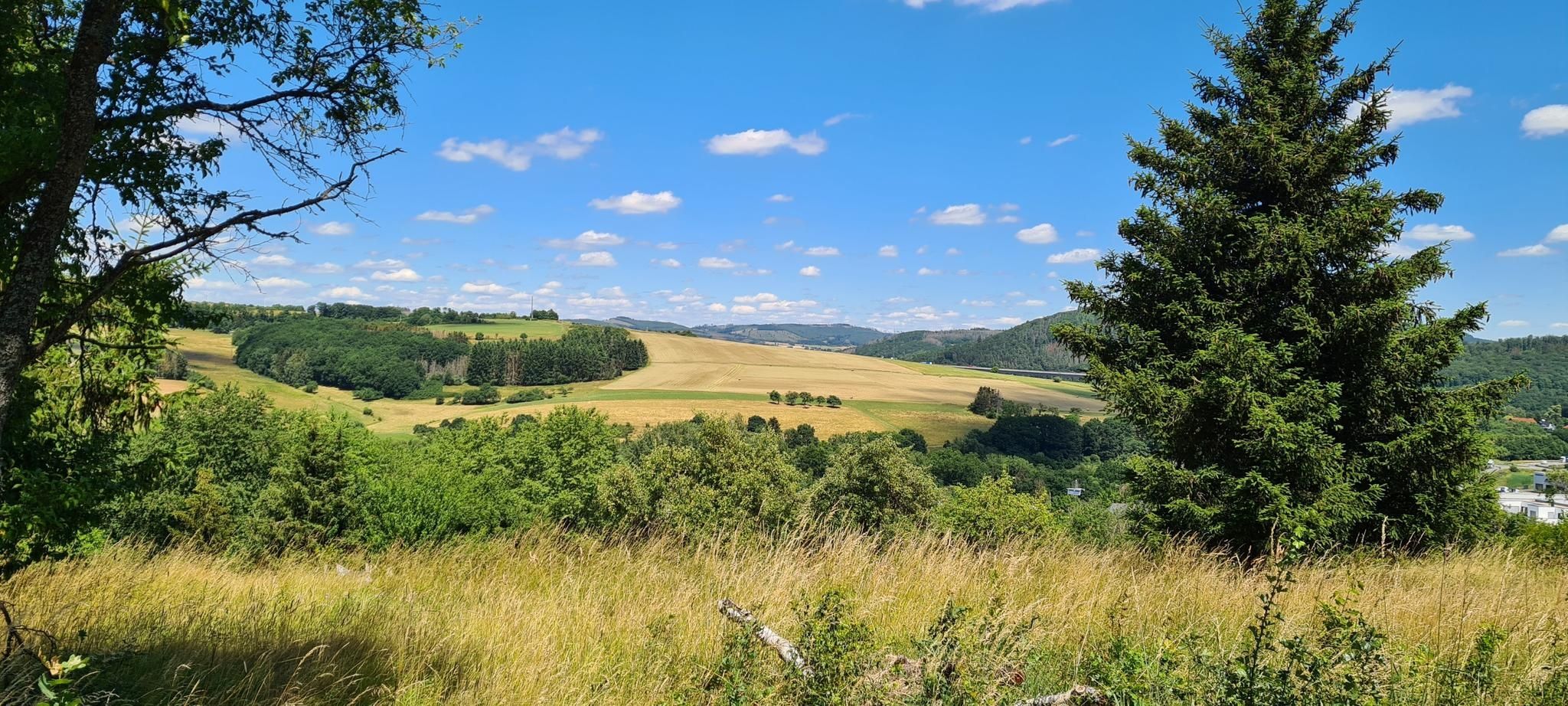
Hauberge and foxglove fields – hiking trails around Haiger
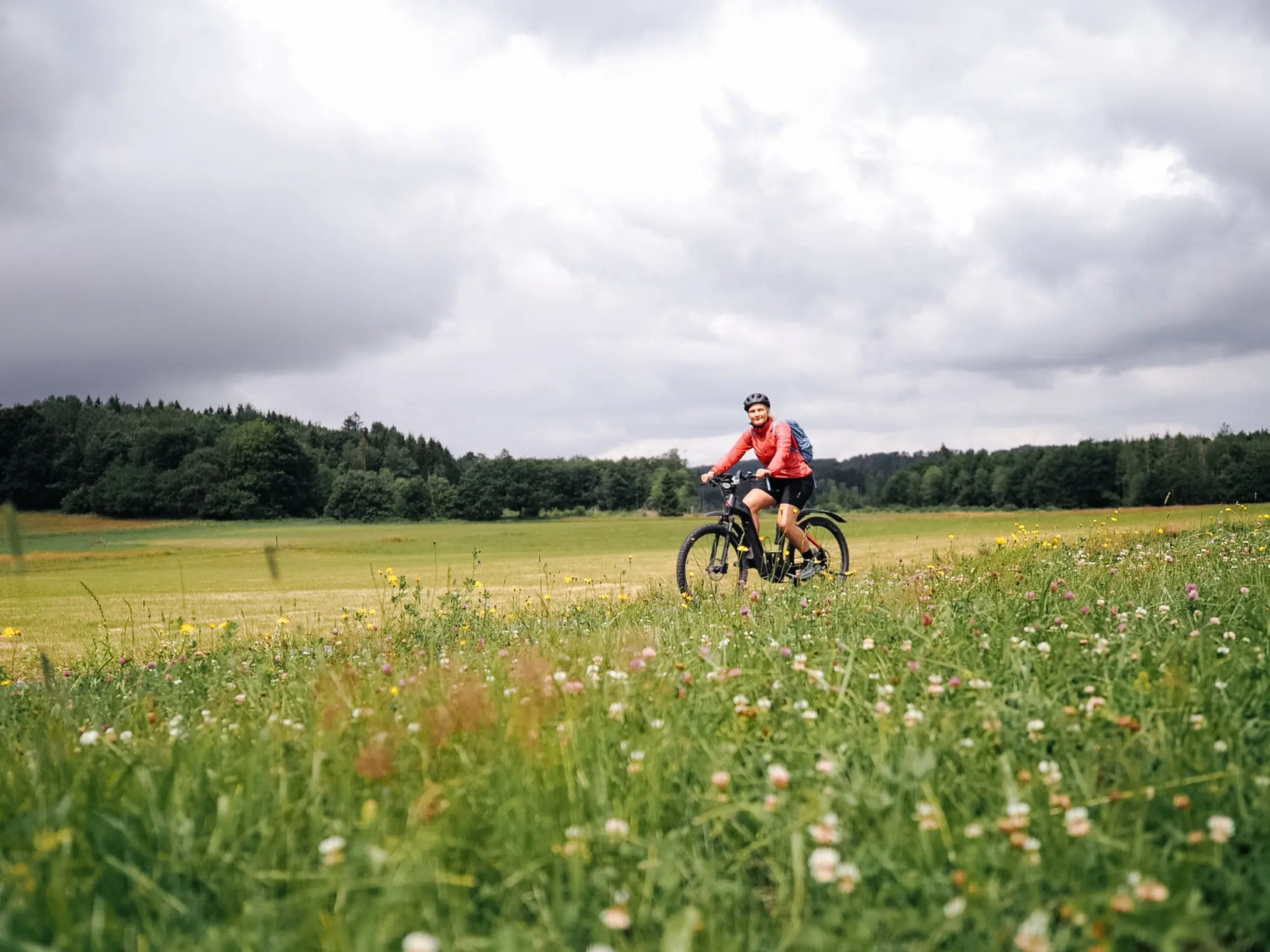
Vast views in the Westerwald – E-Bike fun with Fräulein Draußen
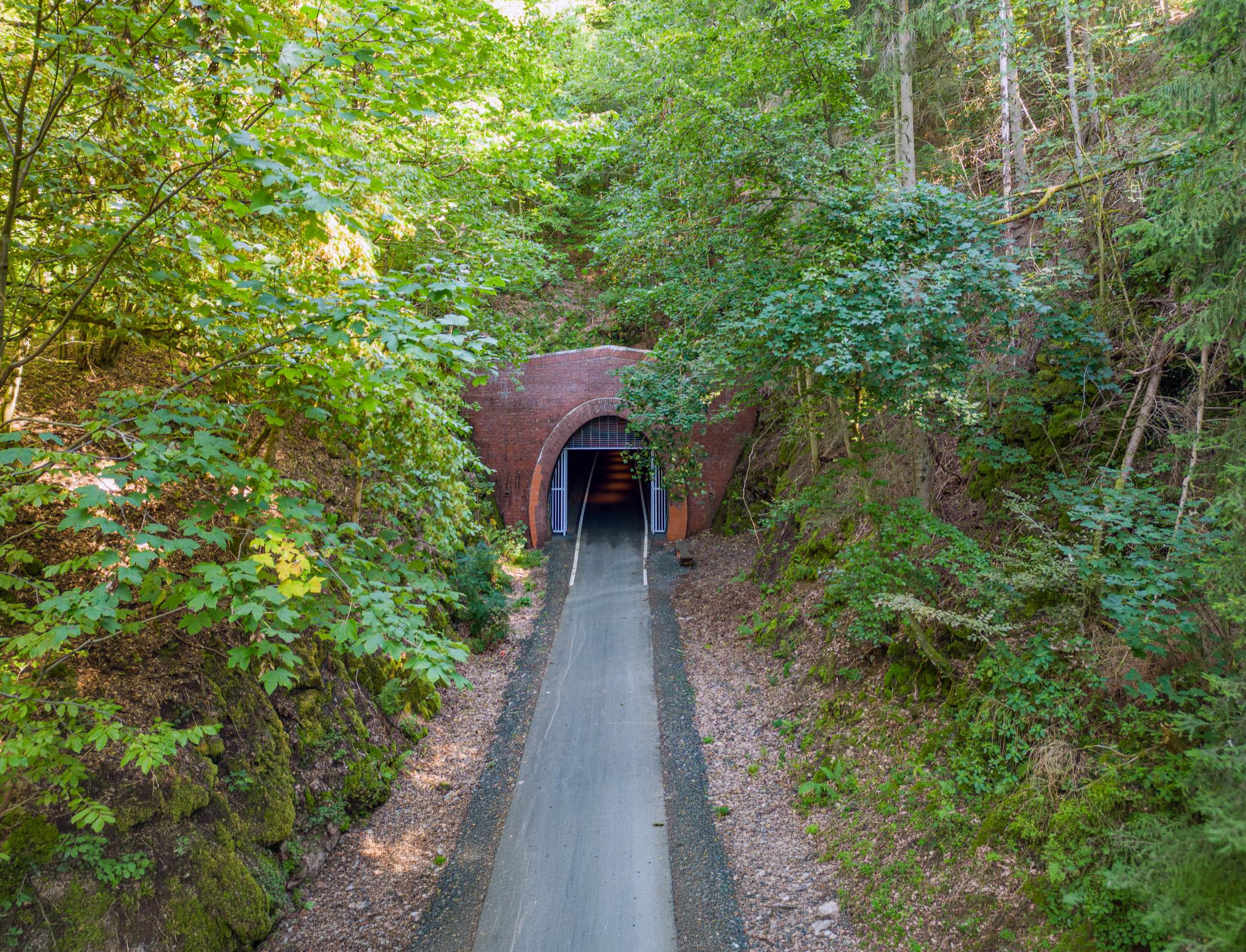
Get active on tunnel adventures & in the idyllic Dilltal – cycling around Haiger
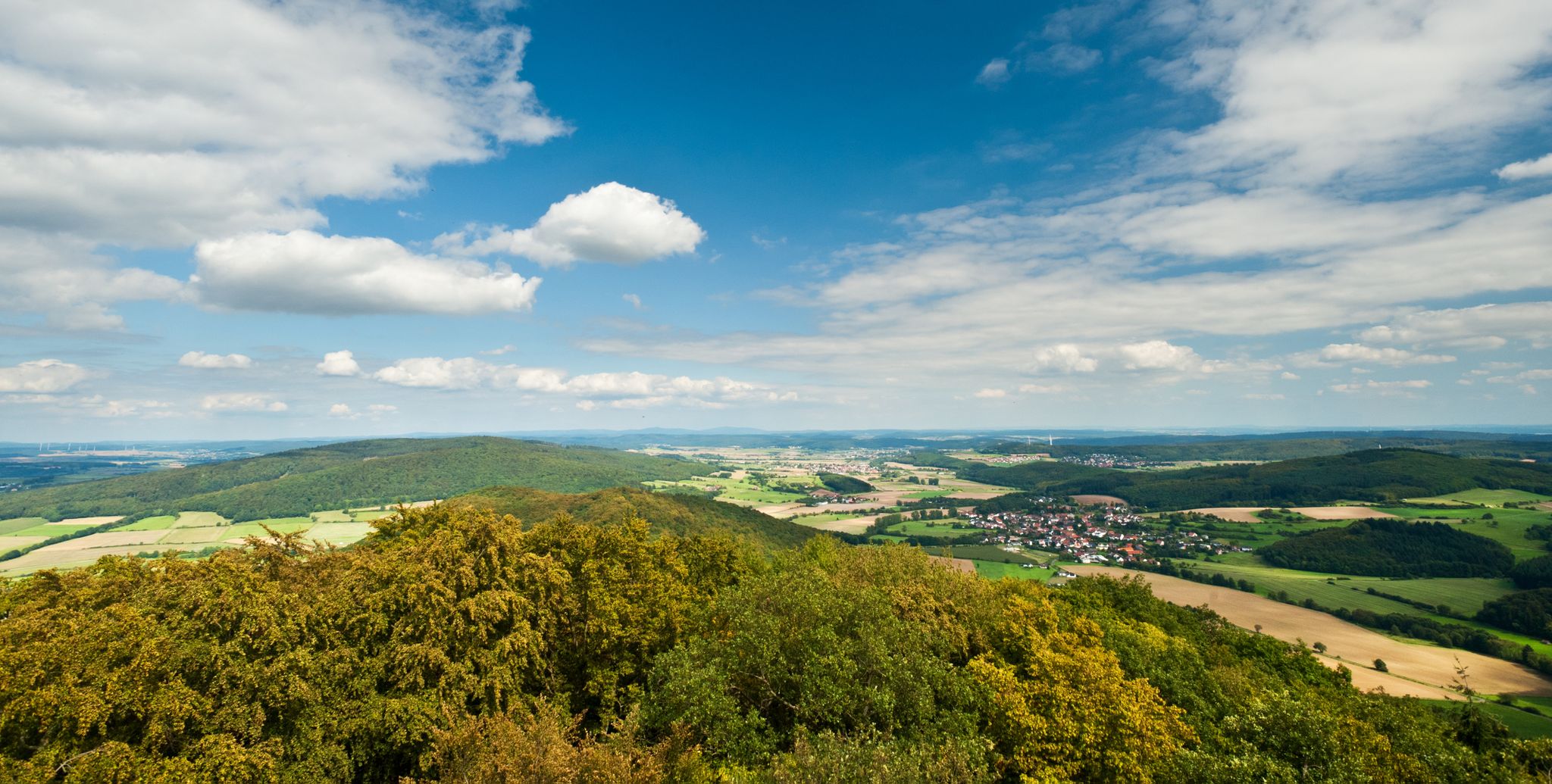
Hiking in the Lahn-Dill-Bergland Nature Park
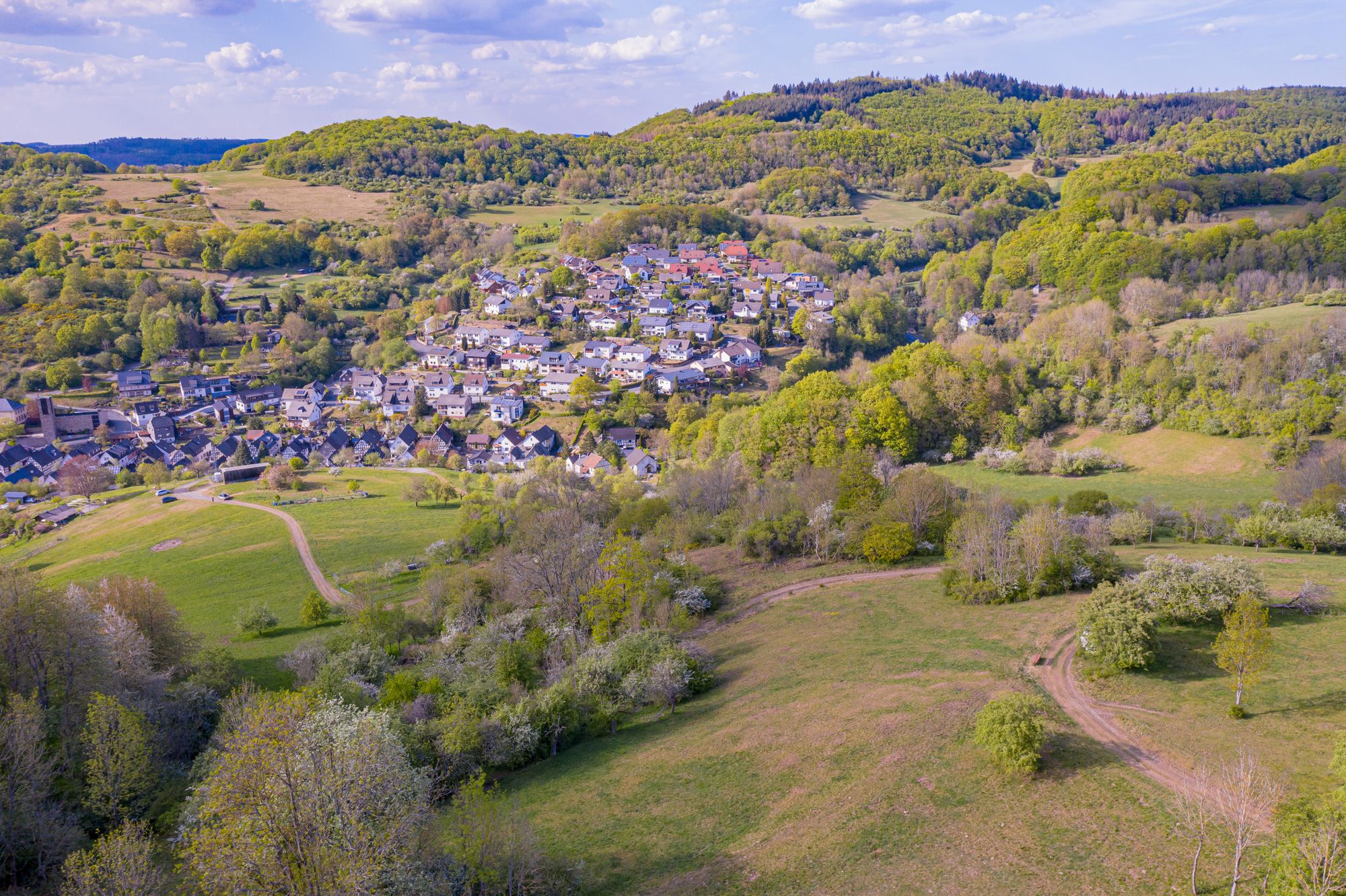
Die schönsten Tagestouren im Naturpark Lahn-Dill-Bergland
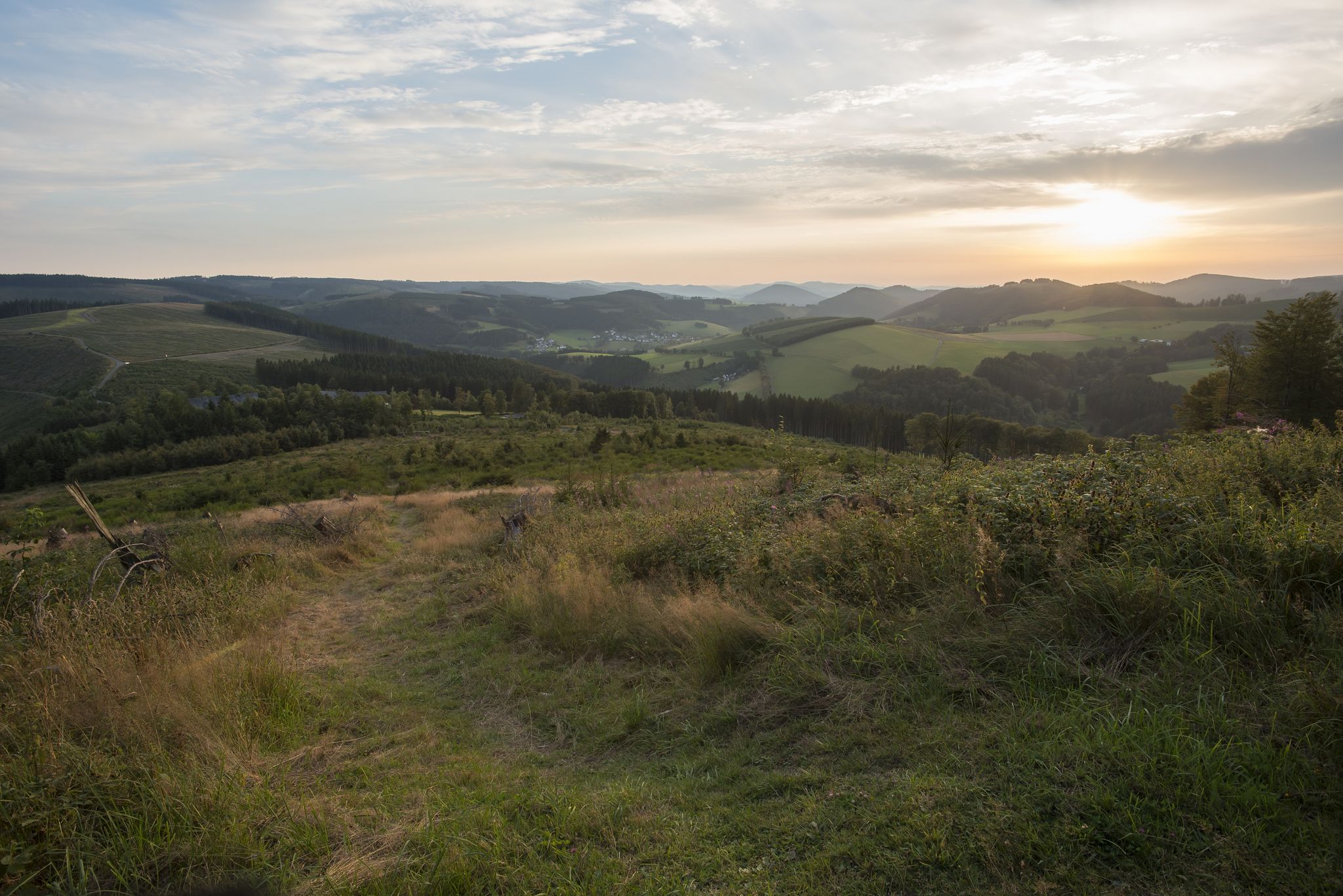
Forest, meadows, wonderland – hiking the Rothaarsteig Trails
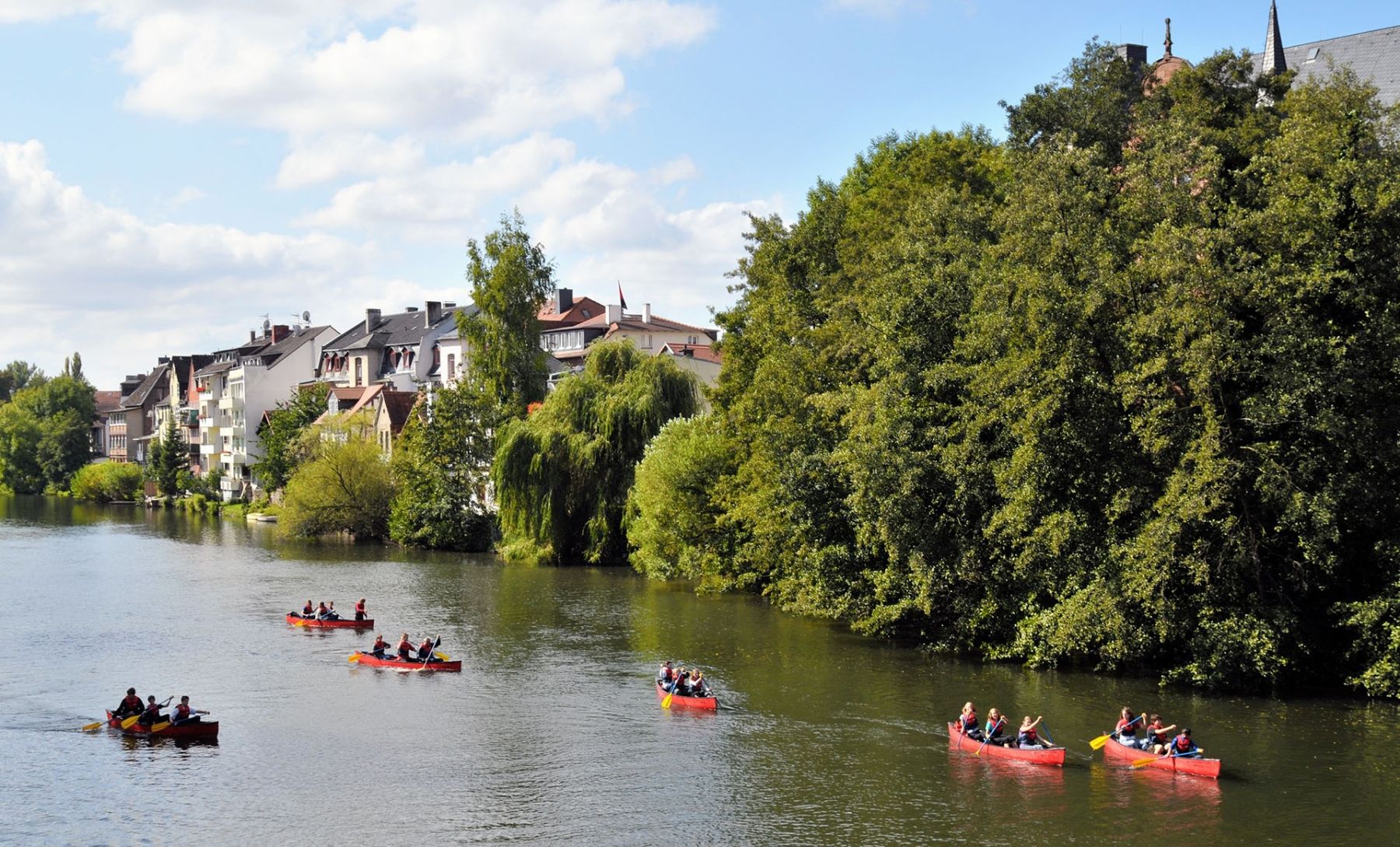
Wildromantische Flussradrouten – das Lahntal auf dem Fahrrad erkunden
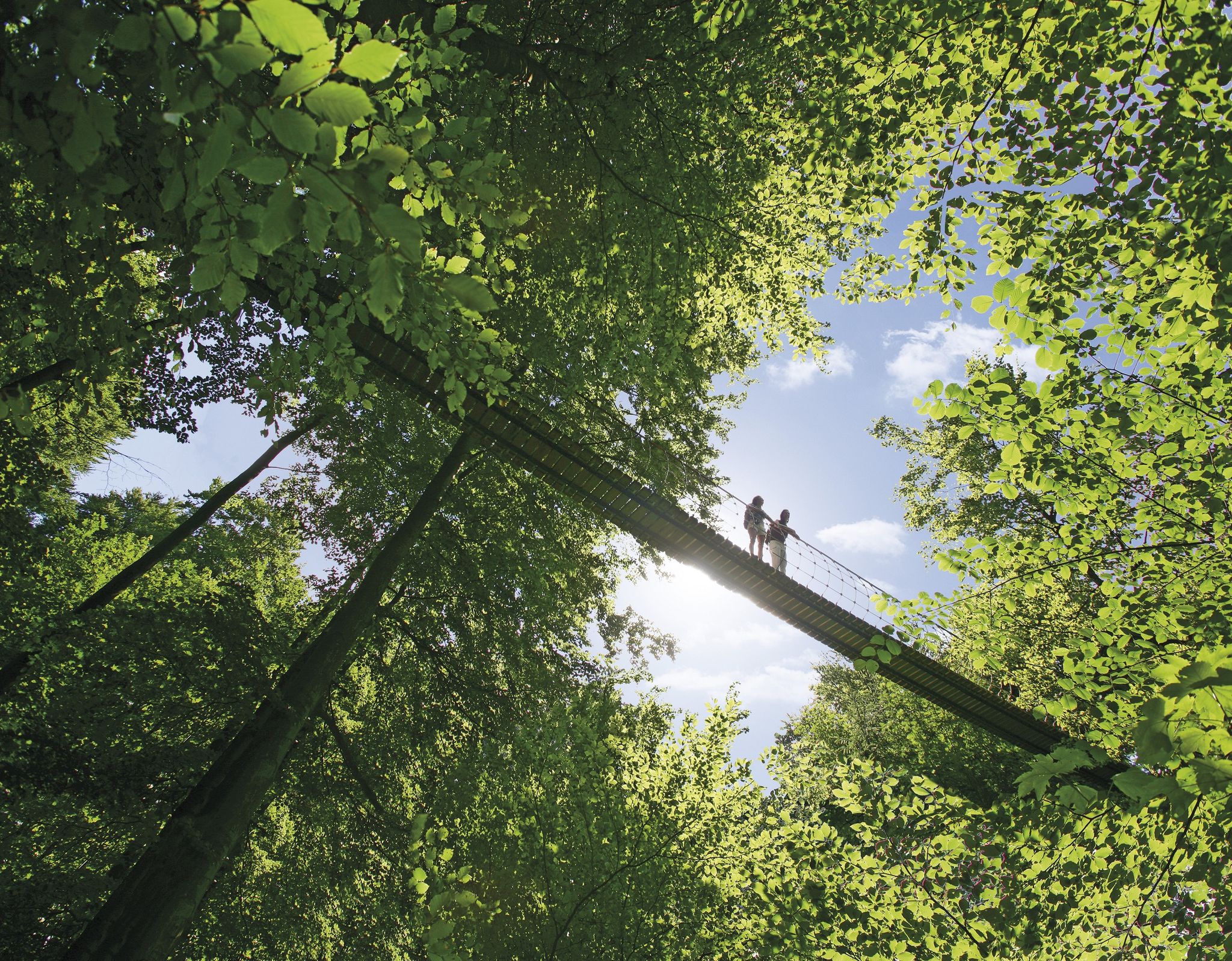
Mit Bus & Bahn den Rothaarsteig erkunden
Hiking around Haiger
Cycling around Haiger
Other adventures around Haiger


Tips from the Community

The Junker castle consists of wall remains and in the middle is a playground for the children
0
0

Dillenburg old town and tower, as well as catacombs are worth seeing.
1
0

The floor plan visible today was reconstructed from surviving remains. Existing components were secured and partially walled up to illustrate the overall appearance of the complex. The history of the Junkern Castle, like that of Driedorf, is characterized by many changes and changing ownership rights. As early as 1340, the Mudersbach family had increasingly expanded their holdings in the Driedorf parish through small purchases and donations. The later Junkern Castle was handed over to the Mudersbach family by Count Otto II in 1347. When the Mudersbach family died out with the death of Daniel von Mudersbach around 1600, their properties went to the family of Count von Cronenberg, who in turn sold them to Georg von Nasssau-Beilstein in 1610. From 1600 onwards, the Junkern Castle was considered uninhabited. In 1780, a tower was undermined and brought down so that the rubble could be used to fill the moat and create a meadow. In 2004, the redesign of the area around the ruins was completed.
1
0

Simply beautiful. Everything has been said. Ideal place to stay
7
0


A beautiful old moated castle with an interesting history. Around the castle you can learn a lot about the castle on information boards. In the wooded area above there is an adventure playground and other boards showing the location of the various trades in the castle. Worth seeing and exciting. There are tables and benches all over the site to linger and you can also stop off in the depot (observe opening hours). Admission to the site is free.
8
0

The town of Dillenburg laid the foundation for its importance as the seat of power of the Nassau-Dillenburg family early on. Although it was first mentioned in a document in 1254, it received city rights only 90 years later from King Ludwig IV of Bavaria. Wilhelm I of Orange was born here in April 1533. He organized the war of liberation in Dillenburg, gathered his followers at Ginsburg and is considered the founder of the Dutch royal family. Dillenburg recorded 600 deaths during the worst plague epidemics in history. In between, as a result of the Thirty Years' War, Dillenburg was sacked by the Swedes in 1634. The last prince of the House of Nassau-Dillenburg died in 1739. His inheritance passed to the related House of Orange-Nassau in the Netherlands. With the end of this principality, the connection to the Netherlands was broken and Dillenburg passed to the Duchy of Nassau. In modern times, Dillenburg was shaped by mining and iron processing, as is typical for the region.
3
0

There's always something going on !
3
0
Frequently Asked Questions
What historical insights do the castles around Haiger offer?
The castles around Haiger provide a deep dive into the region's past, showcasing architectural and structural evidence from various epochs of the Siegerland's history. For instance, the Hainchen Moated Castle, first documented in 1290, illustrates centuries of development, while the Junkernschloss Ruins tell a story of medieval conflicts and noble residences, with its reconstructed layout helping visitors visualize its past grandeur.
Are there any notable castle ruins to explore near Haiger?
Yes, the Junkernschloss Ruins in Driedorf are a significant site. Also known as the Lower Castle, it was originally a moated castle built between 1280 and 1290. Today, visitors can explore its wall remains and a reconstructed layout that illustrates its historical appearance. It even features a playground for children in the center.
What is unique about Hainchen Moated Castle?
The Hainchen Moated Castle is unique because it is a high-altitude moated castle, a rare sight compared to the many moated castles found in lowlands. First documented in 1290, it's a cultural and historical monument that has undergone revitalization efforts to become a community hub, offering a park, gastronomy, and even overnight accommodation.
Can I visit the Wilhelmsturm and Dillenburg Casemates?
Yes, the Wilhelmsturm and the Dillenburg Casemates are open to visitors. The Wilhelmsturm offers wonderful panoramic views from its top, and the extensive Dillenburg casemates represent a significant early modern defense system. A 45-minute tour allows you to explore part of the multi-storey facility, which was once among the largest defenses in Western Europe.
Are there family-friendly castles to visit around Haiger?
Many castles and historical sites around Haiger are family-friendly. The Hainchen Moated Castle is actively working to become a meeting place for all, including families, with its park envisioned as a recreational space. The Junkernschloss Ruins even have a playground in the center, making it suitable for children.
Are any castles around Haiger accessible for visitors with disabilities?
Yes, the Hainchen Moated Castle is actively being made accessible for people with disabilities. The Siegerland Burgenverein is committed to ensuring the castle and its park become a welcoming and accessible recreational space for everyone.
Can I bring my dog to the castles or on nearby walks?
While specific rules for dogs inside castle buildings may vary, many outdoor areas and nearby hiking trails are dog-friendly. For walks that incorporate castles, you can explore routes like the 'Haubergspfad (Hauberg Trail) 1' or 'Haiger forest trail' which are generally suitable for dogs. Always keep dogs on a leash and check local regulations.
Are there hiking trails that incorporate castles near Haiger?
Absolutely! The region around Haiger is excellent for combining hiking with castle visits. The Hainchen Moated Castle is located near the popular Rothaarsteig hiking trail. You can find various routes, including the 'Rothaarsteig Dill mountain hike' or the 'Haigerseelbach hiking trail', which offer opportunities to explore the natural landscape and historical sites. For more options, check out the Hiking around Haiger guide.
Where can I find good viewpoints near the castles?
The Wilhelmsturm in Dillenburg is an excellent spot for panoramic views. From the top, you can see the surrounding landscape and even parts of the Rothaarsteig. Additionally, the Hainchen Moated Castle, being a high-altitude moated castle, also offers scenic perspectives of its surroundings.
What is the best season to visit the castles around Haiger?
The best season to visit depends on your preferences. Spring and autumn offer pleasant temperatures for exploring the outdoor castle grounds and combining visits with hiking. Summer is ideal for enjoying the castle parks and outdoor events. Winter visits can be picturesque, especially if there's snow, but some facilities or paths might have limited access, such as the Junkernschloss Ruins which are closed from November 1st to March 31st.
Are there cafes or restaurants near the castles?
Yes, some castles offer dining options. The Hainchen Moated Castle includes gastronomy as part of its revitalization, and its old coach house is open on Wednesdays and Sundays. The nearby towns like Herborn and Dillenburg also have a variety of cafes and restaurants, such as those in Herborn Marketplace, known for its appealing street cafés.
What are the parking options for visiting the castles?
Parking facilities are generally available near the main castle sites. For Hainchen Moated Castle, parking is usually accessible. Similarly, for the Wilhelmsturm and Dillenburg Casemates, parking can be found in Dillenburg. For the Junkernschloss Ruins, which are located in the middle of Driedorf, parking is typically available within the community.
Can I reach the castles by public transport?
Public transport options to the castles vary. While larger towns like Dillenburg (for the Wilhelmsturm) are well-connected, reaching more rural castles like Hainchen Moated Castle or Junkernschloss Ruins might require a combination of bus services and a short walk. It's advisable to check local bus schedules for the specific castle you plan to visit.
Most popular routes around Haiger
Most popular attractions around Haiger

Get inspired with the komoot mobile app


Explore more
Looking for the best castles somewhere else? Discover other guides around Haiger:
