Attractions and Places To See around Alfaião - Top 16
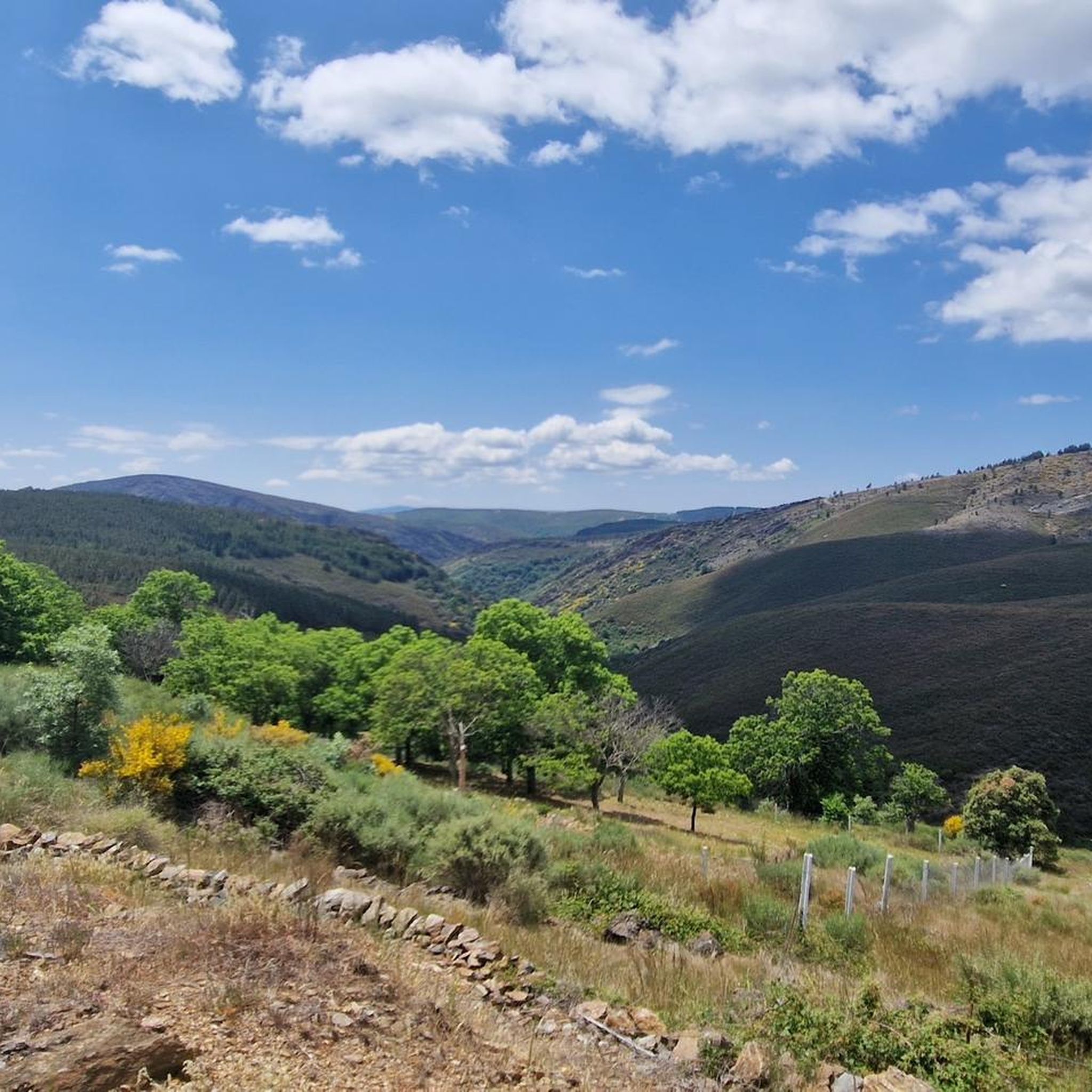
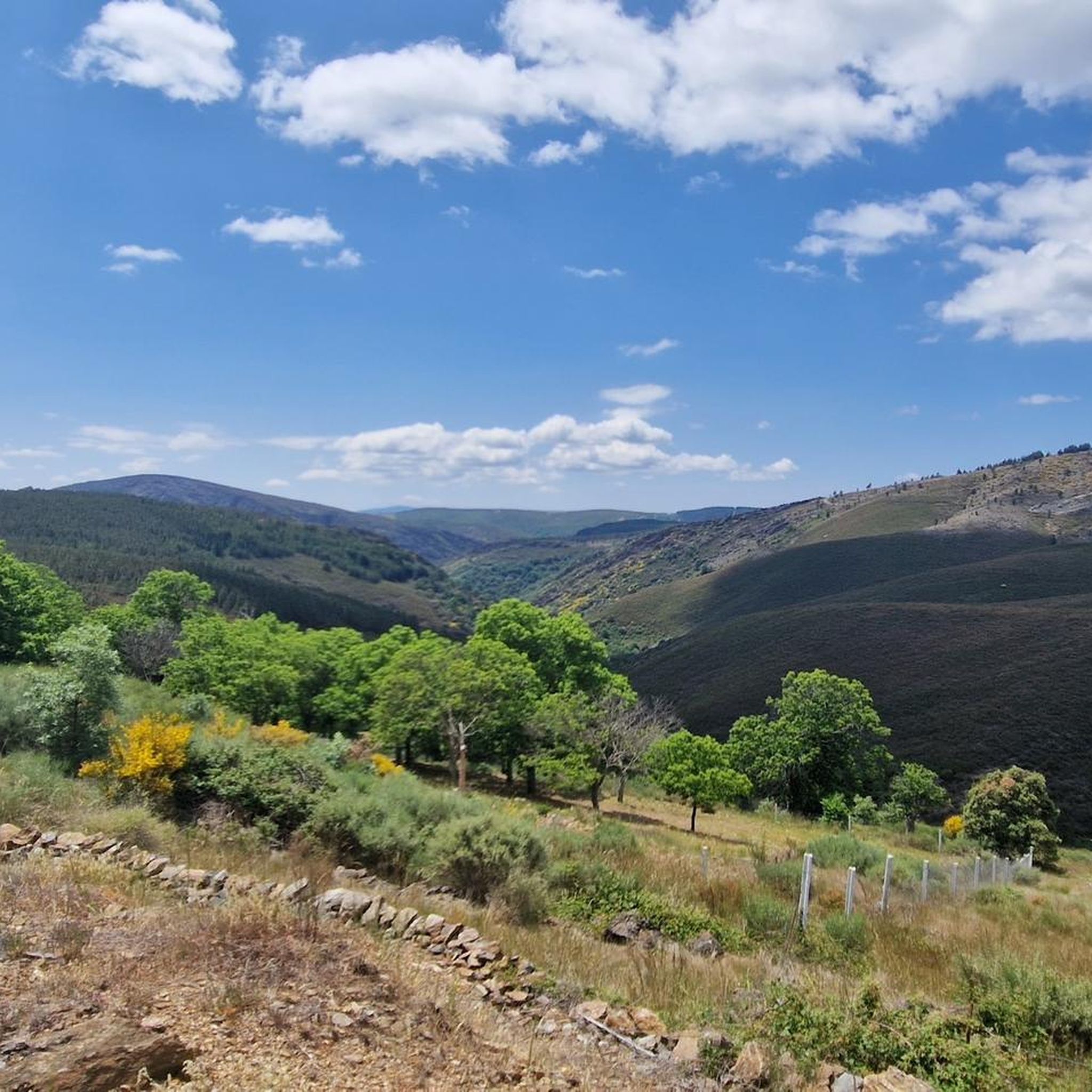
Best attractions and places to see around Alfaião include a blend of historical charm, natural beauty, and cultural insights within the municipality of Bragança, Portugal. This civil parish is characterized by traditional stone houses, narrow cobbled streets, and a serene landscape of rolling hills and lush forests. The area offers a glimpse into rustic Portuguese life and is located near the Parque Natural de Montesinho, providing diverse outdoor opportunities. Visitors can explore ancient settlements and significant religious sites.
Best attractions…
Last updated: July 1, 2026
Bragança Castle
Highlight • Castle
Translated by Google •
Tip by

Domus Municipalis de Bragança
Highlight • Historical Site
Translated by Google •
Tip by

Sign up now to discover places like this
Get recommendations on the best single tracks, peaks, & plenty of other exciting outdoor places.
Sign up for free
Miniature Park of Bragança
Highlight • Structure
Translated by Google •
Tip by
Old Mill
Highlight • Structure
Translated by Google •
Tip by

Bragança Cathedral
Highlight • Religious Site
Translated by Google •
Tip by
Sign up for free to discover even more attractions around Alfaião.
Sign up for free
Already have an account?
Start today with a free account
Your next adventure awaits.
Login or Signup



Tips from the Community

The Fervença Urban Park Mill (Green Corridor) is a picture-postcard setting: Worth seeing for the scenery. The mill has been restored and is part of the "Green Corridor," a path with wooden walkways that follows the Fervença River. The combination of the old stone structure with nature and the flowing water creates a very photogenic and relaxing setting, even within the city. It's the highlight of an easy, flat walk, ideal for families or for disconnecting from the urban environment without having to leave Bragança. From here, you have unique angles to see the Castle high above.
1
0
The Domus Municipalis of Bragança is one of those unparalleled treasures. It's worth visiting not only because it's a national monument, but because it's a true relic: the only example of Romanesque civil architecture in the entire Iberian Peninsula. If you enjoy history or architecture, you'll quickly understand why this building is so special: 1. An Architectural Rarity (Unique Form) While most Romanesque buildings that have survived to this day are churches or monasteries, this is a civil (non-religious) building. Even more curious is its shape: an irregular pentagon. This is not something you see every day in medieval architecture. 2. The Mysterious Dual Function Upon entering, you'll realize that the building is "two in one". This clever engineering tells a story of the city's survival: The Lower Floor (The Cistern): The building's base is a huge vaulted cistern that collected rainwater and spring water. Since Bragança (and its Citadel) is located on a hill, water was a scarce and vital resource for resisting military sieges. The Upper Floor (The "Town Hall"): Above the cistern, there is a large room with windows all around (letting in plenty of light and air). It is believed that this was where the "good men" of the council met to discuss city affairs. Imagine a medieval town hall, outdoors but covered. 3. Details Not to Be Missed The Light and the Views: As it is an open space with a gallery of arched windows all around, the light enters in a very special way, creating a photogenic environment and allowing you to see the Citadel from various angles. The Modillions (Corners): If you look closely at the cornice (the top of the walls, both inside and out), you'll see small stone sculptures called modillions or corbels. They have curious shapes, ranging from human faces to animals and geometric figures, typical of medieval imagery. It's a quick visit (you can see it in 15-20 minutes), it's free (usually), and it's literally next to the Church of Santa Maria and the Castle. In other words, there's no reason not to go in!
0
0
The modern Sé Nova (Cathedral of Our Lady Queen) was inaugurated in 2001. It is located on Avenida Eng. Amaro da Costa, slightly outside the old town center (but only 1 km from the Sé Velha). It is the first cathedral built in Portugal in the 21st century. It has a contemporary and bold architecture (designed by the architect Vassalo Rosa), with a polygonal shape and a very spacious and bright interior. Behind the altar, there is a huge ceramic panel by the artist Mário Silva that is worth admiring.
2
0
It's interesting and unusual to find yourself in that place.
1
0
Bragança Castle, located in northeastern Portugal, is one of the most impressive and well-preserved medieval castles in the country. Keep: At 33 meters high, it is one of the most imposing in Portugal. Inside, it houses the Bragança Military Museum, where you can see a vast collection of light weaponry, from the 12th century to the First World War. From the top of the tower, there is a breathtaking view over the old city, the new part of Bragança, and the surrounding mountains (Montesinho, Sanábria). The Princess Tower is an old residential outbuilding (Alcáçova Tower) famous for a tragic love legend. In the citadel, you can stroll through the streets within the walls, where the medieval atmosphere remains almost intact.
3
0

The Bragança Cathedral was designed by the architect Vassalo Rosa and was inaugurated in 2001, being the first cathedral built in the 21st century. It is a 10,000 square meter space, with seating arranged in an amphitheatre and a pentagonal design of the surrounding area, which distinguishes the contemporary architecture of the monument. Dedicated to Our Lady Queen, it reflects the region in which it is located, from the construction materials, the vegetation of the gardens and even the orientation of the doors. Inside, the tabernacle has the geographical shape of the district and the expression lines of Christ drawn on the ceramic panel by Mário Silva, behind the main altar, reveal a Northeastern style.
7
0
A small private space where a local resident has given free rein to his imagination and built small replicas of famous monuments from around the world. This is a magnificent work of art and don't forget to leave a small donation so that this space can continue to grow and amaze visitors who pass by...
5
0
Classified as a National Monument in 1910, the castle that stands before our eyes today occupies an area of 3.2 hectares and has an approximate perimeter of 670 meters. Its walled section, with an irregular oval layout, is punctuated by pyramidal battlements and highlighted by 23 towers, of which 10 are turrets, 2 have a hexagonal plan, and 11 are quadrangular. Currently, access to the Keep is via the north-facing side, through an external staircase made of schist masonry, attached to the tower's outer structure. This is flanked by seven magnificent vaulted brick turrets (three to the east, three to the west, and one to the south), which join the wall section on the northern slope of the fortification. Inside, the Military Museum, officially founded in 1983, occupies the four floors, sixteen rooms, terrace, and crypt of the Keep, as well as the entire exterior space bordered by the turrets, including the Princess Tower. This museum possesses a collection of great historical value, allowing visitors to follow the evolution of light weaponry from the 16th century to the mid-20th century. It seeks to promote the appreciation, enrichment, and exhibition of the historical-military heritage attributed to it and to disseminate the cultural values linked to military history. Visitors can also climb to the crenellated terrace to contemplate the marvelous landscapes, overlooking the Nogueira, Montesinho, and Coroa mountain ranges, the peaks of Sanábria, and the Leonese lands.
7
0
Frequently Asked Questions
What historical sites can I explore around Alfaião?
Alfaião and its surroundings are rich in history. You can visit the impressive Bragança Castle, a National Monument with 23 towers and a Military Museum. Another significant historical site is the Domus Municipalis de Bragança, a unique example of Romanesque civil architecture that once served as a water cistern and town hall. Within Alfaião itself, explore the traditional stone houses, cobbled streets, and the Old Mill, which is part of a scenic walking path.
Are there any notable religious buildings in the area?
Yes, Alfaião has a strong religious heritage. The village features the Igreja Matriz (Mother Church), Capelas de S. Sebastião (Chapels of St. Sebastian), and the Capela de N. Sra. da Veiga (Chapel of Our Lady of Veiga), which is also accessible via a hiking trail. Nearby, you can visit the modern Bragança Cathedral, inaugurated in 2001 and known for its contemporary architecture.
What natural attractions are there for outdoor enthusiasts?
Alfaião is surrounded by natural beauty. The village is located near the vast Parque Natural de Montesinho, offering diverse flora and fauna, and numerous hiking and biking trails. The River Sabor cuts through the southern part of the parish, and the River Panascal runs nearby, joining the Fervença River, providing beautiful riverside scenery, especially along the 'Trilho do Alfaião' hiking trail. The region's rolling hills and lush forests are perfect for nature lovers and birdwatching.
What kind of outdoor activities can I do near Alfaião?
The area around Alfaião is ideal for various outdoor activities. You can find numerous hiking trails, including easy options like the 'Domus Municipalis de Bragança – Bragança Castle loop'. For runners, there are routes such as the 'Túnel do Castelo loop from Samil' or the 'Castelo de Bragança loop'. Cyclists can enjoy road cycling routes like 'From Bragança to Puebla de Sanabria'. You can find more details on these activities and routes in the dedicated guides for easy hikes, running trails, and road cycling routes around Alfaião.
Are there family-friendly attractions or activities in Alfaião?
Yes, several attractions are suitable for families. The Domus Municipalis de Bragança and Bragança Cathedral are tagged as family-friendly. The Graça Morais Contemporary Art Center also offers interactive exhibits. Additionally, the Parque de Merendas provides a dedicated space for relaxation and picnics amidst nature, and easy hiking trails like those along the Fervença River are great for all ages.
What is the best time of year to visit Alfaião?
The best time to visit Alfaião for outdoor activities and exploring its natural beauty is typically during spring (April to June) and early autumn (September to October), when the weather is mild and pleasant for hiking and sightseeing. If you're interested in local culture, consider visiting in late September for the 'Festa de São Miguel', which honors the village's patron saint with lively processions, traditional music, and local food.
Can I find good viewpoints around Alfaião?
Absolutely. The region's rolling hills offer many opportunities for scenic views. From the top of the Bragança Castle keep, you can enjoy marvelous landscapes overlooking the Nogueira, Montesinho, and Coroa mountain ranges. The natural surroundings of Alfaião, with its elevated terrain, also provide breathtaking vistas of the countryside.
What are some unique cultural experiences in Alfaião?
Beyond its historical sites, Alfaião offers authentic cultural experiences. Exploring the village's charming stone houses and narrow cobbled streets provides a glimpse into rustic Portuguese life. Attending local festivals, such as the 'Festa de São Miguel' in late September, allows you to engage directly with local traditions, music, and food. There's also a 2016 documentary titled 'Alfaião' that offers a contemplative portrait of the village's daily routine.
Are there any ancient settlements or Roman remnants in the area?
Yes, historical evidence points to ancient settlements within Alfaião. Remnants of a Roman presence, including a former *castro* from the Iron Age, have been discovered in the area. Specifically, two ancient settlements, Castelo das Freiras and Alto da Veiga (or Vale de Castro), highlight the long history of human habitation in this region.
What is the Graça Morais Contemporary Art Center?
The Graça Morais Contemporary Art Center is a cultural institution located near Alfaião. It is known for its interactive exhibits, sometimes focusing on themes like energy, environment, and silk production. It's a great place to experience modern art and cultural insights, though it is closed on Mondays.
How long should I plan to visit the main attractions?
To fully appreciate the main historical sites like Bragança Castle and Domus Municipalis de Bragança, allow at least half a day. The Domus Municipalis itself can be explored in 15-20 minutes. If you plan to include hiking in the Parque Natural de Montesinho or along the rivers, you could easily spend a full day or more exploring the natural landscapes and trails around Alfaião.
Most popular routes around Alfaião

Get inspired with the komoot mobile app


Explore more
Still not found the Highlight you’re looking for? See guides of the top attractions in other regions:
