Attractions and Places To See around Gondesende - Top 20
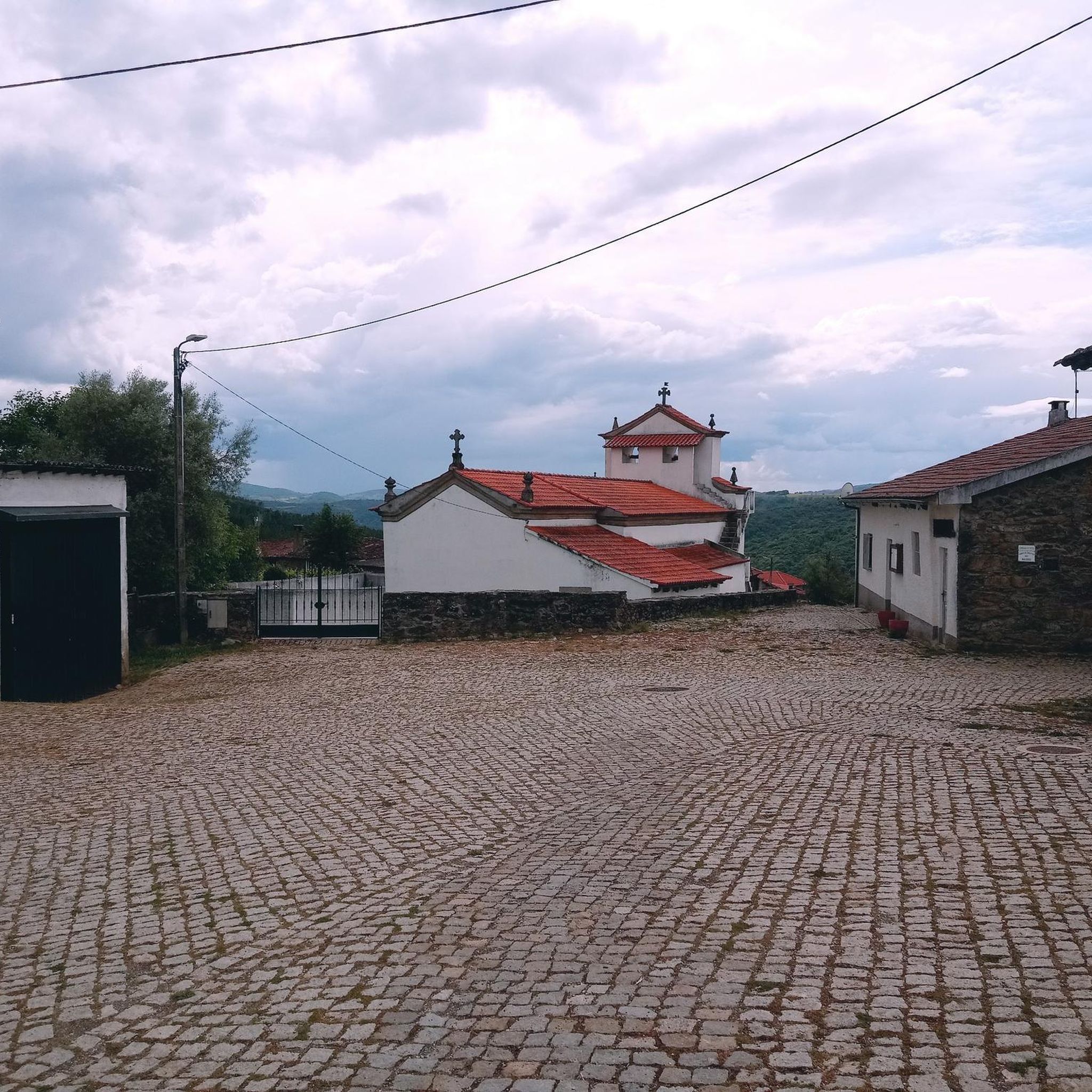
Best attractions and places to see around Gondesende, a charming village in the municipality of Bragança, Portugal, offers a blend of historical landmarks, natural beauty, and cultural insights. The village is noted for its traditional granite houses with schist stone roofs, providing a glimpse into the area's architectural heritage. Located near the Montesinho Natural Park, the region is ideal for exploring diverse landscapes and cultural practices like transhumance.
Best attractions and places to see around Gondesende
- The most popular attractions…
Last updated: August 12, 2026
Bragança Castle
Highlight • Castle
Translated by Google •
Tip by

European chestnut (Castanea sativa)
Highlight • Natural Monument
Translated by Google •
Tip by
Sign up now to discover places like this
Get recommendations on the best single tracks, peaks, & plenty of other exciting outdoor places.
Sign up for free
Biological Park of Vinhais
Highlight • Natural Monument
- Zoo
- Hiking
- Cycling
- Paintball
- Camping
...
parquebiologicodevinhais.com/en/home
Translated by Google •
Tip by

Domus Municipalis de Bragança
Highlight • Historical Site
Translated by Google •
Tip by
Miniature Park of Bragança
Highlight • Structure
Translated by Google •
Tip by
Sign up for free to discover even more attractions around Gondesende.
Sign up for free
Already have an account?
Start today with a free account
Your next adventure awaits.
Login or Signup


Tips from the Community

The Domus Municipalis of Bragança is one of those unparalleled treasures. It's worth visiting not only because it's a national monument, but because it's a true relic: the only example of Romanesque civil architecture in the entire Iberian Peninsula. If you enjoy history or architecture, you'll quickly understand why this building is so special: 1. An Architectural Rarity (Unique Form) While most Romanesque buildings that have survived to this day are churches or monasteries, this is a civil (non-religious) building. Even more curious is its shape: an irregular pentagon. This is not something you see every day in medieval architecture. 2. The Mysterious Dual Function Upon entering, you'll realize that the building is "two in one". This clever engineering tells a story of the city's survival: The Lower Floor (The Cistern): The building's base is a huge vaulted cistern that collected rainwater and spring water. Since Bragança (and its Citadel) is located on a hill, water was a scarce and vital resource for resisting military sieges. The Upper Floor (The "Town Hall"): Above the cistern, there is a large room with windows all around (letting in plenty of light and air). It is believed that this was where the "good men" of the council met to discuss city affairs. Imagine a medieval town hall, outdoors but covered. 3. Details Not to Be Missed The Light and the Views: As it is an open space with a gallery of arched windows all around, the light enters in a very special way, creating a photogenic environment and allowing you to see the Citadel from various angles. The Modillions (Corners): If you look closely at the cornice (the top of the walls, both inside and out), you'll see small stone sculptures called modillions or corbels. They have curious shapes, ranging from human faces to animals and geometric figures, typical of medieval imagery. It's a quick visit (you can see it in 15-20 minutes), it's free (usually), and it's literally next to the Church of Santa Maria and the Castle. In other words, there's no reason not to go in!
0
0
It's interesting and unusual to find yourself in that place.
1
0
Bragança Castle, located in northeastern Portugal, is one of the most impressive and well-preserved medieval castles in the country. Keep: At 33 meters high, it is one of the most imposing in Portugal. Inside, it houses the Bragança Military Museum, where you can see a vast collection of light weaponry, from the 12th century to the First World War. From the top of the tower, there is a breathtaking view over the old city, the new part of Bragança, and the surrounding mountains (Montesinho, Sanábria). The Princess Tower is an old residential outbuilding (Alcáçova Tower) famous for a tragic love legend. In the citadel, you can stroll through the streets within the walls, where the medieval atmosphere remains almost intact.
3
0

The Vinhais Biological Park is a protected natural area and conservation center located in the municipality of Vinhais, in northern Portugal, within the Montesinho Natural Park. This park plays an important role in the conservation of local biodiversity and in the promotion of environmental education.
0
0

Located in the heart of the Montesinho Natural Park, the Vinhais Biological Park invites you to discover the local landscape in all its forms, from fauna and flora to geology, culture and history. A space dedicated to conservation, biodiversity and ecotourism.
1
0

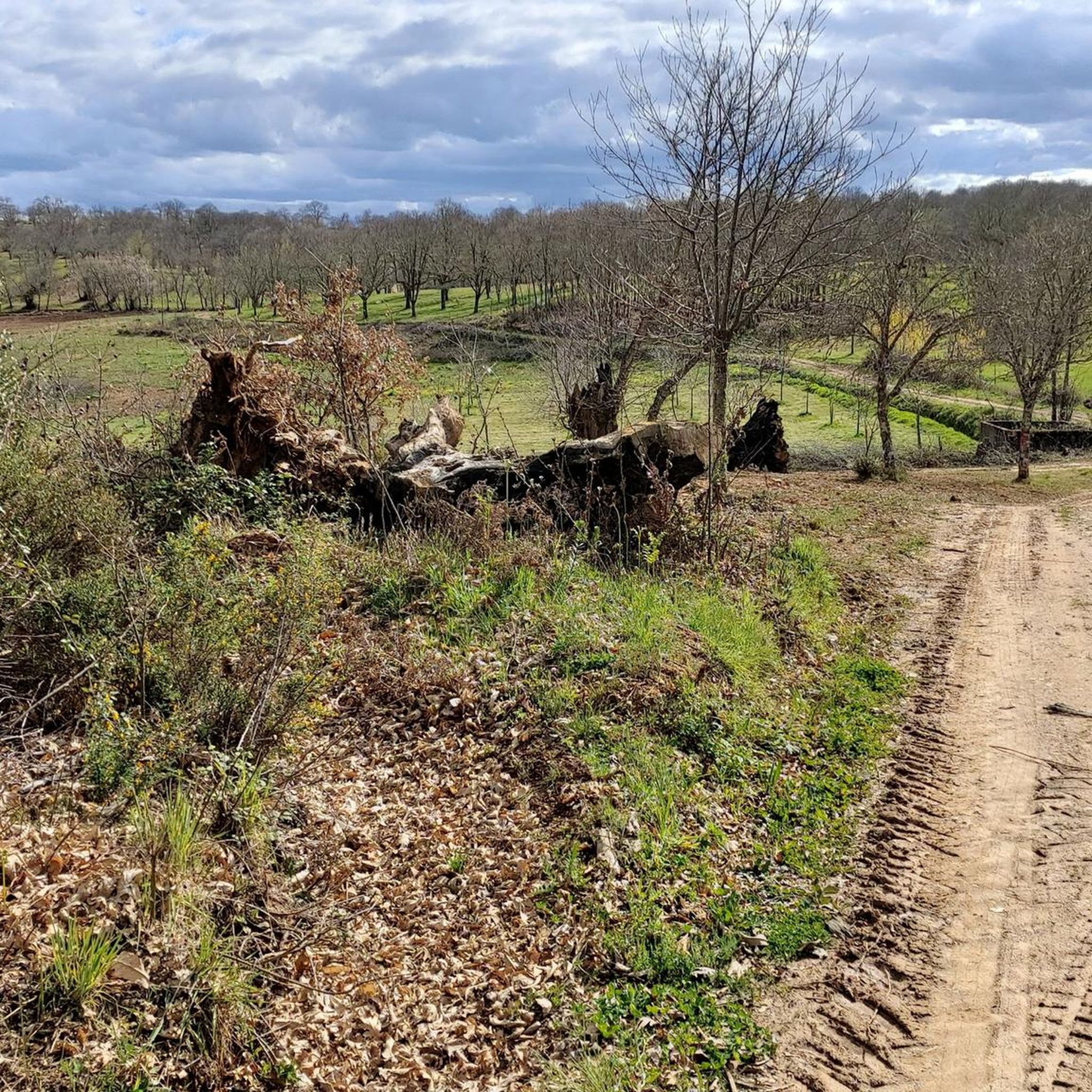
Considered the “bread tree” in the regions north of the Tagus, the chestnut tree was the staple food before the arrival of the potato and the main source of carbohydrates in the north of the Iberian Peninsula. This deciduous tree can grow up to 30 to 35 metres in height and reach diameters of up to 12 metres, although the trunk becomes hollow as the tree ages. It is very long-lived and can live for over a thousand years. The European chestnut tree (Castanea sativa Miller) belongs to the Castanea genus and the Fagaceae family, the same family that includes cork oaks and oaks in general. The genus includes 12 to 13 species, five of which are of Asian origin and seven of which are North American. The common chestnut tree is the only one native to Europe. This is a tree that managed to survive the last glacial period (Würms glaciation) in some parts of central and Mediterranean Europe and is currently found all over the world, including North and South America and Australia. Several studies indicate that the natural distribution of the European chestnut tree corresponds to these refuge zones, where it remained during the glacial events. These areas later served as starting points for the colonization of other regions, before humanity dedicated itself to cultivating the species. One of these refuges is located in the Picos de Europa region and another between the south of Galicia and the north of Portugal, which is why the chestnut tree is considered an indigenous or native species of our country. The chestnut tree grows well in temperate climates and the ideal conditions for its development are found in places with average temperature and humidity, where rainfall reaches at least 600 mm per year – more than 100 mm in the summer. It is, however, sensitive to late frosts and very low temperatures. It prefers soils at least 50 cm deep, loose and rich in nutrients, slightly acidic (pH between 4.5 and 6.5) and not calcareous. Although it can grow in less suitable conditions, it develops and produces best in coastal or mountainous areas, at medium altitude, with hot and humid summers and mild winters.
2
0
A small private space where a local resident has given free rein to his imagination and built small replicas of famous monuments from around the world. This is a magnificent work of art and don't forget to leave a small donation so that this space can continue to grow and amaze visitors who pass by...
5
0
The Biologic Park of Vinhais is a public facility installed by the Municipality of Vinhais, in the heart of the Montesinho Natural Park, more precisely in the old forest nursery of Vidoeira, in Prada, in the parish of Vila Verde, just 3 km from the village of Vinhais. The project of the Biologic Park of Vinhais was a pioneer with regard to the Trás-Os-Montes region, it was inaugurated on May 16th of 2008, and its main objectives are: Divulge of the Nature and Landscape of the Montesinho Natural Park; Environmental Education; Conservation of Nature and Biodiversity; Ecotourism
1
0
Frequently Asked Questions
What historical landmarks can I explore near Gondesende?
You can visit several significant historical sites. The most prominent is Bragança Castle, a well-preserved medieval fortress with 23 towers and a Military Museum. Another notable site is the Domus Municipalis de Bragança, a unique 12th-century Romanesque civil building that once served as the town hall. Don't miss the curious Modillions (stone sculptures) found on buildings near the castle and Church of Santa Maria, offering a glimpse into medieval artistry.
Are there natural attractions or parks to visit around Gondesende?
Yes, the region is rich in natural beauty. The Biological Park of Vinhais, located within the Montesinho Natural Park, is a conservation center focused on the local landscape, fauna, and flora, offering opportunities for ecotourism. You can also discover ancient European chestnut trees (Castanea sativa), some over a thousand years old, which are considered a natural monument and were historically vital to the region.
What outdoor activities are available near Gondesende?
The area around Gondesende is excellent for outdoor enthusiasts. You can find numerous routes for hiking and cycling, especially within the Montesinho Natural Park. There are trails suitable for various fitness levels, including easy hikes like the 'Castanheiro Orchard – Gondesende loop'.
Are there any family-friendly attractions in the area?
Families will enjoy the Biological Park of Vinhais, which offers a variety of activities including a zoo, hiking, and cycling. Another unique option is the Miniature Park of Bragança, a private space showcasing replicas of famous monuments, which can be a delightful stop for all ages.
What makes Gondesende village unique?
Gondesende itself is known for its traditional granite houses with schist stone roofs, offering a glimpse into the area's architectural heritage. It's also one of the picturesque villages where the traditional practice of transhumance (seasonal movement of livestock) continues, providing a unique cultural experience.
Can I get panoramic views of the region?
Absolutely. From the Keep of Bragança Castle, you can ascend to the crenellated terrace for breathtaking panoramic views. You'll see the old city, the new part of Bragança, and the surrounding mountain ranges, including Nogueira, Montesinho, Coroa, and the peaks of Sanábria.
What is the significance of the European chestnut trees in this region?
The European chestnut (Castanea sativa) is considered the “bread tree” of the regions north of the Tagus. Before potatoes, chestnuts were a staple food and the main source of carbohydrates. These long-lived deciduous trees, some over a thousand years old, represent a significant part of the area's natural heritage and played a crucial role in local history and diet.
What is the Montesinho Natural Park and what can I do there?
Montesinho Natural Park is a protected natural area vital for conserving local biodiversity and promoting environmental education. Its diverse landscape includes forests, woods (with oak and chestnut plantations), and areas for mixed farming. It's an ideal spot for hiking and cycling, with numerous hidden gems to explore within its vast expanse.
What is the Domus Municipalis de Bragança?
The Domus Municipalis de Bragança is a rare 12th-century Romanesque building, unique in the Iberian Peninsula for being a civil (non-religious) structure of that period. It features an unusual pentagonal shape and a dual function: its lower floor served as a cistern to collect water during sieges, while the upper floor was used as the town hall. It's a quick, free, and insightful visit into medieval architecture and city life.
What do visitors particularly enjoy about the attractions near Gondesende?
Visitors appreciate the blend of history and nature. The panoramic views from Bragança Castle are highly praised, as is the opportunity to explore the diverse landscapes and conservation efforts at the Biological Park of Vinhais. The historical significance of sites like the Domus Municipalis and the ancient chestnut trees also captivate many.
Are there any easy hiking trails suitable for a relaxed walk?
Yes, for those seeking easier walks, there are several options. You can find trails like the 'Castanheiro Orchard – Gondesende loop' which is rated as easy. For more choices, explore the easy hikes around Gondesende guide, which includes routes like the 'Prada Dam Trail' and loops around Bragança Castle.
Most popular attractions around Gondesende

Get inspired with the komoot mobile app


Explore more
Still not found the Highlight you’re looking for? See guides of the top attractions in other regions:
