Attractions and Places To See around Bruçó - Top 19
Best attractions and places to see around Bruçó, a village within the municipality of Mogadouro, Portugal, are characterized by their integration into the Parque Natural do Douro Internacional. This region features dramatic cliffs and deep river valleys, alongside historical sites. Bruçó offers a blend of natural landscapes and cultural heritage, making it a destination for outdoor exploration and historical discovery.
Best attractions and places to see around Bruçó
- The most popular attractions is Pozo de los Humos Waterfall, a…
Last updated: October 4, 2026
Pozo de los Humos Waterfall
Highlight • Waterfall
Translated by Google •
Tip by

Cascada de Pinero
Highlight • Waterfall
Translated by Google •
Tip by
Sign up now to discover places like this
Get recommendations on the best single tracks, peaks, & plenty of other exciting outdoor places.
Picón de Felipe Viewpoint
Highlight • Viewpoint
Translated by Google •
Tip by

Rupurapay Viewpoint
Highlight • Viewpoint
Translated by Google •
Tip by
Friar's Viewpoint
Highlight • Viewpoint
Translated by Google •
Tip by
Sign up for free to discover even more attractions around Bruçó.
Already have an account?
Start today with a free account
Your next adventure awaits.


Tips from the Community

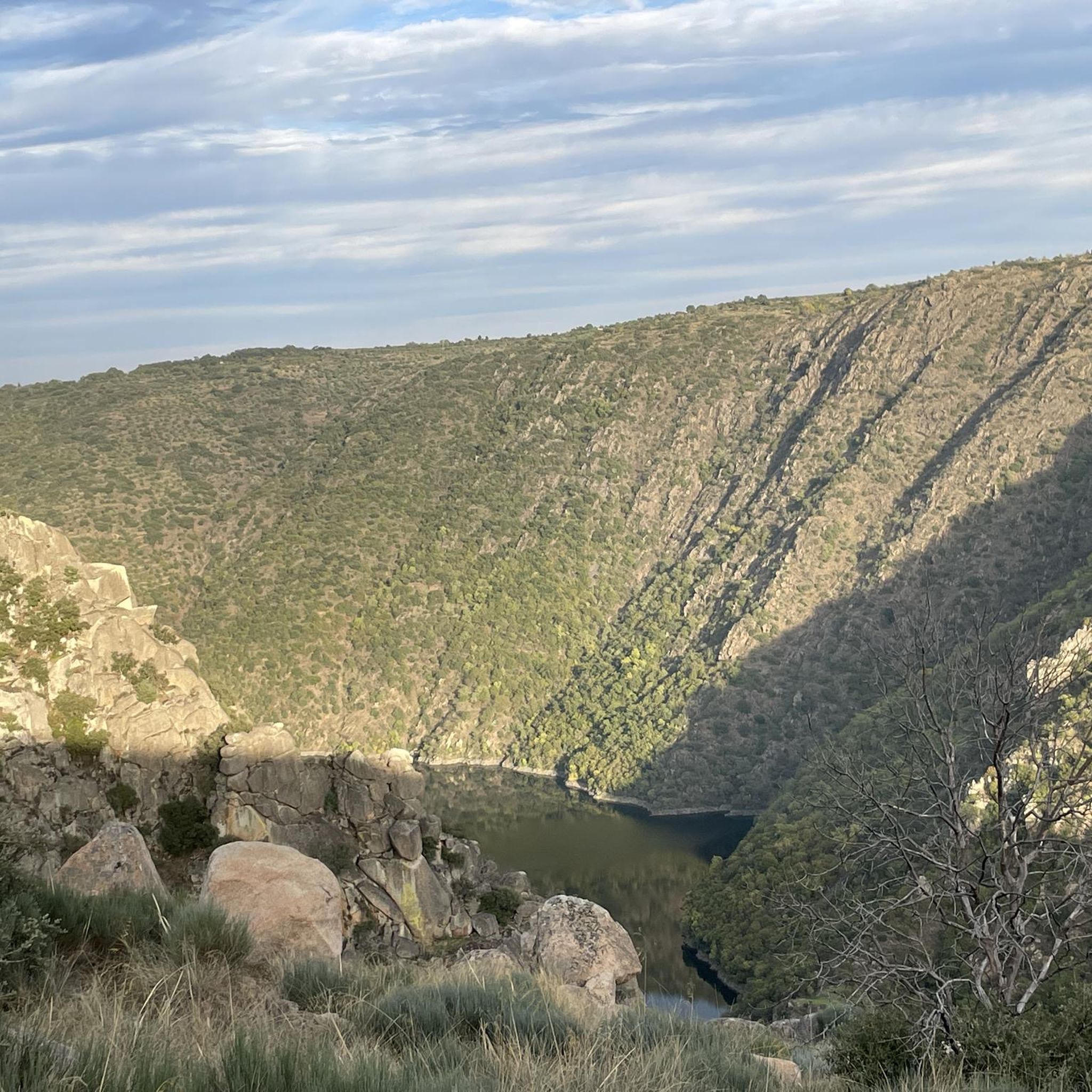
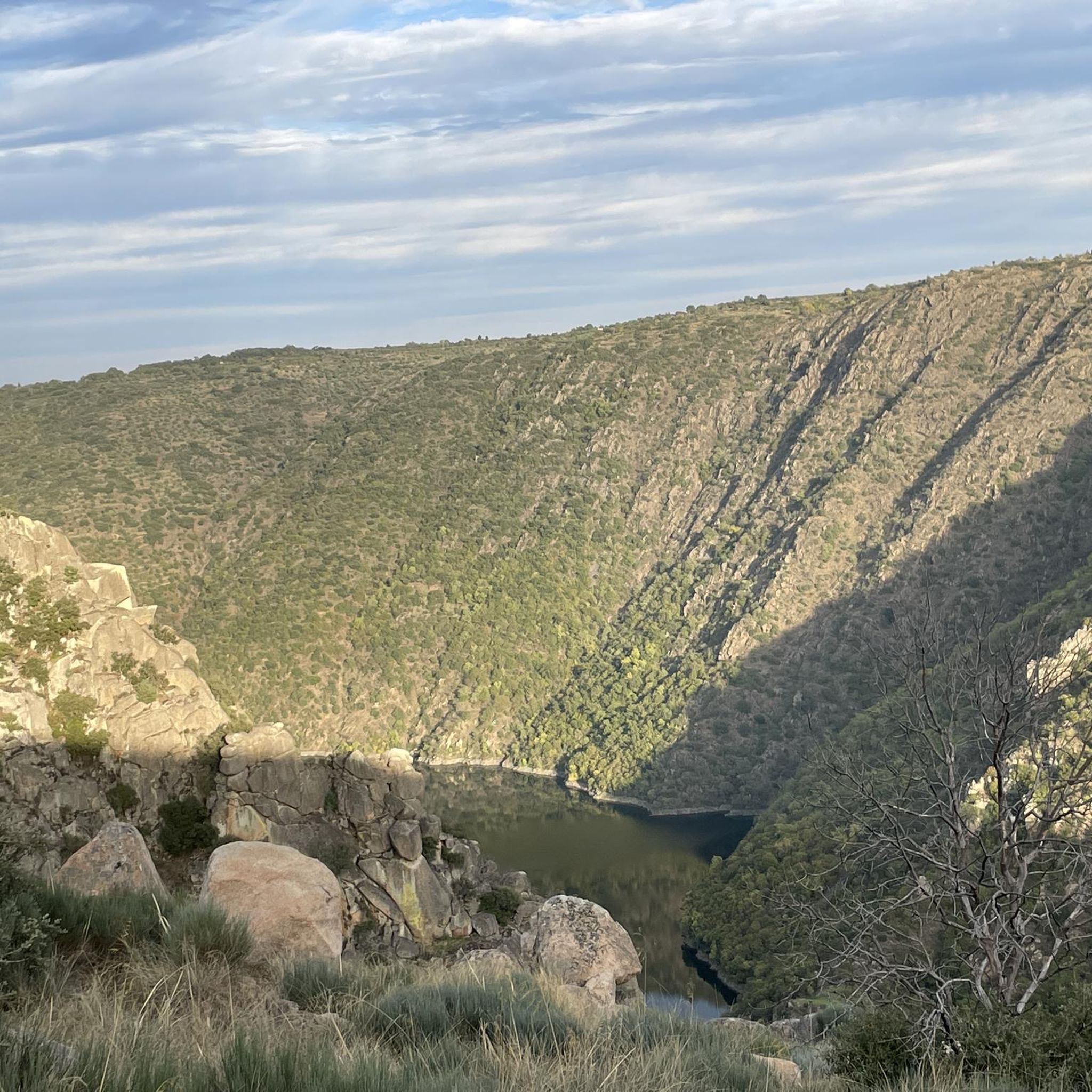
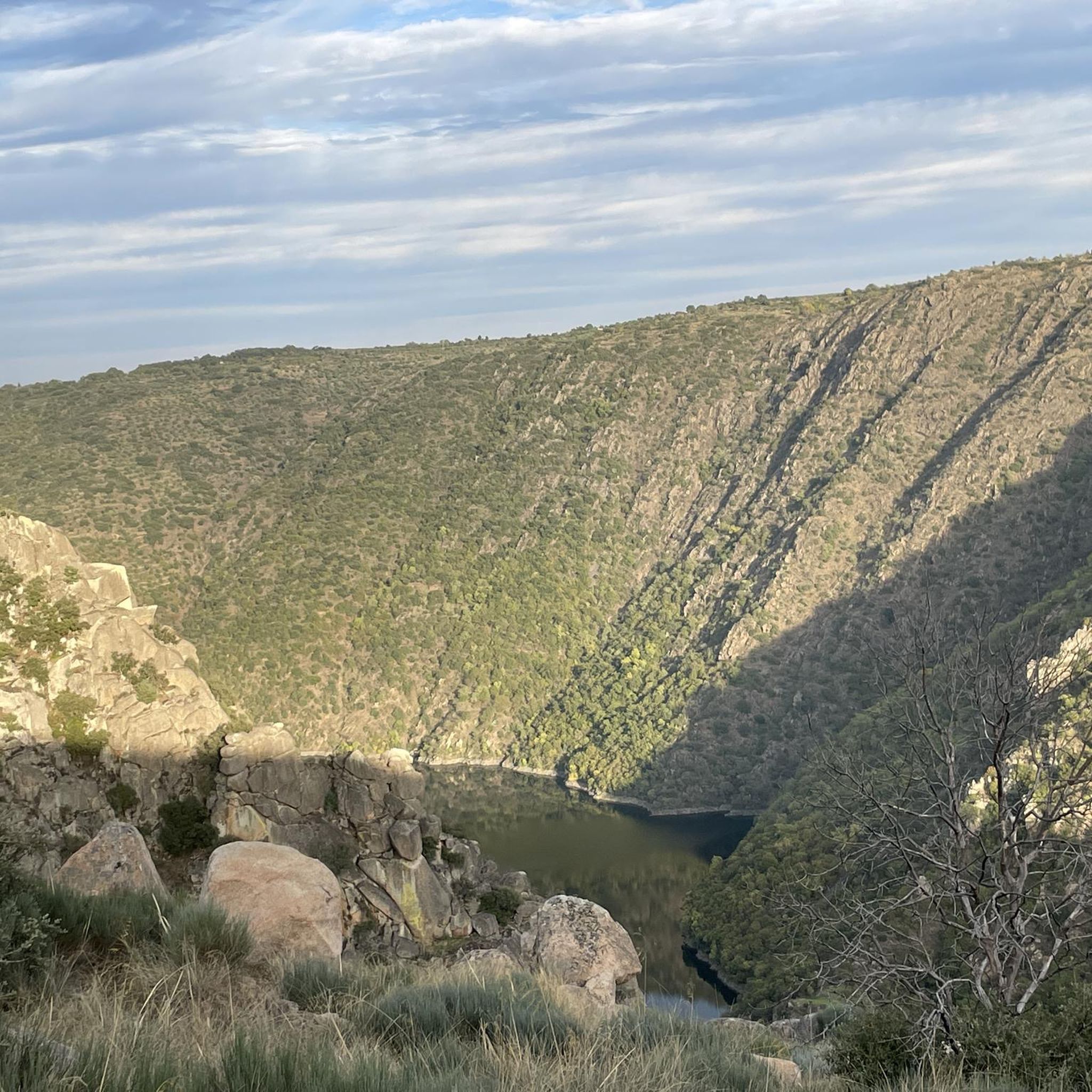
The Mirador de Rupurupay is located in Aldeadávila de la Ribera, in the province of Salamanca, Castilla y León. This viewpoint offers stunning views of the Duero River and is an ideal starting point for exploring the Cascada del Remolino. The route to the viewpoint is quite accessible and takes approximately 3 hours and 40 minutes, with a distance of 9.4 km. It is a perfect excursion to enjoy nature and the characteristic landscape of the area, including the exploitation of olive and almond trees on terraces.
2
0
The Pozo de los Humos is an impressive waterfall located in the province of Salamanca, in the autonomous community of Castilla y León, Spain. This waterfall is located on the Uces River and is known for its spectacular waterfall of about 50 meters high, especially impressive during the rainy season. 😊
6
0

It has a free parking lot 🅿️ it is all downhill on easy asphalt to the viewpoint.
0
0
You can get there by car 🚗 to the parking lot where the route starts. It is very short for everyone.
0
0

A great vantage point! The view of the Duero and Portugal on the opposite side is very impressive from this spot!
1
0
It is worth taking a look at the El pozo de los Humos waterfall. There are many different views and the area near the waterfall is very nicely designed for visitors. You can also take a circular walk from Masueco: towards the car park to the Pozo and then back to the village via a narrow hiking trail.
1
0

Visit when the Uces River has water. Autumn Winter.
1
0
Good views of the Duero River, it is impressive to see so much flow.
0
0
Frequently Asked Questions
What natural landmarks and viewpoints can I explore near Bruçó?
The region around Bruçó, particularly within the International Douro Natural Park, is rich in natural beauty. You can visit the impressive Pozo de los Humos Waterfall, known for its spectacular 50-meter drop, and its corresponding Pozo de los Humos Viewpoint. Other notable viewpoints include Fraga do Sapato, Fraga do Poio, Foz do Azibo, Serra da Castanheira, and Penedo Durão, all offering stunning vistas of the dramatic cliffs and river valleys. Don't miss the unique natural rock formation of Faia da Opa with its natural pool.
Are there any historical or cultural sites worth visiting in and around Bruçó?
Yes, Bruçó and the surrounding Mogadouro municipality are steeped in history. Explore the remnants of the ancient Castro of Bruçó (Castelo dos Mouros), believed to be the village's origin. In Mogadouro, you can visit the medieval Mogadouro Castle and Clock Tower, a former Templar stronghold, and the historic Pillory of Mogadouro. Other significant sites include the Igreja Matriz of Bruçó, the Romanesque Church of Azinhoso, and the Church and Convent of São Francisco in Mogadouro. The Mogadouro Archaeology Museum also houses artifacts from the Neolithic period to Roman times.
What kind of outdoor activities, like hiking, are available near Bruçó?
Bruçó is an excellent base for outdoor activities, especially hiking, within the International Douro Natural Park. You can find various trails, including the 'Pão' (Bread) and 'Azeite' (Olive Oil) Trails that showcase traditional agricultural practices. For specific routes, consider exploring options like the 'Trilho do Castro e do Contrabando (PR 6)' which is an easy 5.6 km hike, or the 'Rupurapay Viewpoint Trail' which is a moderate 6.9 km route. You can find more hiking options on the Hiking around Bruçó guide page.
When is the best time to visit Bruçó to see the waterfalls at their fullest?
To experience the waterfalls, such as the Pozo de los Humos Waterfall and Cascada de Pinero, at their most impressive, the best viewing period is typically during the rainy season, from December to May. During these months, the Uces River and other watercourses are at higher levels, creating a more spectacular flow.
Are there any family-friendly attractions or activities around Bruçó?
Yes, several attractions are suitable for families. The Rupurapay Viewpoint offers beautiful panoramic views of the Duero River and is considered family-friendly, with an accessible path. Exploring the 'Pão' and 'Azeite' Trails can also be an engaging way for families to learn about local traditions. Many of the natural viewpoints and easier hiking trails in the International Douro Natural Park are also suitable for families.
Can I find any wheelchair-accessible attractions near Bruçó?
Yes, the Friar's Viewpoint is noted for its wheelchair accessibility. It offers amazing views of the Duero canyon and can be reached by car, with a free parking lot and an easy asphalt path leading down to the viewpoint.
What are some unique cultural traditions or local products in Bruçó?
Bruçó maintains several rich cultural traditions. The region is known for its 'Pão' (Bread) and 'Azeite' (Olive Oil) Trails, highlighting traditional agricultural practices and local produce. You can also find centenarian chestnut trees and 'soutos' (chestnut groves). Local handicrafts like linen spinning and weaving, the production of 'ceiras' (traditional straw mats), and lace and embroidery are still practiced by some artisans. The village also celebrates annual festivals such as Divino Espírito Santo and Festa dos Velhos.
Are there opportunities for cycling near Bruçó?
Absolutely! The area around Bruçó offers various road cycling routes that allow you to explore the scenic landscapes, including parts of the International Douro Natural Park. Routes range from easy to difficult, such as the 'Mogadouro and Bruçó Almond Tree Circular Route' (moderate, 43 km) or the more challenging 'From Castelo de Mogadouro to the viewpoint of Carrascalinho' (difficult, 74 km). More cycling options can be found on the Road Cycling Routes around Bruçó guide page.
What archaeological findings can be seen in the Bruçó area?
The region has a rich archaeological heritage. The Castro of Bruçó itself has remnants of a medieval defensive complex with archaeological findings suggesting a battle and a necropolis. Further insights into the area's past, from the Neolithic period to Roman occupation, can be gained by visiting the Mogadouro Archaeology Museum (Sala Museu de Arqueologia).
Are there any specific tips for visiting the Pozo de los Humos Waterfall?
When visiting the Pozo de los Humos Waterfall, it's highly recommended to go between December and May to see it at its most powerful. The waterfall is located on the Uces River, and its flow is most impressive during the rainy season. You can view it from both banks of the Uces River canyon, with the Pozo de los Humos Viewpoint offering excellent perspectives.
What is the International Douro Natural Park and how does it relate to Bruçó?
The International Douro Natural Park is a protected area renowned for its dramatic 'arribas' (steep cliffs and escarpments) that form the border between Portugal and Spain along the Douro River. Bruçó is situated within this park, making it an ideal location to experience the park's unique landscapes, deep valleys, and canyons, which are vital nesting grounds for various birds, including birds of prey. Many of the natural attractions and trails mentioned are part of this park.
Are there any unique rock formations or natural pools in the area?
Yes, the region features some interesting natural formations. One notable example is Faia da Opa, a unique natural rock formation that includes a natural pool carved by nature. This offers a distinctive natural sight within the landscape around Bruçó.
Most popular attractions around Bruçó

Get inspired with the komoot mobile app


Explore more
Still not found the Highlight you’re looking for? See guides of the top attractions in other regions:
