Attractions and Places To See around Castelo Branco - Top 19
Best attractions and places to see around Castelo Branco, a city in central Portugal, offers a diverse range of cultural heritage and natural beauty. The region features historic landmarks, serene gardens, and engaging museums. Its landscape includes the Tagus River and its tributaries, alongside natural parks and historical villages. Visitors can explore a variety of sites, from ancient castles to modern cultural centers.
Best attractions and places to see around Castelo Branco
- The most popular attractions is View of Mogadouro Castle, a castle that is located in the Trás-os-Montes region in northern Portugal. This castle has a rich history, having been built by the Knights Templar in the 12th century.
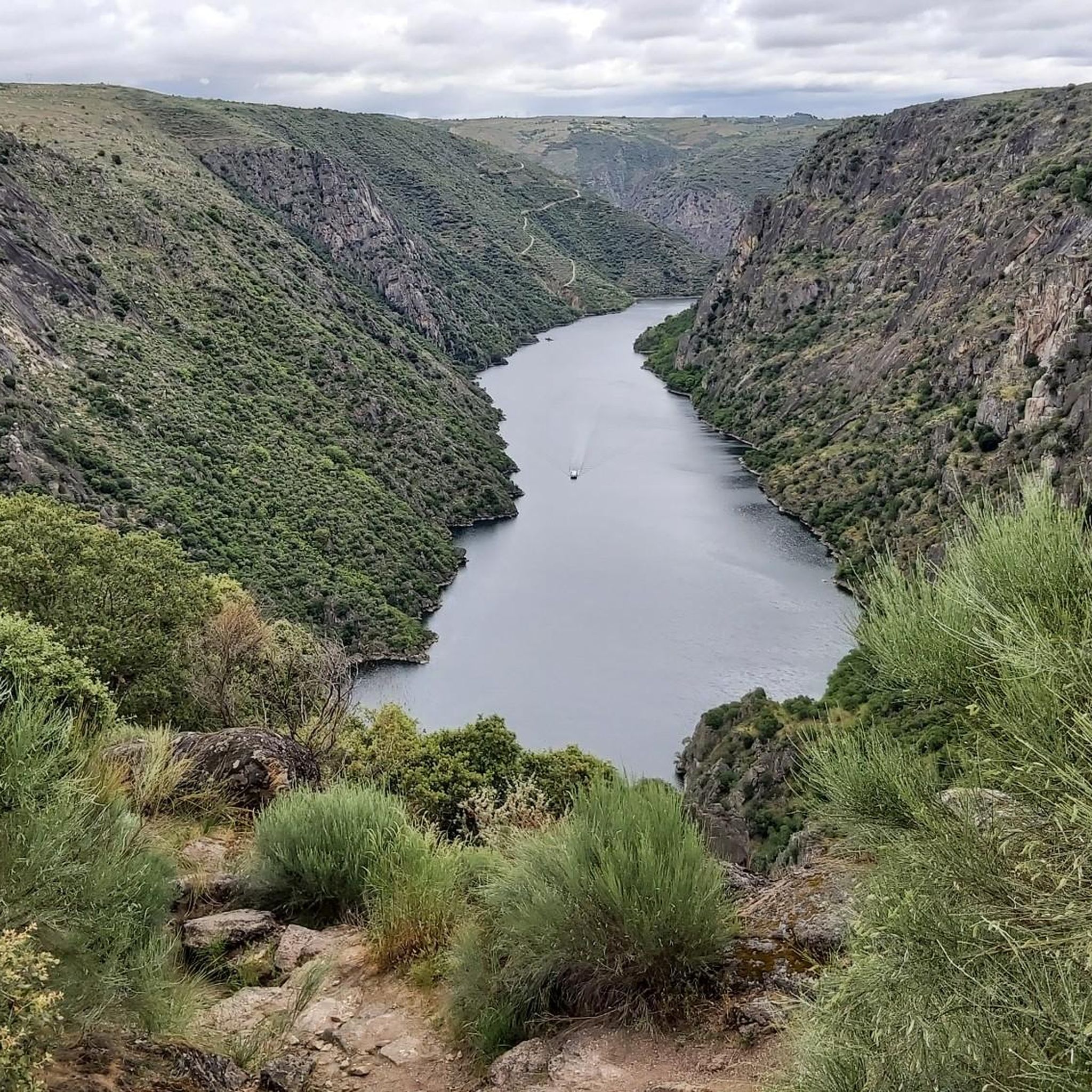
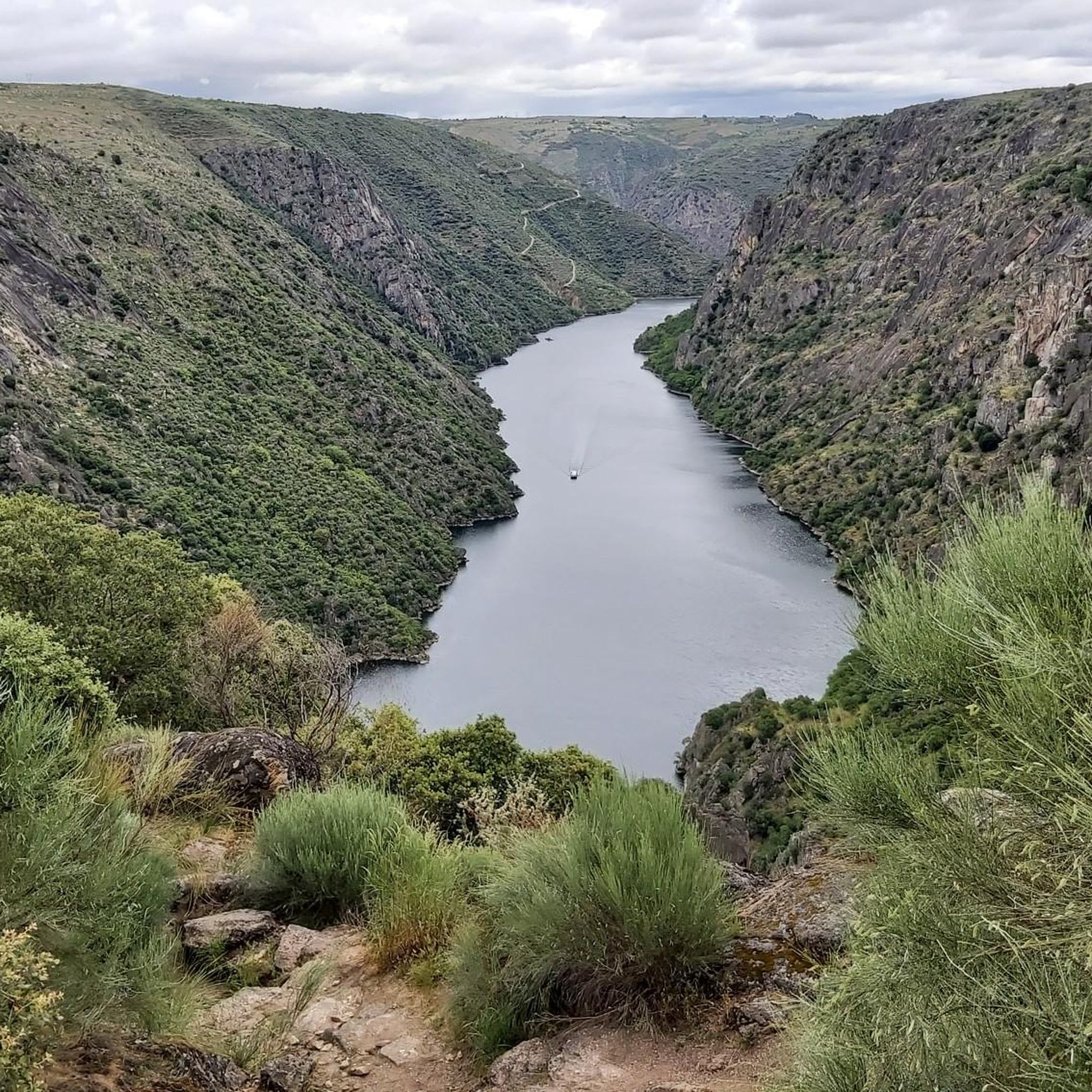
- Another must-see spot is Friar's Viewpoint, a viewpoint offering views of the Duero canyon as it passes through the Salamanca region. Visitors can reach this location by car or via paths from Aldeadávila de la Ribera or Mieza.
- Visitors also love Rupurapay Viewpoint, a panoramic point with views of the banks of the Duero on arrival at the Saucelle reservoir. It is reached from Aldeadávila de la Ribera following a path without technical difficulty.
- Castelo Branco is known for its historic landmarks, cultural sites, and natural features. The region offers a variety of attractions to see and explore, including gardens, museums, and natural parks.
- The attractions around Castelo Branco are appreciated by the komoot community, with 6 upvotes and 8 photos shared by visitors.
Last updated: July 1, 2026
Picón de Felipe Viewpoint
Highlight • Viewpoint
Translated by Google •
Tip by

Rupurapay Viewpoint
Highlight • Viewpoint
Translated by Google •
Tip by
Sign up now to discover places like this
Get recommendations on the best single tracks, peaks, & plenty of other exciting outdoor places.
Sign up for free
Friar's Viewpoint
Highlight • Viewpoint
Translated by Google •
Tip by
View of Mogadouro Castle
Highlight • Castle
Translated by Google •
Tip by

Sabor Greenway: Carviçais–Torre de Moncorvo
Highlight (Segment) • Cycleway
Tip by

Sign up for free to discover even more attractions around Castelo Branco.
Sign up for free
Already have an account?
Start today with a free account
Your next adventure awaits.
Login or Signup
Popular around Castelo Branco

Tips from the Community

The Mirador de Rupurupay is located in Aldeadávila de la Ribera, in the province of Salamanca, Castilla y León. This viewpoint offers stunning views of the Duero River and is an ideal starting point for exploring the Cascada del Remolino. The route to the viewpoint is quite accessible and takes approximately 3 hours and 40 minutes, with a distance of 9.4 km. It is a perfect excursion to enjoy nature and the characteristic landscape of the area, including the exploitation of olive and almond trees on terraces.
2
0

It has a free parking lot 🅿️ it is all downhill on easy asphalt to the viewpoint.
0
0
You can get there by car 🚗 to the parking lot where the route starts. It is very short for everyone.
0
0

A great vantage point! The view of the Duero and Portugal on the opposite side is very impressive from this spot!
1
0
Mogadouro Castle is located in the Trás-os-Montes region in northern Portugal. This castle has a rich history, having been built by the Knights Templar in the 12th century and later passed into the hands of the Order of Christ. Although only a few sections of the wall and a tower remain today, it remains a place of great historical and cultural interest.
8
0

Good views of the Duero River, it is impressive to see so much flow.
0
0

The pride of Mougadouro, the impressive castle with outbuildings and thick walls can be admired from afar.
5
1

Nice path, beautiful view. Be sure to look up at the circling vultures, which sometimes appear very low
1
0
Frequently Asked Questions
What natural features and viewpoints can I explore around Castelo Branco?
The region offers stunning natural beauty and panoramic views. You can visit the Friar's Viewpoint or Rupurapay Viewpoint, both offering impressive vistas of the Duero canyon. The Tejo Internacional Natural Park, south of Castelo Branco, is also excellent for bird watching and exploring unique geological formations. Within the city, Barrocal Park provides opportunities for walks and enjoying nature.
Are there historical sites or castles to visit in the Castelo Branco area?
Yes, Castelo Branco is rich in history. You can explore the vestiges of the 13th-century Knights' Templar Castle (Castelo Branco Castle) for panoramic city views. Further afield, the View of Mogadouro Castle, built by the Knights Templar, is another significant historical landmark. Don't miss the ancient Castro of Vilarinho dos Galegos, also known as Castelo dos Mouros, which offers a natural viewpoint over juniper-covered hillsides.
What cultural attractions and museums does Castelo Branco offer?
Castelo Branco boasts several cultural sites. The Bishop's Palace houses the Francisco Tavares Proença Júnior Museum, known for its archaeological artifacts, art, and traditional silk-embroidered bedspreads. The Garden of the Bishop's Palace is a beautiful Baroque garden with fountains and the notable 'Steps of the Kings'. You can also visit the Cargaleiro Museum, dedicated to a renowned Portuguese artist, or the Centre for Contemporary Culture for modern art exhibitions.
Can I find family-friendly attractions or activities in Castelo Branco?
Absolutely. Many of the viewpoints, such as Rupurapay Viewpoint, are described as ideal for families due to their accessible paths. The City Park (Parque da Cidade), also known as the Laurel Garden, offers a vast leisure space with fountains and gardens perfect for a family outing. The Castelo Branco Beach Pool is also a great option for families to cool off during warmer months.
Are there opportunities for hiking or outdoor activities near Castelo Branco?
Yes, the region around Castelo Branco is excellent for outdoor enthusiasts. You can find various hiking routes, including easy trails like the 'Trilho do Castro e do Contrabando (PR 6)' in the Parque Natural do Douro Internacional. For more options, explore the hiking guide around Castelo Branco, which features routes of varying difficulties.
What is the best time of year to visit Castelo Branco for sightseeing and outdoor activities?
Spring (April to June) and early autumn (September to October) are generally ideal. During these periods, the weather is pleasant for exploring historical sites, gardens, and enjoying outdoor activities like hiking, without the intense heat of summer or the cooler temperatures of winter.
Is Castelo Branco accessible for visitors with mobility needs?
Some attractions offer good accessibility. For instance, the Friar's Viewpoint is noted for having a free parking lot and an easy asphalt path downhill to the viewpoint, making it wheelchair accessible. When planning your visit, it's advisable to check specific accessibility details for other sites.
Where can I experience the local history of the Jewish community in Castelo Branco?
You can visit the House of Remembrance of the Jewish Presence in Castelo Branco. This site tells the story of the Jewish community that has been part of the city's history since at least the 14th century, offering insights into their heritage and contributions to the region.
What traditional crafts or local products can I learn about in Castelo Branco?
Castelo Branco is particularly known for its distinctive hand-embroidered linen quilts, called 'colchas'. You can learn about and witness the creation of this traditional handicraft at the Castelo Branco Embroidery Interpretation Centre, which offers a unique cultural experience.
Are there any notable villages or towns to visit near Castelo Branco?
Yes, the region surrounding Castelo Branco is home to unique historical villages. Monsanto, often called 'the most Portuguese village in Portugal,' is famous for its houses built among giant boulders and its Templar castle ruins. Idanha-a-Velha is another historical village worth exploring for its ancient charm.
What kind of cycling routes are available around Castelo Branco?
Cyclists can find a variety of routes, including road cycling and mountain biking trails. The Sabor Greenway: Carviçais–Torre de Moncorvo is an ecopista (old railway converted into a greenpath) suitable for cycling. For more detailed options, check out the road cycling guide or the MTB trails guide around Castelo Branco.
What do visitors particularly enjoy about the attractions near Castelo Branco?
Visitors frequently praise the impressive views from viewpoints like Friar's Viewpoint and Rupurapay Viewpoint, especially the Duero canyon. The historical significance of sites like the View of Mogadouro Castle and the ancient Castro of Vilarinho dos Galegos also leaves a lasting impression, with many appreciating the blend of nature and history.
Most popular routes around Castelo Branco
Most popular attractions around Castelo Branco

Get inspired with the komoot mobile app


Explore more
Still not found the Highlight you’re looking for? See guides of the top attractions in other regions:
