Attractions and Places To See around Lousa - Top 20
Attractions and places to see around Lousa include a blend of historical sites and natural landscapes in central Portugal. The region is characterized by the Serra da Lousã mountain range, traditional schist villages, and river valleys. Visitors can explore ancient fortresses, cultural museums, and scenic viewpoints. The area offers diverse opportunities for outdoor activities and cultural exploration.
Best attractions and places to see around Lousa
- The most popular attractions is Côa Museum, a historical site that provides insight into…
Last updated: August 26, 2026
Côa Museum
Highlight • Historical Site
Translated by Google •
Tip by

Old Douro Railway Bridge
Highlight • Bridge
Translated by Google •
Tip by

Sign up now to discover places like this
Get recommendations on the best single tracks, peaks, & plenty of other exciting outdoor places.
Sign up for free
Ruins of the Pocinho Railway District 🇵🇹
Highlight • Historical Site
Translated by Google •
Tip by

Sabor Greenway: Carviçais–Torre de Moncorvo
Highlight (Segment) • Cycleway
Tip by

End of N222 in Almendra
Highlight (Segment) • Trail
Tip by

Sign up for free to discover even more attractions around Lousa.
Sign up for free
Already have an account?
Start today with a free account
Your next adventure awaits.
Login or Signup

Tips from the Community

The Pocinho Road-Railway Bridge, also known as the Pocinho Bridge, is a road-rail infrastructure of the Linha do Sabor, which crosses the Douro River in the Municipality of Vila Nova de Foz Côa, in Portugal; it is closed to service, for both types of traffic. The construction of a bridge at this location, with two superimposed decks, was foreseen by the Plan of the Complementary Network North of Mondego, dated February 15, 1900.
0
0

Pocinho is a village in the municipality of Vila Nova de Foz Côa, located on the left bank of the Douro River. Its railway station is the current terminus of the Linha do Douro. The small town developed with the construction of the station in the 19th century, which served as a warehouse for goods such as minerals and agricultural products. The Pocinho Dam is located next to the village, which currently provides a road connection between the districts of Guarda and Bragança. Places to visit: Pocinho Railway Station Pocinho Dam Pocinho High Performance Rowing Centre
4
0

From a distance, the building resembles a large outcrop emerging from the ground, and its facade is composed of mineral pigments in concrete, mimicking the natural irregularities of the region's metamorphic rocks. The Côa Museum does not replace a visit to the rock art sites in the Côa Valley Archaeological Park, but it is a gateway that allows visitors to discover the artistic richness of the Côa and Douro valleys. Furthermore, the museum houses the largest library in Portugal dedicated to rock art. 😊
12
0
The Côa Museum opened on July 30, 2010, and is located on one of the slopes where the Douro and Côa rivers meet. Designed by architects Camilo Rebelo and Tiago Pimentel, the museum is one of the largest in Portugal. Its design is inspired by the notion that "Paleolithic art in the Côa Valley is perhaps the earliest manifestation of 'Land art.'"
13
0

Coa Valley is the largest Paleolithic open-air museum in the world. The museum provides a nice insight with replicas and screens
7
0

This is an ecopista (old railway converted into a greenpath) on one of the most isolated regions of Portugal. The track is mostly gravel and ends in Torre de moncorvo, a nice city with all services (food, accomodation, etc).
1
0

The train ride to Pocinho is definitely worth it. The place and the bridge can safely be left out.
6
1

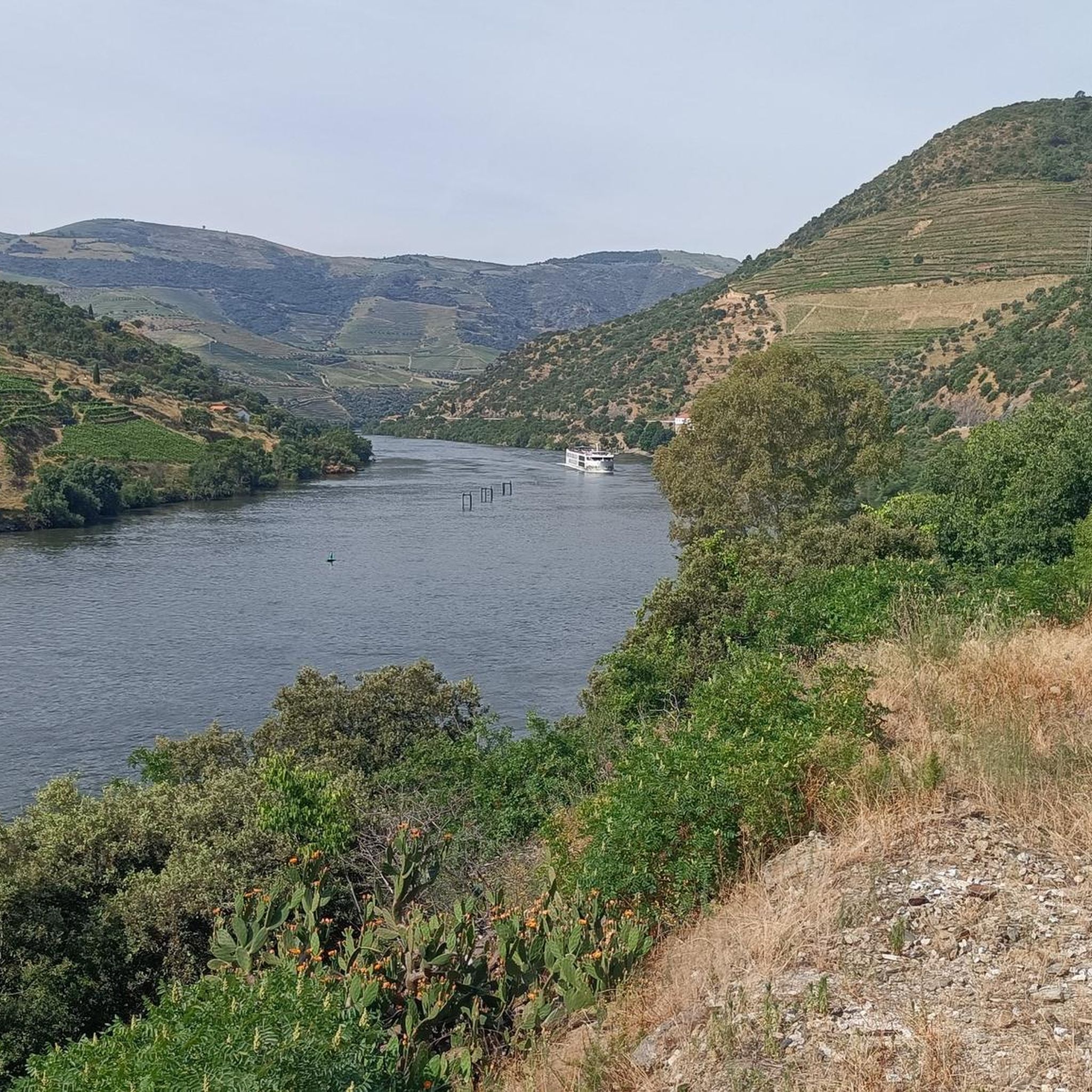
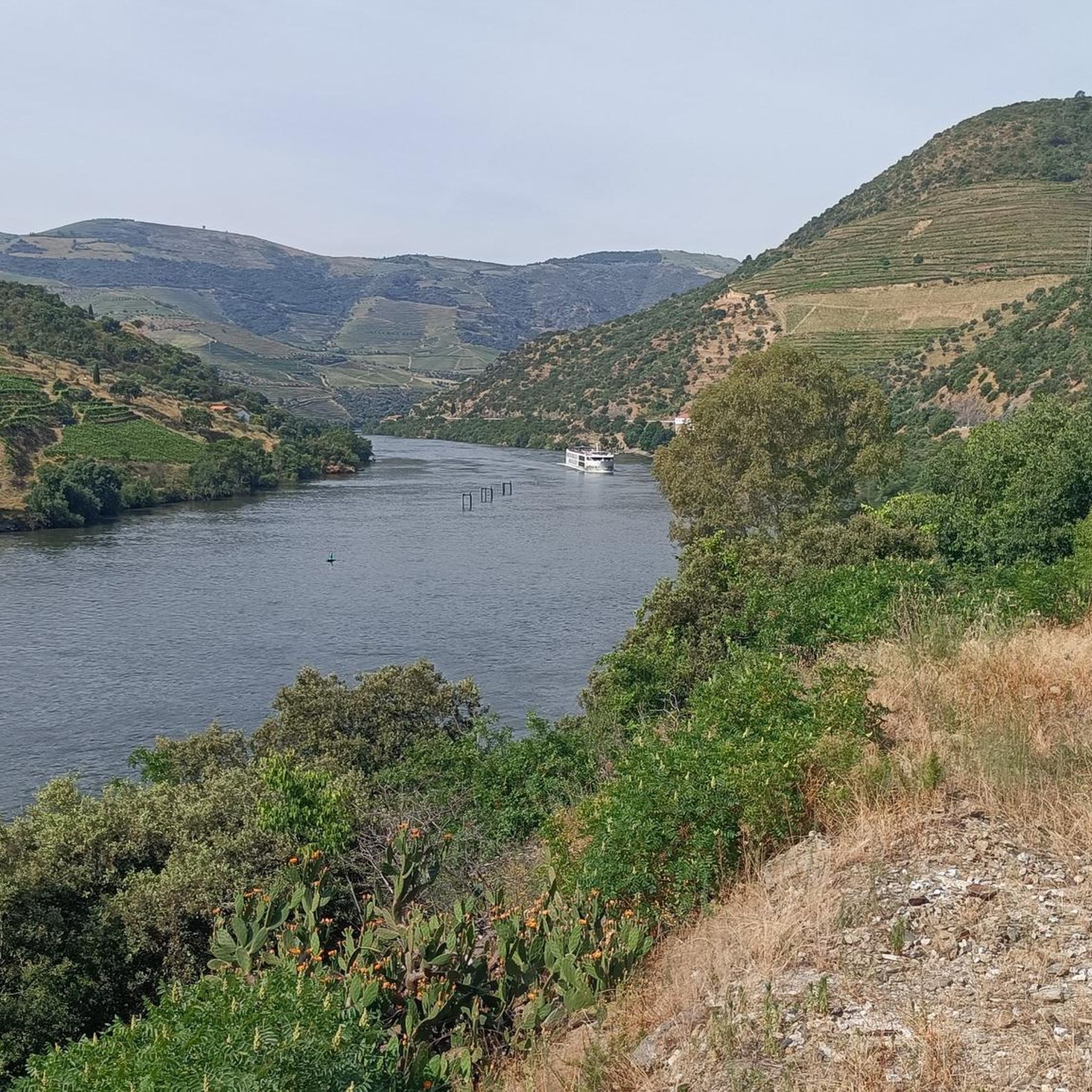
Final kilometers of N222 going along Rio Duoro. Monument at the start of N222 and Cafe in Almendra. Protected area to both sides of the road, fantastic views. Route also passes by museum with early human rock drawings.
0
0
Frequently Asked Questions
What historical sites can I explore in the Lousã region?
The Lousã region is rich in history. You can visit the medieval Castelo da Lousã, also known as the Castle of Arouce, which offers impressive views and a visitor's center. Another significant historical site is the Ruins of the Pocinho Railway District 🇵🇹, which developed around its 19th-century railway station and includes the Pocinho Dam and High Performance Rowing Centre. Don't miss the Côa Museum, a gateway to the Paleolithic rock art sites of the Côa Valley.
Are there any family-friendly attractions around Lousã?
Yes, Lousã offers several family-friendly options. The Côa Museum is designed to be engaging for all ages, providing insight into Paleolithic art. The Senhora da Piedade River Beach is a popular spot for families, especially in summer, with natural pools for swimming. The Ecological Park of Serra da Lousã is also a great choice, featuring rare animal species, a fruit tree labyrinth, and an equestrian center.
Where can I find the best panoramic views in the Lousã area?
For breathtaking panoramic views, head to the Arnozelo Viewpoint, a peaceful observation point offering wide views of the Douro River and surrounding wine-producing hillsides. Another excellent spot is Alto do Trevim, the highest point of the Serra da Lousã, which provides a 360-degree vista over the mountains and valleys and is known for its swing.
What natural features are prominent in the Lousã region?
The Serra da Lousã mountain range is a dominant natural feature, offering dense forests and diverse wildlife. The region is also known for its beautiful river beaches, such as Senhora da Piedade River Beach, with its natural pools and schist diving board, and the tranquil Bogueira and Cabril do Ceira river beaches. You can also discover the stunning Cascata da Senhora da Piedade waterfall.
Can I go hiking near the attractions in Lousã?
Absolutely! The Lousã region is crisscrossed with numerous hiking trails. You can explore routes like the Water Mills Route (PR1 LSA) or trails connecting the picturesque Schist Villages. For more specific hiking options, including easy to moderate trails, check out the hiking guide for Lousã, which features routes like the 'Côa Museum – Stairway to Douro loop'.
Are there opportunities for cycling or mountain biking in Lousã?
Yes, the Lousã area is great for cycling and mountain biking. You can ride along the Sabor Greenway: Carviçais–Torre de Moncorvo, an ecopista built on an old railway line. For more routes, including challenging mountain bike trails, explore the cycling guide for Lousã and the MTB Trails around Lousã guide.
What are the famous Schist Villages near Lousã?
Lousã is a gateway to several enchanting 'Aldeias do Xisto' or Schist Villages. These picturesque hamlets, built with local schist stone, include Talasnal, Candal, Cerdeira, Casal Novo, and Chiqueiro. They offer a glimpse into rural Portuguese life with their unique architecture, winding streets, and stunning views. Many have been restored and provide amenities like accommodation and cafes.
What is the best time of year to visit Lousã for outdoor activities?
The Serra da Lousã is beautiful year-round, but for hiking and enjoying the river beaches, late spring (May-June) and early autumn (September-October) offer pleasant temperatures and fewer crowds. Summer (July-August) is ideal for swimming at the river beaches, though it can be quite warm for strenuous hiking. Winter provides a different charm with cooler weather and potentially misty landscapes.
Are there any unique cultural experiences in Lousã?
Beyond its historical sites, Lousã offers cultural insights through its traditional Schist Villages and the Museu Etnográfico Dr. Louzã Henriques, which showcases the region's rich cultural heritage. The Santuário de Nossa Senhora da Piedade is also a significant cultural and religious site, especially during its annual Feast of the Patron Saint on Ascension Sunday.
What do visitors enjoy most about the attractions around Lousã?
Visitors particularly appreciate the blend of historical depth and natural beauty. The Côa Museum is valued for its insight into Paleolithic art and its impressive architecture. The panoramic views from spots like the Arnozelo Viewpoint are highly praised, as are the opportunities for outdoor activities like cycling along the Sabor Greenway and exploring the diverse hiking trails.
Where can I find information about the Douro River near Lousã?
The Douro River is a prominent feature in the wider region. You can get excellent views of its course from the Arnozelo Viewpoint. The Côa Museum is located where the Douro and Côa rivers meet, and the Ruins of the Pocinho Railway District 🇵🇹 are situated on the left bank of the Douro, offering insights into the river's historical importance for transport and industry.
Are there any unique viewpoints or photo opportunities in Lousã?
Beyond the stunning Arnozelo Viewpoint and Alto do Trevim, the Lousã region is known for its 'Swings of Lousã'. These swings, including the famous Trevim Swing and one at the Nossa Senhora da Piedade pools (seasonal), offer unique photo opportunities with spectacular backdrops of the mountains and valleys.
Most popular routes around Lousa

Get inspired with the komoot mobile app


Explore more
Still not found the Highlight you’re looking for? See guides of the top attractions in other regions:
