Attractions and Places To See around Vila Verde - Top 15
Best attractions and places to see around Vila Verde, a municipality in the Braga district of Portugal, offers a blend of historical landmarks, natural beauty, and cultural experiences. Situated where the Homem River flows into the Cávado River, the region is characterized by lush landscapes and fertile lands. Visitors can explore traditional villages, significant religious sites, and areas showcasing local handicrafts. The municipality's geography is defined by its river valleys and verdant countryside.
Best attractions and places to see around…
Last updated: October 19, 2026
European chestnut (Castanea sativa)
Highlight • Natural Monument
Translated by Google •
Tip by

Biological Park of Vinhais
Highlight • Natural Monument
- Zoo
- Hiking
- Cycling
- Paintball
- Camping
...
parquebiologicodevinhais.com/en/home
Translated by Google •
Tip by

Sign up now to discover places like this
Get recommendations on the best single tracks, peaks, & plenty of other exciting outdoor places.
Albufeira de Prada
Highlight • Lake
Translated by Google •
Tip by

Community Mill of the Baceiro River
Highlight • Monument
Translated by Google •
Tip by

Historic Center of Vinhais
Highlight • Historical Site
Tip by
Sign up for free to discover even more attractions around Vila Verde.
Already have an account?
Start today with a free account
Your next adventure awaits.

Tips from the Community

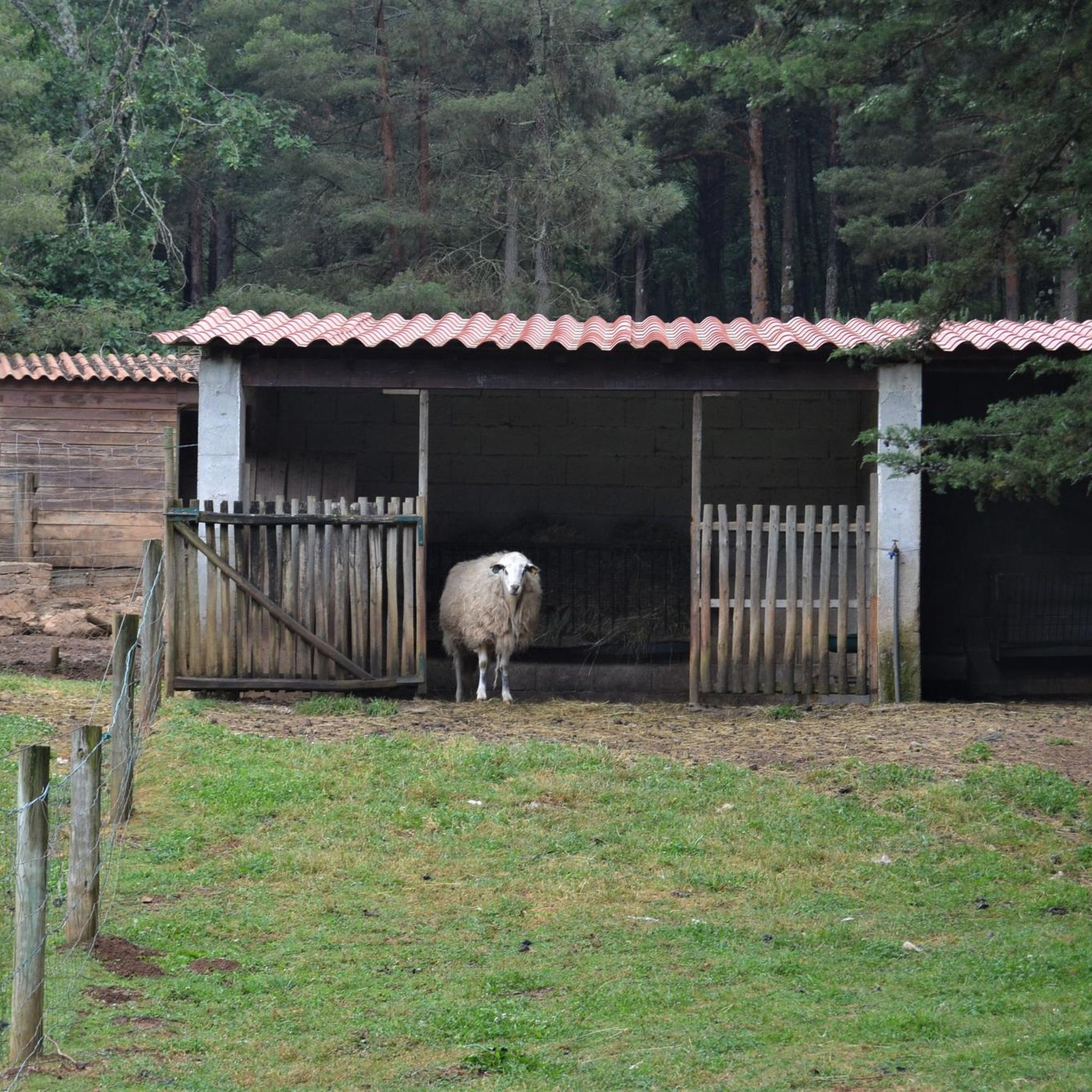
The Vinhais Biological Park is a protected natural area and conservation center located in the municipality of Vinhais, in northern Portugal, within the Montesinho Natural Park. This park plays an important role in the conservation of local biodiversity and in the promotion of environmental education.
0
0

This is a beautiful reservoir, with calm waters where you can even spot big fish, although fishing is prohibited. On sunny days (which is almost always), the view of the lake is simply breathtaking. You can cycle along the entire western side of the lake.
0
0

Located in the heart of the Montesinho Natural Park, the Vinhais Biological Park invites you to discover the local landscape in all its forms, from fauna and flora to geology, culture and history. A space dedicated to conservation, biodiversity and ecotourism.
1
0
Along the Baceiro River, three community-run mills still stand, two in Vilarinho and one in Cova de Lua. This is one of them, a living relic of local ingenuity, which uses the power of water to grind grain and tell stories of a time when sharing and ingenuity went hand in hand.
2
0

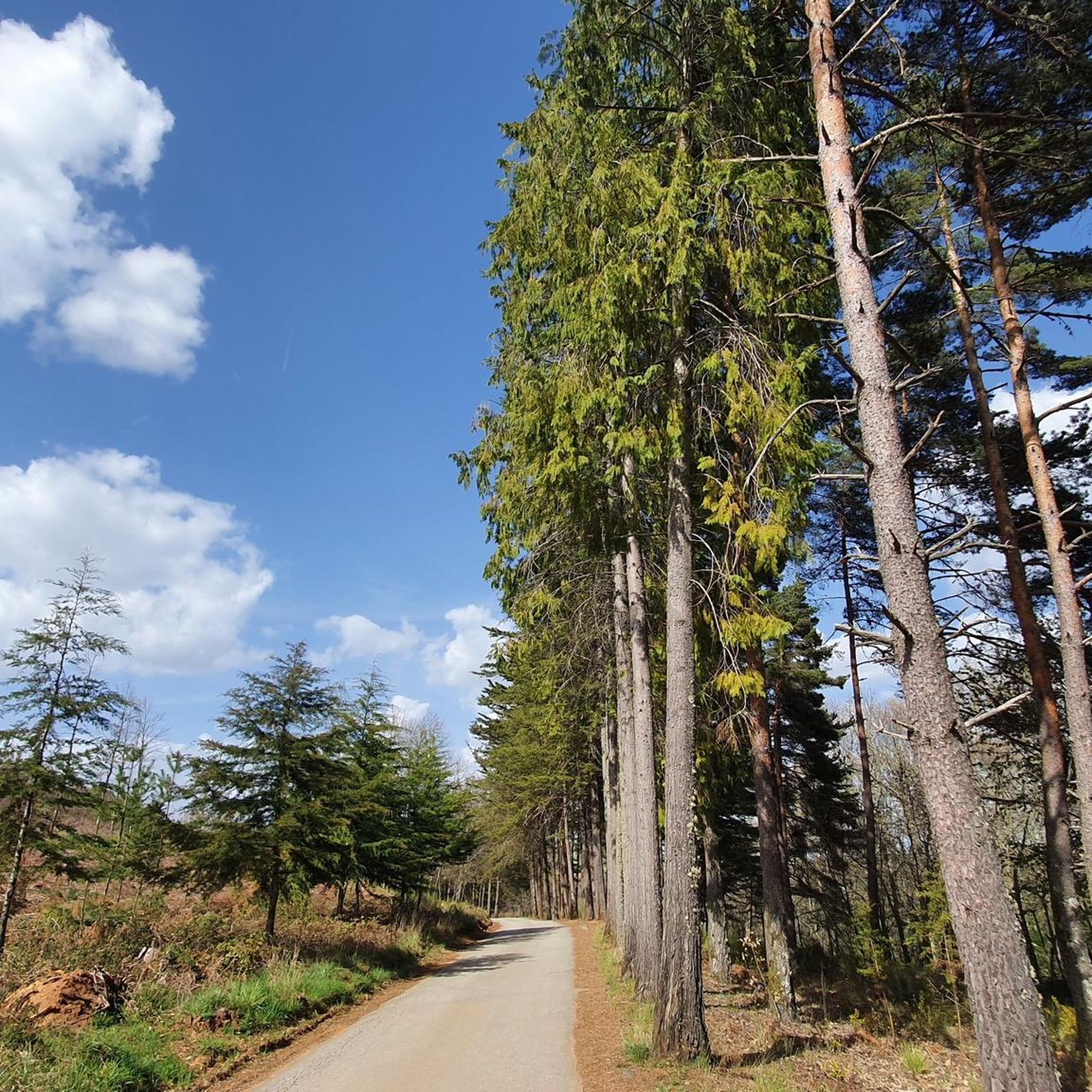
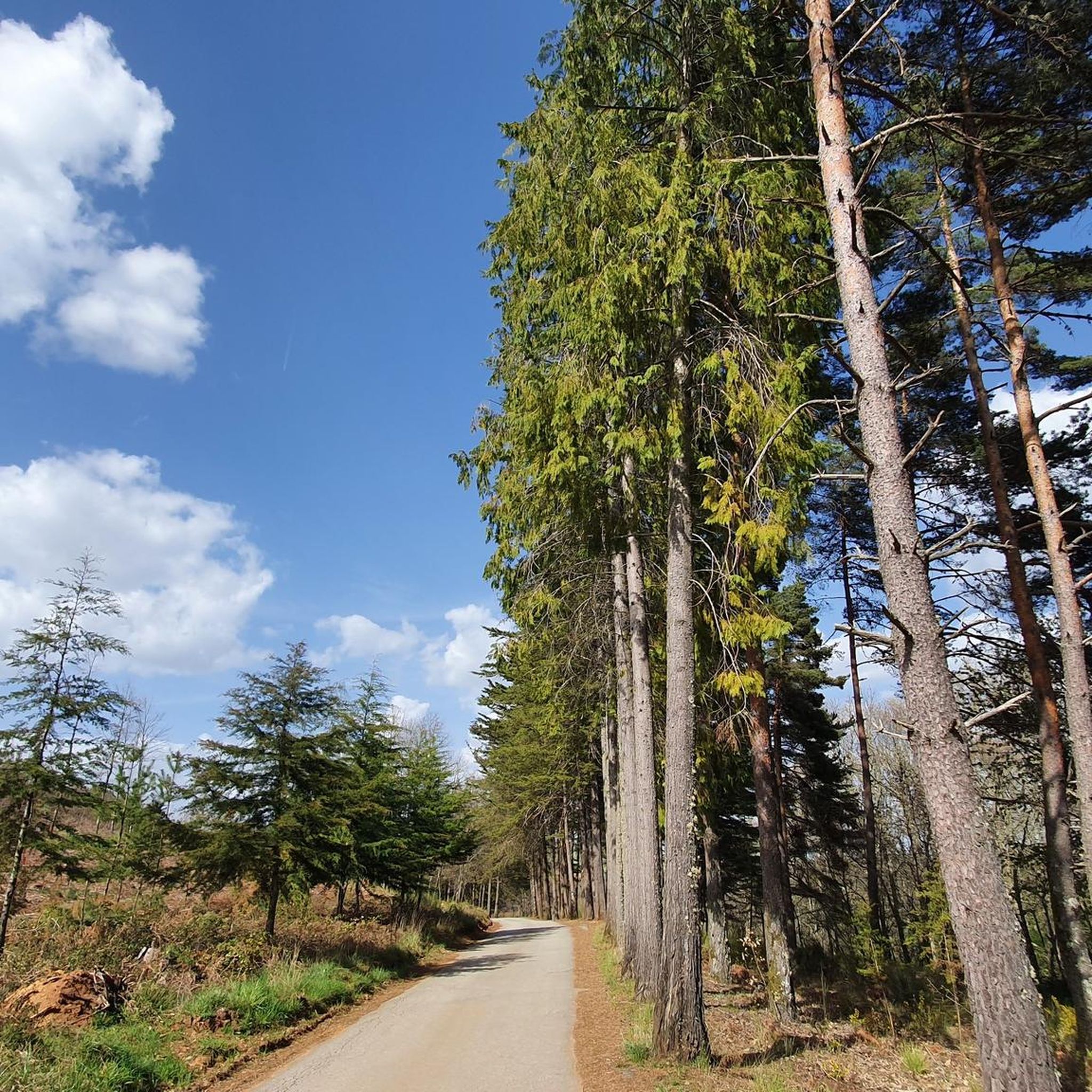
Considered the “bread tree” in the regions north of the Tagus, the chestnut tree was the staple food before the arrival of the potato and the main source of carbohydrates in the north of the Iberian Peninsula. This deciduous tree can grow up to 30 to 35 metres in height and reach diameters of up to 12 metres, although the trunk becomes hollow as the tree ages. It is very long-lived and can live for over a thousand years. The European chestnut tree (Castanea sativa Miller) belongs to the Castanea genus and the Fagaceae family, the same family that includes cork oaks and oaks in general. The genus includes 12 to 13 species, five of which are of Asian origin and seven of which are North American. The common chestnut tree is the only one native to Europe. This is a tree that managed to survive the last glacial period (Würms glaciation) in some parts of central and Mediterranean Europe and is currently found all over the world, including North and South America and Australia. Several studies indicate that the natural distribution of the European chestnut tree corresponds to these refuge zones, where it remained during the glacial events. These areas later served as starting points for the colonization of other regions, before humanity dedicated itself to cultivating the species. One of these refuges is located in the Picos de Europa region and another between the south of Galicia and the north of Portugal, which is why the chestnut tree is considered an indigenous or native species of our country. The chestnut tree grows well in temperate climates and the ideal conditions for its development are found in places with average temperature and humidity, where rainfall reaches at least 600 mm per year – more than 100 mm in the summer. It is, however, sensitive to late frosts and very low temperatures. It prefers soils at least 50 cm deep, loose and rich in nutrients, slightly acidic (pH between 4.5 and 6.5) and not calcareous. Although it can grow in less suitable conditions, it develops and produces best in coastal or mountainous areas, at medium altitude, with hot and humid summers and mild winters.
2
0
The Biologic Park of Vinhais is a public facility installed by the Municipality of Vinhais, in the heart of the Montesinho Natural Park, more precisely in the old forest nursery of Vidoeira, in Prada, in the parish of Vila Verde, just 3 km from the village of Vinhais. The project of the Biologic Park of Vinhais was a pioneer with regard to the Trás-Os-Montes region, it was inaugurated on May 16th of 2008, and its main objectives are: Divulge of the Nature and Landscape of the Montesinho Natural Park; Environmental Education; Conservation of Nature and Biodiversity; Ecotourism
1
0
The military road built by the Romans to connect Braga, Chaves and Astorga passed close to the present-day site of Vinhais and the Ponte da Rauca bridge also dates from that time. The town was founded in the thirteenth century by the Portuguese king D. Sancho, being situated on top of a hill that the Romans had used as a lookout post, from which they could supervise the whole region. It was later fortified in the fourteenth century at the orders of D. Dinis. Vinhais has succeeded in preserving a number of very interesting monuments, such as the church of São Facundo (founded by the Goths) and the convent of São Francisco, although, perhaps more than anything else, it is famed for the great richness of its cuisine, particularly its sausages, which are best purchased at the annual Smoked Meat Fair held here in February.
1
0
Frequently Asked Questions
What natural features can I explore in Vila Verde?
Vila Verde is rich in natural beauty, defined by the Cávado and Homem Rivers. You can enjoy lush green landscapes, especially in the northern part of the region. A notable natural monument is the European chestnut (Castanea sativa), a long-lived deciduous tree historically significant to the region. For panoramic views, visit the Oural Swing (Baloiço do Oural).
Are there river beaches or places for swimming in Vila Verde?
Yes, Vila Verde boasts several river beaches along the Homem and Cávado rivers, perfect for leisure and enjoyment. Popular choices include Faial River beach on the Cávado, and Loureira, Malheira, and Moinhos on the Homem River. Other options include Soutelo, Vau, Moleira, Garrafas, Souto, Rio Homem, Cabanelas, and Merelim de São Paio.
What historical landmarks can I visit in Vila Verde?
Vila Verde offers a variety of historical sites. You can explore significant architectural churches like Igreja Nova de São Paio, Chapel of Saint Anthony, and Igreja Matriz de Vila Verde. The region also features historical towers such as Penegate Tower and Gomariz Tower, and the charming Ponte de Rodas. For a broader historical context, consider visiting the Historic Center of Vinhais, which preserves monuments like the church of São Facundo.
What cultural sites are there in Vila Verde?
Vila Verde is known for its cultural heritage. You can visit the Namorar Portugal Store, home to the traditional embroidered 'Lenços de Namorados' (lovers' handkerchiefs). Significant pilgrimage sites include the 18th-century Sanctuary of Our Lady of Relief (Nossa Senhora do Alívio) and the 17th-century Sanctuary of Our Lady of Good Dispatch (Nossa Senhora do Bom Despacho). The Centro de Artes e Cultura de Vila Verde also offers insights into local arts.
Are there family-friendly attractions in Vila Verde?
Absolutely! The Biological Park of Vinhais is a great option, offering a zoo, hiking, cycling, and other activities suitable for families. Additionally, the river beaches provide excellent spots for family leisure. The Albufeira de Prada (Prada Reservoir) is also a beautiful spot for a family outing, though fishing is prohibited.
When is the best time of year to visit Vila Verde?
Vila Verde's climate is generally temperate. The region experiences hot and humid summers and mild winters. For outdoor activities and enjoying the river beaches, the warmer months are ideal. Spring and early autumn offer pleasant temperatures for exploring historical sites and hiking, with lush landscapes. The European chestnut tree, a native species, thrives in conditions with average temperature and humidity, suggesting a generally pleasant climate for much of the year.
What outdoor activities can I do near these attractions?
Vila Verde offers numerous outdoor activities, especially hiking, mountain biking, and cycling. You can find various routes, such as the Prada Dam Trail for hiking or cycling, and the Ancient Sweet Chestnut Trees loop. For mountain biking, there are routes like the Ring tour in Parco Naturale di Montesinho. Explore more options on the Hiking around Vila Verde, MTB Trails around Vila Verde, and Cycling around Vila Verde guide pages.
Are there hiking trails near the attractions in Vila Verde?
Yes, there are several hiking trails available. For example, you can enjoy the easy Prada Dam Trail or the moderate Ancient Sweet Chestnut Trees loop from Praia Fluvial de Fresulfe. Another option is the Castanheiro Orchard – Gondesende loop. These trails allow you to experience the region's natural beauty. Find more details and routes on the Hiking around Vila Verde guide page.
Where can I find traditional handicrafts or local products in Vila Verde?
For traditional handicrafts, visit the Namorar Portugal Store in Vila Verde. This store is dedicated to the famous 'Lenços de Namorados' (lovers' handkerchiefs), which are a significant part of the local cultural identity and a unique souvenir. The municipality is also known for its gastronomy, including wine, olive oil, and various fruits and vegetables.
What is the Fojo do Lobo de Gondomar?
The Fojo do Lobo de Gondomar is a historical site related to wolf traps. It offers a glimpse into the past interactions between humans and wildlife in the region, showcasing traditional methods used to manage wolf populations. It's an interesting site for those curious about local history and ecology.
What is the significance of the Cávado and Homem Rivers in Vila Verde?
The Cávado and Homem Rivers are central to Vila Verde's geography and character. They define the region's lowland areas, with their valleys adapted for cultivation, contributing to the lush landscapes. These rivers are also home to several popular river beaches, providing recreational opportunities and picturesque scenery for visitors.
Most popular routes around Vila Verde
Most popular attractions around Vila Verde

Get inspired with the komoot mobile app


Explore more
Still not found the Highlight you’re looking for? See guides of the top attractions in other regions:
