The 5 Most Amazing Peaks around Am Mellensee
Mountain peaks around Am Mellensee, located in the Teltow-Fläming district of Brandenburg, Germany, are characterized by rolling hills, dense forests, and tranquil lakes. While the region does not feature traditional high mountains, it offers several elevated hills that provide scenic views and recreational opportunities. These natural features make the area an attractive destination for nature enthusiasts seeking outdoor activities. The terrain offers diverse landscapes for exploration.
Best mountain peaks around Am Mellensee
- The most popular mountain peaks is Löwendorf Hill…
Last updated: August 18, 2026
Löwendorf Hill Observation Tower
Highlight • Viewpoint
Translated by Google •
Tip by

Gipsberg Observation Tower
Highlight • Viewpoint
Translated by Google •
Tip by

Sign up now to discover places like this
Get recommendations on the best single tracks, peaks, & plenty of other exciting outdoor places.
Sign up for free
Weinberg Glienick
Highlight • Natural Monument
Translated by Google •
Tip by

Golmberg Summit
Highlight • Summit
Translated by Google •
Tip by

Kienberg Summit
Highlight • Summit
The summit itself is not forested, so the trails are very sandy.
Translated by Google •
Tip by

Start today with a free account
Your next adventure awaits.
Login or Signup
Other adventures around Am Mellensee

Tips from the Community

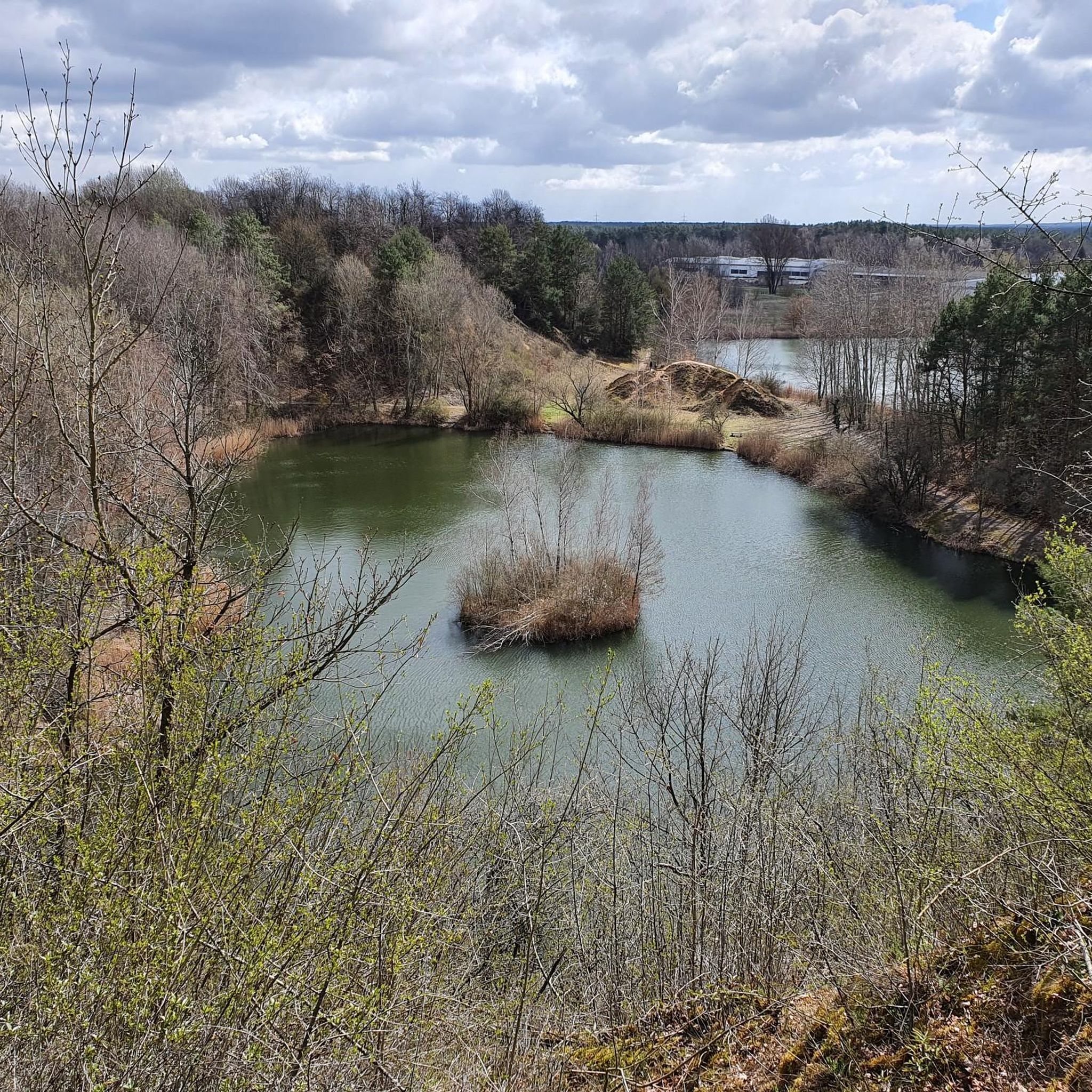
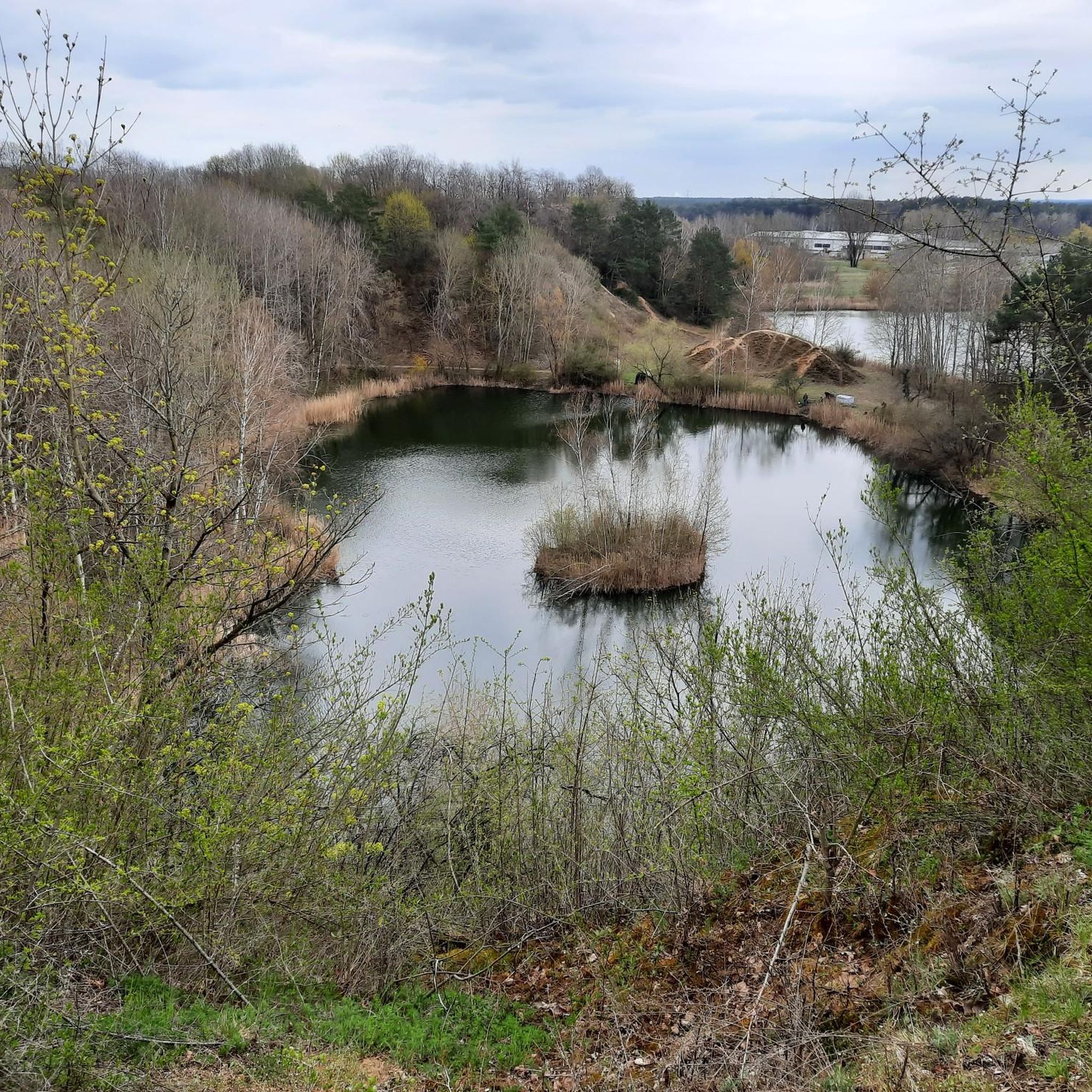
From the 84-meter-high Glienick vineyard, there are several viewpoints offering distant vistas. At the top, there is a picnic table and benches, and as of December 2025, some chairs will also be available.
0
0


Exactly 178 meters above sea level is the highest natural point in the Dahmeland-Fläming region and it is right here on the Golmberg between Stülpe and Ließen.
1
0

On the Kienberg the 90HM have to be fought hard in the Brandenburg sand
0
0

One of the highest mountains in Brandenburg. Great view from there.
1
0

Please note, the tower is currently closed due to damage, inform in advance if necessary.
2
0

A lot of sand! Is bad to drive. When the heather is in bloom, it's definitely worth a detour.
0
0

No, actually not a vineyard, the time is long gone anyway. At this point, the glacier water from a height of approx. 500m formed this sand cone with the associated depression in an impressive size. The water could run off on the southern part. So this place is really something special.
1
0
Frequently Asked Questions
What kind of elevated features can I expect to find around Am Mellensee?
The Am Mellensee region is characterized by rolling hills, dense forests, and tranquil lakes, rather than traditional high mountain peaks. You'll find several elevated hills that offer scenic views and recreational opportunities, with the highest points reaching around 100-178 meters above sea level. These features provide diverse landscapes for exploration.
Which peaks offer the best panoramic views in the Am Mellensee region?
For excellent panoramic views, consider visiting the Löwendorf Hill Observation Tower, where a 22-meter-high wooden tower provides a fantastic vista of the surrounding landscape. The Gipsberg Observation Tower also offers a wide view into the country, overlooking the unique geological features of the Gipsberg area. Additionally, Weinberg Glienick, at 88 meters, provides views of the surrounding nature, and on clear days, you might even spot the Berlin TV tower.
Are there any historically or geologically significant elevated areas to visit?
Yes, the Gipsberg (Gypsum Hill) near Sperenberg is highly significant. It's a geological rarity in the North German Lowlands, formed by an underground salt diapir pushing gypsum to the surface. Gypsum was mined here until 1958, and the former quarries have since filled with water, creating distinctive lakes. You can explore the 'Boden-Geo-Pfad' (Geo-scientific Educational Trail) to learn about its origins and history.
What is the highest point in the Am Mellensee area?
The highest natural point in the Dahmeland-Fläming region, which includes the Am Mellensee area, is the Golmberg Summit, reaching exactly 178 meters above sea level. It offers a great view from its top.
Are there family-friendly options for exploring the hills around Am Mellensee?
Many of the elevated areas and their surrounding trails are suitable for families. For instance, the Löwendorf Hill Observation Tower is listed as family-friendly, offering an accessible climb for rewarding views. The Geo-scientific Educational Trail at Gipsberg also provides an engaging experience for all ages.
What outdoor activities can I do near these elevated areas?
The region around Am Mellensee is ideal for various outdoor activities. You can find numerous routes for road cycling, gravel biking, and mountain biking. For example, there are several road cycling routes, gravel biking routes, and MTB trails that explore the diverse landscapes of the area, often incorporating the hills and forests.
Are there specific hiking trails that incorporate these hills?
Yes, the area offers various hiking trails. For example, a panoramic path leads through the Gipsberg area, allowing you to appreciate its unique natural environment and historical remnants. Popular hiking routes often incorporate the distinctive landscapes around the former gypsum quarries and marshlands like Faules Luch. The nearby Nuthe-Nieplitz Nature Park also provides a diverse landscape for hiking.
What makes the Kienberg Summit unique?
The Kienberg Summit, at 90 meters high, offers a nice view of the front and rear Löwendorfer Berg. The summit itself is not forested, and its trails are notably sandy, which can make for a challenging but unique experience, especially when the heather is in bloom.
What do visitors enjoy most about the elevated areas around Am Mellensee?
Visitors particularly appreciate the diverse perspectives offered by the region's hills, summits, and viewpoints. The opportunity to climb observation towers like those on Löwendorf Hill and Gipsberg for wide-ranging views is a highlight. The unique geological features of Gipsberg and the scenic beauty of areas like Weinberg Glienick also receive high praise from the komoot community.
What is the best time to visit Am Mellensee for outdoor activities?
The region's rolling hills, dense forests, and tranquil lakes make it an attractive destination for nature enthusiasts. While specific seasonal recommendations aren't provided, the diverse landscape is generally enjoyable for hiking and cycling during spring, summer, and autumn. Always check local conditions before planning your visit.
Can I see distant landmarks from the viewpoints?
Yes, from some viewpoints, you can see distant landmarks on clear days. For instance, from Weinberg Glienick, you might be able to spot the Berlin TV tower. The observation towers generally offer expansive views into the surrounding countryside.
Most popular routes around Am Mellensee
Most popular attractions around Am Mellensee

Get inspired with the komoot mobile app


Explore more
See even more amazing summits around Am Mellensee with these guides:
