Attractions and Places To See around Orjais - Top 20
Attractions and places to see around Orjais offer a mix of historical landmarks, natural features, and cultural sites. The locality is situated within the broader region of the Serra da Estrela, mainland Portugal's highest mountain range. Visitors can explore sites that showcase a continuous use of sacred spaces and significant historical events. The area provides opportunities for outdoor activities and cultural discovery.
Best attractions and places to see around Orjais
- The most popular attractions is View of Manteigas, a…
Last updated: July 1, 2026
Belmonte Historic Village
Highlight • Historical Site
Translated by Google •
Tip by

Hidden cascade at Poço do Inferno
Highlight • Waterfall
Translated by Google •
Tip by

Sign up now to discover places like this
Get recommendations on the best single tracks, peaks, & plenty of other exciting outdoor places.
Sign up for free
Forest Trail in Serra da Estrela Natural Park
Highlight • Trail
Translated by Google •
Tip by

View of Manteigas
Highlight • Viewpoint
Translated by Google •
Tip by
São Lourenço Viewpoint and Ancient Oaks
Highlight • Viewpoint
Tip by

Sign up for free to discover even more attractions around Orjais.
Sign up for free
Already have an account?
Start today with a free account
Your next adventure awaits.
Login or Signup


Tips from the Community

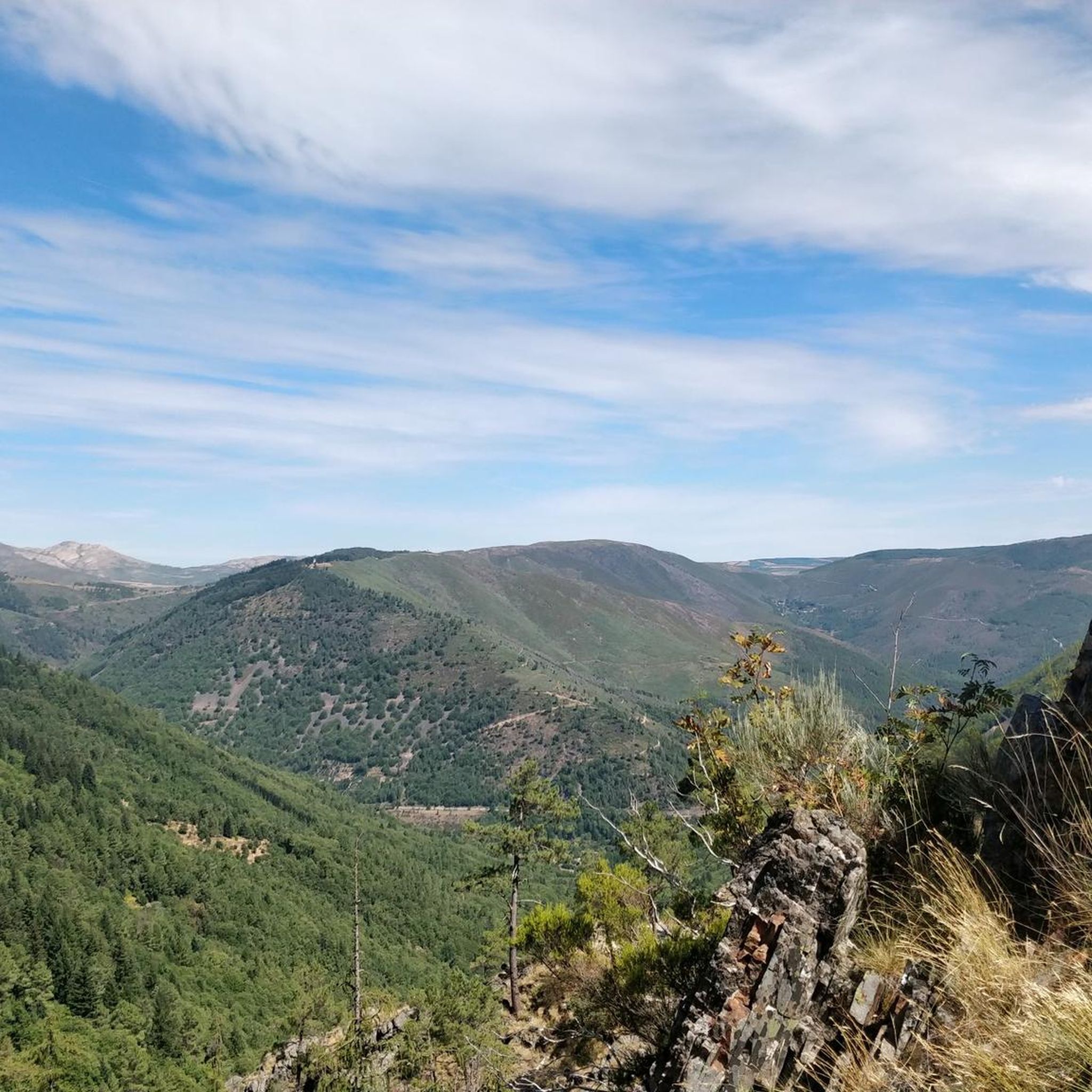
The history of Manteigas is linked to the abundance of livestock and butter production, which gave rise to its name. It's a central location in the Serra da Estrela mountain range, known for its natural heritage, such as the Zêzere Glacial Valley, and its thermal springs, with sulphurous waters at CISE. Founded with its own municipality, the town has a rich cultural and ethnographic history, also standing out for its wool production (Burel Factory) and the beauty of the Serra da Estrela Natural Park, making it a strategic point for exploring the mountains. 👍🥾
0
0
Thanks for sharing.🙏
1
0

Belmonte, one of the twelve Historic Villages of Portugal, is the home of Pedro Álvares Cabral and guardian of the country's largest Jewish community, a legacy that endured centuries of Inquisition. Between walls and memories, mystique and history abound, with the Serra da Estrela on one side and the Malcata Reserve on the other. The food completes the enchantment: Jewish flavors like fried offal coexist with broths, migas, esparregados, and traditional Beira sweets: rice pudding, papas de carolo, and filhós. Here, the landscape and the food merge into a delightful experience.
5
0
Very nice place to walk. 👍🥾🇵🇹
0
0
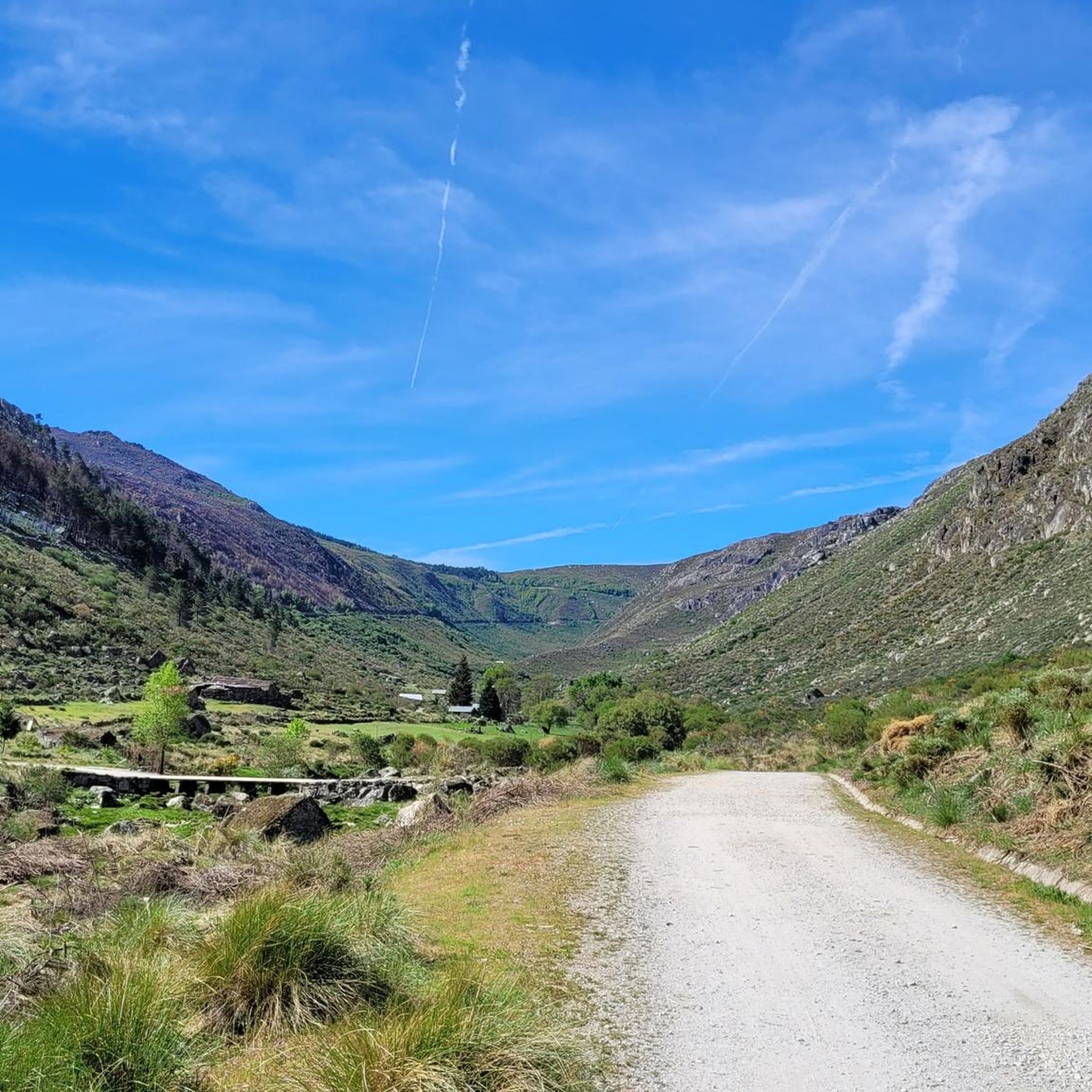
The city that served as my base, where I stayed, for two hikes, on routes that I recommend.👍🥾🦯
2
0
Pedro Álvares Cabral, the man who gave Europe Brazil, was born high up in Cova da Beira, with the Serra da Estrela on the horizon. But the history of Belmonte begins much earlier: among dolmens, forts and the enigmatic Torre de Centum Cellas. A town of walls, synagogues and conquests, it was the scene of Romans, Jews and Portuguese heroes. Today, it continues to stand firm on a beautiful hill — true to its name and its legendary past.
4
0

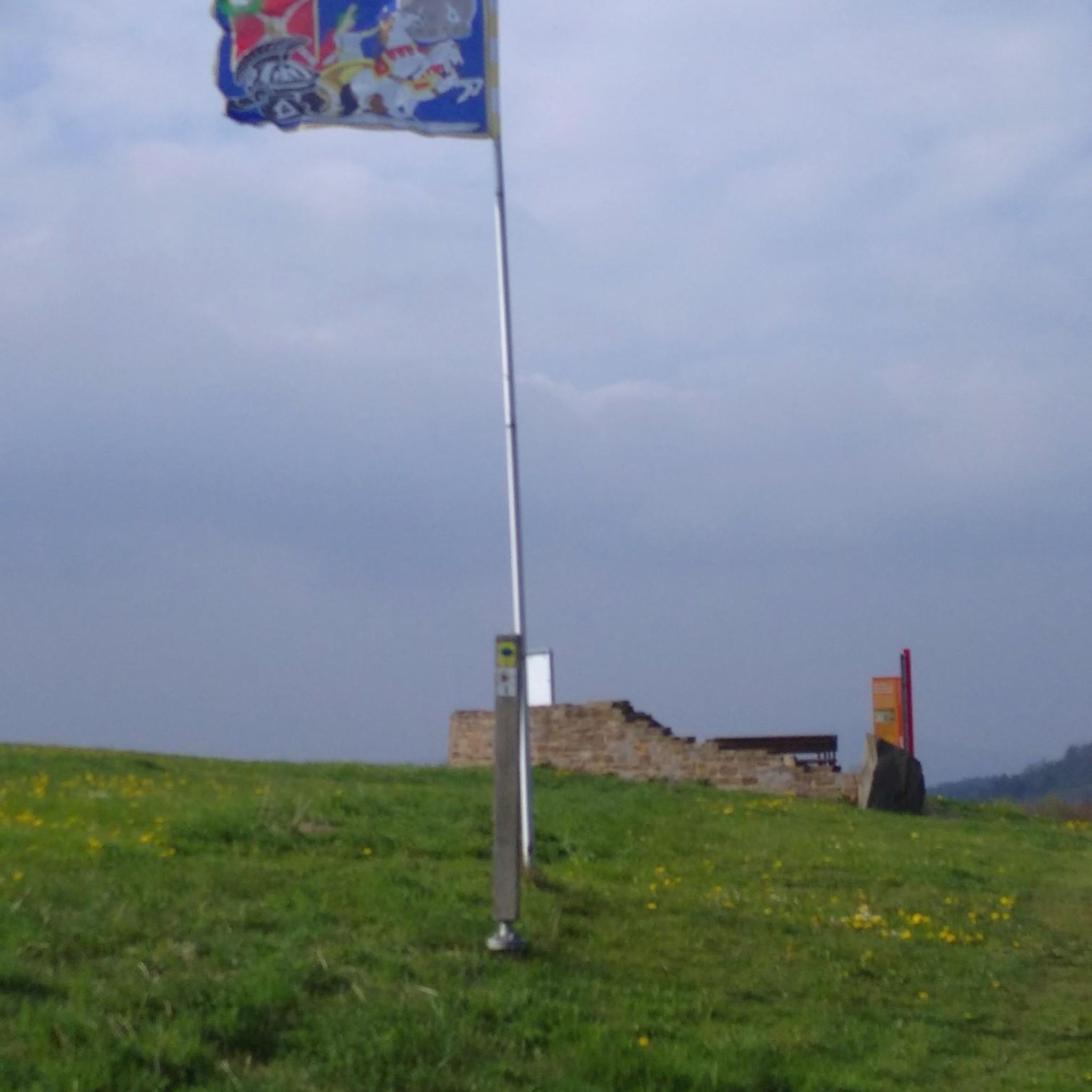
Located just off the main road south of Guarda (which at 1,053 metres is the highest city in Portugal), it is one of twelve aldeias históricas (historic villages), a government-sponsored initiative to promote the immense heritage of the beautiful Beiras region. Belmonte’s most famous son is without doubt Pedro Álvares Cabral, a major figure of the Age of Discovery who was born in the village in 1467. As a young and very ambitious sea captain of just 32 years old, he commanded a fleet of thirteen ships with some 1,500 men that departed from the shores of Lisbon on the 9th of March, 1500. Six weeks later Cabral dropped anchor off the north-east coast of Brazil, becoming the first Portuguese navigator to reach South America. It was also the first known expedition to have touched all four continents of Europe, Africa, America and Asia. Built in the 13th century, Belmonte Castle (the village’s key attraction) became the birthplace of the young explorer in 1467 after his father received it as a loyalty payment from King Afonso V and adapted it as the Cabral family residence. One of the region’s most prominent landmarks, the castle offers today’s visitors fine views of the Estrela mountains and the surrounding Lower Beiras countryside from its towering keep, which stands proud at an altitude of 615 metres above sea level. Adjacent to the castle stands the church of São Tiago which is of the same period and has many interesting features, including a a painted 14th-century granite pietà and the pantheon of the Cabral family, although the navigator’s body now rests at the Convento da Graça in Santarém.
6
1

Right next to Capela de São Lourenço, there is a group of beautiful centuries'old oak trees that invite you to sit and enjoy their company and take in their majesty
2
1
Frequently Asked Questions
What historical sites can I visit near Orjais?
Near Orjais, you can explore the rich history of the region. The Belmonte Historic Village is a must-see, featuring a 13th-century castle and connections to Pedro Álvares Cabral, the discoverer of Brazil. Also in Belmonte, you'll find the enigmatic Roman villa rustica of Centum Cellas, dating back to the 1st century AD. Within Orjais itself, the Chapel of Our Lady of the Heads (Nossa Senhora das Cabeças) is significant for its continuous use as a sacred space since Roman times.
Are there any natural attractions or viewpoints around Orjais?
Yes, Orjais is nestled within the stunning Serra da Estrela Nature Park, offering numerous natural wonders. You can visit the Hidden cascade at Poço do Inferno, an impressive high-altitude waterfall. For panoramic vistas, the View of Manteigas provides a great perspective of the village and mountains. Another spectacular viewpoint is the Miradouro da Varanda dos Carqueijais, offering breathtaking views over the Cova da Beira valley and Covilhã.
What kind of outdoor activities can I do near Orjais?
The area around Orjais is ideal for outdoor enthusiasts. You can find numerous hiking opportunities, such as the Forest Trail in Serra da Estrela Natural Park. For more structured routes, explore the easy hikes around Orjais, or if you're into cycling, there are MTB Trails and Road Cycling Routes available, including challenging climbs in the Serra da Estrela.
Are there family-friendly attractions or activities near Orjais?
For families, the Praia Fluvial de Valhelhas is an excellent choice. This accessible river beach on the Zêzere River, within the Serra da Estrela Natural Park, boasts Blue Flag status and offers amenities like picnic areas and playgrounds for a relaxing day by the water. Many of the easier hiking trails are also suitable for families.
Where can I learn about the local culture or traditions?
To delve into local culture, visit the Cheese Museum in Peraboa, dedicated to the traditional process of making Serra da Estrela cheese. It offers a sensory journey into the history and production of this internationally recognized delicacy. In Belmonte, the Museu dos Descobrimentos focuses on Portuguese maritime discoveries, particularly those of Pedro Álvares Cabral.
What is Covão D'Ametade and how can I visit it?
Covão D'Ametade is a picturesque glacial valley located at the beginning of the Zêzere Glacier Valley, at the foot of Cântaro Magro. It's an idyllic spot for nature enthusiasts, hikers, and climbers, known for its reflective waters and silver beech trees. It offers picnic areas and access to various hiking trails within the Serra da Estrela Nature Park.
What is the best time of year to visit Orjais and its attractions?
The best time to visit Orjais largely depends on your preferred activities. Spring and autumn offer pleasant temperatures for hiking and exploring natural sites. During winter, the Serra da Estrela region transforms into a destination for snow sports. Summer is ideal for enjoying river beaches like Praia Fluvial de Valhelhas.
Are there any specific trails for hiking near the Poço do Inferno waterfall?
Yes, the area around Poço do Inferno offers trails for various skill levels. While the Hidden cascade at Poço do Inferno itself can be a bit challenging to access, there are trails like The Road to Hell's Pit that lead to the waterfall. You can also find easy hiking loops, such as the 'View of the Zêzere Valley – Poço do Inferno Waterfall loop' from Poço do Inferno, which is about 3 km long.
What do visitors enjoy most about the attractions around Orjais?
Visitors particularly enjoy the stunning natural beauty and the sense of discovery. The Hidden cascade at Poço do Inferno is often highlighted for its natural pool and the feeling of being secluded. The historical significance of places like Belmonte Historic Village and the panoramic views from spots like the View of Manteigas are also highly appreciated.
Can I find any unique geological features in the Orjais area?
Absolutely. Orjais is located within the Serra da Estrela, which is recognized by UNESCO as an Estrela Geopark. This area bears significant traces of the last glaciation, making it a fascinating region for geological exploration. Features like the glacial valley of Covão D'Ametade are prime examples of this geological heritage.
Are there options for dog-friendly walks or activities?
While specific dog-friendly designations for every trail are not always available, many natural areas and hiking trails within the Serra da Estrela Nature Park are generally suitable for walks with dogs, provided they are kept on a leash and owners follow local regulations. Always ensure to clean up after your pet.
Most popular attractions around Orjais

Get inspired with the komoot mobile app


Explore more
Still not found the Highlight you’re looking for? See guides of the top attractions in other regions:
