The best walks and hikes around Aldeia De João Pires
4.9
(32)
200
hikers
3
hikes
Hiking trails around Aldeia De João Pires offer diverse landscapes characterized by granite formations and historical village settings. The region, part of the Castelo Branco district, features rugged, rocky terrain and riverine valleys, providing varied natural environments for exploration. Trails often integrate with historical sites, including ancient walls and archaeological findings, enriching the outdoor experience. This area provides a mix of natural beauty and geological interest, suitable for different hiking preferences.
Best hiking trails around Aldeia De João Pires
- The…
Last updated: October 11, 2026
4.8
(10)
96
hikers
Easy hike. Great for any fitness level. Easily-accessible paths. Suitable for all skill levels.
4.9
(13)
65
hikers
Easy hike. Great for any fitness level. Easily-accessible paths. Suitable for all skill levels.

4.9
(7)
32
hikers
Easy hike. Great for any fitness level. Easily-accessible paths. Suitable for all skill levels.
5.0
(1)
6
hikers
18.1km
05:23
540m
540m
Hard hike. Very good fitness required. Easily-accessible paths. Suitable for all skill levels.
5.0
(1)
1
hikers
8.51km
02:20
140m
140m
Moderate hike. Good fitness required. Easily-accessible paths. Suitable for all skill levels.
Our route recommendations are based on thousands of hikes, rides, and runs completed by other people on komoot.
Start today with a free account
Your next adventure awaits.
Popular around Aldeia De João Pires
Tips from the Community

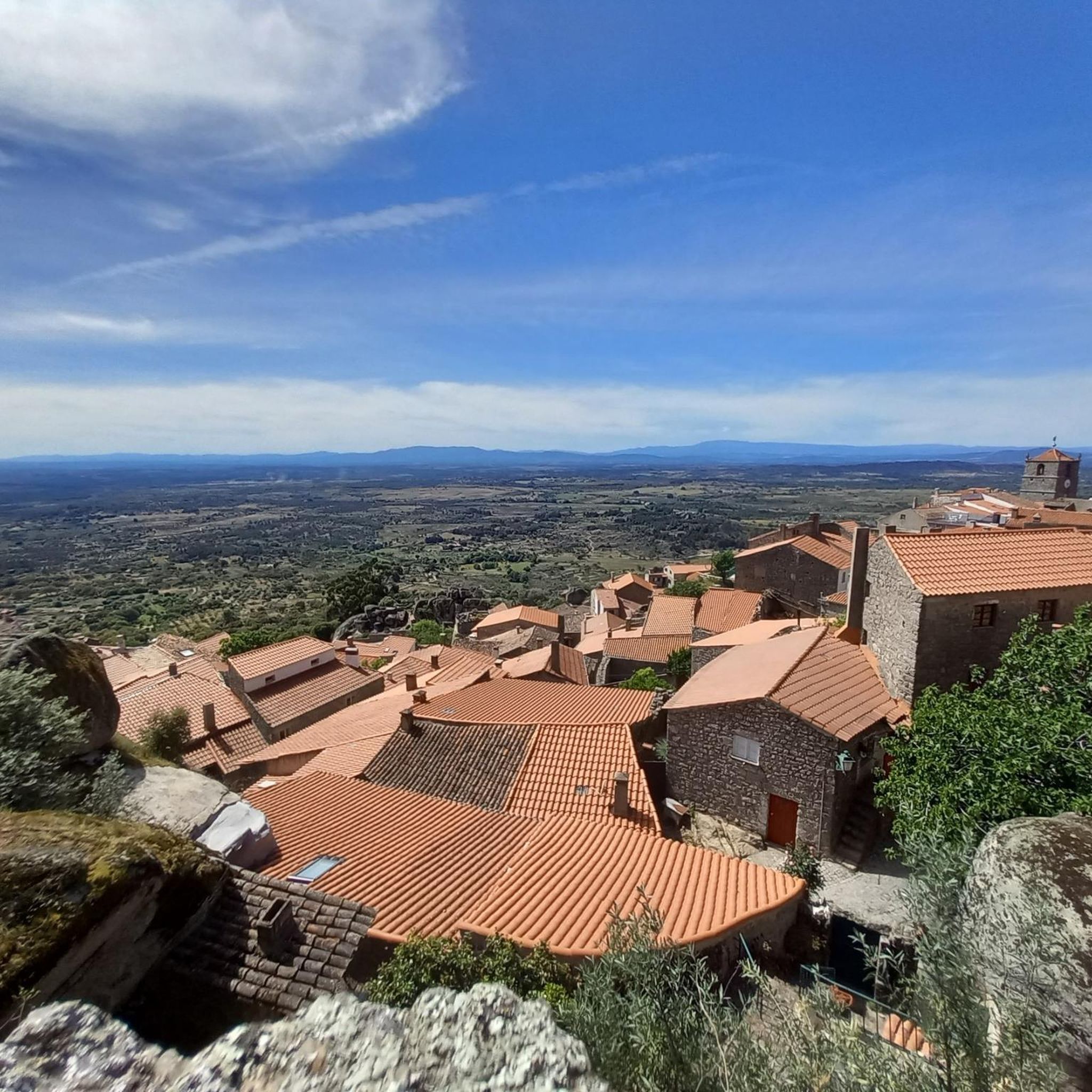
Perched on a hilltop, overlooking the rolling hills of eastern Portugal, sits Monsanto. This tiny town is famous for its colossal boulders. Stone houses are sandwiched between and under these boulders, making this one of the most unique villages to visit in Europe. Strolling these picturesque streets is a popular thing to do but walking the walls of the hilltop fortress and photographing the town from a few lovely viewpoints are also great things to do in Monsanto.
3
0

From Miradouro da Peça, the gaze is lost between horizons: the houses nestled into the granite hillside, the Beira plain that stretches to Spain and, crowning the view, the Serra da Estrela, Gardunha and Malcata mountains.
3
0
Monsanto, the "Most Portuguese Village in Portugal," rises on the steep Cabeço de Monsanto, where houses are hidden among giant boulders, creating a unique setting. Between Templar walls, castle ruins, and endless vistas, history breathes in every stone—from the Lusitanians to the Romans, from the Moors to the kings who granted it charters. Today, visitors discover a vibrant village, marked by traditions like the marafonas (a traditional festival) and the flavors of the mountains: goat stew, lamb with mint, and carolo sweets. A tourist icon and the setting of legends, Monsanto is more than a place; it's an unforgettable experience.
4
0
The ancient Roman road that connected Augusta Emerita (Mérida) to Bracara Augusta (Braga) passed through here, crossing the river on a bridge that has now disappeared, of which only the foundations remain. Over these bridges stands the current granite Ponte Velha, whose appearance harks back to ancient times but which, in fact, is a Philippine work, dating from the 17th century or later.
2
0
The Historic Village of Idanha-a-Velha preserves the soul of an ancient Roman civitas in its modest streets. Within walls that have seen temples, baths, Visigoths, Muslims, and Templars, time has left its mark on every corner. Today, almost in the heart of the International Tagus Natural Park, the village blends history, silence, and flavors: from bread baked in the communal oven to the sweet aroma of borrachões (draught beer). In this place, the past still breathes in the present.
2
1
Monsanto is a medieval village that is located in the municipality of Idanha-a-Nova, District of Castelo Branco, Portugal. It is located in eastern Portugal, not far from the border with Spain, giving it a strategic location in medieval times. A Knights Templar fortress was constructed on the highest point of the town, but this was destroyed in an explosion in the 19th century. In 1938, Monsanto was given the distinction of being “the most Portuguese village of Portugal,” during a government sponsored competition. Monsanto is famous for its boulders. The first settlers built small houses on the hilltop, wedging them between and under the boulders that were far too heavy to be moved. These small stone houses remain, creating one of Portugal’s most unique and charming towns to visit. Monsanto is also a filming location for Season 1 of the HBO House of the Dragon series.
2
0
Monsanto is a medieval village that is located in the municipality of Idanha-a-Nova, District of Castelo Branco, Portugal. It is located in eastern Portugal, not far from the border with Spain, giving it a strategic location in medieval times. A Knights Templar fortress was constructed on the highest point of the town, but this was destroyed in an explosion in the 19th century. In 1938, Monsanto was given the distinction of being “the most Portuguese village of Portugal,” during a government sponsored competition. Monsanto is famous for its boulders. The first settlers built small houses on the hilltop, wedging them between and under the boulders that were far too heavy to be moved. These small stone houses remain, creating one of Portugal’s most unique and charming towns to visit. Monsanto is also a filming location for Season 1 of the HBO House of the Dragon series.
3
0
Monsanto is a medieval village that is located in the municipality of Idanha-a-Nova, District of Castelo Branco, Portugal. It is located in eastern Portugal, not far from the border with Spain, giving it a strategic location in medieval times. A Knights Templar fortress was constructed on the highest point of the town, but this was destroyed in an explosion in the 19th century. In 1938, Monsanto was given the distinction of being “the most Portuguese village of Portugal,” during a government sponsored competition. Monsanto is famous for its boulders. The first settlers built small houses on the hilltop, wedging them between and under the boulders that were far too heavy to be moved. These small stone houses remain, creating one of Portugal’s most unique and charming towns to visit. Monsanto is also a filming location for Season 1 of the HBO House of the Dragon series.
4
0
Frequently Asked Questions
What kind of terrain can I expect on hiking trails around Aldeia de João Pires?
The hiking trails in this region are characterized by diverse landscapes. You'll encounter rugged, rocky terrain with prominent granite formations, especially around villages like Aldeia de João Pires itself and the nearby Historic Village of Monsanto. Many paths also lead through riverine valleys, offering a mix of natural beauty and geological interest.
Are there hiking trails suitable for beginners or families in Aldeia de João Pires?
Yes, the area offers trails for various skill levels. For an easy and family-friendly option, consider the Historic Village of Monsanto – Monsanto Castle loop from Castelo de Monsanto. This 3.0-mile (4.9 km) route explores the unique granite architecture and castle ruins of Monsanto, making it accessible for most hikers.
How many hiking trails are available in the Aldeia de João Pires area?
There are several hiking routes around Aldeia de João Pires. Our guide features 3 distinct tours, but the broader region, including nearby Monsanto and Idanha-a-Velha, offers many more options for exploration.
What historical sites or landmarks can I see while hiking near Aldeia de João Pires?
The region is rich in history. You can explore the unique architecture and castle ruins of the Historic Village of Monsanto, often called the 'Most Portuguese Village in Portugal'. Another significant landmark is the Roman Bridge of Idanha-a-Velha, which can be reached via a moderate 5.3-mile (8.5 km) loop trail.
Are there any circular hiking routes available in the area?
Yes, many routes in the region are circular, allowing you to start and end at the same point. Examples include the Historic Village of Monsanto – Monsanto Castle loop from Castelo de Monsanto and the Roman Bridge of Idanha-a-Velha loop from Idanha-a-Velha.
What do other hikers enjoy most about hiking in Aldeia de João Pires?
The area is highly rated by the komoot community, with an average score of 4.9 stars from over 20 reviews. Hikers often praise the unique blend of natural granite landscapes with historical villages, and the variety of trails that cater to different abilities.
Is it possible to hike with dogs on the trails around Aldeia de João Pires?
Generally, dogs are welcome on most public hiking trails in Portugal, provided they are kept under control, especially in natural areas. Always ensure your dog is on a leash and that you clean up after them. Specific restrictions might apply in certain protected areas, but for general trails around Aldeia de João Pires and Monsanto, it's usually fine.
What is the best time of year to go hiking in Aldeia de João Pires?
The best seasons for hiking in this region are typically spring (March to May) and autumn (September to November). During these months, the weather is milder, and the landscapes are vibrant. Summer can be very hot, making early morning or late afternoon hikes preferable, while winter offers cooler temperatures but can be damp.
Are there options for public transport to reach hiking trailheads near Aldeia de João Pires or Monsanto?
Public transport options to smaller villages like Aldeia de João Pires can be limited. However, you might find bus services connecting larger towns in the Castelo Branco district to Monsanto. It's advisable to check local bus schedules in advance, as direct routes to specific trailheads might not be available, and a car often offers the most flexibility for accessing various starting points.
Where can I find parking near the hiking trails in the Aldeia de João Pires region?
Parking is generally available in the villages themselves. For trails around Monsanto, you'll find designated parking areas near the village entrance or at the base of the Monsanto Castle. When starting from Idanha-a-Velha, parking is typically available within the village. Always look for marked parking spots to avoid obstructing local traffic.
What kind of wildlife might I encounter on the hiking trails?
The region's diverse ecosystems, particularly near natural parks like Tejo Internacional, support various flora and fauna. While hiking, you might spot birds of prey, small mammals, and a variety of insects. The vegetation includes cork oaks, holm oaks, and aromatic plants like rosemary and white broom.
Are there any longer, more challenging hikes for experienced hikers?
Yes, for experienced hikers looking for a challenge, the Monsanto Castle – Historic Village of Monsanto loop from Idanha-a-Velha is a more demanding option. This 11.3-mile (18.2 km) trail leads through varied terrain and typically takes over 5 hours to complete, offering significant elevation changes.
Most popular routes around Aldeia De João Pires
Most popular attractions around Aldeia De João Pires

Get inspired with the komoot mobile app


Explore more
Browse the best Hikes in other regions.
