The best road cycling routes around Horta Das Figueiras
4.7
(4)
343
riders
19
rides
Road cycling routes around Horta Das Figueiras provide access to the diverse landscapes of the Alentejo region in Portugal. The area features rolling plains, gentle hills, and the iconic Montado landscape with cork oak and olive groves. Cyclists can find routes that follow historical features like the Aqueduto da Água de Prata and dedicated paths such as the Ecopista do Ramal de Mora. The terrain offers a mix of smooth, mostly flat sections and some areas with gentle inclines.
Best…
Last updated: October 18, 2026
4.3
(3)
49
riders
51.1km
02:25
490m
490m
Moderate road ride. Good fitness required. Mostly well-paved surfaces and easy to ride.
34
riders
41.9km
02:03
320m
320m
Moderate road ride. Good fitness required. Some segments of this route may be unpaved and difficult to ride.

17
riders
80.0km
03:53
920m
920m
Hard road ride. Very good fitness required. Mostly well-paved surfaces and easy to ride.
19
riders
89.2km
04:03
680m
680m
Moderate road ride. Good fitness required. Mostly well-paved surfaces and easy to ride.
14
riders
111km
05:03
920m
920m
Hard road ride. Very good fitness required. Some segments of this route may be unpaved and difficult to ride.
Get access to more routes and recommendations from other explorers.
Already have an account?
Our route recommendations are based on thousands of hikes, rides, and runs completed by other people on komoot.
Start today with a free account
Your next adventure awaits.

Tips from the Community

Reference karting track in Portugal, with over thirty years of history.
17
0
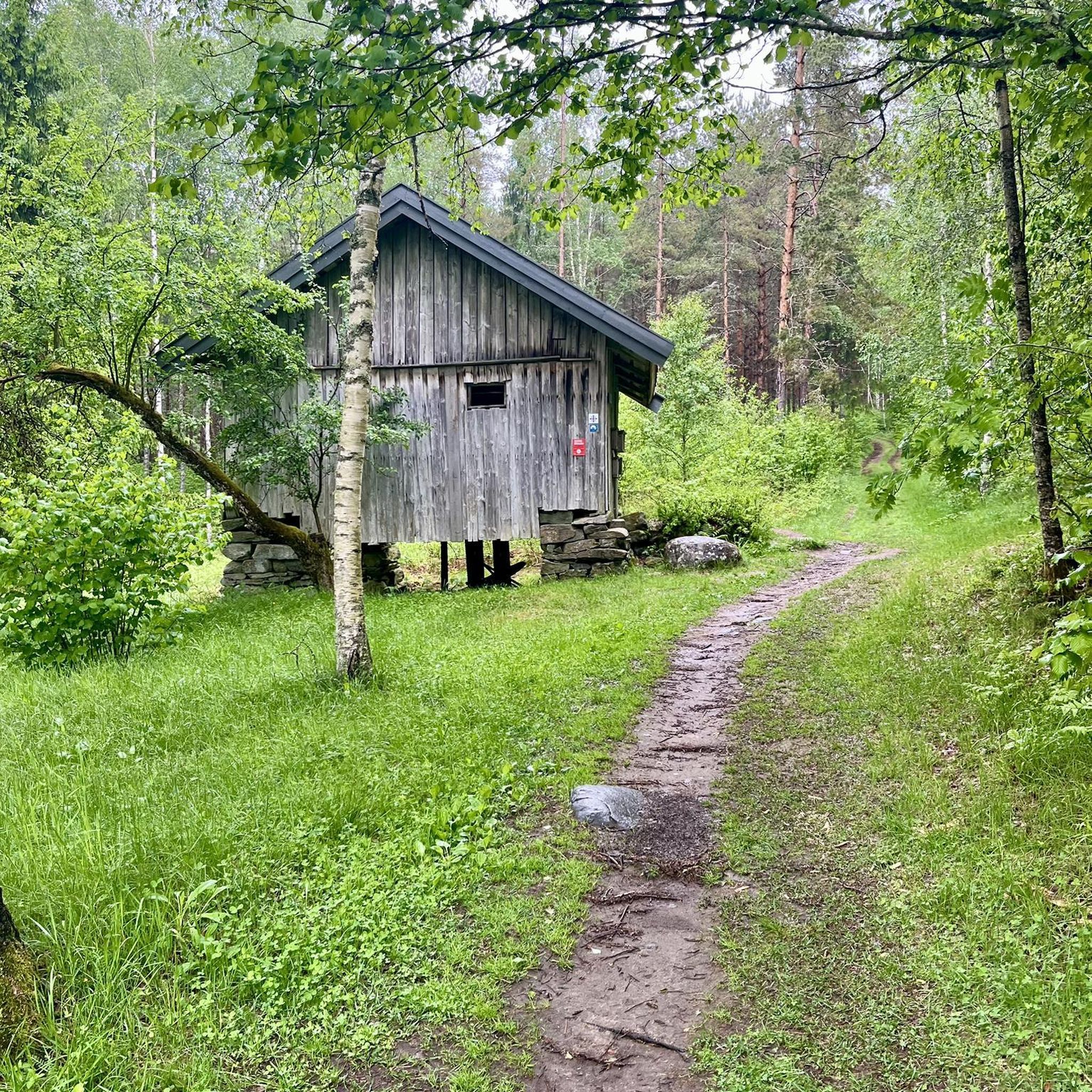
Picnic area with barbecue, with sink, tables and benches. There are trees that offer shade, which makes this picnic area the ideal place to rest.
16
0
3. Transition to Adults and Integration into the National Network (2004–Present) Name Change: In 2004, the institution extended its assistance to the adult population and changed its official designation to Hospital S. João de Deus. Continuing Care: In 2009, it formally integrated into the National Network of Integrated Continuing Care (RNCCI), providing specialized convalescence, rehabilitation, and palliative care services. 75 Years of History: The institution celebrated its 75 years of mission, marked by community events organized by the Montemor-o-Novo City Council and the Archdiocese of Évora.
10
0
1. Foundation and Children's Focus (1947–1956) [1] The Construction: Construction began in 1947 and the original building was inaugurated in 1950 as the S. João de Deus Children's Hospital. The adjoining church was completed in 1954. Initial Mission: The hospital was created to provide a national response for children suffering from poliomyelitis (infantile paralysis) and congenital malformations. Impact: By 1956, it had served around a thousand children, most of them from the south of the country. 2. Pioneering Physical Rehabilitation (1956–1969) Gulbenkian Support: Starting in 1956, the Calouste Gulbenkian Foundation began to subsidize the institution. This financial support allowed for the construction of a new hospital building in 1966. Multidisciplinary Approach: In 1969, the pioneering Hydrotherapy service was inaugurated. By combining a gymnasium, electrotherapy, and orthopedic workshops for prosthesis manufacturing, it became one of the first units in Portugal focused on integrated physical rehabilitation.
10
0
This is how all cycle paths should be, a dedicated lane for cyclists 🚴♀️, but an integral part of the road.
13
0
The São João de Deus Hospital, in Montemor-o-Novo, was inaugurated on October 3, 1950, as a children's hospital to treat children and victims of polio. It pays homage to João Cidade (Saint John of God), born in this Alentejo town in 1495.
13
0
Excellent place to rest, located halfway between Montemor-o-Novo and Évora. This place has a fountain, W.C., and a café-restaurant. The Fonte de Patalim and the stream Water is the central element that shaped human survival and settlement in this rural area. Geography: The region is crossed by the Ribeira de Patalim, a watercourse that has guaranteed the fertility of the fields over the centuries. Stopping point: The Fonte de Patalim has served for generations as a vital supply and rest point for those traveling through the region. The Venda do Patalim and the Royal Route Being located on the connecting axis between Montemor-o-Novo and Évora, the area developed a commercial aspect and support for travelers. Historical inn: Historical documents reveal the existence of the Venda do Patalim, a place for lodging and trade. Royal Passage: In May 1619, the entourage of King Philip III of Portugal (Philip IV of Spain) passed precisely by the Venda do Patalim on their way to Montemor-o-Novo.
17
0
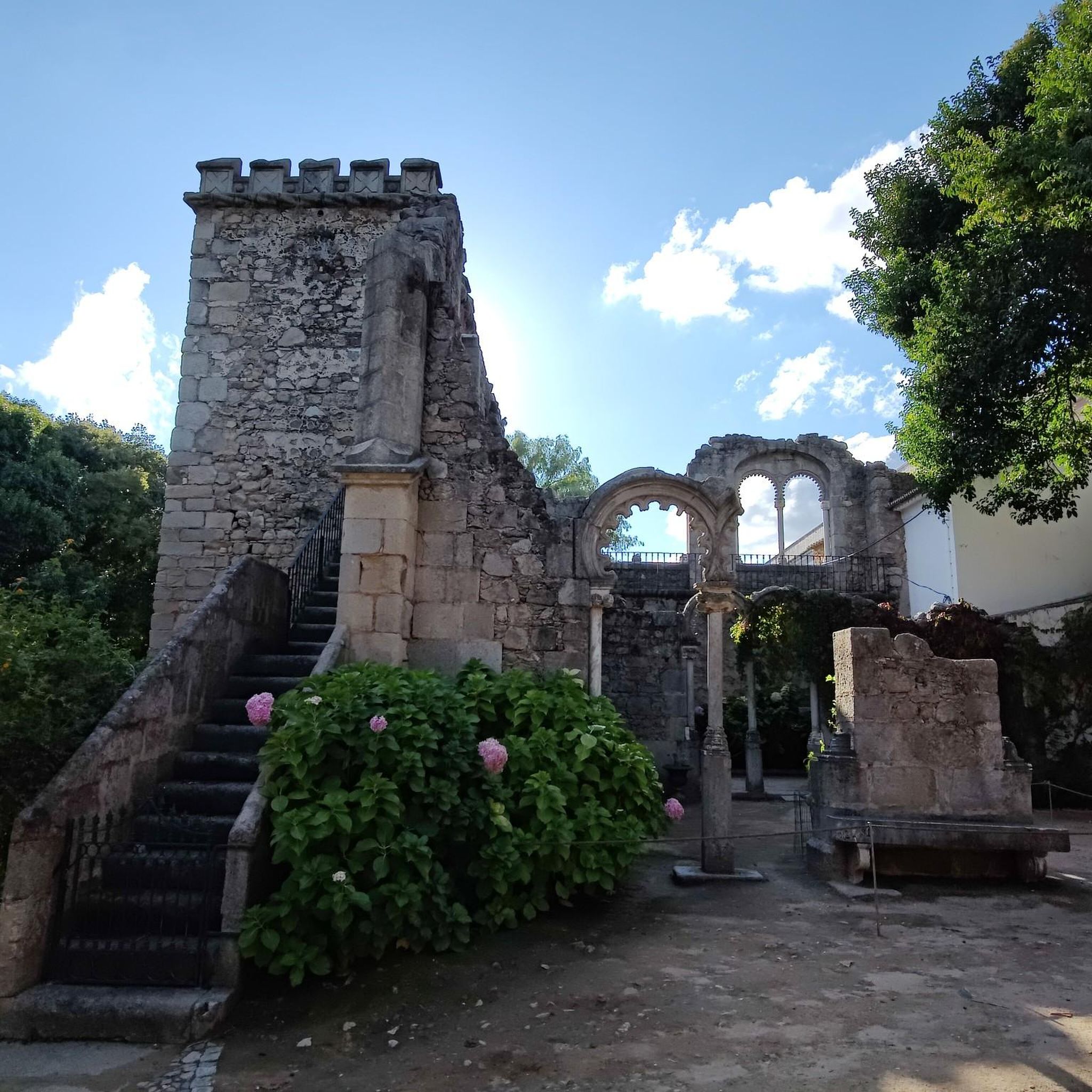
A dolmen to which a house was attached. It consists of a burial chamber, of whose original structure 7 upright stones are still visible in situ. Two of the upright stones are embedded in the walls of the building. From the original corridor of the dolmen, one upright stone remains on the right side, on which a wall rises, not showing any traces of the mound. Since the dolmen has always been part of the daily life of the inhabitants of the house, it has been used for various domestic purposes such as a chicken coop, rabbit hutch and, currently, a storage place. The resident of Monte do Estanque even made a fire inside the dolmen. (Source: Wikipedia) The dolmen is located about 200 meters from the national road 2, but it is very well signposted.
13
0
Frequently Asked Questions
How many road cycling routes are available around Horta Das Figueiras?
There are over 15 road cycling routes around Horta Das Figueiras, offering diverse experiences through the Alentejo region. These routes cater to various skill levels, from easy to difficult.
What are the difficulty levels of road cycling routes in the area?
The routes around Horta Das Figueiras offer a range of difficulties. You'll find 1 easy route, 11 moderate routes, and 4 more challenging routes, ensuring options for different fitness levels and preferences.
Are there any beginner-friendly or family-friendly road cycling options?
Yes, for beginners and families, the Ecopista do Ramal de Mora is an excellent choice. This traffic-free cycle route, built on a disused railway line, offers a smooth, mostly flat surface with a gentle incline, providing a safe and comfortable experience away from vehicular traffic. It starts in Évora and extends towards Arraiolos.
What kind of landscapes can I expect to see while road cycling around Horta Das Figueiras?
Road cycling routes in this region traverse expansive, rolling plains and gentle hills, characterized by the iconic 'Montado' landscape with extensive cork oak and olive groves. You'll experience a serene rural environment with continuous green fields, offering a tranquil escape.
Are there any circular road cycling routes available?
Many of the road cycling routes around Horta Das Figueiras are designed as loops, allowing you to start and finish in the same location. For example, the Valverde – Évora City Walls loop from Évora is a popular circular route that offers views of the historic city walls.
What historical landmarks or points of interest can I see along the routes?
The region is rich in history. Many routes weave past ancient features like the 16th-century Aqueduto da Água de Prata (Aqueduct of Silver Water), with some trails following its path for several kilometers. You can also encounter megalithic monuments such as the Almendres Cromlech and the Great Dolmen of Zambujeiro.
Are there routes that offer panoramic views?
Yes, some cycling paths, particularly those following the Aqueduto da Água de Prata, provide elevated points like Alto de São Bento, which offer panoramic views over Évora and the surrounding Alentejo landscape.
What do other cyclists say about road cycling in Horta Das Figueiras?
The area is highly rated by the komoot community, with an average score of 4.4 stars from over 5 reviews. Cyclists often praise the diverse terrain, the historical integration of the routes, and the peaceful rural environment.
Can I find routes that pass through or near the city of Évora?
Absolutely. Évora, a UNESCO World Heritage site, serves as a central point for many routes. For instance, the Aqueduct Hotel – Checkpoint 3, Évora loop from Évora often follows sections of the ancient Aqueduto da Água de Prata, which leads into the city. Routes also offer views of the well-preserved medieval walls of Évora.
Are there any longer, more challenging road cycling routes for experienced riders?
Yes, for experienced riders seeking a greater challenge, routes like the Checkpoint 3, Évora – View of Alqueva Reservoir loop from Évora offer a difficult, longer ride covering over 120 kilometers with significant elevation gain.
What is the best time of year for road cycling in this region?
The Alentejo region generally offers pleasant cycling conditions during spring and autumn, when temperatures are milder. Summers can be very hot, making early morning or late afternoon rides preferable. Winters are typically mild but can have some rainy days.
Where can I find more information about environmental routes and cycling paths in Évora?
The municipality of Évora has developed 'Environmental Routes' (Percursos Ambientais) and other cycling paths, some of which are located on the periphery of the historic center. For more details on these and other nature trails, you can visit the official Évora tourism website: visitevora.net.
Most popular routes around Horta Das Figueiras
Most popular attractions around Horta Das Figueiras

Get inspired with the komoot mobile app


Explore more
Browse the best Road cycling routes in other regions.
