The best road cycling routes around Senhora Da Saúde
4.7
(4)
375
riders
23
rides
Road cycling routes around Senhora Da Saúde traverse a landscape characterized by rolling hills, expansive plains, and ancient olive groves. The terrain is generally gentle to moderately hilly, featuring cork oak forests that form the unique Montado landscape. Many routes incorporate historical sites, including ancient aqueducts and megalithic monuments, blending natural scenery with cultural exploration.
Best road cycling routes around Senhora Da Saúde
- The most popular road cycling route is Valverde – Évora City Walls loop from Évora, a…
Last updated: July 8, 2026
4.3
(3)
48
riders
51.7km
02:26
510m
510m
Moderate road ride. Good fitness required. Mostly well-paved surfaces and easy to ride.
25
riders
46.4km
02:07
380m
380m
Moderate road ride. Good fitness required. Some segments of this route may be unpaved and difficult to ride.

Sign up for free
18
riders
65.7km
02:50
490m
490m
Moderate road ride. Good fitness required. Some segments of this route may be unpaved and difficult to ride.
21
riders
85.1km
04:01
730m
730m
Moderate road ride. Good fitness required. Some segments of this route may be unpaved and difficult to ride.
14
riders
111km
05:03
920m
920m
Hard road ride. Very good fitness required. Some segments of this route may be unpaved and difficult to ride.
Get access to more routes and recommendations from other explorers.
Sign up for free
Already have an account?
Our route recommendations are based on thousands of hikes, rides, and runs completed by other people on komoot.
Start today with a free account
Your next adventure awaits.
Login or Signup
Tips from the Community

3. Transition to Adults and Integration into the National Network (2004–Present) Name Change: In 2004, the institution extended its assistance to the adult population and changed its official designation to Hospital S. João de Deus. Continuing Care: In 2009, it formally integrated into the National Network of Integrated Continuing Care (RNCCI), providing specialized convalescence, rehabilitation, and palliative care services. 75 Years of History: The institution celebrated its 75 years of mission, marked by community events organized by the Montemor-o-Novo City Council and the Archdiocese of Évora.
10
0
1. Foundation and Children's Focus (1947–1956) [1] The Construction: Construction began in 1947 and the original building was inaugurated in 1950 as the S. João de Deus Children's Hospital. The adjoining church was completed in 1954. Initial Mission: The hospital was created to provide a national response for children suffering from poliomyelitis (infantile paralysis) and congenital malformations. Impact: By 1956, it had served around a thousand children, most of them from the south of the country. 2. Pioneering Physical Rehabilitation (1956–1969) Gulbenkian Support: Starting in 1956, the Calouste Gulbenkian Foundation began to subsidize the institution. This financial support allowed for the construction of a new hospital building in 1966. Multidisciplinary Approach: In 1969, the pioneering Hydrotherapy service was inaugurated. By combining a gymnasium, electrotherapy, and orthopedic workshops for prosthesis manufacturing, it became one of the first units in Portugal focused on integrated physical rehabilitation.
10
0
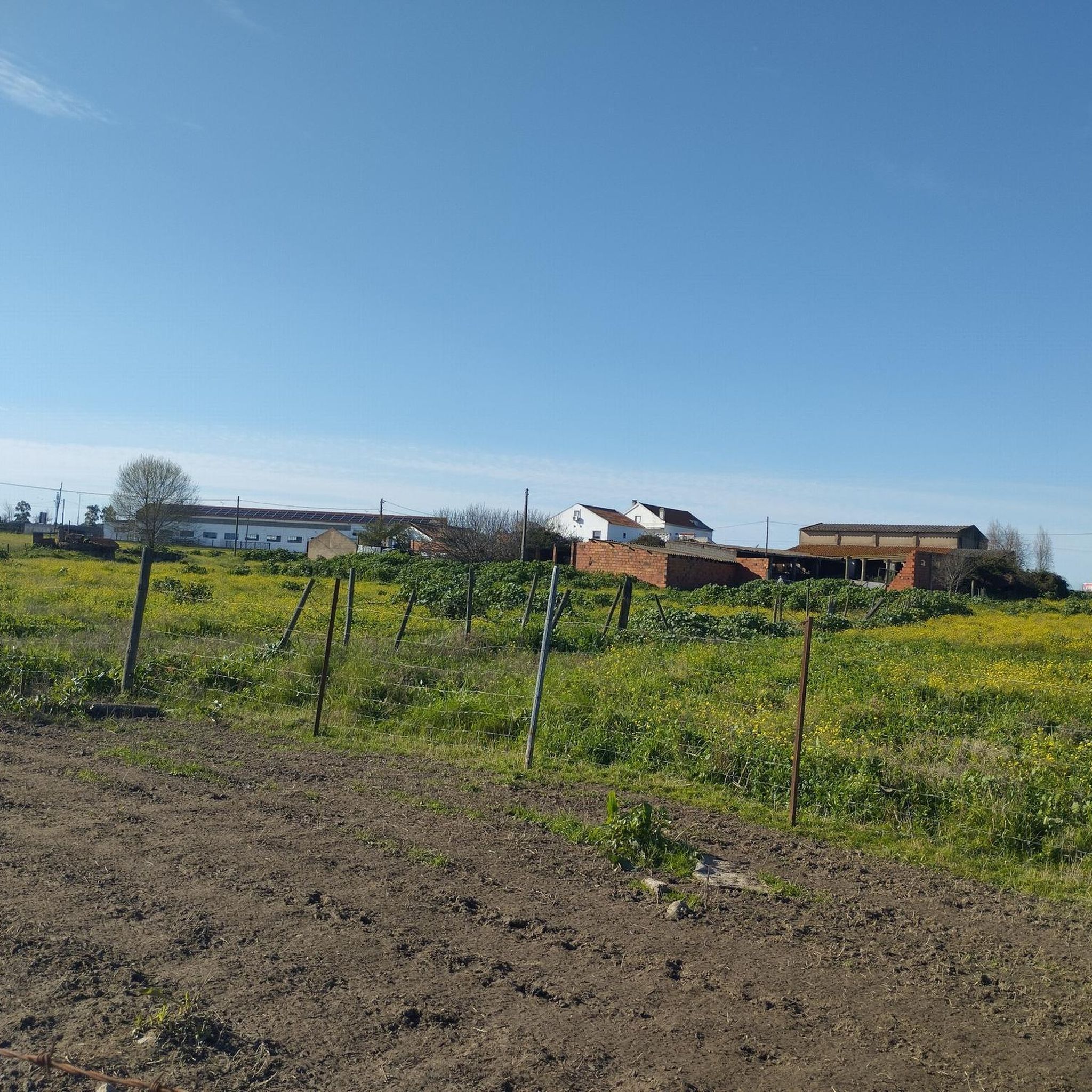
This is how all cycle paths should be, a dedicated lane for cyclists 🚴♀️, but an integral part of the road.
13
0
The São João de Deus Hospital, in Montemor-o-Novo, was inaugurated on October 3, 1950, as a children's hospital to treat children and victims of polio. It pays homage to João Cidade (Saint John of God), born in this Alentejo town in 1495.
13
0

In the historic center of the tranquil town of Évora stands the Roman Temple of Évora. The city's landmark is often also called the Temple of Diana, but historically has nothing to do with the Roman goddess of the hunt. A dedication to the highest deity Jupiter is more likely. The Roman Temple of Évora was probably built in the 1st century AD during the reign of Emperor Augustus and later modified under Emperor Claudius. The magnificent structure reflects Roman architecture with Corinthian-style columns.
3
0

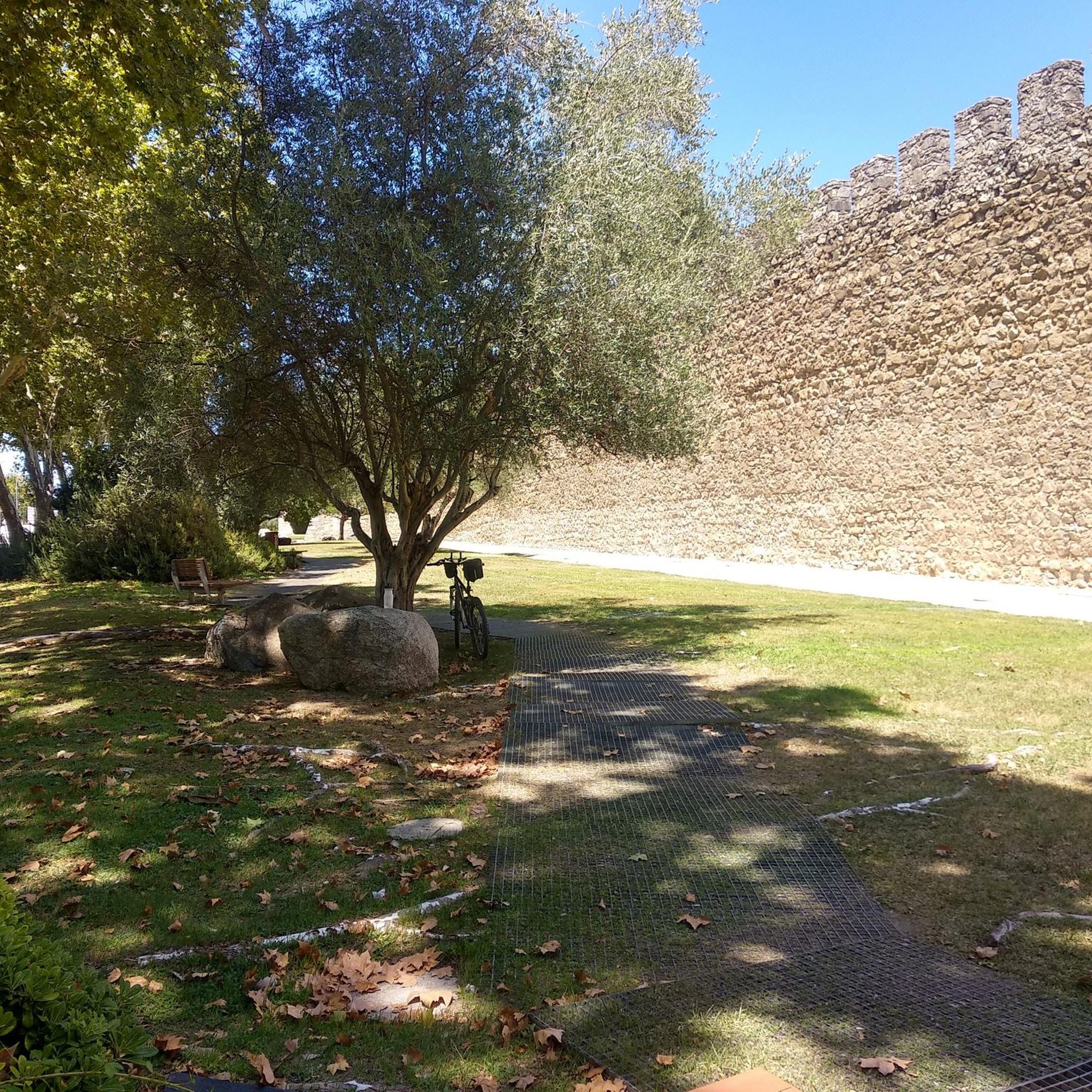
Fake ruins in the public garden of Évora
5
0

This Renaissance-style aqueduct was built between 1532 and 1537 and eventually supplied the entire population of Évora with clean drinking water. The city is located in an arid region with little rainfall throughout the year, so water had to be brought from a lake and a river several kilometers away. It connected the fountains over a distance of 18 km.
4
3
A huge parking lot in the north of Évora, right next to the aqueduct. A great starting point for a city tour.
3
4
Frequently Asked Questions
How many road cycling routes are available around Senhora Da Saúde?
There are over 25 road cycling routes around Senhora Da Saúde, offering a variety of experiences. These routes are highly rated by the komoot community, with an average score of 4.4 stars.
What kind of terrain can I expect when road cycling around Senhora Da Saúde?
The terrain around Senhora Da Saúde, particularly near Évora, is generally gentle to moderately hilly. You'll encounter rolling hills, expansive plains, ancient olive groves, and cork oak forests, forming the unique Montado landscape. Routes often blend natural scenery with historical exploration.
Are there road cycling routes suitable for beginners or families?
Yes, Senhora Da Saúde offers several routes suitable for beginners and families. There are 4 easy routes available, characterized by gentle gradients and scenic views. The region's generally gentle to moderately hilly terrain, especially around Évora, is well-suited for varied abilities.
What are some of the most popular road cycling routes in the area?
Among the most popular routes are the Valverde – Évora City Walls loop from Évora, a 32.5-mile (52.2 km) trail offering views of Évora's historic city walls. Another favorite is the Aqueduct Hotel – Checkpoint 3, Évora loop from Évora, which passes by historical features like the 16th-century Água de Prata Aqueduct.
Are there any challenging road cycling routes for experienced riders?
Yes, for more experienced riders seeking a challenge, there are 5 difficult routes available. An example is the Checkpoint 3, Évora – View of Alqueva Reservoir loop from Évora, a demanding 75.9-mile (122.1 km) route with significant elevation gain.
What historical sites or attractions can I see along the road cycling routes?
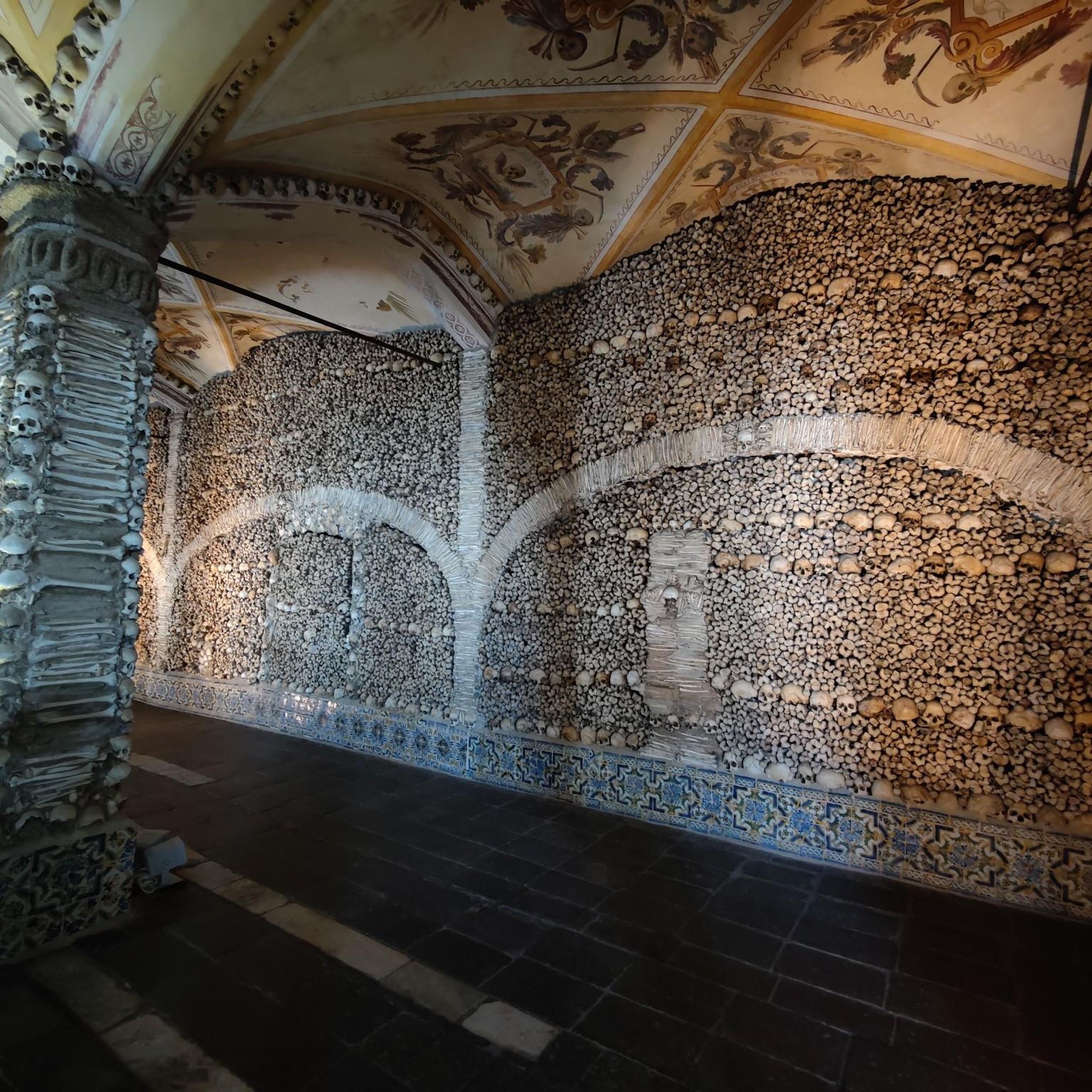
Many routes incorporate historical features. You can cycle past the 16th-century Silver Water Aqueduct (Évora), or explore the city's rich heritage by visiting Giraldo Square and the Roman Temple of Évora. Other notable sites include the Évora Cathedral and the Chapel of Bones.
Are there dedicated cycling paths or ecopistas in the region?
Yes, the Évora region features dedicated cycling paths, including 'ecopistas' which utilize former railway lines, providing traffic-free routes. These paths offer a safe and enjoyable cycling experience through the countryside.
What is the best time of year for road cycling around Senhora Da Saúde?
The Alentejo region, where Senhora Da Saúde is located, generally experiences hot, dry summers and mild winters. Spring (March to May) and Autumn (September to November) are often considered the best times for cycling, offering pleasant temperatures and beautiful landscapes. Summers can be very hot, especially midday.
Are there circular road cycling routes available?
Yes, many of the road cycling routes around Senhora Da Saúde are circular, allowing you to start and end at the same point. Examples include the Évora Public Garden – Church of the Holy Spirit loop from Évora and the Graça do Divor Former Railway Station – Arraiolos loop from Évora.
Where can I find cafes or accommodation near the cycling routes?
The city of Évora, being a central hub for many of these routes, offers numerous cafes, restaurants, and accommodation options. You'll find places to refuel and rest within the city and in the charming rural towns and villages you pass through on your rides.
Is public transport available to access the road cycling routes?
Évora is well-connected by public transport, including bus and train services, making it a convenient starting point for many routes. From Évora, you can often cycle directly onto the trails or use local transport to reach specific trailheads.
What do other road cyclists enjoy most about road cycling in Senhora Da Saúde?
The area is highly rated by the komoot community, with an average score of 4.4 stars from over 5 reviews. Reviewers often praise the blend of natural scenery with historical sites, the peaceful rural settings, and the variety of routes suitable for different fitness levels.
Most popular routes around Senhora Da Saúde
Most popular attractions around Senhora Da Saúde

Get inspired with the komoot mobile app


Explore more
Browse the best Road cycling routes in other regions.
