The best MTB trails around Nossa Senhora Da Vila
4.9
(9)
38
riders
8
rides
Mountain biking around Nossa Senhora Da Vila, located within the Évora District of Portugal's Alentejo region, offers varied terrain suitable for different skill levels. The landscape is characterized by gentle hills, dirt tracks, and areas with ancient olive groves and vineyards. Riders can expect routes that pass through natural settings, occasionally featuring panoramic views of the surrounding countryside.
Best mountain bike trails around Nossa Senhora Da Vila
- The most popular mountain bike trail is View of Montemor-o-Novo – 30 km…
Last updated: June 27, 2026
13
riders
Hard mountain bike ride. Very good fitness required. Suitable for all skill levels.
5.0
(1)
3
riders
Moderate mountain bike ride. Good fitness required. Suitable for all skill levels.

Sign up for free
1
riders
22.0km
01:23
190m
190m
Easy mountain bike ride. Great for any fitness level. Suitable for all skill levels.
1
riders
Hard mountain bike ride. Very good fitness required. Suitable for all skill levels.
5.0
(3)
2
riders
47.2km
03:27
490m
490m
Moderate mountain bike ride. Good fitness required. Suitable for all skill levels.
Get access to more routes and recommendations from other explorers.
Sign up for free
Already have an account?
Our route recommendations are based on thousands of hikes, rides, and runs completed by other people on komoot.
Start today with a free account
Your next adventure awaits.
Login or Signup
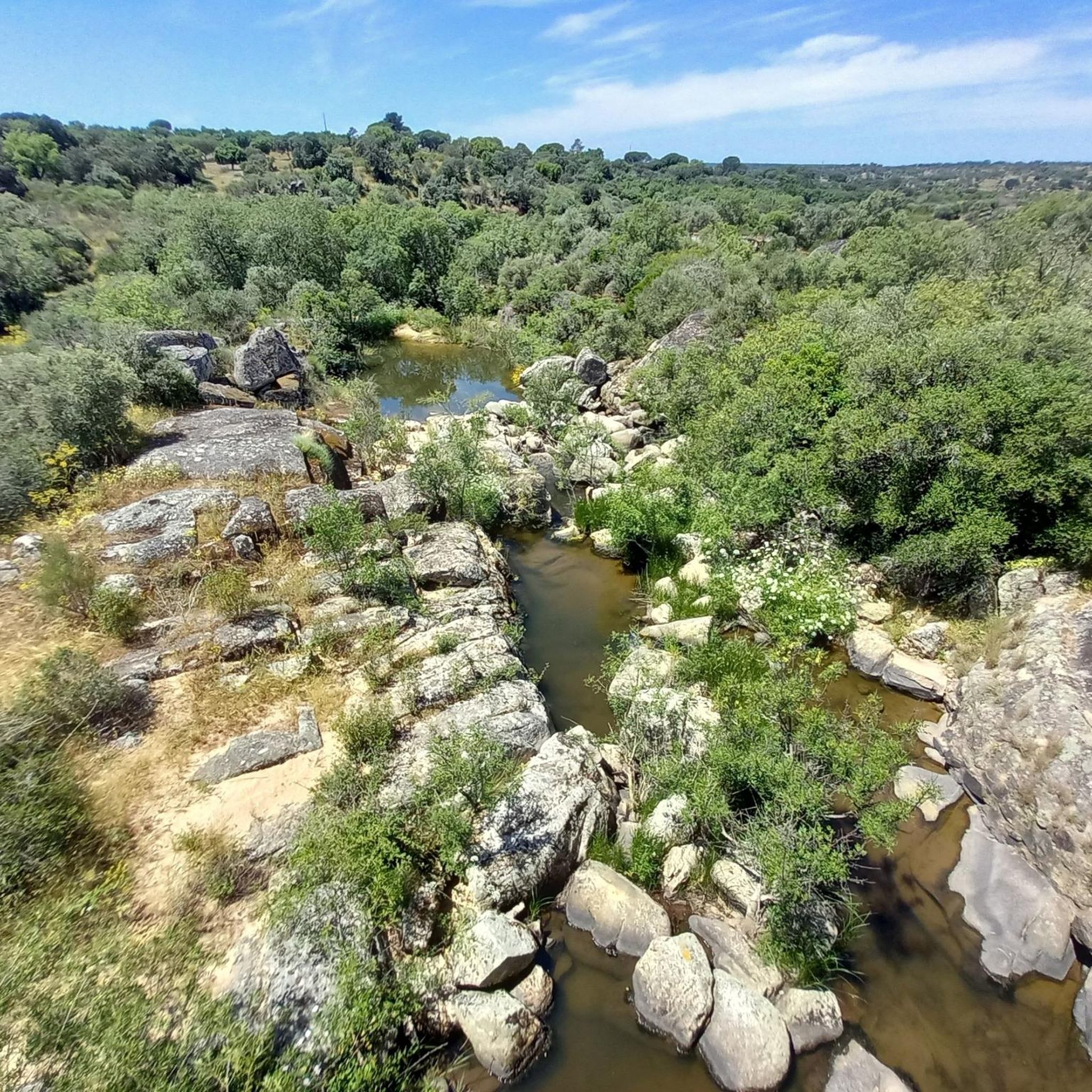
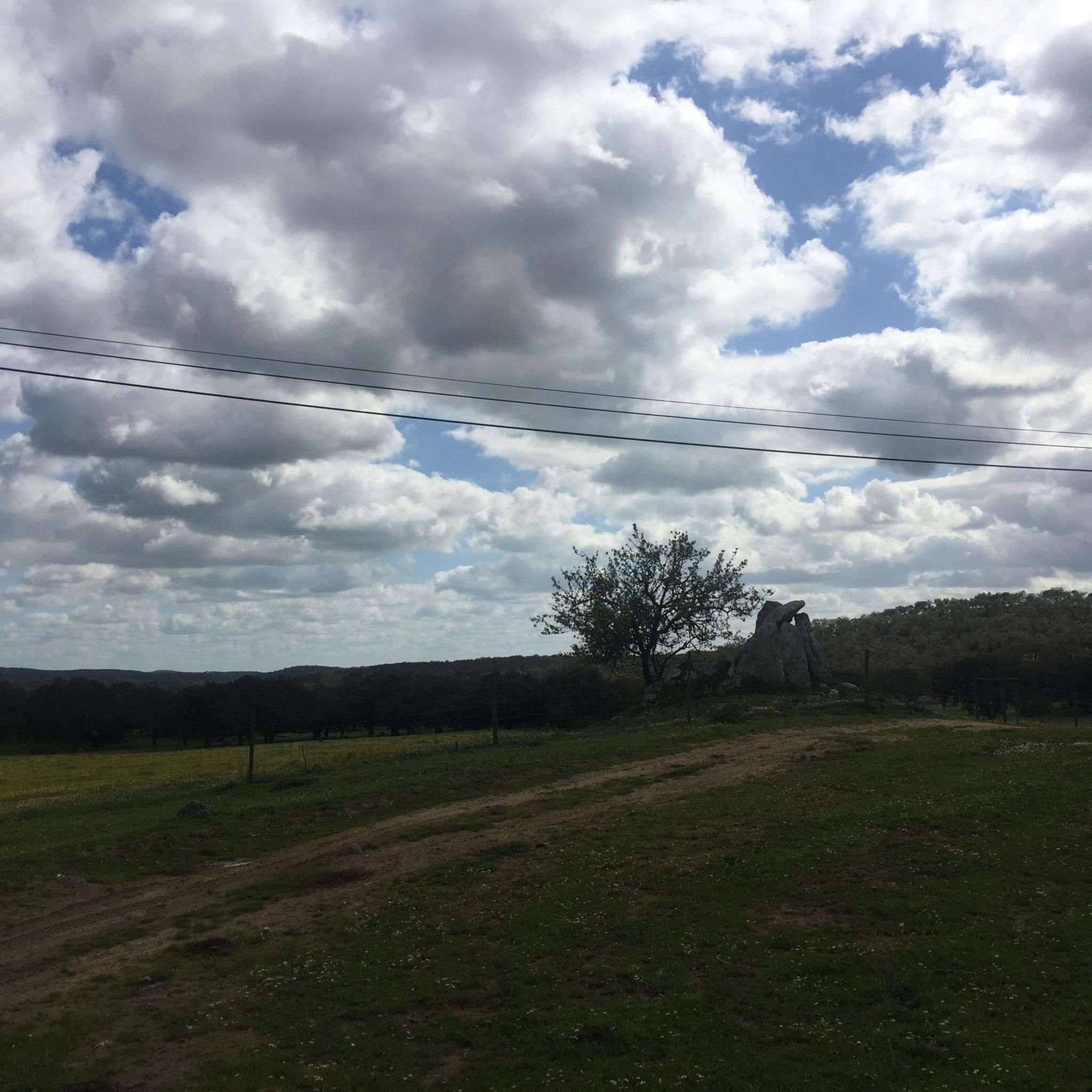
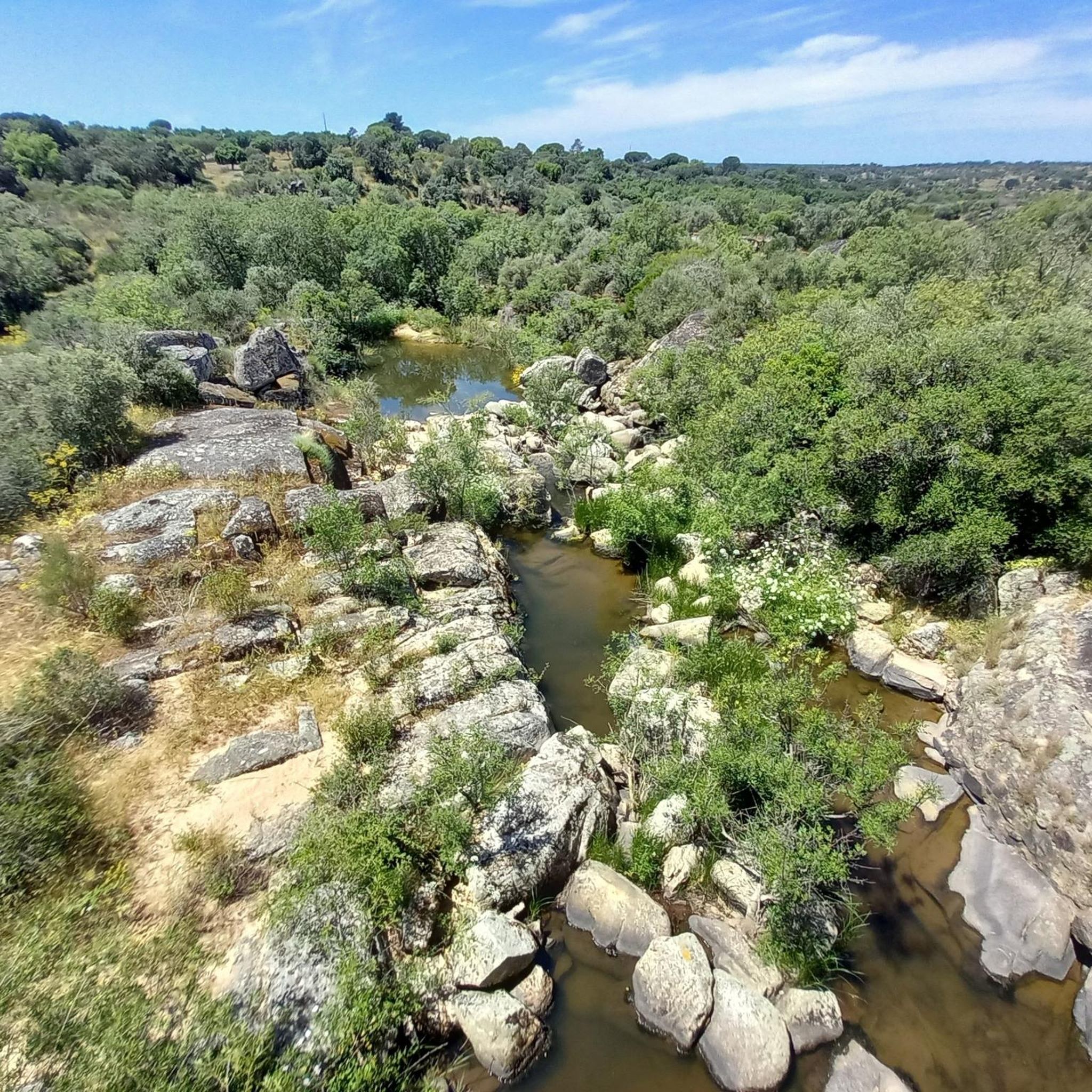

Tips from the Community

The former Convent of Bom Jesus da Mitra was recently renovated and converted into local accommodation...
6
0
São Cristovão is a village in the Alentejo region, belonging to the municipality of Montemor-o-Novo. The foundation of this parish must predate 1534. The former parish of São Cristovão, within the territory of Montemor-o-Novo, was a curacy under the patronage of the Archbishop of Évora. Its economic activity is based on agriculture, livestock farming, bread making, and cattle breeding. São Cristovão is a white and welcoming village, smiling at every visitor, with natural heritage open to those who know how to discover it. It undoubtedly deserves a visit, especially for lovers of Alentejo gastronomy. There are good routes to explore by hiking or cycling in the area.
2
0
We are in the Central Alentejo, in the district of Évora, in the municipality of Montemor-o-Novo, to visit the parish of São Cristovão. Halfway between Montemor-o-Novo and Alcácer do Sal, São Cristovão is a village on the sea plain on the way to the beaches. The origin of this village is closely linked to a legend, in which Saint Christopher is credited with choosing the location of the church, which is why the people chose this Saint as their Patron Saint and the unifying symbol of their Faith. The narrow valley of the Ribeira de São Cristovão is home to several "monuments" of natural architecture. On the edge of the village is the Church of São Cristovão, built in the 16th century. Inside it is a curious 16th century sculpture of the Patron Saint. The visit to São Cristovão continues with a trip to the so-called "Heel of the World" and the megalithic complex of Tojal. The "Heel of the World" is a large rock in the narrow and impressive valley of the Ribeira de São Cristovão. The foundation of this parish must have been before 1534. The old parish of São Cristovão, in the Montemor-o-Novo area, was a parish under the presentation of the Archbishop of Évora. Its economic activity is based on agriculture, livestock farming, baking and cattle breeding. São Cristovão is a white and welcoming village, smiling at each visitor, a natural heritage open to those who know how to discover it. It is undoubtedly worth a visit, especially for lovers of Alentejo cuisine.
5
0
Popular space where affordable meals are served, except on Sundays, as this is the establishment's day off.
4
0
Montemor-o-Novo Castle is located in the parish of Nossa Senhora da Vila, in the municipality of Montemor-o-Novo, in the district of Évora, in Alentejo, Portugal. In a dominant position on the highest hill in the region, the castle originally sheltered the village within its walls, which, as it developed, expanded along the slope to the north. Historical documents confirm that Vasco da Gama finalized his plans for his voyage to India in this castle. Background The earliest human occupation of this site possibly dates back to a prehistoric Romanized fort, according to the abundant archaeological evidence in the region. This was where the Roman roads from Santarém and the mouth of the River Tagus met, continuing via Évora to Mérida. The site would have been fortified for this reason. Centuries later, during the Muslim invasion of the Iberian Peninsula, the name Almançor remained in the region, in the toponymy of the Almansor river. Some authors claim that there was also a Muslim fortification here. The medieval castle During the Christian reconquest of the Iberian Peninsula, the town was conquered by Portuguese forces under the command of D. Sancho I (1185-1211). With a view to repopulating and defending it, the sovereign granted it a Charter in 1203. It is believed that the construction of the medieval castle began at this stage. During the reign of D. Dinis (1279-1325), major reforms were undertaken to the town's defences, including the construction of the town's fence, which was completed in 1365. Once the Avis dynasty was established, the domain of Montemor-o-Novo became a third part of the lordship of Constable D. Nuno Álvares Pereira. Throughout the 15th century, the castle underwent renovation work, carried out by master stonemason Afonso Mendes de Oliveira. In the 15th and 16th centuries, the town reached its greatest prosperity, due not only to regional trade, but also to the fact that the Court remained for long periods in Évora, which made the town the scene of events such as the Cortes of 1495, when King Manuel I (1495-1521) decided to discover the sea route to India. This sovereign granted the town a new charter in 1503. Later, under the reign of King Sebastian (1557-1578), it was granted the title of Notable Town (1563), considering it to be an ancient place with a large population.
7
1

In addition to being crossed by National Road No. 2, Santiago do Escoural has good mountain bike trails nearby, both on the plains and in the Serra de Monfurado.
5
0
The Church is known as: Main Church, Parish Church or Saint James Church. It has religious architecture from the 16th and 18th centuries.
8
0
Frequently Asked Questions
How many mountain bike trails are available around Nossa Senhora Da Vila?
There are 9 mountain bike trails documented around Nossa Senhora Da Vila on komoot. These routes offer a variety of experiences, from moderate to more challenging rides, exploring the diverse terrain of the Évora District.
What is the best time of year for mountain biking in Nossa Senhora Da Vila?
The Alentejo region, where Nossa Senhora Da Vila is located, generally offers pleasant conditions for mountain biking outside of the peak summer heat. Spring and autumn are ideal, with milder temperatures and lush landscapes. Winter can also be suitable, though some trails might be affected by wet weather, so checking local conditions is advisable.
Are there any family-friendly mountain bike trails in Nossa Senhora Da Vila?
While the guide primarily features moderate and difficult routes, the Milestone of Mitra loop from Anta Grande do Zambujeiro is rated as easy, making it a good option for families or those seeking a less strenuous ride. This 14.3-mile (23.0 km) trail leads through rural landscapes.
What kind of terrain can I expect on the mountain bike trails?
The trails around Nossa Senhora Da Vila feature varied terrain, including dirt tracks and gentle hills. You'll often ride through ancient olive groves and vineyards, with some routes offering panoramic views of the surrounding countryside. The region's natural parks also contribute to diverse ecosystems and natural beauty.
Are there any circular mountain bike routes available?
Yes, many of the mountain bike routes around Nossa Senhora Da Vila are circular. For example, the popular View of Montemor-o-Novo – 30 km Multi-Terrain Route loop from Montemor-o-Novo and the longer 30 km Multi-Terrain Route – View of Montemor-o-Novo loop from Montemor-o-Novo are both loops, allowing you to start and finish at the same point.
What can I see or explore along the mountain bike trails?
The area around Nossa Senhora Da Vila is rich in historical and natural attractions. You can encounter ancient megalithic sites such as the Almendres Cromlech and the Great Dolmen of Zambujeiro. Additionally, routes may pass by historic structures like the Montemor-o-Novo Castle or offer views of charming settlements like Arraiolos.
Are there any challenging mountain bike trails for experienced riders?
Yes, for experienced riders seeking a challenge, there are difficult routes available. The View of Montemor-o-Novo – 30 km Multi-Terrain Route loop from Montemor-o-Novo, at 47.2 miles (75.9 km) with significant elevation changes, is classified as difficult and offers an extended, demanding ride.
What do other mountain bikers say about the trails in Nossa Senhora Da Vila?
The mountain bike trails in Nossa Senhora Da Vila are highly regarded by the komoot community, holding an average rating of 4.9 out of 5 stars from over 10 reviews. Riders often praise the varied terrain, the scenic views, and the opportunity to explore the rural landscapes of the Alentejo region.
Are the mountain bike trails suitable for dogs?
While specific regulations for dogs on trails can vary, many natural areas in Portugal are generally dog-friendly, especially on leash. Given the rural nature of the trails around Nossa Senhora Da Vila, passing through olive groves and vineyards, it's likely that well-behaved dogs on a leash would be welcome. Always ensure your dog is under control and respect any local signage.
Where can I find parking or access points for the trails?
Many routes, such as the View of Montemor-o-Novo – Baldios Pastures loop from Montemor-o-Novo, start and end in or near Montemor-o-Novo, a town that typically offers public parking facilities. For routes starting from specific landmarks like the Anta Grande do Zambujeiro, there is often designated parking nearby for visitors to these historical sites.
Are there any cafes or places to rest near the mountain bike routes?
As many routes originate from or pass near Montemor-o-Novo, you'll find cafes, restaurants, and other amenities within the town. The Alentejo region is known for its charming small villages, and some trails may pass through or near these, offering opportunities for a break and refreshment.
What is the longest mountain bike trail in the area?
The longest trail featured in this guide is the difficult View of Montemor-o-Novo – 30 km Multi-Terrain Route loop from Montemor-o-Novo, which spans 47.2 miles (75.9 km) and typically takes over 5 hours to complete, offering an extensive exploration of the region.
Most popular attractions around Nossa Senhora Da Vila

Get inspired with the komoot mobile app


Explore more
Browse the best MTB trails in other regions.
