Attractions and Places To See around Redondo - Top 20
Best attractions and places to see around Redondo, Portugal, include historical sites, natural landscapes, and cycling routes. This region in the Alentejo is characterized by its rolling plains, cork oak forests, and historic towns. Visitors can explore ancient castles, tranquil trails, and scenic pathways. The area offers a blend of cultural heritage and outdoor activities for various interests.
Best attractions and places to see around Redondo
- The most popular attractions is Évora Bike Path, a cycle way that offers…
Last updated: August 12, 2026
Evoramonte Castle
Highlight • Castle
Translated by Google •
Tip by

Serra d'Ossa Boardwalks
Highlight (Segment) • Trail
Translated by Google •
Tip by

Sign up now to discover places like this
Get recommendations on the best single tracks, peaks, & plenty of other exciting outdoor places.
Sign up for free
Montado Cork Oak Forest
Highlight • Forest
Translated by Google •
Tip by
Nossa Senhora do Monte da Virgem
Highlight • Religious Site
Tip by
Évora Bike Path
Highlight (Segment) • Cycleway
Tip by

Sign up for free to discover even more attractions around Redondo.
Sign up for free
Already have an account?
Start today with a free account
Your next adventure awaits.
Login or Signup

Tips from the Community

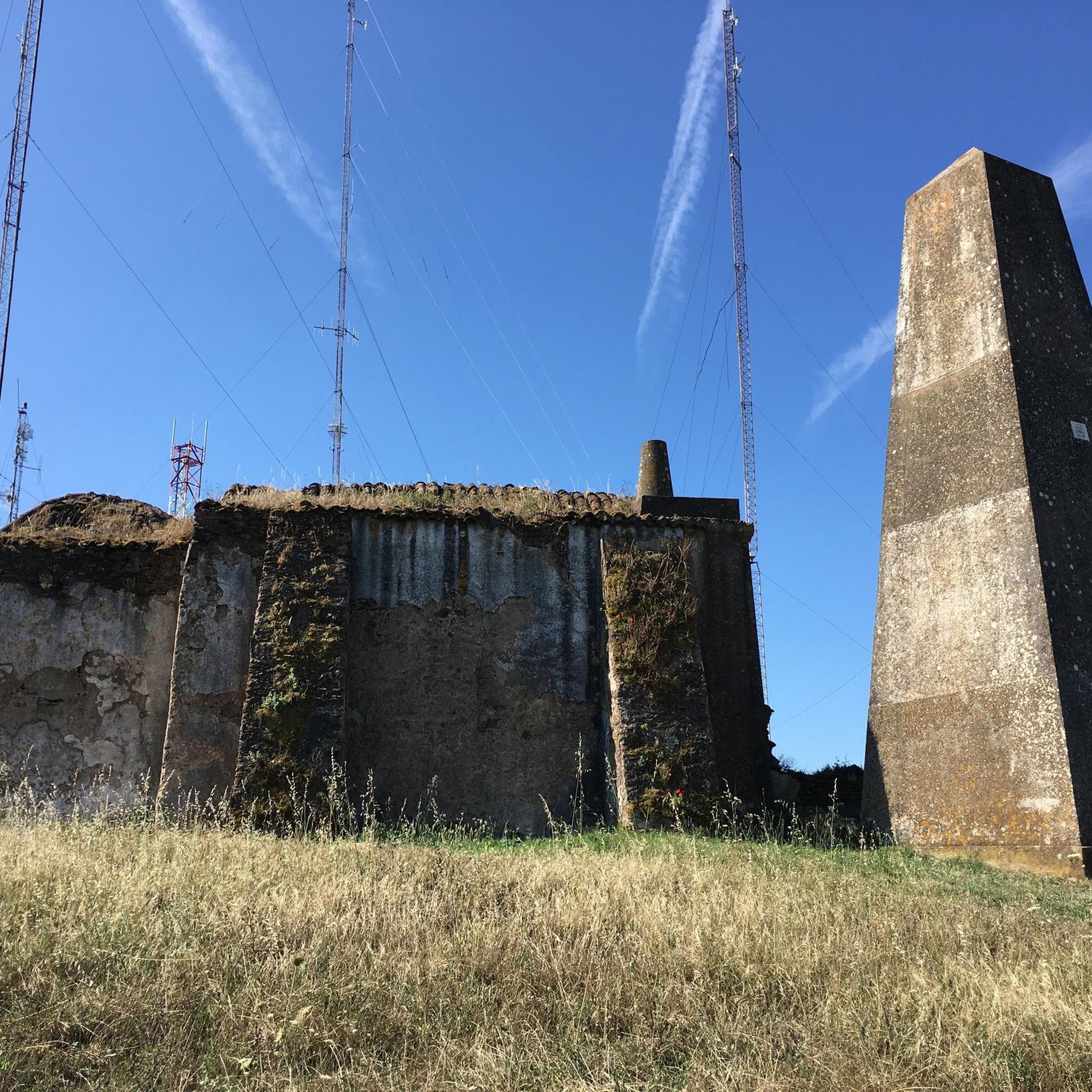
This sanctuary is located in an elevated position that offers spectacular views of the city of Porto, the Douro River and the Atlantic Ocean. It is an important place of pilgrimage and devotion for the local community. In addition to its religious significance, the site is highly regarded for its viewpoint.
1
0

This is a typical rural building in Alentejo, consisting of: narthex, nave, chancel, baptistery and sacristy. Inside, in the chancel, you can see a mural painting of musicians with angels in female costumes and tiles, the latter of which were replaced during the restoration work in 1996, as was the case with the flooring.
4
1
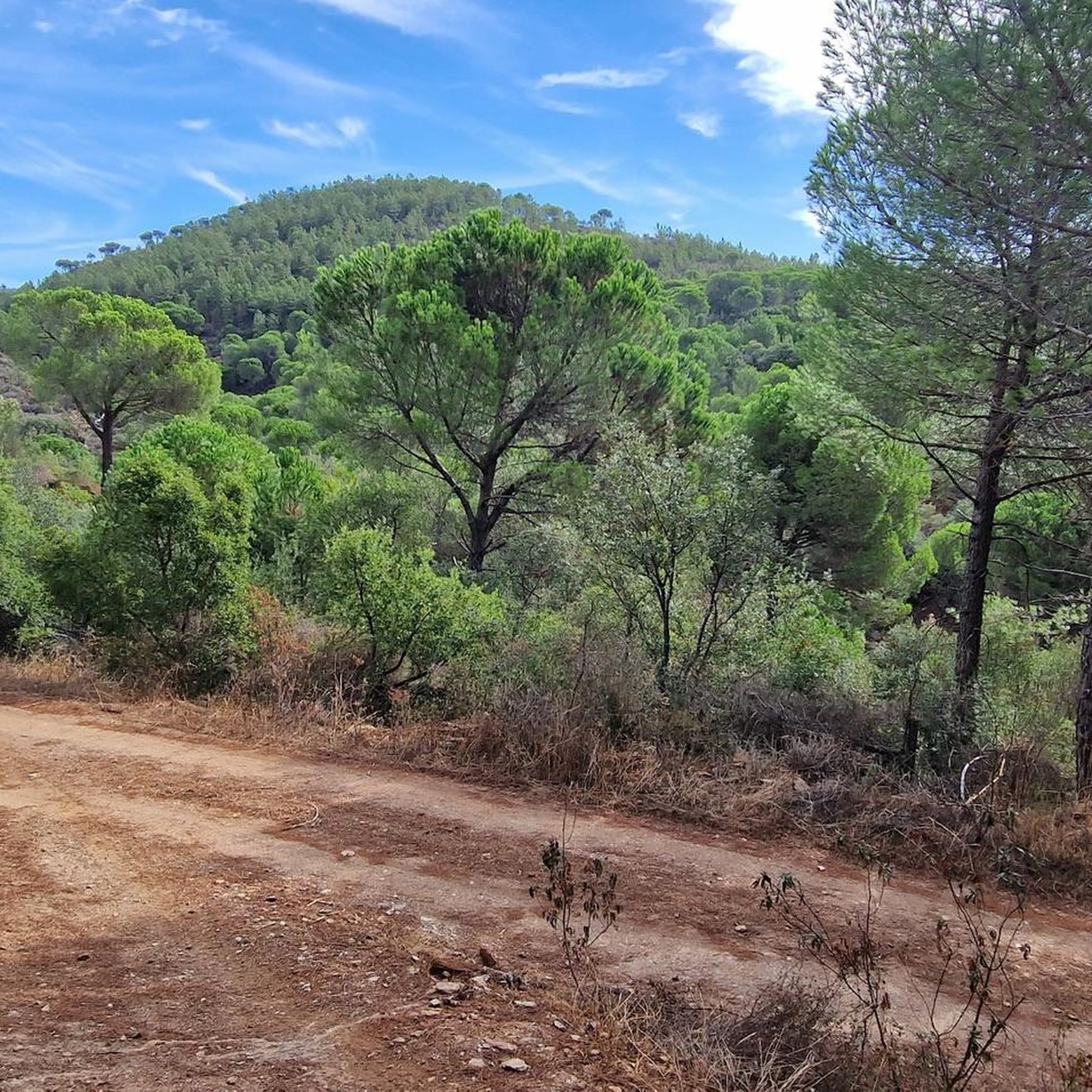
The Serra d’Ossa Walkways run along the verdant valley of the Ribeira do Monte Virgem, along steep schist cliffs, between the village of Aldeia da Serra and the imposing Church of Nossa Senhora do Monte da Virgem, preceded by a long (and steep) staircase with approximately 300 steps. Although the Serra d’Ossa Walkways only opened in April 2021, they are already one of the must-see places in the Alentejo for all nature lovers. After all, walking along them allows you to discover a very different side of this region in the south of Portugal, more associated with vast plains than with steep cliffs. The Serra d’Ossa Walking Trail is only 1.5 km long (3 km round trip), which makes it a great walk to do with children. Not only because it is relatively short, but above all because it does not have significant differences in height, with the exception of the section of the staircase that precedes the Church of Nossa Senhora do Monte da Virgem. ( www.vagamundos.pt )
5
0
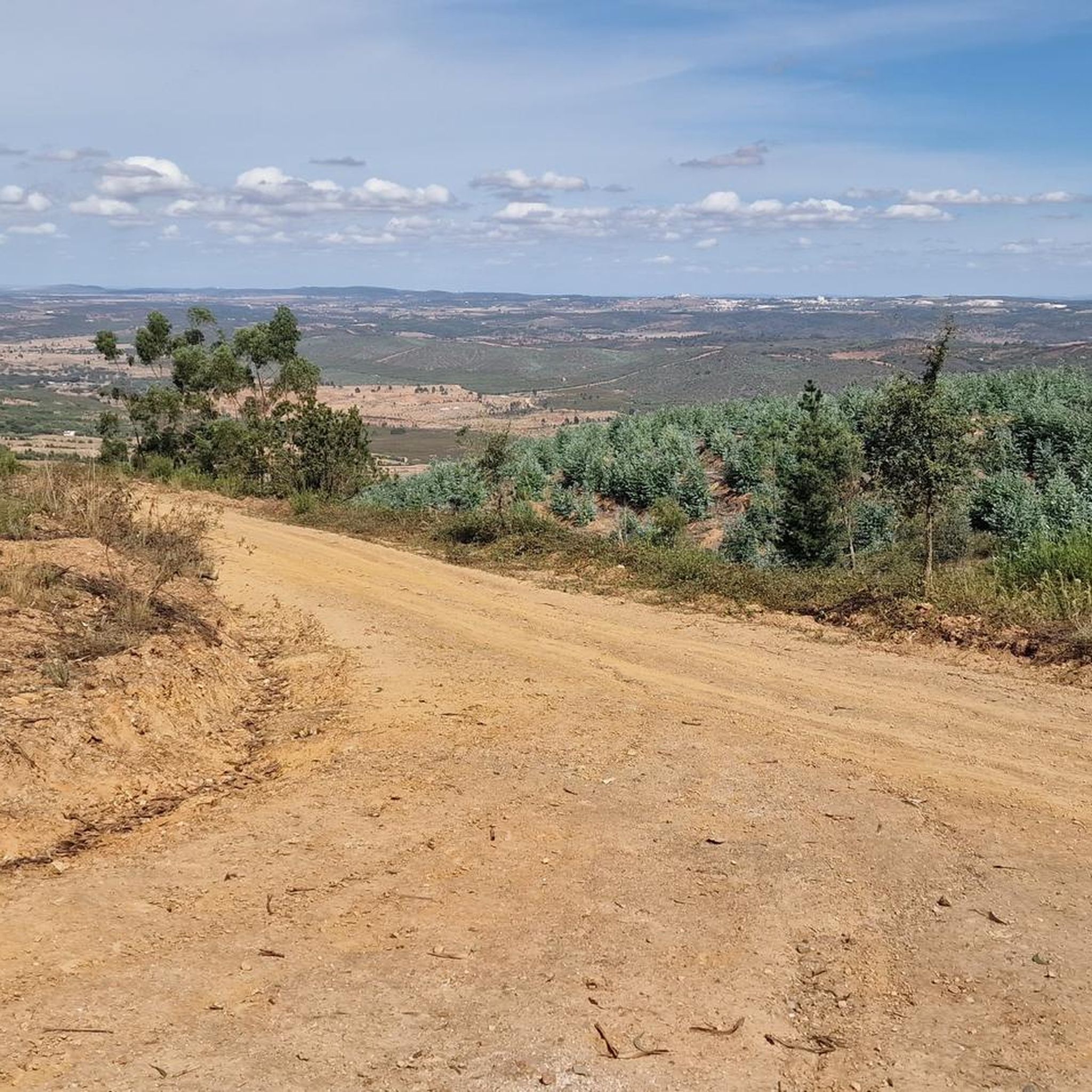
If you've ever been curious about the origin of the cork in your wine bottle, or questioned the composition of the notice board hanging in your workspace, then this guide is specifically designed to answer your queries. The cork oak, or Quercus suber, is a fascinating tree species that primarily grows in the Mediterranean region. Its unique bark is the source of the world's cork supply, a material that is used in a multitude of applications, from wine stoppers to insulation. In this all-encompassing guide, we will thoroughly investigate the mysteries of the cork oak, examining its native surroundings, its significance in the financial structures of Portugal and Spain, and the multitude of its applications. We will also take a close look at the cork production process, including the art of cork harvesting and the fascinating phenomenon of cork regeneration. Portugal and Spain stand as the global frontrunners in cork production, and much like the white oak of North America, the cork oak occupies a distinct position within the cultural and economic fabric of these nations. In Portugal, the montado landscapes are deeply intertwined with rural life, providing a source of income for many communities through cork production and other activities such as farming and beekeeping. In Portugal, the Montado landscapes are similarly important, with the cork oak providing a range of resources including cork, acorns for livestock, and wood for charcoal production. The cork industry in these countries is a significant employer, providing jobs in areas such as harvesting, processing, and manufacturing. Agroforestry, the practice of combining agriculture with forestry, is a key aspect of sustainable cork production. In the montado and dehesa landscapes of Portugal and Spain, cork oaks are grown alongside crops and livestock, creating a diverse and productive landscape. This form of land use not only provides a range of resources, including cork, food, and timber, but also supports a rich biodiversity and helps to conserve soil and water resources. This illustrates a prime instance of how humanity can coexist harmoniously with nature, utilizing resources sustainably.
5
1
This is a typical Alentejo rurality construction, consisting of: narthex, nave, chancel, baptistery and sacristy. Inside, the chancel, one can see a mural musicians with angels in female attire and tiles, the latter, replaced during the restoration, in 1996, as happened with the pavement.
4
1
The Concession of Evoramonte, also known as the Convention of Evoramonte, was a document signed on 26 May 1834, in Evoramonte, in Alentejo, between the Constitutionalists and the Miguelites, that ended the period of civil war (1828–1834) in the Kingdom of Portugal. On the Concession of Evoramonte, Dom Miguel I of Portugal, to end the bloodbath in the country after six years of civil war, surrendered and abandoned his claim to the Portuguese throne, being also subjected to exile and perpetual banishment from the Kingdom of Portugal. It was signed by the representatives of the Constitutionalists, the Marshals of the Army, Duke of Terceira and Count of Saldanha, and by the Miguelite representative, Lieutenant General José António Azevedo e Lemos.
7
0
The Concession of Evoramonte, also known as the Convention of Evoramonte, was a document signed on 26 May 1834, in Evoramonte, in Alentejo, between the Constitutionalists and the Miguelites, that ended the period of civil war (1828–1834) in the Kingdom of Portugal. On the Concession of Evoramonte, Dom Miguel I of Portugal, to end the bloodbath in the country after six years of civil war, surrendered and abandoned his claim to the Portuguese throne, being also subjected to exile and perpetual banishment from the Kingdom of Portugal. It was signed by the representatives of the Constitutionalists, the Marshals of the Army, Duke of Terceira and Count of Saldanha, and by the Miguelite representative, Lieutenant General José António Azevedo e Lemos.
3
0
The picturesque and delightful parish of Evoramonte (or Évora Monte) is located between the beautiful cities of Évora and Estremoz. Once of great geographical and military importance, this Alentejo town, whose walls still protect its inhabitants from the top, feels like an ancient warrior patiently awaiting visitors with countless stories to tell. Clearly divided into two very distinct parts, Evoramonte combines the current life of the lower area with its medieval town located at the top of the Serra d’Ossa. Although its history dates back to prehistoric times, this unusual Alentejo town had its first notable moment during the 12th century. Around the 1160s, the Reconquest of Portugal from the Moors was underway and the Alentejo region was considered one of the most difficult for the troops of D. Afonso Henriques. It was exactly at this time that Geraldo Geraldes, better known as Geraldo Sem Pavor (yes, the one who would give his name to the famous Praça do Giraldo), offered himself to the King to help him retake the Alentejo lands lost to the Saracens.
7
0
Frequently Asked Questions
What historical sites can I visit around Redondo?
The region is rich in history. A must-see is Evoramonte Castle, a medieval fortress located between Évora and Estremoz. This castle, begun in the Gothic style in 1160, has a significant past, including being the site of the Concession of Evoramonte in 1834. You can also explore the historic Town of Borba, known for its historical significance and wine production.
Are there any family-friendly attractions in the Redondo area?
Yes, several attractions are suitable for families. The Serra d'Ossa Boardwalks offer an easy 1.5 km walk (3 km round trip) along the Ribeira do Monte Virgem, perfect for children due to its relatively short length and minimal elevation changes. The Montado Cork Oak Forest is another great option for families to learn about cork production and enjoy nature.
Where can I go for a scenic walk or hike near Redondo?
For scenic walks, the Serra d'Ossa Boardwalks provide a unique experience along steep schist cliffs. If you're looking for more extensive hiking, you can find various trails in the area. Explore routes like the 'Eremitas da Serra D'Ossa (PR 4) — circular route' or the 'Lake – Montado Cork Oak Forest loop' by visiting the Hiking around Redondo guide.
What cycling opportunities are available around Redondo?
Redondo is a great region for cycling. The Évora Bike Path is a popular cycle way offering a good path for exploration. For road cycling enthusiasts, there are several routes, including the 'Serra d'Ossa Cycling Loop' and the 'Redondo and Castelo de Valongo Loop'. You can find more details and routes in the Road Cycling Routes around Redondo guide.
Can I see cork oak forests in the Redondo region?
Yes, the Alentejo region, including Redondo, is well-known for its cork oak forests. You can visit the Montado Cork Oak Forest to learn about the unique process of cork harvesting and its significance to the local economy and environment. These landscapes are a prime example of sustainable agroforestry.
What is special about Evoramonte Castle?
Evoramonte Castle is a significant historical landmark. It's a well-preserved medieval castle with Gothic and Manueline architectural elements, dating back to 1160. Beyond its impressive structure, it's famous for being the signing place of the Concession of Evoramonte in 1834, which ended a period of civil war in Portugal.
Are there any running trails near Redondo?
Yes, the area offers various running trails. You can find challenging routes like the 'Our Lady of Monte da Virgem – Alto de São Gens loop' or a moderate 'Running loop from Redondo'. For a comprehensive list and details, check out the Running Trails around Redondo guide.
What kind of natural landscapes can I expect to see?
The Redondo region is characterized by rolling plains, cork oak forests, and unique geological features. You can experience the verdant valley of the Ribeira do Monte Virgem along the Serra d'Ossa Boardwalks, which feature steep schist cliffs. The Montado Cork Oak Forest also offers a glimpse into the region's distinctive ecosystem.
What do visitors enjoy most about the attractions around Redondo?
Visitors appreciate the blend of historical richness and natural beauty. The medieval charm of Evoramonte Castle and the tranquil, scenic walks along the Serra d'Ossa Boardwalks are frequently highlighted. The opportunity to explore the unique Montado Cork Oak Forest also receives positive feedback.
Is there a good place for cycling near Évora from Redondo?
Yes, the Évora Bike Path is a notable cycle way that provides a good route for exploring the area, including connections towards Évora. It's a relatively new path that offers a pleasant cycling experience.
What is the Town of Borba known for?
The Town of Borba is a historic settlement in the Alentejo region, particularly renowned as a wine town. It's part of the Alentejo wine route and is known for producing excellent wines that are exported internationally.
Most popular routes around Redondo
Most popular attractions around Redondo

Get inspired with the komoot mobile app


Explore more
Still not found the Highlight you’re looking for? See guides of the top attractions in other regions:
