The best road cycling routes around Malpartida
62
riders
16
rides
Road cycling routes around Malpartida traverse a distinctive landscape characterized by ancient granite rock formations and four historic water reservoirs. The area features a mix of relatively flat sections and gentle ascents, with many paths offering mostly paved surfaces. Holm oaks and cork oaks dot the terrain, providing a natural setting for cycling.
Best road cycling routes around Malpartida
- The most popular road cycling route is Almeida and Puerto Seguro - circular route through the Duero Special Protection Area,…
Last updated: July 11, 2026
2
riders
Moderate road ride. Good fitness required. Mostly well-paved surfaces and easy to ride.
13
riders
48.0km
02:12
490m
490m
Moderate road ride. Good fitness required. Mostly well-paved surfaces and easy to ride.

Sign up for free
8
riders
46.2km
02:09
540m
540m
Moderate road ride. Good fitness required. Mostly well-paved surfaces and easy to ride.
4
riders
40.6km
01:56
500m
500m
Moderate road ride. Good fitness required. Mostly well-paved surfaces and easy to ride.
5
riders
70.2km
03:10
770m
770m
Moderate road ride. Good fitness required. Mostly well-paved surfaces and easy to ride.
Get access to more routes and recommendations from other explorers.
Sign up for free
Already have an account?
Our route recommendations are based on thousands of hikes, rides, and runs completed by other people on komoot.
Start today with a free account
Your next adventure awaits.
Login or Signup
Popular around Malpartida
Tips from the Community

Castelo Rodrigo holds millennia of history, from Paleolithic and Roman remains to the Muslim presence in the castle. Conquered and reconquered between the 12th and 13th centuries, it became a town and municipality under King Alfonso IX of León and passed definitively to Portugal in 1297, when King Dinis rebuilt and repopulated the castle. Marked by wars, charters, and restorations, it welcomed pilgrims on their way to Santiago and remains today one of the twelve Historic Villages of Portugal.
3
0
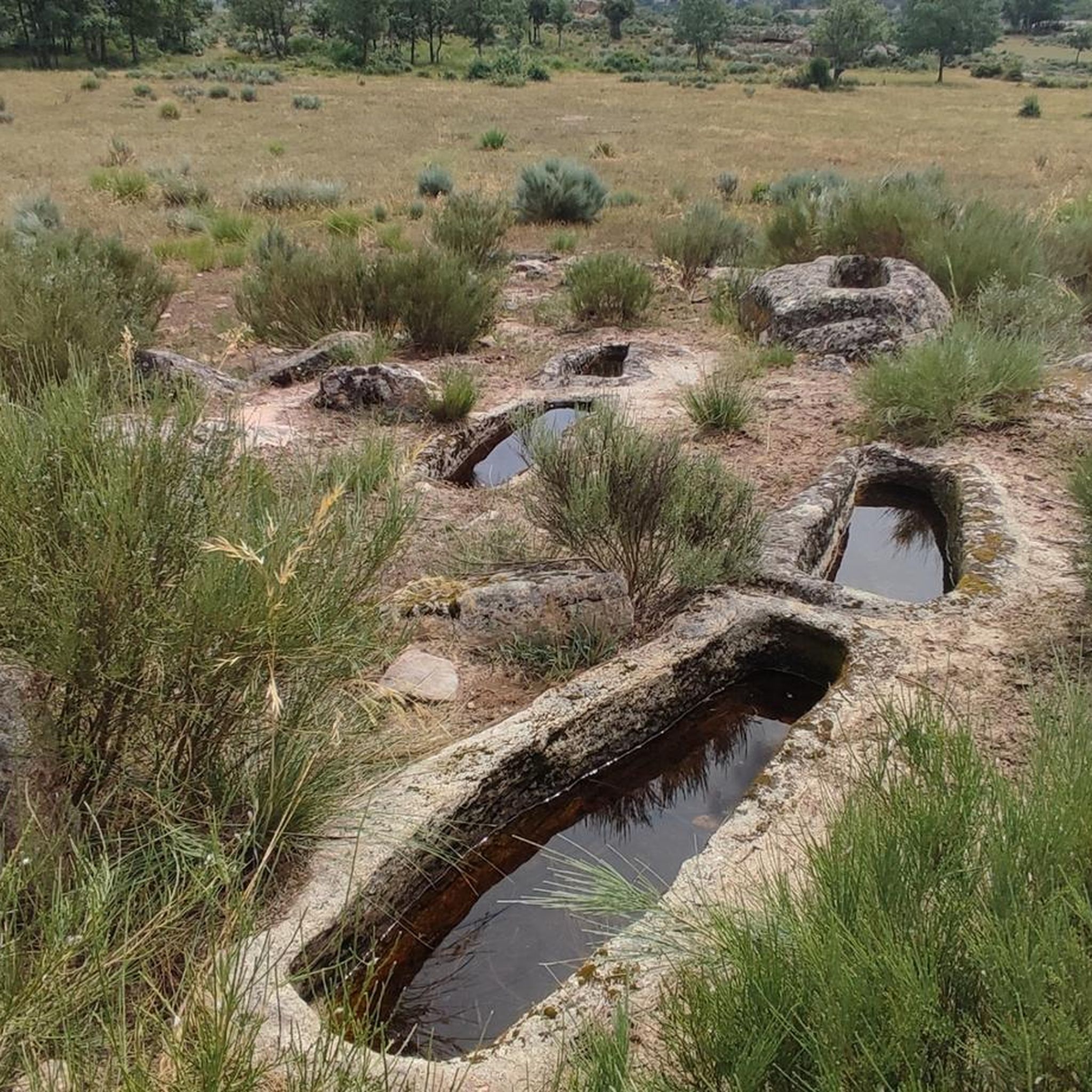
Mata de Lobos, mentioned since 1165, preserves centuries of history and battles. The Chapel of Santa Marinha, a former parish church linked to the Order of Christ, and the main church, expanded in 1759 with a separate bell tower, are the religious heart of the village. In the Salgadela field stands the Padrão de Pedro Jacques de Magalhães, a memorial to the 1664 battle against the Spanish. Ancient graves, a fountain, and wine presses complete the portrait of a parish that preserves its past and devotion.
2
0
At the entrance to Castelo Rodrigo, the Monastery of Santa Maria de Aguiar rises among chestnut trees, founded in 1174 by King Afonso Henriques and handed over to the Cistercian Order. From the sober church to the monks' quarters and the guesthouse loggia with its 1704 coat of arms, everything testifies to centuries of faith and hospitality for pilgrims to Santiago. Despite the damage caused by the French invasions and its abandonment in 1834, the monastery's former beauty remains intact.
2
0
Malpartida stands serenely on the border plain, preserving in its main church, with its romantic bell tower, the most visible trace of its memory. But the past here goes far beyond the stones: from the cave tombs of the Nave de Mouros to the ancient watchtower of the Restoration, from the echoes of the Castilian sack of 1762 to the fierce battle against the French in 1808. Even generals left their mark; Ney established his headquarters here, and Brenier boldly escaped the siege of Almeida. Malpartida is, therefore, a land where every stone tells of battles, losses, and exploits.
2
0
Almeida stands on the plateau like a table set for history: "Al-Mêda" was the name given to it by the Arabs. Previously, it had been a Lusitanian, Roman, and then Christian fort, conquered in 1190 and definitively Portuguese in 1297. Around the medieval castle grew the town, still marked by the Puerta do Sol. After the Restoration, the town transformed into a veritable war machine: the six-pointed star-shaped fortress, with bastions, ravelins, and underground galleries that served as both shelter and prison. It was the scene of decisive battles, devastated by the explosion of 1810 and contested in the liberal wars, always rising from the ruins.
3
0
Castelo Rodrigo is a village with a medieval soul, where time has left its deep marks: walls, stone streets and remains of an ancient community of New Christians. Surrounded by magnificent landscapes, from the Douro International Natural Park to the Côa Valley, passing through the Serra da Marofa and the Faia Brava Reserve, this village is an invitation to contemplation and to taste. Here, history is served at the table: Marofa lamb, octopus in migas or rice are flavors that count as much as the books.
2
0
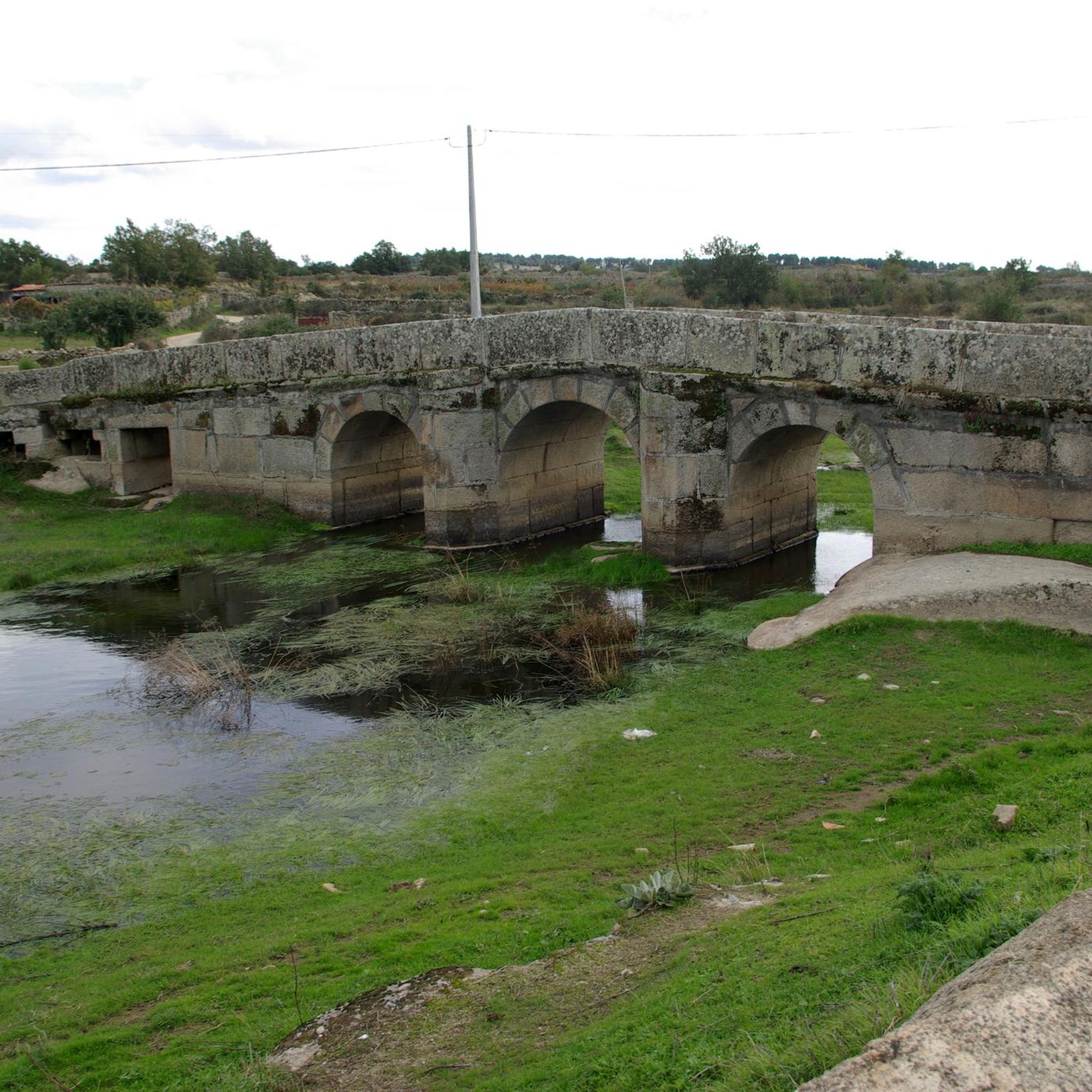
Vale da Mula lies in a valley between the Aguiar and Tourões rivers, right next to the Spanish border. The current name comes from the adaptation of the Castilian “Vale de la Mula”, which was used until recently. During the Restoration War, this discreet place played a prominent role and it was also from here that the Portuguese offensive towards Guardão began, the cradle of Spanish attacks on neighbouring lands.
1
0

The Almeida Fort, originally founded as a castle in the 12th century, is one of the best-preserved fortifications in Portugal. It played an important role throughout its history, particularly during the Napoleonic Wars. It was heavily damaged during the Siege of Almeida in 1810 but was later rebuilt. The star fort is known for its bastions and deep moats, which were once intended to provide protection against invaders.
3
1
Frequently Asked Questions
How many road cycling routes are available around Malpartida?
There are over 15 road cycling routes around Malpartida, offering a diverse range of experiences. These routes cater to various skill levels, with the majority being moderate and a few challenging options.
What kind of terrain can I expect on road cycling routes around Malpartida?
The terrain around Malpartida is characterized by unique granite rock formations and historic water reservoirs. You'll find a mix of relatively flat sections, particularly around the scenic reservoirs, and gentle ascents. Most paths feature mostly paved surfaces, ensuring a smooth ride through holm oak and cork oak woodlands.
Are there routes suitable for beginners or less experienced road cyclists?
While the guide primarily features moderate routes, the gentle ascents and mostly paved surfaces make many sections accessible for less experienced road cyclists. Routes like La Alameda de Gardón – Gallegos de Argañán loop from Villar de Ciervo offer a manageable distance and elevation for those looking for a moderate ride.
What about more challenging road cycling routes in the area?
For those seeking a greater challenge, Malpartida offers routes with more significant distances and elevation gains. For instance, the Puerto Seguro – La Alameda de Gardón loop from Villar de Ciervo covers over 70 km with substantial climbing, providing a more demanding experience.
Are there any circular road cycling routes around Malpartida?
Yes, many of the road cycling routes around Malpartida are designed as circular loops, allowing you to start and finish at the same point. Examples include the popular Almeida and Puerto Seguro - circular route through the Duero Special Protection Area and the Almeida Castle – Castelo Rodrigo Village loop from Almeida.
What natural features or wildlife can I see while cycling?
Road cycling routes often pass through the Natural Monument of Los Barruecos, famous for its extraordinary granite rock formations and four historic water reservoirs. The area is also a 'European Stork Village,' offering exceptional birdwatching opportunities, especially for white storks nesting on rock formations and urban structures. You might also spot various raptors like the short-toed snake eagle.
Are there any cultural or historical attractions accessible by road bike?
Absolutely. The region integrates cultural and historical attractions into its landscape. You can cycle past sites like the Almeida Castle, the Historic Village of Almeida, and the Real Fuerte de la Concepción. The Museo Vostell Malpartida, housed in former wool treatment buildings within Los Barruecos, also offers a unique blend of contemporary art and nature.
What is the best time of year for road cycling in Malpartida?
The granite subsoil in Malpartida retains water well, supporting a vibrant ecosystem even during dry summer months. However, for optimal comfort, spring and autumn generally offer the most pleasant temperatures for road cycling. These seasons avoid the peak heat of summer while still providing good weather for exploring the landscapes and wildlife.
Is parking available for road cyclists in Malpartida?
While specific parking areas for each route are not detailed, Malpartida de Cáceres, as a destination for outdoor activities, typically offers general parking facilities within the town or near popular starting points for trails. It's advisable to check local signage upon arrival.
What do other road cyclists enjoy most about cycling in Malpartida?
Road cyclists frequently praise the unique granite landscapes and the opportunity to observe the abundant stork population. The mostly paved surfaces and varied terrain, from flat sections around reservoirs to gentle ascents, also contribute to an enjoyable and immersive experience in the rich historical environment.
Are there any routes that connect historic villages?
Yes, several routes are designed to connect historic villages, offering a blend of scenic cycling and cultural exploration. The Almeida Castle – Castelo Rodrigo Village loop from Almeida is a prime example, winding through the landscape and linking significant historical sites.
Can I find routes that are longer than 50 km?
Certainly. Malpartida offers several longer routes for endurance cyclists. For instance, the Almeida and Puerto Seguro - circular route through the Duero Special Protection Area is over 57 km, and the Puerto Seguro – La Alameda de Gardón loop from Villar de Ciervo extends to over 70 km.
Most popular routes around Malpartida
Most popular attractions around Malpartida

Get inspired with the komoot mobile app


Explore more
Browse the best Road cycling routes in other regions.
