The best running trails around Pena Lobo
4.8
(6)
18
runners
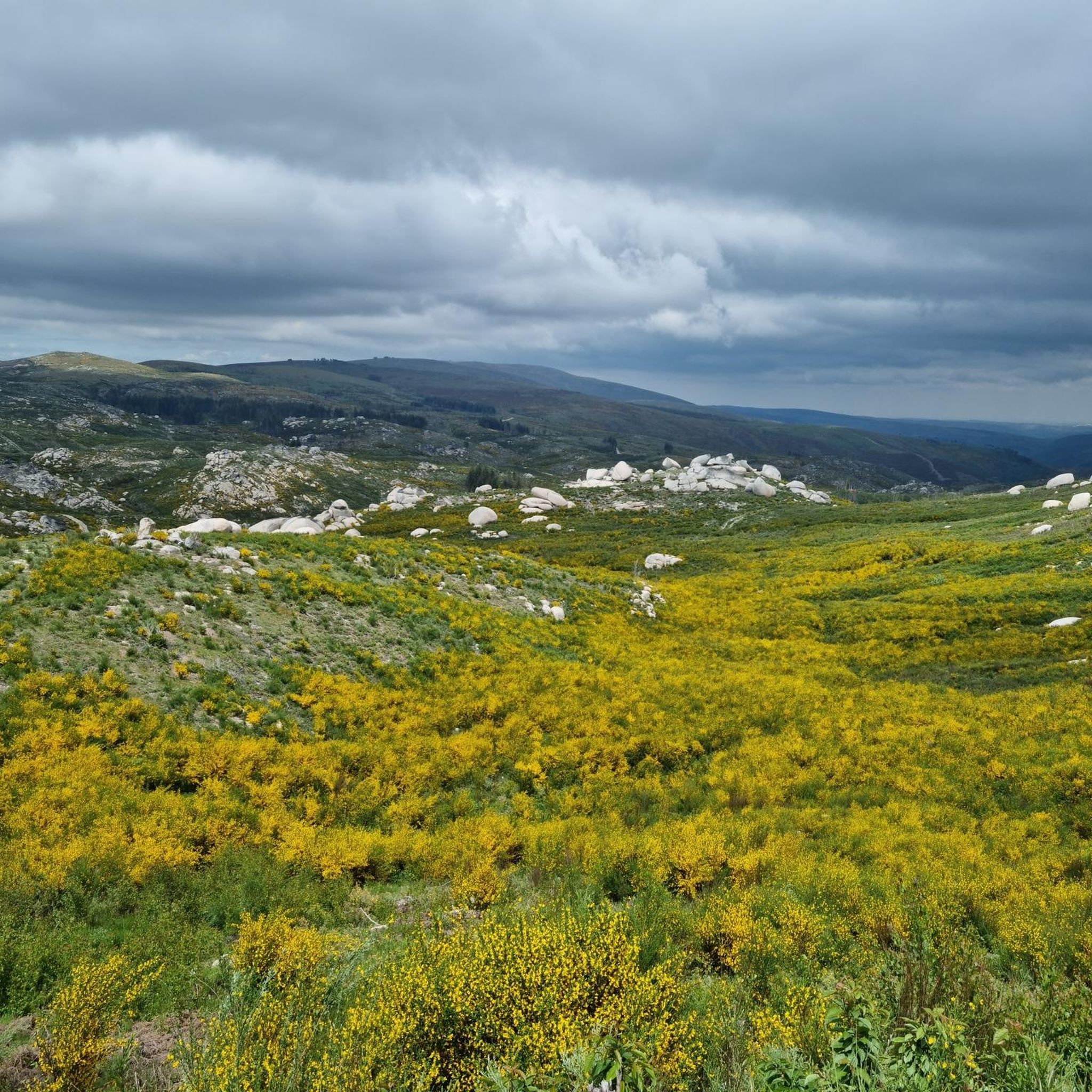
Jogging around Pena Lobo offers diverse terrain across two distinct regions in Portugal. The area features impressive mountain peaks, lush green forests, and significant granite rock formations, providing a scenic backdrop for running. Routes often traverse ancient paths, valleys, and areas near local rivers, with varying elevations and surfaces from paved sections to dirt tracks. This landscape provides a dynamic and engaging experience for runners.
Best jogging routes around Pena Lobo
- The most popular jogging route is Belmonte Historic Village…
Last updated: June 27, 2026
5.0
(3)
4
runners
5.51km
00:36
120m
120m
Moderate run. Good fitness required. Mostly paved surfaces. Suitable for all skill levels.
4.0
(1)
4
runners
6.41km
00:42
120m
120m
Moderate run. Good fitness required. Mostly paved surfaces. Suitable for all skill levels.

Sign up for free
5.0
(1)
3
runners
7.28km
00:49
150m
150m
Moderate run. Good fitness required. Mostly paved surfaces. Suitable for all skill levels.
3
runners
7.34km
00:48
100m
100m
Moderate run. Good fitness required. Mostly paved surfaces. Suitable for all skill levels.
5.0
(1)
3
runners
6.62km
00:42
80m
80m
Moderate run. Good fitness required. Mostly paved surfaces. Suitable for all skill levels.
Our route recommendations are based on thousands of hikes, rides, and runs completed by other people on komoot.
Start today with a free account
Your next adventure awaits.
Login or Signup
Popular around Pena Lobo
Tips from the Community

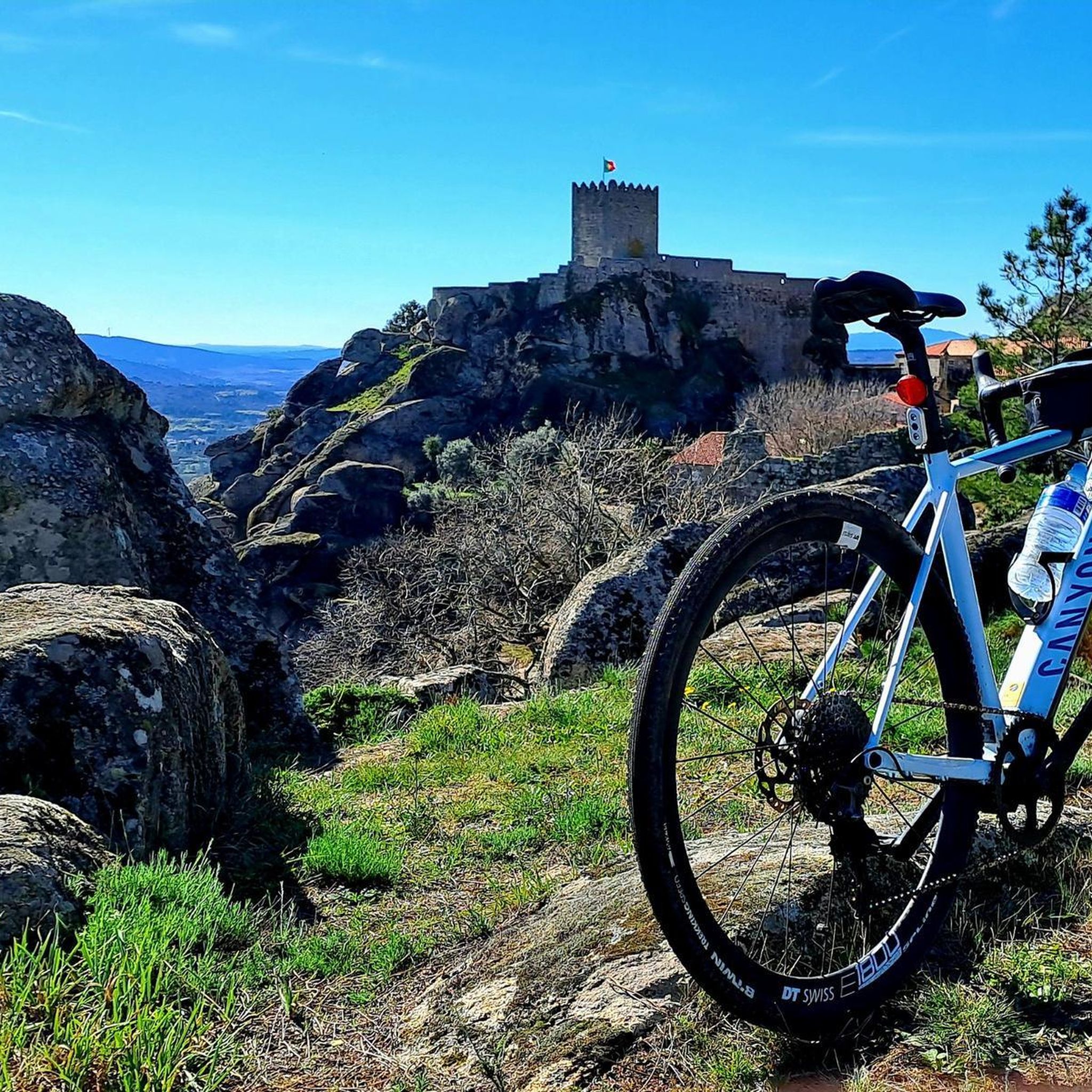
Sabugal, a town that deserves a visit to its castle and the entire surrounding area, especially the magnificent river beach on the Côa River.
1
0

Among the secret corners of Portugal, the Côa River is a discreet treasure. It rises in Fóios and flows through valleys and hills until it joins the Douro River in Vila Nova de Foz Côa. Even here, where it flows gently and seems like just a trickle, the valley reveals all its magic. It's the ideal place to rest for a moment, cool your feet, and let yourself be enveloped by the river's serenity before resuming your journey.
2
0
Belmonte, one of the twelve Historic Villages of Portugal, is the home of Pedro Álvares Cabral and guardian of the country's largest Jewish community, a legacy that endured centuries of Inquisition. Between walls and memories, mystique and history abound, with the Serra da Estrela on one side and the Malcata Reserve on the other. The food completes the enchantment: Jewish flavors like fried offal coexist with broths, migas, esparregados, and traditional Beira sweets: rice pudding, papas de carolo, and filhós. Here, the landscape and the food merge into a delightful experience.
5
0
Pedro Álvares Cabral, the man who gave Europe Brazil, was born high up in Cova da Beira, with the Serra da Estrela on the horizon. But the history of Belmonte begins much earlier: among dolmens, forts and the enigmatic Torre de Centum Cellas. A town of walls, synagogues and conquests, it was the scene of Romans, Jews and Portuguese heroes. Today, it continues to stand firm on a beautiful hill — true to its name and its legendary past.
4
0

Located just off the main road south of Guarda (which at 1,053 metres is the highest city in Portugal), it is one of twelve aldeias históricas (historic villages), a government-sponsored initiative to promote the immense heritage of the beautiful Beiras region. Belmonte’s most famous son is without doubt Pedro Álvares Cabral, a major figure of the Age of Discovery who was born in the village in 1467. As a young and very ambitious sea captain of just 32 years old, he commanded a fleet of thirteen ships with some 1,500 men that departed from the shores of Lisbon on the 9th of March, 1500. Six weeks later Cabral dropped anchor off the north-east coast of Brazil, becoming the first Portuguese navigator to reach South America. It was also the first known expedition to have touched all four continents of Europe, Africa, America and Asia. Built in the 13th century, Belmonte Castle (the village’s key attraction) became the birthplace of the young explorer in 1467 after his father received it as a loyalty payment from King Afonso V and adapted it as the Cabral family residence. One of the region’s most prominent landmarks, the castle offers today’s visitors fine views of the Estrela mountains and the surrounding Lower Beiras countryside from its towering keep, which stands proud at an altitude of 615 metres above sea level. Adjacent to the castle stands the church of São Tiago which is of the same period and has many interesting features, including a a painted 14th-century granite pietà and the pantheon of the Cabral family, although the navigator’s body now rests at the Convento da Graça in Santarém.
6
1

Worth seeing, interesting history and birthplace of the port. National hero of the recent national history.
9
1
Frequently Asked Questions
How many jogging routes are available in Pena Lobo?
There are several jogging routes around Pena Lobo listed on komoot, with 5 specific routes detailed in this guide. The komoot community has explored many more, with over 16 runners having used komoot to discover the area's varied terrain.
What kind of terrain can I expect on running routes in Pena Lobo?
Jogging routes in Pena Lobo offer diverse terrain. You'll find paths winding through lush green forests, alongside rivers, and over ancient trails. The region is characterized by significant granite rock formations, and routes can include varying surfaces from medieval cobblestone paths to dirt tracks, with both gentle slopes and more challenging ascents.
Are there any family-friendly running trails in Pena Lobo?
While specific 'family-friendly' designations aren't always explicit, routes with moderate distances and elevation changes are generally suitable. For instance, the Belmonte Historic Village loop from Belmonte is a 3.4-mile (5.5 km) trail that explores historic paths and natural terrain, which could be a good option for families looking for a shorter, engaging run.
Can I bring my dog on the running routes in Pena Lobo?
Many outdoor trails in Portugal are dog-friendly, especially in natural parks and rural areas like Pena Lobo. It's always advisable to keep your dog on a leash, especially near historical sites or in areas with wildlife. Be sure to carry water for both yourself and your pet, as well as waste bags.
What historical landmarks or natural sights can I see while jogging in Pena Lobo?
The region is rich in history and natural beauty. While running, you might encounter sights like the Belmonte Historic Village, the medieval Historic Village of Sortelha, or the impressive Sabugal Castle. Natural features include granite rock formations and the scenic Bridge over the Côa River.
Are there circular running routes available in Pena Lobo?
Yes, several routes in the area are circular, offering a convenient way to start and end your run at the same point. Examples include the popular Belmonte Historic Village loop from Belmonte, the Praia Fluvial do Sabugal loop from Sabugal e Aldeia de Santo António, and the Bridge over the Côa River loop from Sabugal.
Where can I park when accessing running trails in Pena Lobo?
Parking is generally available in or near the starting points of many routes, especially in villages like Belmonte and Sabugal. For routes originating from these towns, you can often find public parking areas. For trails within Pena Aventura Park, dedicated parking facilities are available for visitors.
What is the best time of year to go running in Pena Lobo?
The region offers good running conditions for much of the year. Spring and autumn provide pleasant temperatures and vibrant landscapes, ideal for longer runs. Summer can be warm, so early morning or late afternoon runs are recommended. Winter offers cooler, crisp air, though some higher elevation paths might be more exposed.
Are there any challenging running routes for experienced runners?
While the routes listed in this guide are generally moderate, the varying elevations and terrains, including routes through trees and up slopes, can offer a dynamic experience. The wider region, particularly around Sortelha and the Serra d'Opa, is known for trail running events like the 'Trail Trilhos do Lobo', suggesting more challenging options exist for those seeking greater elevation changes and technical terrain.
What do other runners enjoy the most about jogging in Pena Lobo?
The running routes in Pena Lobo are highly rated by the komoot community, with an average score of 4.6 stars from over 5 reviews. Runners often praise the diverse natural beauty, the historical context of the trails, and the engaging mix of terrain, from ancient paths to forested areas.
Are there places to eat or drink near the running trails?
Yes, the villages and towns near the running routes, such as Belmonte, Sabugal, and Sortelha, offer various cafes, restaurants, and local establishments where you can refuel and relax after your run. These places often serve traditional Portuguese cuisine and local beverages.
Are permits required for any running trails in Pena Lobo?
Generally, permits are not required for jogging on public trails and ancient paths in the Pena Lobo region. However, if you plan to access routes specifically within Pena Aventura Park, there might be an entrance fee or specific regulations for certain activities. It's always best to check with the park's official website if you plan to run there.
Can I find routes that offer good viewpoints?
Absolutely. The region is characterized by impressive mountain peaks and granite formations, especially around Pena Aventura Park and the Serra d'Opa near Sortelha. Many trails will naturally lead to elevated sections or open areas that provide scenic vistas of the surrounding landscapes, including lush forests and historic villages.
Most popular routes around Pena Lobo
Most popular attractions around Pena Lobo

Get inspired with the komoot mobile app


Explore more
Browse the best Running Trails & Routes in other regions.
