The best cycling routes around Vila Do Touro
4.0
(2)
42
riders
14
rides
Touring cycling routes around Vila Do Touro traverse a gently undulating granitic terrain situated at an altitude of 800 meters. The region is characterized by its serene rural character and low population density, offering peaceful cycling conditions. The Côa River meanders through valleys and hills, providing picturesque routes. This area is part of the broader Beira Interior region, known for its diverse schist and granite landscapes.
Best touring cycling routes around Vila Do Touro
- The most popular touring cycling route…
Last updated: June 27, 2026
4.0
(1)
9
riders
Hard bike ride. Very good fitness required. Mostly paved surfaces. Suitable for all skill levels.
3
riders
Hard bike ride. Very good fitness required. Mostly paved surfaces. Suitable for all skill levels.

Sign up for free
2
riders
Hard bike ride. Very good fitness required. You may need to push your bike for some segments of this route.
2
riders
Hard bike ride. Very good fitness required. Mostly paved surfaces. Suitable for all skill levels.
3
riders
32.1km
02:05
440m
440m
Moderate bike ride. Good fitness required. Mostly paved surfaces. Suitable for all skill levels.
Get access to more routes and recommendations from other explorers.
Sign up for free
Already have an account?
Our route recommendations are based on thousands of hikes, rides, and runs completed by other people on komoot.
Start today with a free account
Your next adventure awaits.
Login or Signup
Popular around Vila Do Touro
Tips from the Community

Sabugal, a town that deserves a visit to its castle and the entire surrounding area, especially the magnificent river beach on the Côa River.
1
0

On the outskirts of Sortelha, in the granite foothills of the Serra de Opa, nature seems to have played sculptor. Among the most famous boulders are the "Pedra do Beijo" (Kissing Stone) and the "Cabeça da Velha" (Old Woman's Head), granite blocks that human imagination completes as if they were intentional works. But with a little exploration, you'll discover many other curiously shaped rocks, each with its own enigma.
1
0
Soito, also called Souto, is now a village, a title it acquired in 1999. The name comes from the chestnut trees that once graced the local landscape. As early as 1527, according to the Royal Register, this was the most important center of the municipality, with 160 residents.
2
0
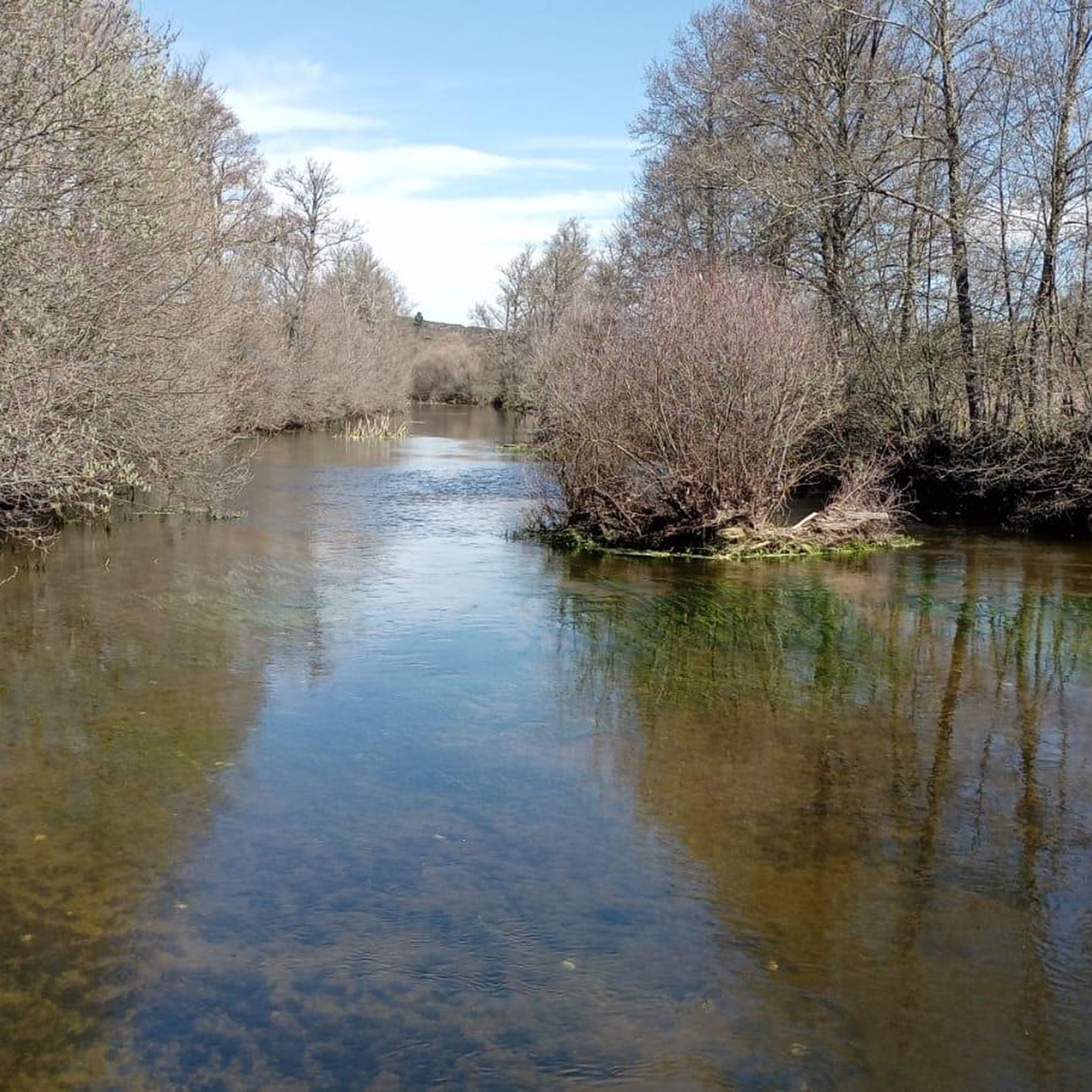
Among the secret corners of Portugal, the Côa River is a discreet treasure. It rises in Fóios and flows through valleys and hills until it joins the Douro River in Vila Nova de Foz Côa. Even here, where it flows gently and seems like just a trickle, the valley reveals all its magic. It's the ideal place to rest for a moment, cool your feet, and let yourself be enveloped by the river's serenity before resuming your journey.
2
0

Built on the Côa River, its main function is the production of hydroelectric energy and, to a lesser extent, the water supply and regulation of the river flow. Completed in 2000, its creation gave rise to a reservoir that is partially located within the Serra da Malcata Nature Reserve, a protected area of great ecological importance
1
0
Here you cross a small asphalt bridge that connects the two banks of the river surrounded by vegetation and enter the Serra da Malcata nature reserve.
1
0

In Rota 'Kingdom of Dust' by Gravosfera
0
0

real white sand, crystal clear water, mini waterfalls
0
0
Frequently Asked Questions
How many touring cycling routes are available around Vila Do Touro?
Komoot offers over a dozen touring cycling routes around Vila Do Touro. These routes cater to various skill levels, with a focus on exploring the region's unique granitic landscapes and historical sites.
What kind of terrain can I expect when cycling near Vila Do Touro?
The region around Vila Do Touro is characterized by a gently undulating granitic terrain, offering scenic backdrops for cycling. You'll encounter smooth rolling hills and the picturesque Côa River meandering through valleys. The broader Beira Interior region also features diverse schist and granite landscapes.
Are there any long-distance touring cycling options in the region?
Yes, for those seeking longer adventures, the region is part of the Grande Rota do Vale do Côa, a significant 200 km linear trail that follows the Côa River. This route is also recognized as a Great Crossing for mountain biking by the Portuguese Cycling Federation, indicating well-maintained paths suitable for touring cyclists.
What historical sites or landmarks can I explore by bike near Vila Do Touro?
You can explore several historical sites. The village itself boasts the ruins of a 13th-century castle, offering panoramic views. Nearby, you can visit the Historic Village of Sortelha and Sabugal Castle. A route like Sabugal Castle – Sortelha Village and Castle loop from Sabugal e Aldeia de Santo António specifically highlights these historical attractions.
Are there scenic viewpoints along the touring cycling routes?
Absolutely. The castle ruins in Vila Do Touro provide breathtaking panoramic views of the surrounding landscape. Many routes also follow the Côa River, offering picturesque vistas of its valleys and the natural environment. You might also encounter interesting rock formations, such as the Path with interesting rock formations.
Are there routes suitable for beginners or less experienced touring cyclists?
While many routes are classified as difficult, there are moderate options available. The region's gently rolling hills provide a good environment for those looking for a less strenuous ride. It's always recommended to check the route details on komoot for elevation and distance to match your comfort level.
Can I find challenging touring cycling routes in Vila Do Touro?
Yes, for experienced touring cyclists, there are several challenging routes. Out of the 14 available routes, 10 are classified as difficult, featuring significant elevation gains. An example is the River Swimming Area in Malcata – Sortelha Village and Castle loop from Sabugal e Aldeia de Santo António, which covers over 51 km with substantial climbing.
Are there any circular touring cycling routes around Vila Do Touro?
Yes, many of the touring cycling routes in the area are loops, allowing you to start and end in the same location. For instance, the popular River Swimming Area in Malcata – Bridge over the Côa River loop from Águas Belas is a circular route that takes you along the Côa River.
What natural features can I see while touring cycling in the area?
The Côa River is a prominent natural feature, offering tranquil resting spots and picturesque routes through its valleys. The area is also close to the Serra da Malcata Natural Reserve, known for its diverse flora and fauna. You can also find the Barragem do Sabugal, a lake that adds to the scenic beauty.
Is public transport available for cyclists in the Vila Do Touro area?
Information regarding specific public transport options for cyclists directly in Vila Do Touro is limited. However, the broader Sabugal municipality, where Vila Do Touro is located, is part of a region with a growing cycling community, suggesting some local infrastructure. For detailed public transport information, it's best to check local transport services directly.
Where can I park my car when starting a touring cycling route in Vila Do Touro?
Given the tranquil and low-density rural character of Vila Do Touro, parking is generally available within the village or at designated starting points for routes. It's advisable to look for public parking areas or inquire locally upon arrival for the most convenient spots.
Are there family-friendly touring cycling routes in Vila Do Touro?
While many routes are classified as difficult, the gently undulating granitic terrain and peaceful rural setting can be suitable for families looking for less challenging rides. It's recommended to choose shorter, flatter sections or routes classified as moderate, and always check the route details for distance and elevation to ensure it's appropriate for all family members.
What is the best season for touring cycling in Vila Do Touro?
The region's climate generally makes spring and autumn ideal for touring cycling, offering pleasant temperatures and less extreme weather. Summer can be warm, especially in the interior of Portugal, while winter might bring cooler temperatures and occasional rain. Always check the local weather forecast before heading out.
Are there cafes or amenities along the touring cycling routes?
Vila Do Touro and nearby villages offer local amenities, including cafes and small shops. However, given the low population density and rural nature of many routes, it's recommended to carry sufficient water and snacks, especially on longer rides. Planning your route to pass through villages will help ensure access to refreshments.
Most popular routes around Vila Do Touro
Most popular attractions around Vila Do Touro

Get inspired with the komoot mobile app


Explore more
Browse the best Cycling routes in other regions.
