The best road cycling routes around Vila Nova De Foz Côa
4.7
(3)
114
riders
19
rides
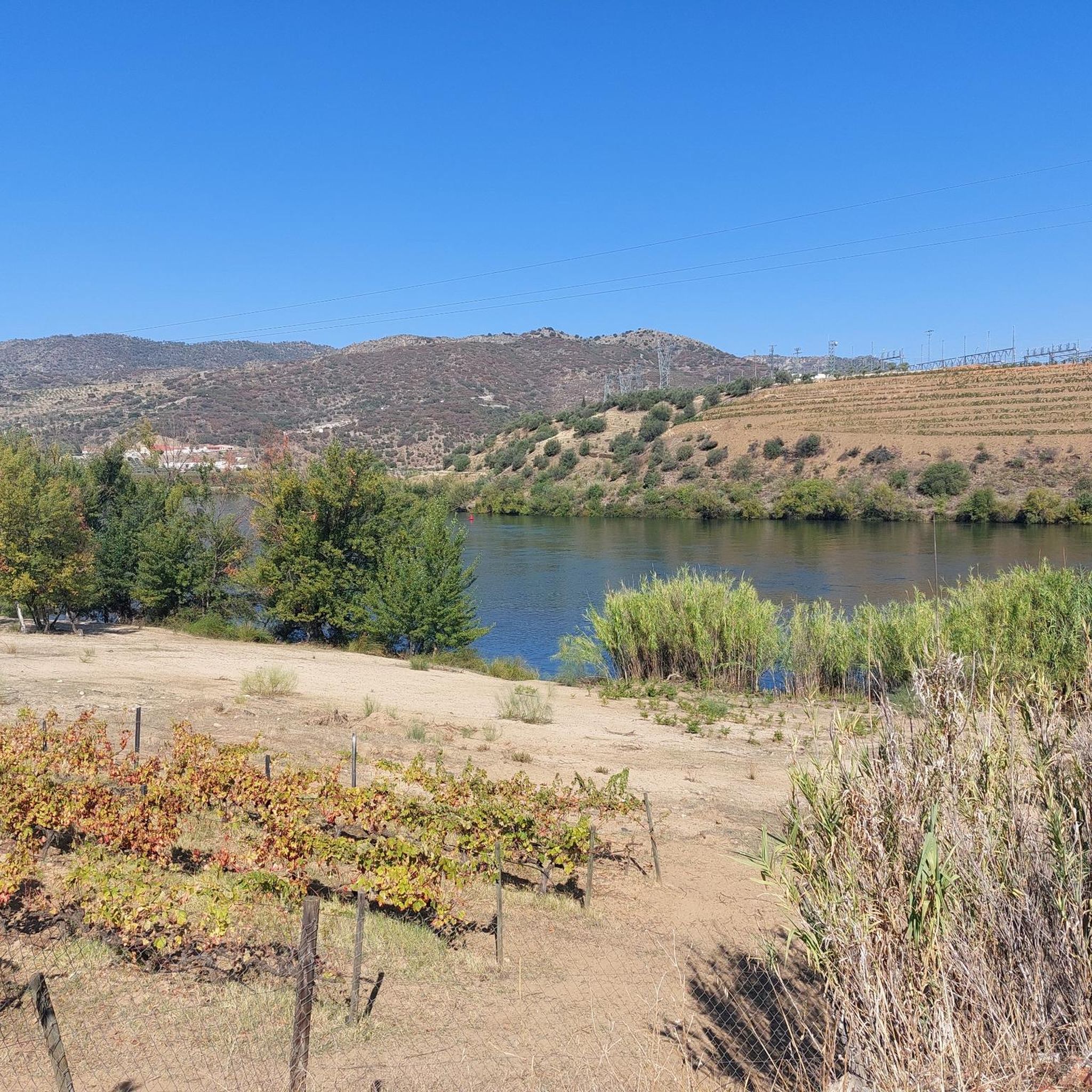
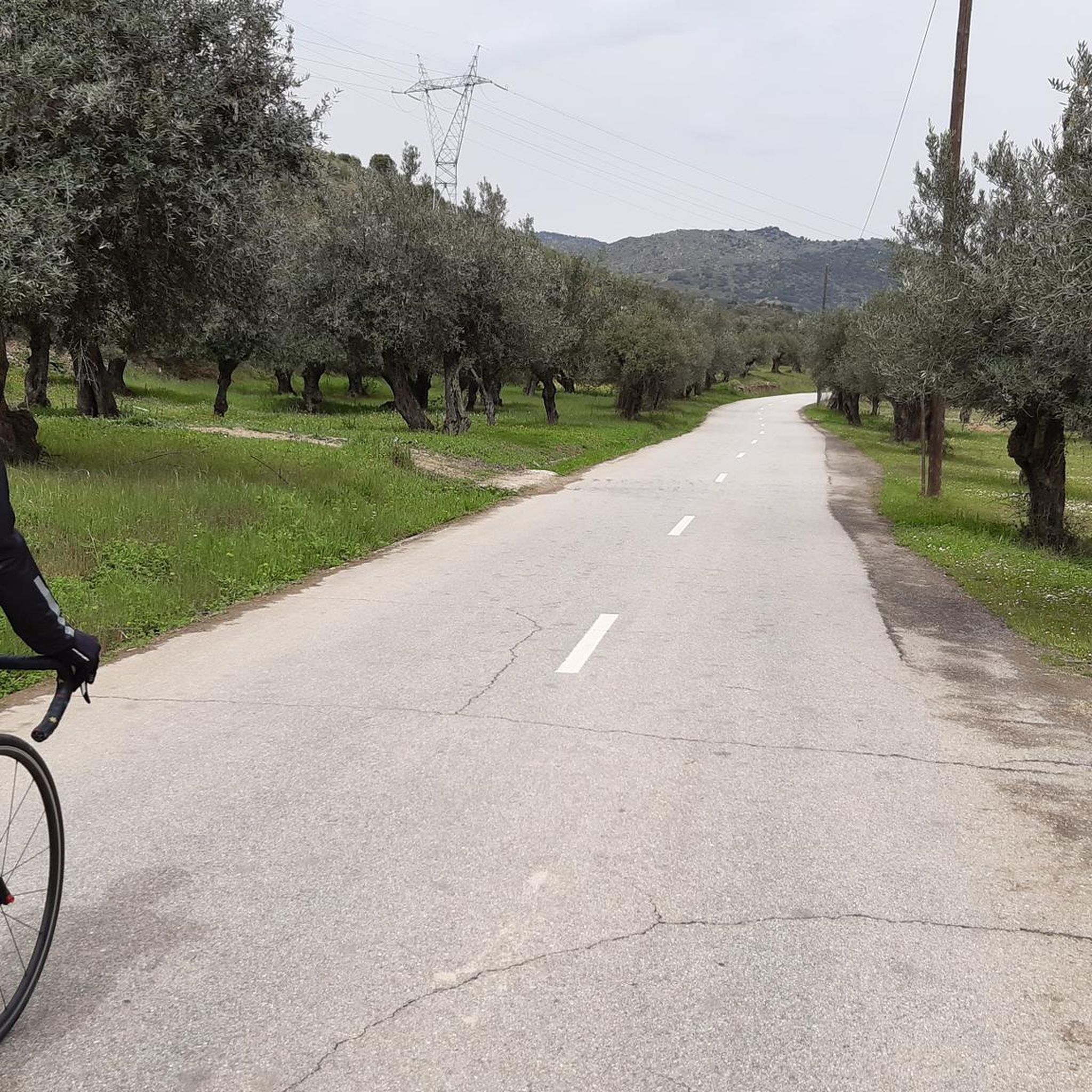
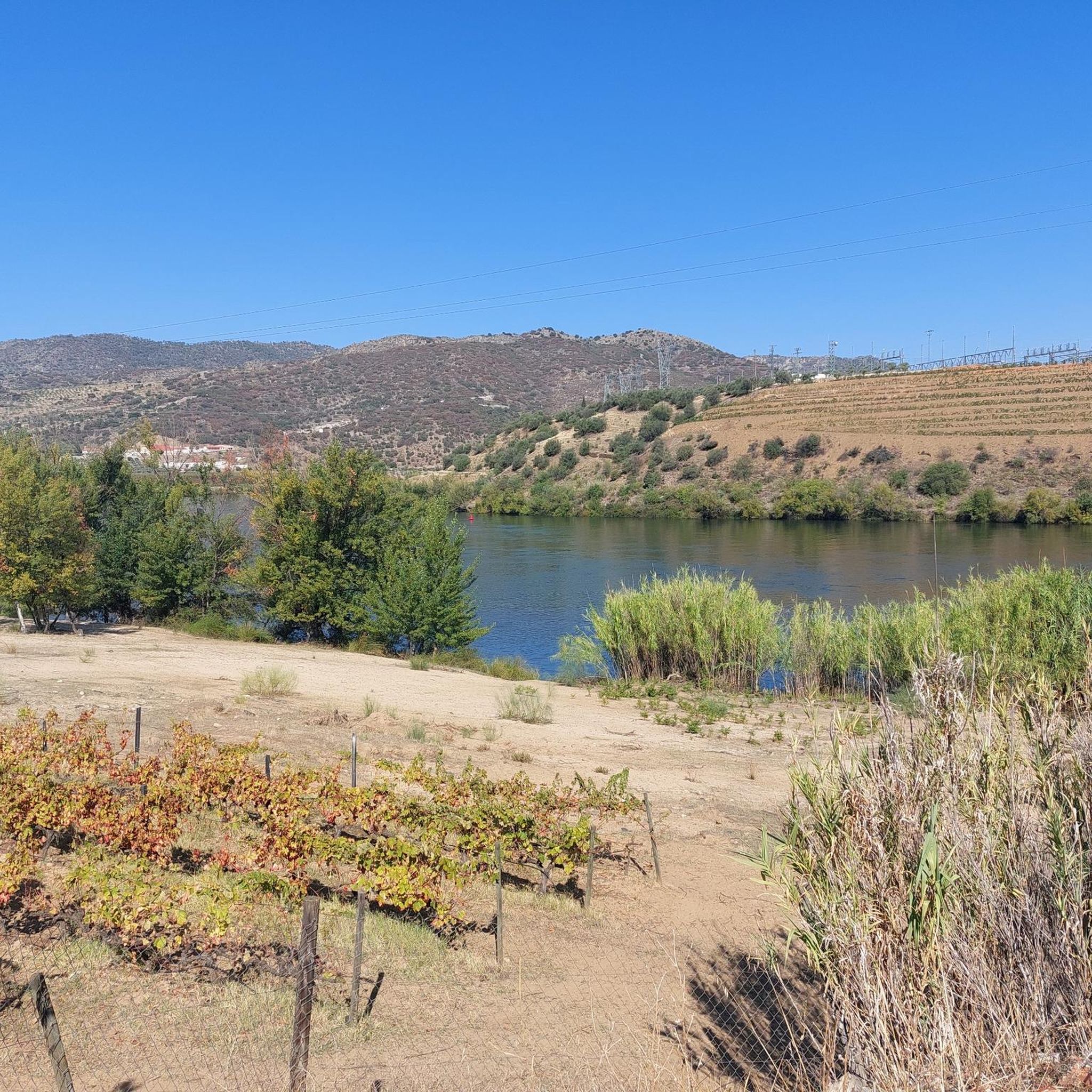
Road cycling around Vila Nova De Foz Côa offers diverse terrain within the Côa and Douro Valleys. The landscape features riverbanks, terraced vineyards, and expansive olive groves, providing varied gradients for cyclists. Routes often follow tributaries through quiet stone hamlets and open countryside. The region's topography includes both gentle sections along rivers and steady climbs through agricultural areas.
Best road cycling routes around Vila Nova De Foz Côa
- The most popular road cycling route is Torre de Moncorvo and Sabor…
Last updated: October 10, 2026
3
riders
Moderate road ride. Good fitness required. Mostly well-paved surfaces and easy to ride.
1
riders
25.6km
01:21
450m
450m
Cycle the Circular de Moncorvo — VIEWS of Rio Douro, a moderate 15.9-mile road route with impressive views of the Rio Douro.

16
riders
57.5km
02:58
910m
910m
Hard road ride. Very good fitness required. Mostly well-paved surfaces and easy to ride.
5.0
(1)
12
riders
46.5km
02:25
830m
830m
Moderate road ride. Good fitness required. Mostly well-paved surfaces and easy to ride.
5.0
(1)
8
riders
93.4km
04:55
1,690m
1,690m
Hard road ride. Very good fitness required. Mostly well-paved surfaces and easy to ride.
Get access to more routes and recommendations from other explorers.
Already have an account?
Our route recommendations are based on thousands of hikes, rides, and runs completed by other people on komoot.
Start today with a free account
Your next adventure awaits.
Popular around Vila Nova De Foz Côa
Tips from the Community

The Pocinho Road-Railway Bridge, also known as the Pocinho Bridge, is a road-rail infrastructure of the Linha do Sabor, which crosses the Douro River in the Municipality of Vila Nova de Foz Côa, in Portugal; it is closed to service, for both types of traffic. The construction of a bridge at this location, with two superimposed decks, was foreseen by the Plan of the Complementary Network North of Mondego, dated February 15, 1900.
0
0

Vila Nova de Foz Côa is a jewel of northern Portugal, located in the Guarda district of the Alto Douro region. It is known for its unique archaeological heritage, spectacular wine-growing landscapes, and its deep connection to history and nature.
3
0

Marialva is a jewel among Portugal's Historic Villages. High above, the castle watches over centuries of conquests and legends, while within the walls still echo the memory of kings, fairs, and battles. Strolling its cobblestone streets is like traveling back in time: from the keep to the Church of Santiago, every detail tells a story. Outside the walls, vineyards and flavors of Beira Alta complete the landscape: roast kid, sheep's cheese, and sweets that preserve the taste of tradition. Here, the village is experienced as much on foot as at the table.
3
0
Castelo Rodrigo holds millennia of history, from Paleolithic and Roman remains to the Muslim presence in the castle. Conquered and reconquered between the 12th and 13th centuries, it became a town and municipality under King Alfonso IX of León and passed definitively to Portugal in 1297, when King Dinis rebuilt and repopulated the castle. Marked by wars, charters, and restorations, it welcomed pilgrims on their way to Santiago and remains today one of the twelve Historic Villages of Portugal.
3
0
Castelo Rodrigo is a village with a medieval soul, where time has left its deep marks: walls, stone streets and remains of an ancient community of New Christians. Surrounded by magnificent landscapes, from the Douro International Natural Park to the Côa Valley, passing through the Serra da Marofa and the Faia Brava Reserve, this village is an invitation to contemplation and to taste. Here, history is served at the table: Marofa lamb, octopus in migas or rice are flavors that count as much as the books.
2
0

Impressive town that is located on this hilltop and the ruins in the center are also worth seeing.
0
0
Nice bridge that helps cross this stretch of the Sabor River on a big, tall bridge. Good views of the valley and the surrounding hills.
1
0
Impressive viewpoint on this descent/ascent where these two viewpoints are located, the one at this point and one further north, called the Miradouro do Vale do Sabor.
1
0
Frequently Asked Questions
How many road cycling routes are available in Vila Nova De Foz Côa?
There are 19 road cycling routes available around Vila Nova De Foz Côa. These routes offer a mix of moderate and difficult challenges, catering to various skill levels.
What kind of terrain can I expect when road cycling around Vila Nova De Foz Côa?
The region offers diverse terrain, from the gentler gradients along the Côa and Távora river valleys, winding through olive groves and orchards, to more challenging climbs with steady switchbacks in the dramatic Douro Valley. You'll encounter riverbanks, terraced vineyards, and open countryside.
What are the typical difficulty levels for road cycling routes in this region?
Road cycling routes in Vila Nova De Foz Côa are generally categorized as moderate or difficult. There are 6 moderate routes, such as the Torre de Moncorvo and Sabor Greenway Loop, and 13 difficult routes, including the Historic Village of Marialva loop from Vila Nova de Foz Coa.
Are there any historical sites or landmarks to see along the road cycling routes?
Yes, the region is rich in history. You can visit the Côa Museum, which interprets the internationally recognized prehistoric rock art sites. Routes also pass through historic villages like Marialva and Almendra, and you might encounter the Ruins of the Pocinho Railway District or the End of N222 in Almendra.
Can I find scenic viewpoints while cycling in Vila Nova De Foz Côa?
Absolutely. The Douro Valley is famous for its dramatic terraced vineyards, offering expansive views. The Côa Valley also provides numerous viewpoints along the river and throughout the valleys, showcasing the natural beauty of the landscape, especially along routes like the End of N222 in Almendra – Steep terrain in the Côa Valley loop.
Are there opportunities to visit wineries or olive groves during a road cycling tour?
The landscape is abundant with olive groves and wine farms, particularly in the Douro Valley. Many routes traverse these agricultural areas, offering opportunities to experience local gastronomy, including olive oil tastings and regional dishes, especially in the charming villages you'll pass through.
Are there options for long-distance road cycling tours in the area?
Yes, the region offers several longer routes. For instance, the Castelo Rodrigo Village – End of N222 in Almendra loop from Pocinho is a challenging 92.9 km ride. The Grande Rota do Vale do Côa (GRVC) is also a significant linear trail, approximately 200-222 kilometers, tracing the Côa River.
Are there any circular road cycling routes available?
Many routes in the area are designed as loops, allowing you to start and finish in the same location. Examples include the Torre de Moncorvo and Sabor Greenway Loop and the Pocinho Station loop from Vila Nova de Foz Coa.
What is the best time of year for road cycling in Vila Nova De Foz Côa?
The region is generally pleasant for cycling outside of the peak summer heat. Spring and autumn offer milder temperatures and beautiful scenery, with blooming almond trees in spring and vibrant colors in autumn, making them ideal times to explore the valleys and vineyards.
Is it possible to combine road cycling with public transport in Vila Nova De Foz Côa?
While specific public transport options for cyclists might be limited, the region has train stations, such as Pocinho Station, which could serve as starting or ending points for tours. It's advisable to check local train and bus schedules for bike carriage policies if you plan to use public transport.
Where can cyclists find parking for their vehicles?
Many of the routes start from towns or villages like Vila Nova de Foz Côa or Pocinho, where public parking is generally available. When planning your route, look for starting points in these locations, as they often have designated parking areas suitable for cyclists.
Are there family-friendly road cycling routes in Vila Nova De Foz Côa?
While many routes are moderate to difficult, the Ecopista do Sabor, a repurposed railway line, offers a scenic and generally flatter path suitable for families. For road cycling, look for routes with gentler gradients along riverbanks, though these may still involve some elevation changes.
What do other cyclists say about road cycling in Vila Nova De Foz Côa?
The road cycling routes in Vila Nova De Foz Côa are highly rated by the komoot community, with an average score of 5.0 stars from over 2 reviews. Cyclists often praise the varied terrain, the stunning views of the Douro and Côa Valleys, and the opportunity to explore historic villages and natural landscapes.
Most popular routes around Vila Nova De Foz Côa
Most popular attractions around Vila Nova De Foz Côa

Get inspired with the komoot mobile app


Explore more
Browse the best Road cycling routes in other regions.
