The best running trails around Chão De Couce
172
runners
12
runs
Jogging routes around Chão De Couce offer a diverse range of experiences, traversing varied landscapes within the municipality of Ansião, Portugal. The region is characterized by a mix of rural paths and forested trails, providing options from gentle, accessible routes to more challenging paths with significant elevation changes. Runners can explore areas like the Nexebra mountain range and the Furadouro valley, encountering limestone formations and green spaces that define the local terrain.
Best jogging routes around Chão De Couce
- The…
Last updated: June 27, 2026
40
runners
23.6km
03:01
680m
680m
Hard run. Very good fitness required. Mostly paved surfaces. Suitable for all skill levels.
29
runners
31.3km
03:55
740m
740m
Hard run. Very good fitness required. Mostly accessible paths. Some sure footedness required.

Sign up for free
21
runners
40.1km
05:09
1,210m
1,210m
Hard run. Very good fitness required. Mostly paved surfaces. Suitable for all skill levels.
20
runners
32.5km
04:08
820m
820m
Hard run. Very good fitness required. Mostly paved surfaces. Suitable for all skill levels.
13
runners
19.0km
02:30
580m
580m
Hard run. Very good fitness required. Mostly paved surfaces. Suitable for all skill levels.
Get access to more routes and recommendations from other explorers.
Sign up for free
Already have an account?
Our route recommendations are based on thousands of hikes, rides, and runs completed by other people on komoot.
Start today with a free account
Your next adventure awaits.
Login or Signup
Tips from the Community

Ansião is a Portuguese municipality of about 13,000 inhabitants located in the district of Leiria, in the historical region of Centro. This charming village is renowned for its strategic location along the Portuguese Way of Santiago de Compostela and for being immersed in the natural landscape of the Sicó limestone massif.
1
0

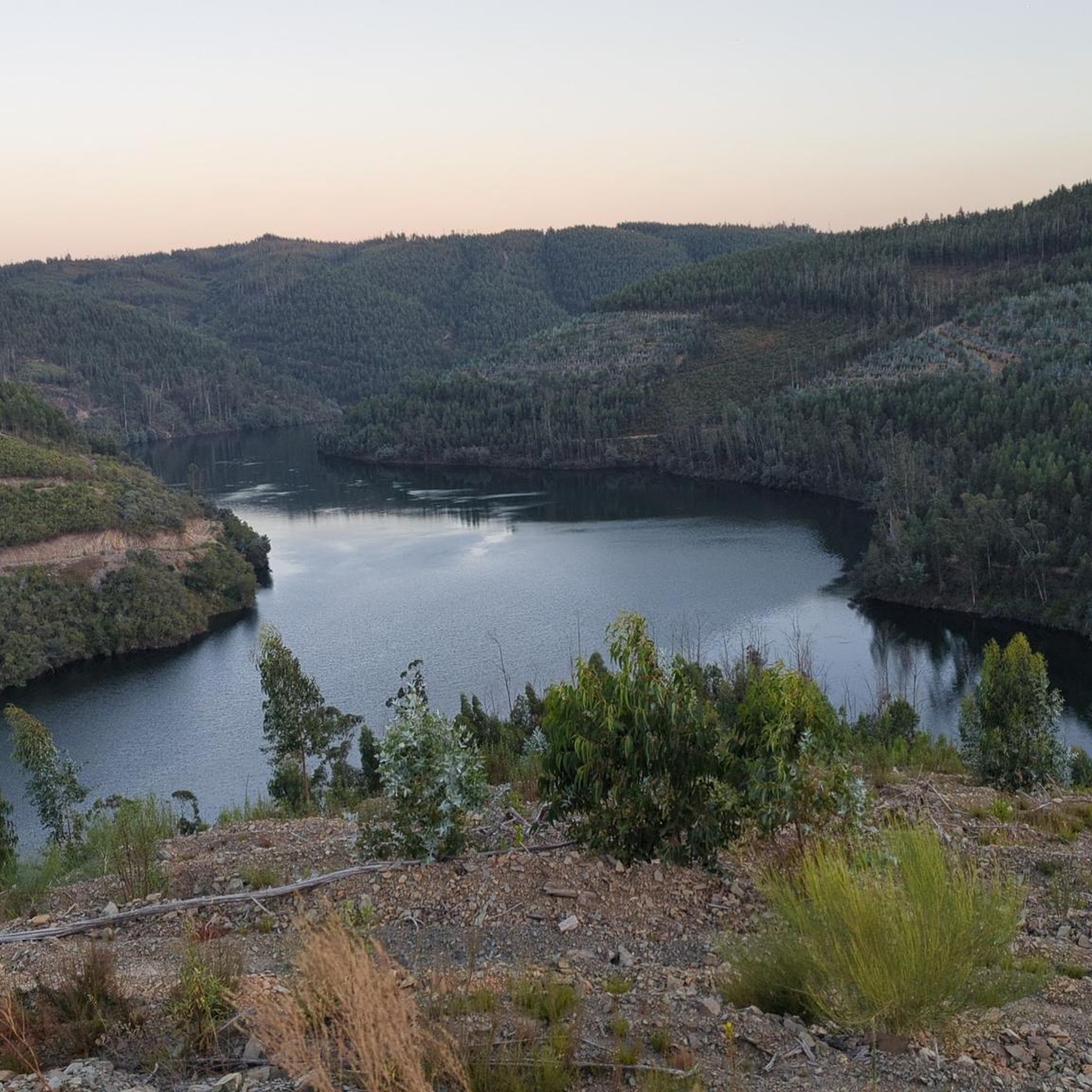
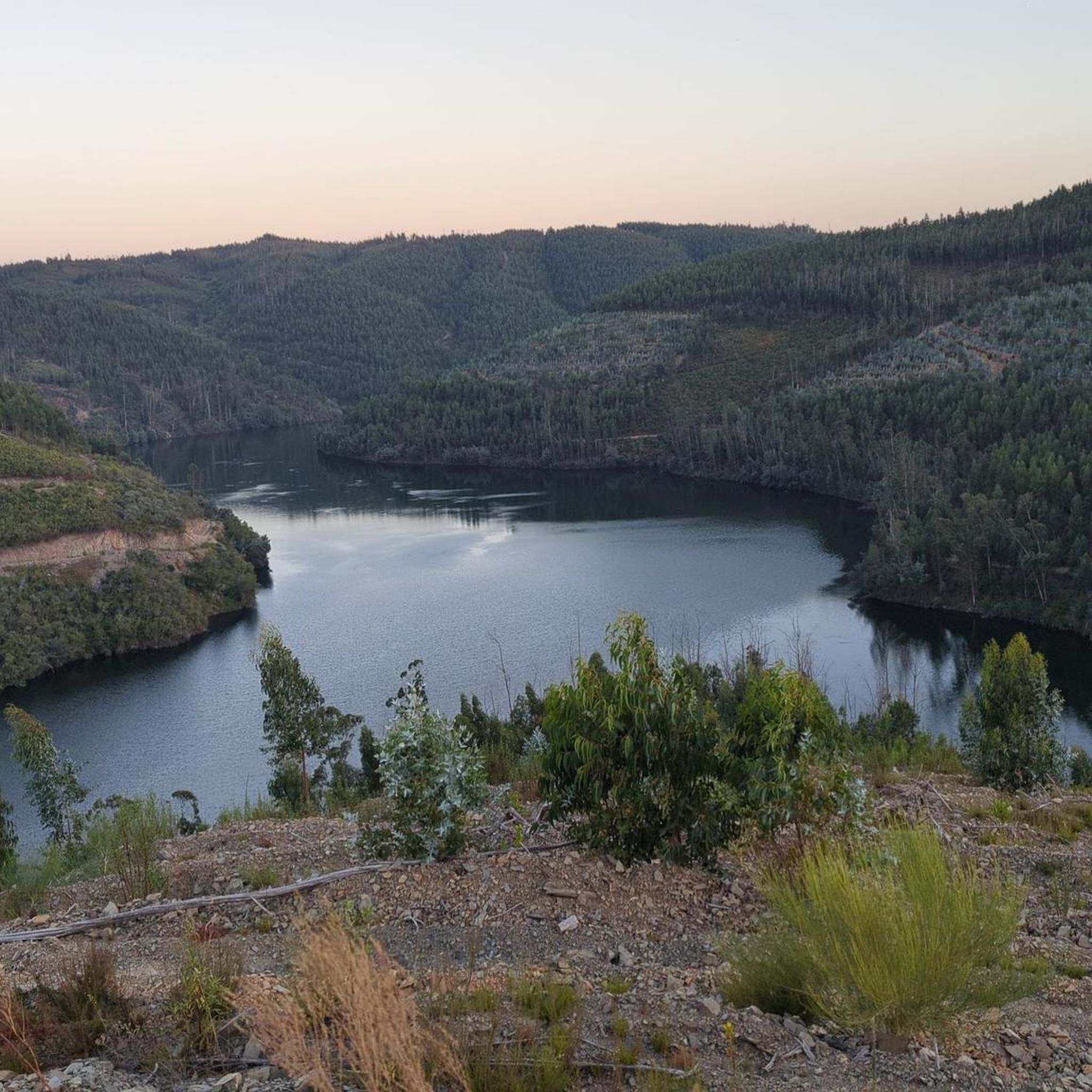
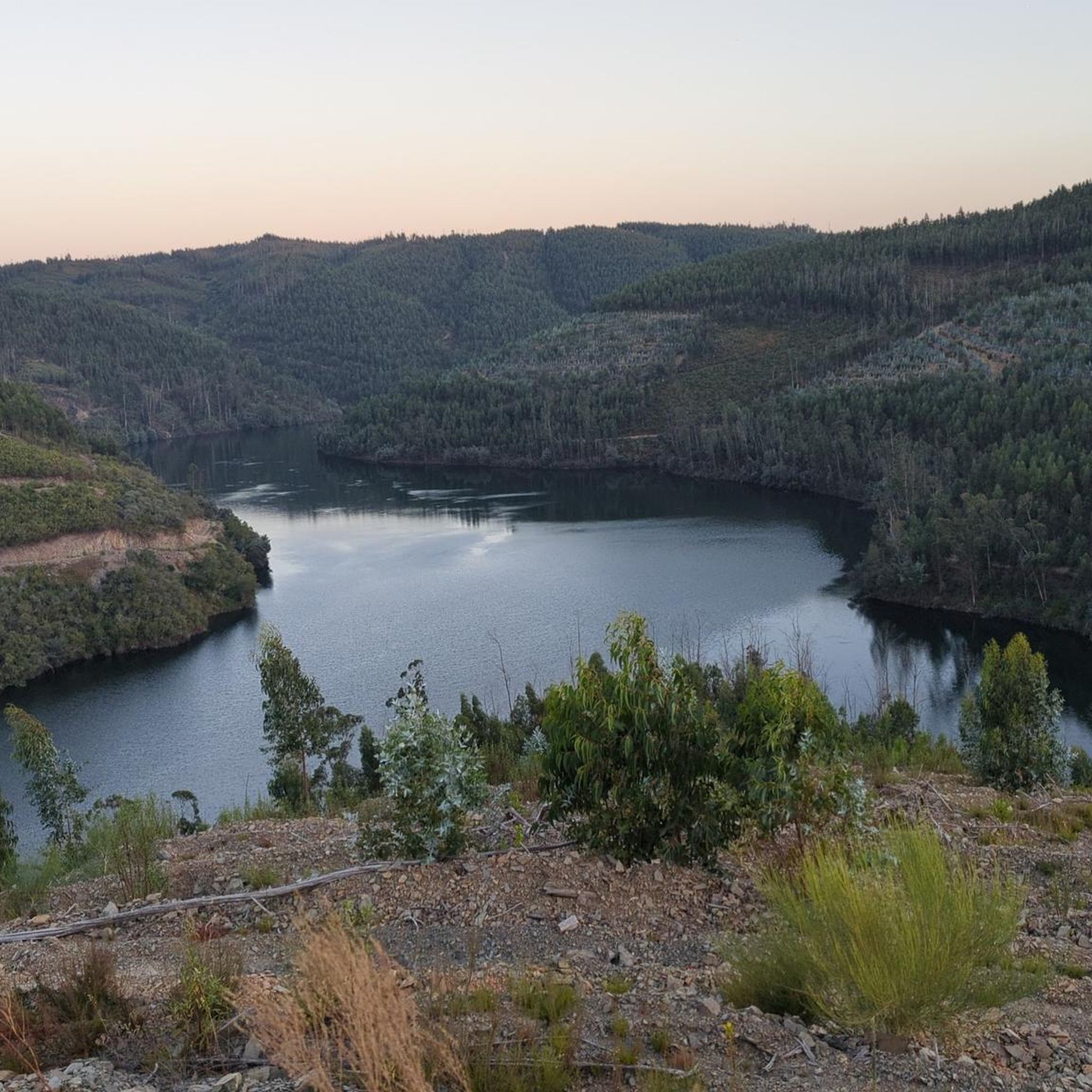
Known as Serra da Portela or Serra do Anjo da Guarda, this is a natural viewpoint overlooking the Pousaflores Valley, where the landscape is filled with life and aromas. Wild orchids, rupicolous plants, "cucas" (a type of gourd), wormwood, and the fresh scent of thyme, which wafts away with every step, flourish among the limestone rocks. Here, atop Monte da Ovelha, human presence has left its mark: traditional windmills, a small chapel dedicated to the Guardian Angel, the Stations of the Cross for Good Friday, and initiatives celebrating bread and cornbread. It's also a place made for lingering: sitting at a table, lighting a grill, or simply gazing out.
1
0
Calm yet vigorous, the Nabão River originates here, in the enigmatic Olhos d’Água de Ansião, where the water bursts from the rock and sees the light for the first time. In the heart of the Sicó Massif, the landscape here reveals itself shaped by water and limestone: gentle valleys, small floodplains, and an underground world of hidden galleries that reappear on the surface in seasonal springs.
1
1
At the entrance to Ansião, the Ponte da Cal bridge crosses the serene Nabão River. Built in the 17th century, it formed part of the old road axis between Coimbra and Lisbon and reveals, beneath its two perfect arches, curious marks sculpted by time. Popular memory links it to the passage of Queen Saint Isabel, inspiration for the old bathing tanks next to the bridge (one for women, the other for men). Legend says that the waters became miraculous after the queen refreshed herself here, giving rise to the famous "holy baths". The small chapel was built to mark this devotion.
1
1
The Santiago da Guarda Monumental Complex is an unmissable stop, where history unfolds in layers. Classified as a National Monument, it stands out for its Manueline elegance, its 14th-century manor tower, and the impressive Roman mosaics that reveal an ancient villa from the 4th and 5th centuries. The old road between Tomar and Coimbra passed through here, later used by pilgrims on their way to Santiago. Surrounded by the limestone landscape and oak groves of the Serra de Sicó, the place invites you to slow down and take a deep breath. Take the opportunity to chat with the hospitable people.
1
0
In the hills of the Serra de Sicó, the windmills of Outeiro dot the landscape like echoes of a time when homemade bread sustained local life. Rotating, made of wood and set in stone circles, they turned with the wind, an invention of Afghan origin. Reconstructed to preserve the memory, today they also offer a privileged viewpoint over valleys and mountains.
1
0
Between Alvorge and Junqueira stretches a forest that seems straight out of a green fairy tale. At the entrance to Junqueira there is a picnic table, but it is as you venture through the dense vegetation that the magic happens: in a few steps, the human world is left behind and everything is reduced to silence, shade and pure air. It's a brief but intense immersion in nature, one of those that renews your breath before returning, almost without realizing it, to your usual rhythm.
1
0
Cabeço de Trás-de-Figueiró is one of those places where the view is everything: the valley opens up in a wide expanse, perfect for photographs, contemplation… and unforgettable sunsets, whenever the sky decides to cooperate. At the top, a swing invites you to enjoy the landscape with that playful touch that makes any moment seem longer.
1
0
Frequently Asked Questions
What kind of terrain can I expect on the running routes around Chão De Couce?
The running routes in Chão De Couce offer a diverse experience, featuring a mix of rural paths and forested trails. You'll encounter varied landscapes, including gentle, accessible paths and more challenging routes with significant elevation changes. Some trails wind through the Nexebra mountain range and the Furadouro valley, often characterized by unique limestone formations and pleasant green spaces.
Are there many challenging running routes in the Chão De Couce area?
Yes, the Chão De Couce area is known for its more challenging running routes. All 12 routes listed in this guide are classified as difficult, often featuring considerable height differences and technical sections. For example, the Santiago da Guarda – Outeiro Windmills loop from Santiago da Guarda is a difficult 19.5-mile path with expansive views.
What natural features or viewpoints can I discover while jogging in Chão De Couce?
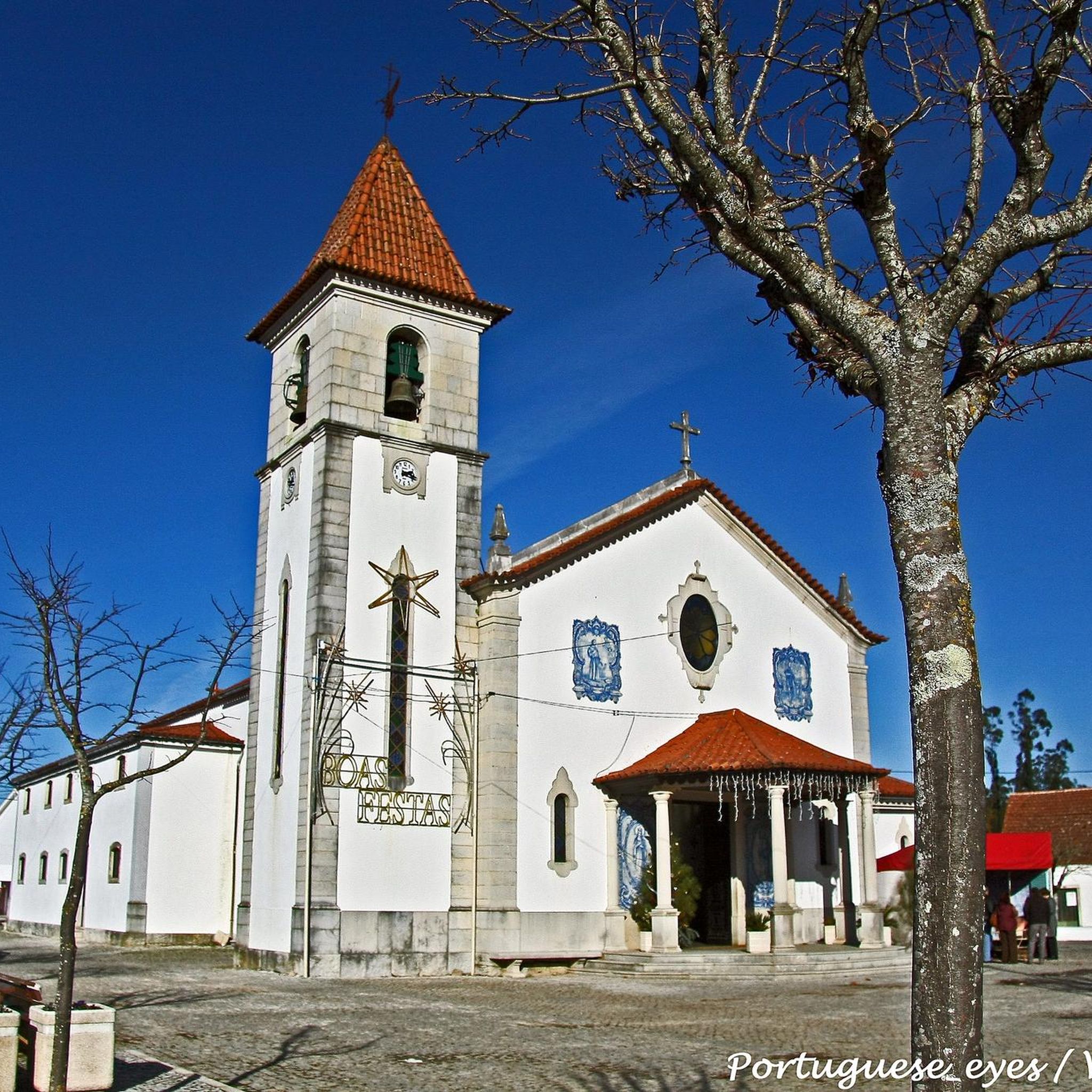
While jogging in Chão De Couce, you can experience diverse natural features. The region is known for its limestone formations and 'healing forests'. A notable highlight is the Scenic viewpoint at Monte da Ovelha, also known as Serra da Portela, which offers breathtaking panoramic views of the Pousaflores Valley and is rich in flora like wild orchids and fragrant thyme. Many routes, such as the Church of Chão de Couce – Sheep Hill loop from Ansião, pass through this scenic area.
Are there any historical landmarks along the running trails?
Yes, you can encounter historical landmarks. The Ponte da Cal – Ansião loop from Ansião, for instance, includes the historic Ponte da Cal, a 17th-century bridge with intriguing marks sculpted by time. The region also features charming churches like the Igreja de Alvaiázere, which can be seen on routes in the wider area.
Are there any circular running routes available in Chão De Couce?
Yes, most of the running routes around Chão De Couce are designed as circular loops, allowing you to start and finish at the same point. Examples include the Church of Chão de Couce loop from Chão de Couce and the Ateanha – Monte Alvão loop from Alvorge, providing convenient options for your run.
What is the best season for jogging in Chão De Couce?
Chão De Couce offers a pleasant environment for jogging throughout much of the year. The region's 'healing forests' and varied landscapes make it enjoyable in spring and autumn when temperatures are milder. Even in summer, the forested trails can provide welcome shade. However, always check local weather conditions, especially for warmer days or potential rain.
Are there family-friendly running options in Chão De Couce?
While many routes in this guide are rated as difficult, the broader Chão De Couce area, integrated into the Ansião Trail Running Center, does offer a range of trails. You can find green-difficulty level routes that follow rural paths without significant technical difficulties, which might be more suitable for families looking for a gentler jog or walk. Look for paths within the dedicated leisure areas with pedestrian paths.
Can I bring my dog on the running trails in Chão De Couce?
Generally, many outdoor trails in Portugal are dog-friendly, especially rural and forested paths. However, it's always advisable to keep your dog on a leash, especially in areas with wildlife or near agricultural land. Be mindful of local regulations, particularly around protected areas or specific leisure zones. Ensure your dog is well-behaved and that you carry bags to clean up after them.
Where can I find parking for the running routes in Chão De Couce?
Specific parking details for each route are not always provided, but generally, you can find parking in the villages or near the starting points of the trails. For routes starting from Ansião or Chão de Couce village, there are usually public parking areas available. The Ansião Trail Running Center also provides amenities, which often include designated parking for trail users.
Are there any places to relax or get refreshments after a run?
Yes, Chão De Couce has a dedicated leisure area with pedestrian paths and picnic facilities, perfect for relaxing after your run. Additionally, the wider region offers beautiful Fragas de São Simão River Beach, which provides crystal-clear waters for a refreshing dip and often has nearby amenities. You can also find local cafes and establishments in the villages like Chão de Couce or Ansião.
How many running routes are covered in this guide for Chão De Couce?
This guide features 12 distinct running routes around Chão De Couce. These routes offer a variety of distances and elevations, all categorized as difficult, providing ample options for experienced runners looking to explore the region's diverse landscapes.
Most popular routes around Chão De Couce
Most popular attractions around Chão De Couce

Get inspired with the komoot mobile app


Explore more
Browse the best Running Trails & Routes in other regions.
