Attractions and Places To See around Batalha - Top 20
Best attractions and places to see around Batalha include a rich array of historical landmarks and natural features. This central Portuguese town is known for its significant cultural sites, particularly its monumental monastery, which commemorates a pivotal moment in Portuguese history. The surrounding region offers diverse landscapes, from intricate cave systems to river sources and limestone massifs, providing varied exploration opportunities. Visitors can discover both man-made monuments and natural points of interest.
Best attractions and places to see around Batalha
- The most popular attractions is Main Portal of the Igreja de Santa Maria da Vitória, a religious building that is a UNESCO World Heritage Site. This Gothic monastery was built to commemorate the 1385 Battle of Aljubarrota and served as a burial site for Portuguese royalty.
- Another must-see spot is Leiria Castle, a medieval castle. This cultural monument is considered a prime example of castle transformation in Portugal, featuring architectural, historical, and archaeological attractions.
- Visitors also love Source of the Lis River, a natural monument. This headwater is notable for its water emerging from the earth in surprising quantities during winter and early spring.
- Batalha is known for its historical sites, religious buildings, and natural monuments. The area offers a variety of attractions to see and explore, from ancient castles to significant river sources.
- The attractions around Batalha are appreciated by the komoot community, with 45 upvotes and 147 photos shared across various highlights.
Last updated: October 5, 2026
Church of Santa Maria da Vitória in Batalha
Highlight • Religious Site
Batalha Monastery: This stunning Gothic monastery, also known as the Mosteiro de Santa Maria da Vitória, is a UNESCO World Heritage Site and one of the Seven Wonders of Portugal.
Igreja Matriz da Batalha: Also known as the Igreja da Exaltação de Santa Cruz, this 16th-century church is a beautiful example of Manueline architecture.
Batalha Square: The heart of the city, ideal for strolling and soaking up the local atmosphere.
Serras de Aire e Candeeiros Natural Park: If you love nature, this nearby park offers hiking trails and spectacular scenery.
Additionally, there are many activities and tours available, such as day trips to Fátima, Nazaré, and Óbidos.
Translated by Google •
Tip by

Leiria Castle
Highlight • Castle
Leiria Castle has been classified as a National Monument since 1910.
Translated by Google •
Tip by

Sign up now to discover places like this
Get recommendations on the best single tracks, peaks, & plenty of other exciting outdoor places.
Statue of D. Nuno Álvares Pereira
Highlight • Monument
Translated by Google •
Tip by

Source of the Lis River
Highlight • River
Tip by

Leiria Bell Tower
Highlight • Monument
Translated by Google •
Tip by
Sign up for free to discover even more attractions around Batalha.
Already have an account?
Start today with a free account
Your next adventure awaits.


Tips from the Community

A very impressive castle, still well-preserved. The complex includes: Pena Church, the Royal Palace, the garden, an exhibition hall, and a small shop. Renovation work was carried out in 2021. The castle can also be visited free of charge on the following dates in 2025: September 23rd - World Sign Language Day September 27th - World Tourism Day October 1st - International Day of Older Persons October 7th - National Castles Day November 17th - International Students' Day November 24th - National Day of Science Culture and World Science Day December 3rd - International Day of Persons with Disabilities
2
0

The magnificent entrance portico of the Igreja de Santa Maria da Vitória is unique in the history of Portuguese art, a work by the Master Huguet (1402–1438). It features an elaborate iconographic ensemble comparable only to the great porticoes of European cathedrals: six apostles on each side, virgins, martyrs, popes, monks, angel figures, God, and the four evangelists...
1
0
After the revolution of 1383, Portugal found itself in a difficult conflict with the neighboring Kingdom of Castile. The battle was decided in 1385 when the Castilian and Portuguese armies clashed at the Battle of Aljubarrota. The Castilians outnumbered and were better armed. As a military leader, Nuno Álvares Pereira loyally stood by his patron, John of Avis. The Portuguese achieved a resounding victory, which is attributed in particular to the strategic genius of Nuno Álvares Pereira. With this victory, the Castilian claims to Portugal were permanently repelled. John of Avis was proclaimed king by the Cortes, as John I of Portugal, thus establishing the second Portuguese dynasty, the House of Avis. Nuno Álvares Pereira became a national hero, and the grateful king showered him with honors and material possessions.
2
0


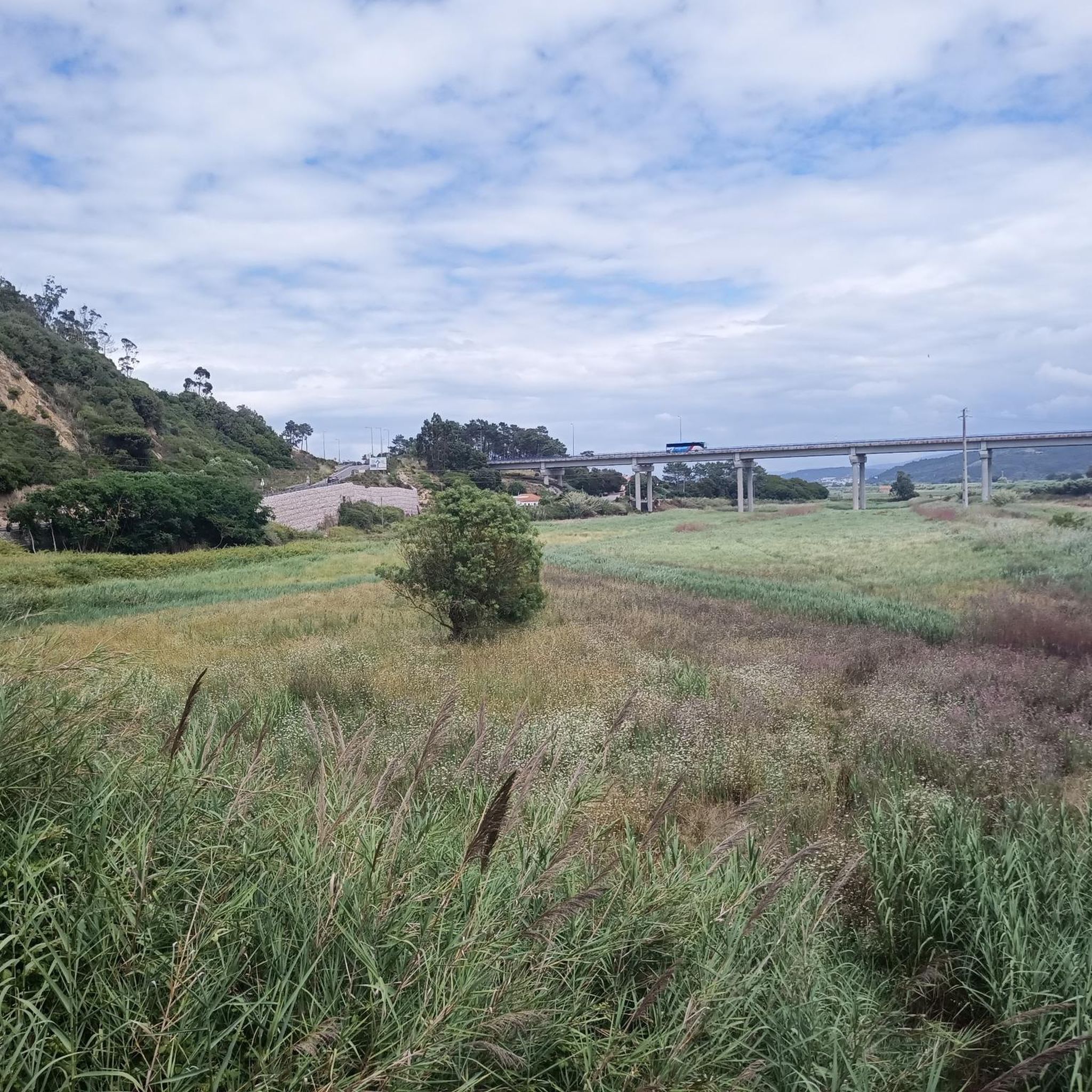
The Lis River, whose source is in the town of Fontes, Cortes, is one of the few rivers in the country whose current flows from south to north and, in the final kilometres, from east to west. In winter and early spring, it is possible to see water emerging from the ground in surprising quantities. In the summer months, the source is usually dry.
3
0

Good place for a coffee stop ☕
0
1

Batalha is a fascinating place to visit! Batalha Monastery: This stunning Gothic monastery, also known as the Mosteiro de Santa Maria da Vitória, is a UNESCO World Heritage Site and one of the Seven Wonders of Portugal. Igreja Matriz da Batalha: Also known as the Igreja da Exaltação de Santa Cruz, this 16th-century church is a beautiful example of Manueline architecture. Batalha Square: The heart of the city, ideal for strolling and soaking up the local atmosphere. Serras de Aire e Candeeiros Natural Park: If you love nature, this nearby park offers hiking trails and spectacular scenery. Additionally, there are many activities and tours available, such as day trips to Fátima, Nazaré, and Óbidos.
6
1

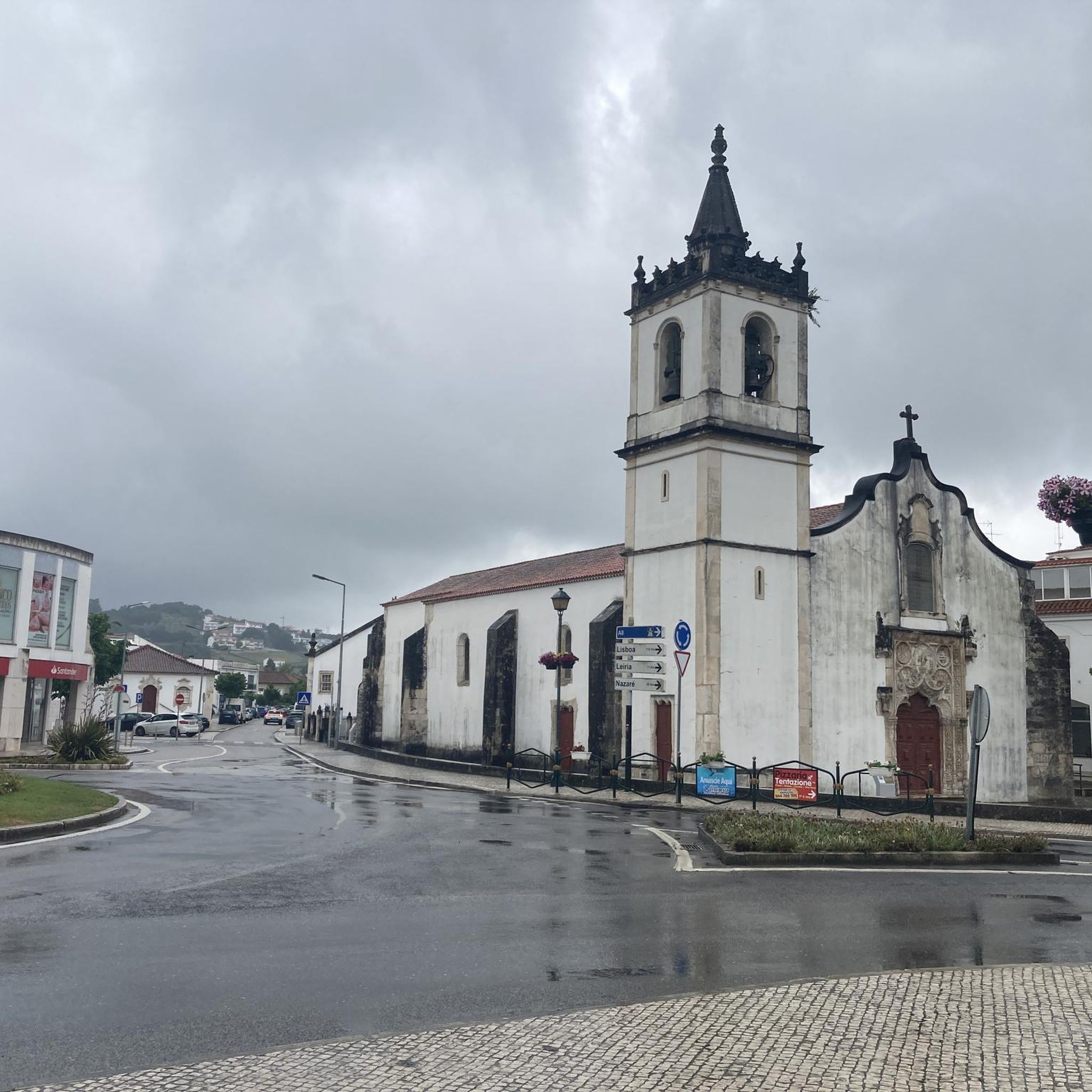
The tower is characterized by its square shape and the pyramid that completes the structure, surmounted by an angel used as a fulcrum. The ground floor once housed a prison, and next to it is now the local police station. This place, together with the Cathedral of Leiria, its cloister and the bell tower, was declared a national monument in 2014 and testifies to the rich cultural heritage of the city.
5
2
Frequently Asked Questions
What historical sites can I explore in Batalha?
Batalha is rich in history, primarily centered around the Main Portal of the Igreja de Santa Maria da Vitória, also known as the Batalha Monastery. This UNESCO World Heritage site commemorates the 1385 Battle of Aljubarrota, which secured Portugal's independence. You can also visit the Aljubarrota Battlefield and Interpretation Centre nearby to learn more about this pivotal event. Another notable historical landmark is the Leiria Castle, a medieval fortress considered a prime example of castle transformation in Portugal.
Are there any natural attractions or viewpoints around Batalha?
Yes, Batalha offers several natural points of interest. You can visit the Source of the Lis River, which is particularly impressive in winter and early spring when water emerges in surprising quantities. The region is also part of the Estremadura Limestone Massif, featuring natural phenomena like the Grutas da Moeda (Coin Caves) with their intricate calcified formations, located about 20 minutes away. For a sensory experience in nature, explore the Ecoparque Sensorial da Pia do Urso.
What outdoor activities are available near Batalha?
The area around Batalha is excellent for outdoor enthusiasts. You can find various cycling and mountain biking routes, such as the challenging 'Batalha Monastery – Atlantic Coast Cycle Path loop' or the 'Ponte da Boitaca – Elias' Place loop'. For hikers, there are easy trails like the 'Source of the Lis River – Olive Tree loop' or more extensive options in the Serras de Aire e Candeeiros Natural Park. You can find more details on these activities in the cycling guide, MTB trails guide, and easy hikes guide for Batalha.
What is the best time of year to visit Batalha?
The best time to visit Batalha generally depends on your interests. For experiencing the full flow of the Source of the Lis River, winter and early spring are ideal. If you plan to explore the hiking trails and natural parks, spring and autumn offer pleasant temperatures. Summer can be warm, but it's a popular time for tourists, especially for visiting the Batalha Monastery and other historical sites.
Are there family-friendly attractions in Batalha?
Yes, Batalha offers several family-friendly options. The Batalha Monastery is a fascinating historical site for all ages, with its impressive architecture and rich history. Leiria Castle is also considered family-friendly, offering a historical experience with great views. The Ecoparque Sensorial da Pia do Urso provides an interactive natural setting suitable for families, and the Grutas da Moeda (Coin Caves) offer an exciting underground adventure.
Where can I find parking when visiting Batalha's main attractions?
For the Batalha Monastery, there are parking options available in the town center, often within walking distance. For Leiria Castle, there's a large car park near the stadium, and elevators can take you up to the castle. Specific parking for natural sites like the Ecoparque Sensorial da Pia do Urso or trailheads like the Rota dos Moinhos can usually be found nearby, though it's advisable to check local signage.
What is the significance of the Batalha Monastery?
The Batalha Monastery, officially known as the Mosteiro de Santa Maria da Vitória, is a UNESCO World Heritage site and a masterpiece of Gothic and Manueline architecture. It was built in the 14th century by King João I to commemorate the Portuguese victory at the Battle of Aljubarrota in 1385, which secured the nation's independence. It also served as the burial site for Portuguese royalty, including King João I and Queen Philippa of Lancaster in the Founder's Chapel, and features the unique Unfinished Chapels.
Are there any dog-friendly trails or attractions in the Batalha area?
While specific dog policies can vary, many outdoor areas around Batalha are generally suitable for walks with dogs, especially on trails in natural settings. The Rota dos Moinhos and Caminho da Cruz are examples of walking trails in the municipality. For specific attractions like the Ecoparque Sensorial da Pia do Urso or the Serras de Aire e Candeeiros Natural Park, it's recommended to check their current regulations regarding pets.
What is the <a href="https://www.komoot.com/highlight/6472799" target="_blank" rel="noopener">Statue of D. Nuno Álvares Pereira</a>?
The Statue of D. Nuno Álvares Pereira commemorates a pivotal figure in Portuguese history. Nuno Álvares Pereira was a military leader and strategist whose genius contributed significantly to the Portuguese victory at the Battle of Aljubarrota in 1385. This victory secured Portugal's independence from Castile and led to the establishment of the House of Avis. The monument, created between 1966-1968, honors his role as a national hero.
Can I find easy walking trails near Batalha?
Yes, there are several easy walking trails in the vicinity of Batalha. For instance, the 'Source of the Lis River – Olive Tree loop from Fontes' is an easy hike of about 3.6 km. Other accessible options include trails within the Serras de Aire e Candeeiros Natural Park, which offers diverse landscapes. You can explore more easy hiking options in the easy hikes guide for Batalha.
What is the <a href="https://www.komoot.com/highlight/5575756" target="_blank" rel="noopener">Leiria Bell Tower</a>?
The Leiria Bell Tower, or Torre Sineira, is a baroque bell tower built in 1772 in Leiria, near Batalha. Unusually, it stands separate from the city's cathedral. Commissioned by Bishop D. Frei Miguel de Bulhões e Sousa, its purpose was to ensure the sound of its six bells reached distant areas and marked important events. The ground floor once served as a prison, and the tower is now a national monument, testifying to the rich cultural heritage of Leiria.
Are there any unique local traditions or villages to visit near Batalha?
Yes, the nearby village of Reguengo do Fetal is known for its unique traditions, particularly its surprising religious feasts. One notable event is the snail procession held every September. This village also offers inspiring natural settings, making it a charming place to visit for a glimpse into local culture and natural beauty.
Most popular attractions around Batalha

Get inspired with the komoot mobile app


Explore more
Still not found the Highlight you’re looking for? See guides of the top attractions in other regions:
