Top 20 Caves around Ballenstedt
Best caves around Ballenstedt are situated on the northern edge of the Harz Mountains, a region known for its historical mining activities and diverse natural landscapes. The area features a blend of natural rock formations and historical mining adits. These sites offer insights into the region's geological past and industrial heritage. Ballenstedt serves as a base for exploring these unique underground features.
Best caves around Ballenstedt
- The most popular caves is Glasebach Adit (HWN 175), a historical site that…
Last updated: June 24, 2026
Pioneer Tunnel (Pioniertunnel)
Highlight • Structure
Translated by Google •
Tip by

Glasebach Adit (HWN 175)
Highlight • Historical Site
Translated by Google •
Tip by

Sign up now to discover places like this
Get recommendations on the best single tracks, peaks, & plenty of other exciting outdoor places.
Sign up for free
Lessinghöhle — Mine Entrances
Highlight • Structure
Translated by Google •
Tip by

Echo Cave
Highlight • Cave
Translated by Google •
Tip by
Lehof Sandstone Cliff
Highlight • Natural Monument
The exact location and type of …
Translated by Google •
Tip by

Sign up for free to discover even more caves around Ballenstedt.
Sign up for free
Already have an account?
Start today with a free account
Your next adventure awaits.
Login or Signup


Tips from the Community

Sound cavity is about 20 m long and relatively low
2
1

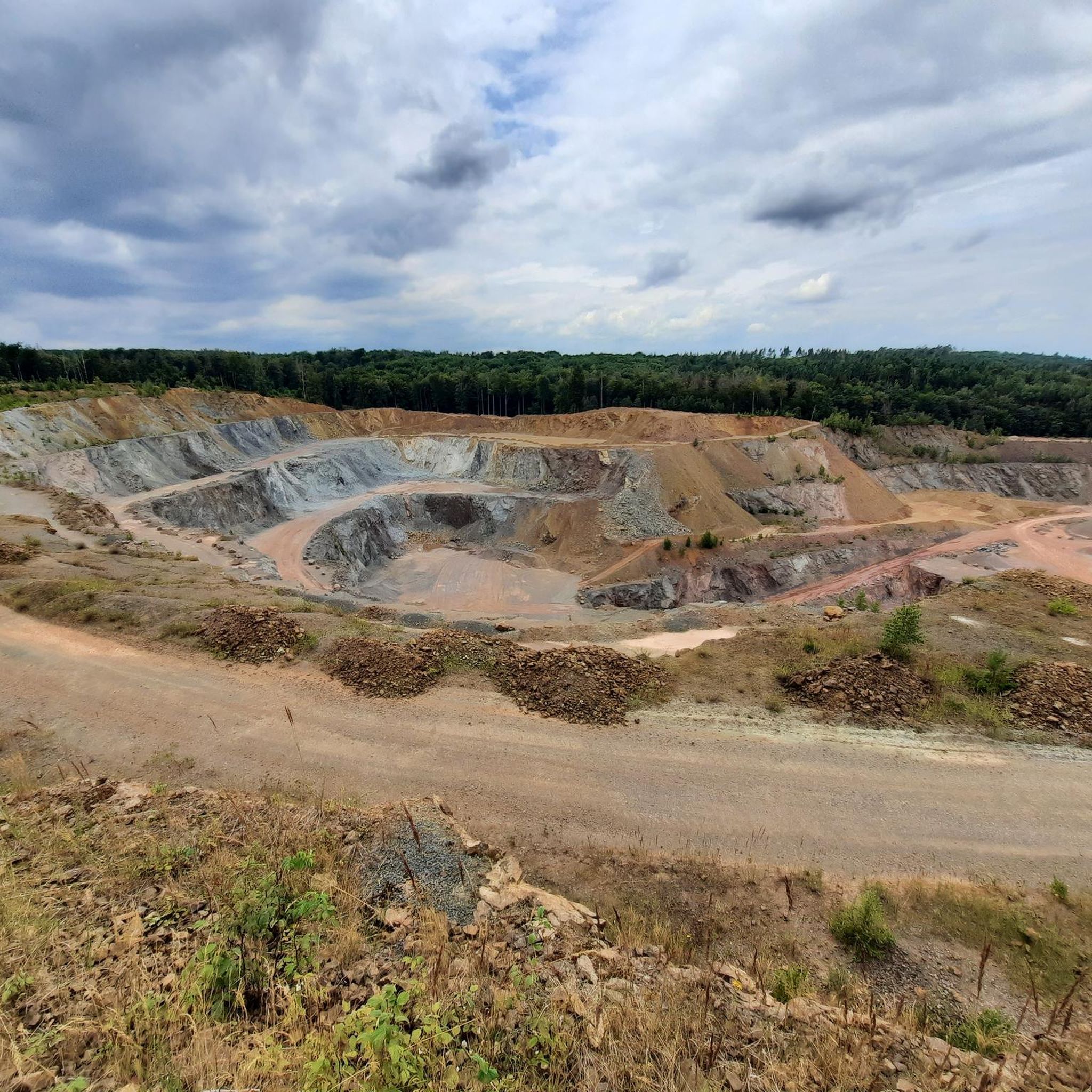
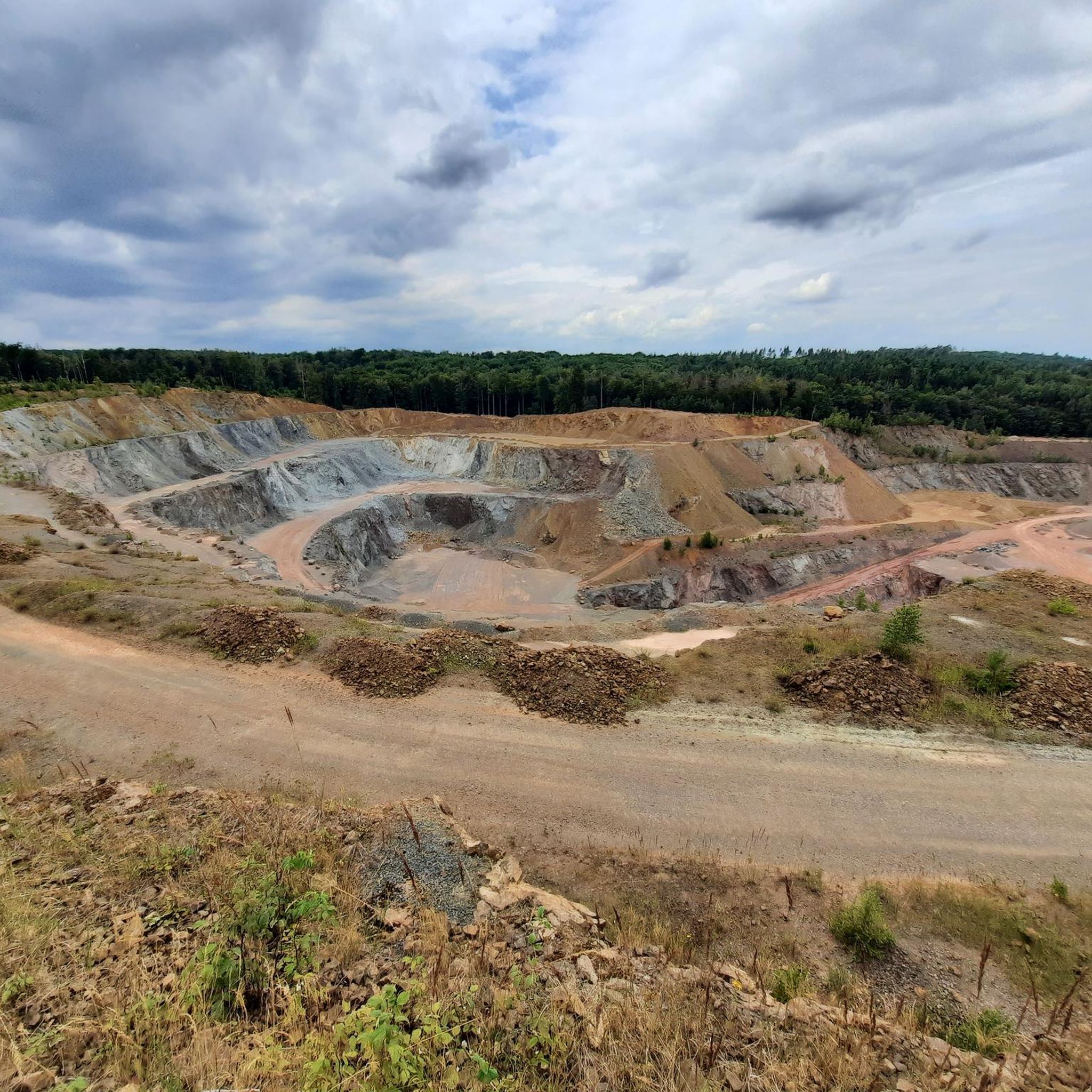
One of the 11 medieval field watchtowers in the city of Quedlinburg. The field watchtowers were built around 1300 to guard the Quedlinburg fields. The exact location and type of building are not known. It is also not known when the watchtower, known from a few entries in the Quedlinburg city council accounts, was demolished. The name is said to come from "lého", which means "burial mound". The site fell victim to sand mining on the Lehofsberg. Source: https://www.wartenverein.de/beschreibung-der-feldwarten/lehofwarte/
11
0
A mine was probably built here in the 16th century to mine copper and iron ore. However, fluorspar, chalcopyrite, arsenic pyrite and galena were mined. After it was closed in the 17th century, the mine fell into oblivion and was only rediscovered in the 1870s when gravel was extracted for road construction. The Magdeburg researcher Lessing then explored the cave, but the water in the shafts was up to 25 m high. After it was filled in, a waterworks was built here at the beginning of the 20th century, but it was destroyed by a rockfall just a few years later. In the 1950s, the Lessing Cave was searched for uranium-containing ore. The proportion of this radioactive metal was, fortunately for the town, too small. Today the cave serves as a refuge for bats and is therefore under special protection. Source: https://www.quedlinburg-info.de
5
0
The right tunnel can be accessed for about 40m. The deeper mine workings are flooded and the other two tunnels are filled. The Lessing Cave is also opened up every year for the "hike on the trail of mining". Source: https://harzklub-bad-suderode.de
9
0

Beautiful view of Quedlinburg and the surrounding area. Stamp office of HWN Runde Quedlinburg. Be careful, it's loose sand and no grid.
3
0

The Pioneer Tunnel is a stop on the Selketalstieg between Alexisbad and Mägdesprung and is located on the east side of the picturesque Selke Valley. This artificial, around 10 meters long and relatively low passage was driven through the rock in May 1900 within a few days. The hiking trail leads through here. There is no alternative route over or around the rock, so if you don't want to turn back you have to squeeze through the narrow tunnel. On the south side of the tunnel you have a beautiful view of the Selke Valley and the surrounding mountains. Source: https://www.harzlife.de/bilder/pioniertunnel.html
7
1

Mining history with HWN stamp box and special cancellation
5
0

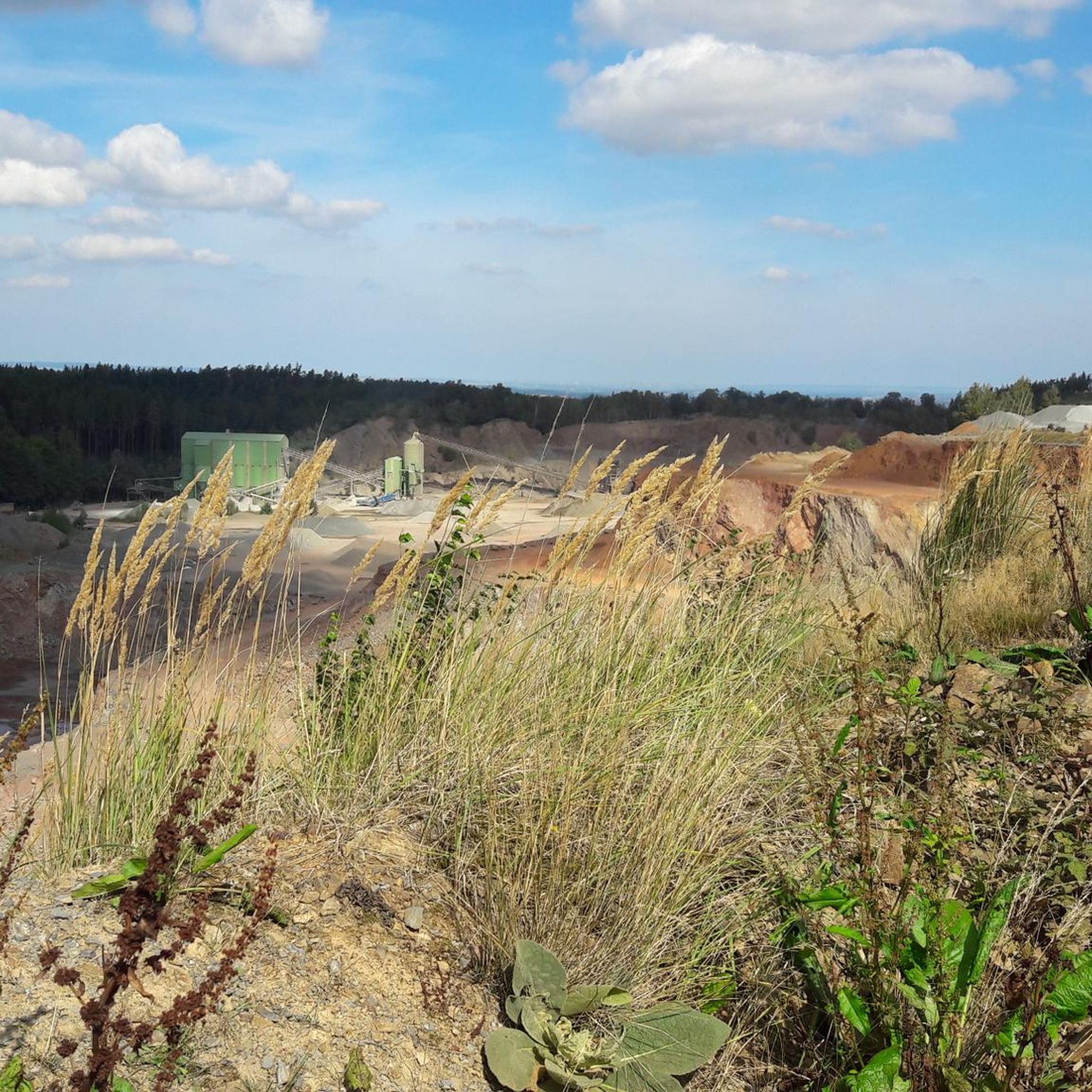
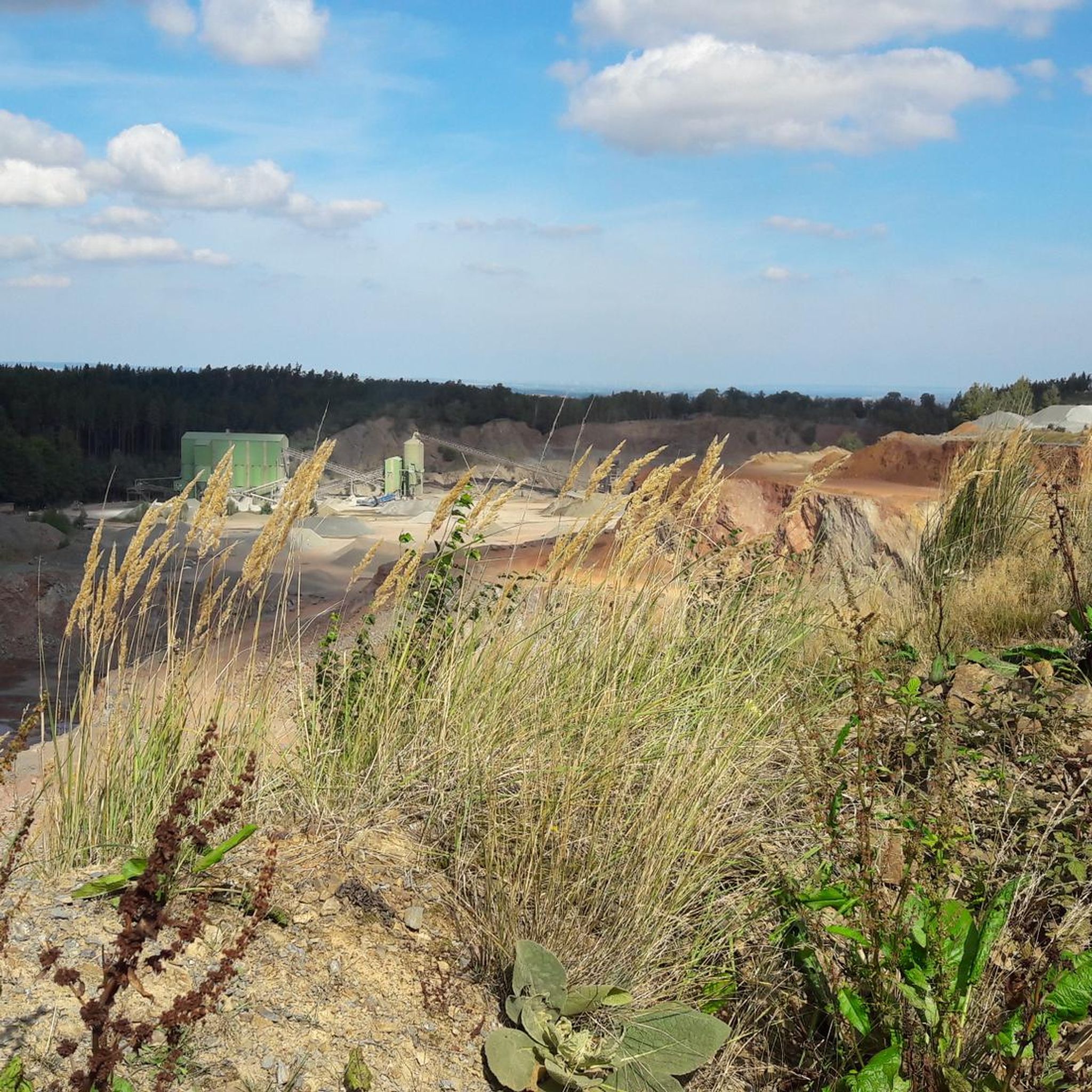
The pit is located about 800 m from Straßberg in the valley of the Glasebach. The show mine is very well signposted in Straßberg. From the car park you can go past the Radstube to the stamping point at the "Alten Glasebacher Stollen".
6
0
Frequently Asked Questions
What types of caves can I explore around Ballenstedt?
The Ballenstedt area, situated on the northern edge of the Harz Mountains, offers a mix of natural rock formations and historical mining adits. You'll find both natural rock tunnels and man-made passages, providing insights into the region's geological past and industrial heritage. These are generally not large show caves but rather historical and natural sites.
Are there any caves with historical significance near Ballenstedt?
Yes, several caves and adits have historical importance. The Glasebach Adit (HWN 175) is a historical site and a stamping point for the Harz hiking pin, located near the Glasebach mine. The Lessinghöhle — Mine Entrances, first mentioned in 1546, has a rich mining heritage, having been a site for fluorite spar and chalcopyrite extraction.
Which caves are good for nature observation or ecological interest?
The Lessinghöhle — Mine Entrances is particularly notable for its ecological value. Today, it serves as an important retreat for bats and other protected animal species, highlighting its role as a natural monument.
Are there any family-friendly cave experiences around Ballenstedt?
The Pioneer Tunnel (Pioniertunnel) is an approximately 10-meter-long rock breakthrough on the pioneer path, often enjoyed by families. Similarly, Adolph's Rock Tunnel is a small rock tunnel directly on the Selke, which visitors have noted as suitable for children.
What kind of geological features can I expect to see?
While not featuring extensive stalactite formations like some show caves, the caves around Ballenstedt showcase natural rock formations and the results of historical mining. The Lessinghöhle, for instance, is recognized as a geological landmark due to its mining history and natural structure.
What outdoor activities can I combine with a visit to the caves?
The region around Ballenstedt is excellent for various outdoor activities. You can find numerous cycling routes, such as those detailed in the Cycling around Ballenstedt guide. For hikers, there are mountain hikes available, with options in the Mountain Hikes around Ballenstedt guide. Mountain biking enthusiasts can explore trails listed in the MTB Trails around Ballenstedt guide.
Is there a cave that offers a more adventurous experience?
For those seeking a bit more adventure, the Secret Tunnel to Hakerode Castle is a historical site that promises an exciting exploration. Visitors recommend bringing a headlamp for this challenging experience, as it involves navigating through a tunnel that leads towards the castle grounds.
What is the best time of year to visit the caves around Ballenstedt?
The caves and adits around Ballenstedt can be visited year-round. However, for sites like the Glasebach Adit, which has a rest area completely in cool shade, summer can be particularly pleasant. For caves that serve as bat retreats, it's advisable to check local regulations regarding access during bat hibernation periods in winter to avoid disturbance.
What should I wear or bring when exploring these caves?
Given that many of these are natural or historical adits, comfortable walking shoes are essential. For longer or more adventurous tunnels like the Secret Tunnel to Hakerode Castle, a headlamp is highly recommended. Layers of clothing are also advisable as temperatures inside can be cooler than outside.
How accessible are the caves around Ballenstedt by public transport?
While specific public transport details for each cave vary, Ballenstedt itself is a town in the Harz region. Many of the caves, like the Lessinghöhle, are located near towns or on hiking trails, suggesting that a combination of public transport to nearby villages and then walking or cycling might be necessary. It's best to plan your route in advance using local transport information.
What do visitors generally appreciate about the caves in this region?
Visitors to the caves around Ballenstedt highly appreciate the blend of natural beauty and historical significance. The community has shared over 1000 photos and given more than 1500 upvotes, highlighting the unique experiences offered by these sites, from historical mining insights to natural rock formations and adventurous tunnels.
Most popular routes around Ballenstedt
Most popular attractions around Ballenstedt

Get inspired with the komoot mobile app


Explore more
Extend your search for the best caves by checking out these guides of the top ones around Ballenstedt:
