Attractions and Places To See around Sobral Da Lagoa - Top 20
Best attractions and places to see around Sobral Da Lagoa include a blend of cultural heritage and natural beauty. This village is situated near the historic town of Óbidos and the Óbidos Lagoon. The region offers opportunities to explore medieval landmarks and enjoy outdoor activities along the lagoon. Its landscape is also known for morello cherry fields, contributing to local traditions.
Best attractions and places to see around Sobral Da Lagoa
- The most popular attractions is Óbidos – Town Gate…
Last updated: August 25, 2026
Óbidos – Town Gate
Highlight • Historical Site
Translated by Google •
Tip by

Óbidos Castle
Highlight • Castle
Translated by Google •
Tip by
Sign up now to discover places like this
Get recommendations on the best single tracks, peaks, & plenty of other exciting outdoor places.
Sign up for free
Óbidos Castle
Highlight • Castle
Translated by Google •
Tip by
Óbidos Town Wall Walk
Highlight (Segment) • Monument
Translated by Google •
Tip by

Igreja de São Tiago Bookstore
Highlight • Religious Site
A very successful venture.
Translated by Google •
Tip by

Sign up for free to discover even more attractions around Sobral Da Lagoa.
Sign up for free
Already have an account?
Start today with a free account
Your next adventure awaits.
Login or Signup

Tips from the Community

An entrance in the city wall, with some tile panels that I loved seeing.
6
0
Beautiful photos. Thank you 🙏
6
1

The city walls enclose the entire old town of Óbidos. You can walk around most of it on the battlements – except for a small section in the north. This provides fascinating views of the entire old town from various angles, as well as glimpses of the wider surroundings, and, of course, interesting views of the old walls themselves.
2
1

The Castelo de Óbidos is a medieval castle and symbolically towers over the town of Óbidos. The fortification is likely of Roman origin, but the region was settled even earlier, in prehistoric times. Its eventful history over the decades can be found here: https://www.burgen.de/burgen-und-schloesser/portugal/castelo-de-obidos/ In the 20th century, the Castelo de Óbidos was found completely in ruins. Starting in 1932, the castle underwent the first consolidation, reconstruction, and restoration work. It was restored to accommodate state guests – the first Portuguese state accommodation in a historic building. Therefore, the interior of the castle is unfortunately no longer open to visitors.
4
0
Built in 1186 by order of King D. Sancho I, it was struck by the earthquake of 1531 and destroyed by the earthquake of 1755. Preparations for the construction of the new church began in 1765 and was completed seven years later. In 1989, the church was transferred to the municipality of Obidos so that it could be adapted for cultural use. Today it houses a small, noteworthy bookstore.
1
0
The Porta da Vila is the city's main gate. It consists of two low, staggered gates to prevent a direct cavalry charge, as was often the case with Gothic Portuguese castles. Between the gates is a small balcony that served as a prayer room, with beautiful blue and white tiles (azulejos) from 1740 depicting the Passion of Christ. Street performers often play there because of the acoustics.
5
0

Built in the 12th century, the walls are among the best preserved in Portugal and offer a fascinating journey through time. The walls of Óbidos are approximately 1.5 km long.
2
2

The profanation and repurposing of a place of worship no longer used for liturgical celebrations is sometimes a delicate matter. This bookstore has clearly succeeded in both making the space commercially viable, while preserving its dignity. Nobel Prize winner Mario Vargas Llosa, who died this year, once said: "Literature educates people, stimulates the imagination, heightens sensitivity..."
2
0
Frequently Asked Questions
What natural features can I explore around Sobral da Lagoa?
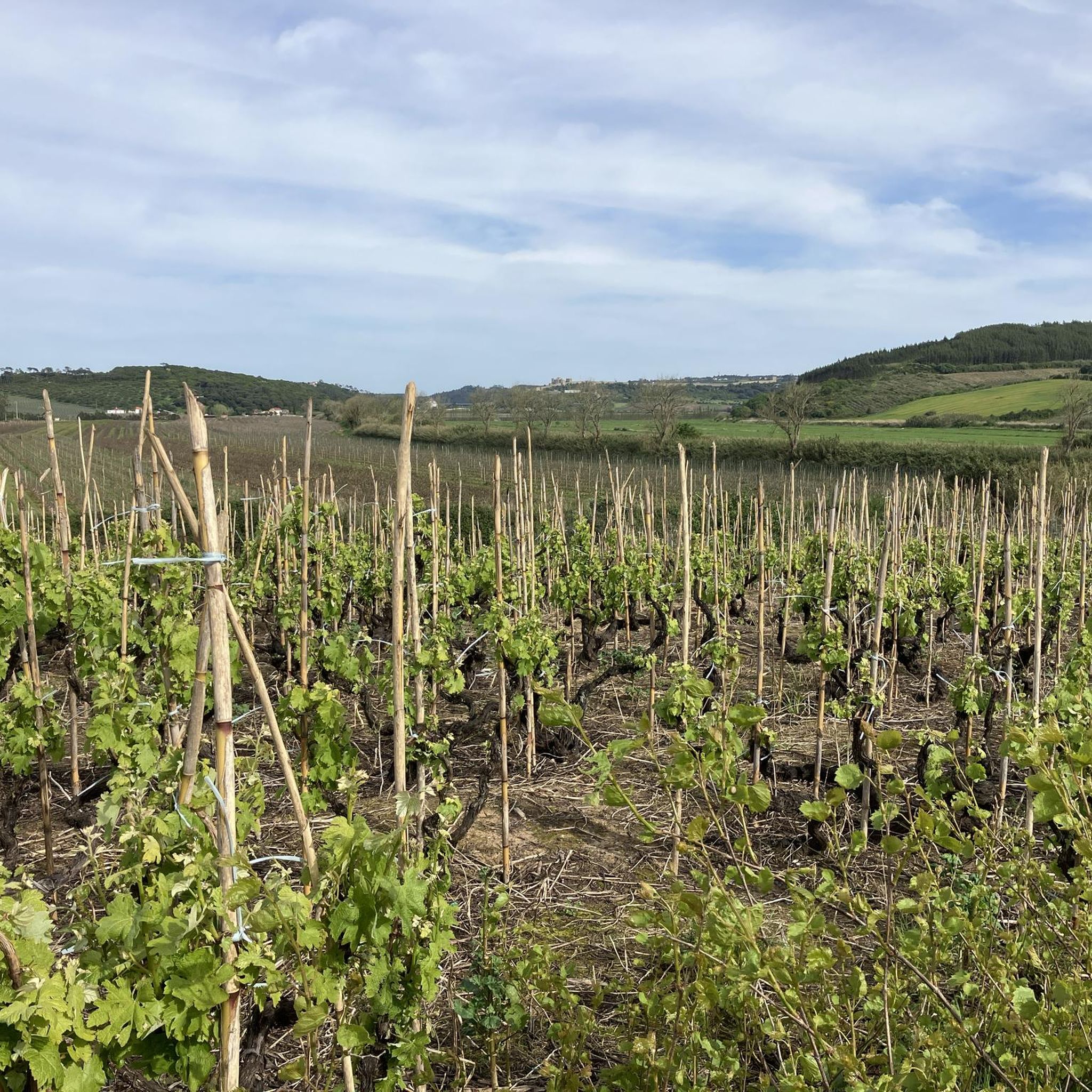
The most prominent natural feature is the Óbidos Lagoon, a large body of water offering paths for hiking and cycling, such as the Várzea da Rainha cycling path. The region is also known for its picturesque morello cherry fields, which are particularly beautiful when in flower (late April to mid-May) or laden with fruit (late June to early July).
What historical and cultural sites are there to visit near Sobral da Lagoa?
Nearby, the historic walled town of Óbidos is a must-see, featuring the well-preserved Óbidos Castle and ancient town walls. Within Sobral da Lagoa itself, you can explore the 19th-century Igreja Matriz de São Sebastião, Capela de Nossa Senhora da Conceição, historical Cruzeiros, and traditional windmills. Óbidos also houses the unique Igreja de São Tiago Bookstore, a former church converted into a literary space.
Are there opportunities for outdoor activities like hiking or cycling?
Yes, the area around Sobral da Lagoa and the Óbidos Lagoon offers various outdoor activities. You can enjoy hiking and cycling along the lagoon's paths. For specific routes, explore the available hiking, road cycling, and gravel biking guides for the region.
What is the Óbidos Lagoon known for?
The Óbidos Lagoon is a large, unique ecosystem where river and sea waters meet. It's popular for activities like cycling along its paths, boat rentals, and water sports such as kitesurfing, kayaking, and SUP. It's also a significant spot for local fishermen and a great place to observe diverse wildlife, including flamingos.
Can I walk along the historic walls of Óbidos?
Absolutely! Walking along the Óbidos Town Wall Walk is highly recommended. It offers panoramic views of the historic town and the surrounding countryside. Be aware that the path can be narrow and lacks railings on the inside in some sections, so good footing and a head for heights are essential.
What unique local products or experiences can I find in Sobral da Lagoa?
Sobral da Lagoa is a significant producer of ginjas, the morello cherries used to make the famous Ginja de Óbidos liqueur. Visitors can learn about this tradition and sample the drink. The village also offers artisan shops for handmade goods, pottery, and textiles, alongside local gastronomy featuring traditional dishes like Sarrabulho, corn bread, and mature red wine.
When is the best time to visit Sobral da Lagoa for its attractions and natural beauty?
To experience the morello cherry fields in full bloom, visit from late April to mid-May. For harvesting season, late June to early July is ideal. The region also hosts various cultural events and festivals throughout the year, offering a chance to connect with local traditions. For outdoor activities, spring and autumn generally offer pleasant weather.
Are there any family-friendly attractions or activities?
The Óbidos Lagoon is family-friendly, offering calm waters suitable for various sports and paths for easy walks or cycling. Exploring the medieval town of Óbidos, including its castle and charming streets, can also be an engaging experience for families. Many of the highlights, such as the Óbidos – Town Gate, are considered family-friendly.
What makes the Óbidos Castle a significant attraction?
The Óbidos Castle is a historical site of Roman origin, later occupied by Visigothic and Muslim peoples before being reconquered in 1148. It's one of the best-preserved medieval castles in Portugal, offering a glimpse into ancient history and providing stunning views of the surrounding area, including the Óbidos Lagoon. The town itself is known for its colorful houses and literary heritage.
What kind of routes are available for cycling around Sobral da Lagoa?
The area offers a variety of cycling routes. You can find road cycling routes that take you through scenic landscapes, including loops around the Óbidos Lagoon and towards Foz do Arelho Beach. There are also gravel biking routes, many of which explore the natural beauty around the Óbidos Lagoon.
Are there any easy hiking trails suitable for a leisurely walk?
Yes, there are easy hiking trails available. For instance, you can find routes like the "Óbidos Castle – Óbidos – Town Gate loop from Óbidos" which is classified as easy. Many paths along the Óbidos Lagoon also offer pleasant, less strenuous walking opportunities.
What is the significance of the Morello Cherry (Ginja) in Sobral da Lagoa?
Sobral da Lagoa is a key region for growing morello cherries, locally known as ginjas. These cherries are essential for producing the famous Ginja de Óbidos liqueur, a traditional Portuguese drink. The humidity from the nearby Óbidos Lagoon creates exceptional conditions for these trees, making the region a significant contributor to this local delicacy.
Most popular attractions around Sobral Da Lagoa

Get inspired with the komoot mobile app


Explore more
Still not found the Highlight you’re looking for? See guides of the top attractions in other regions:
