The best road cycling routes around Arrimal e Arrimal e Arrimal e Mendiga
4.6
(8)
255
riders
28
rides
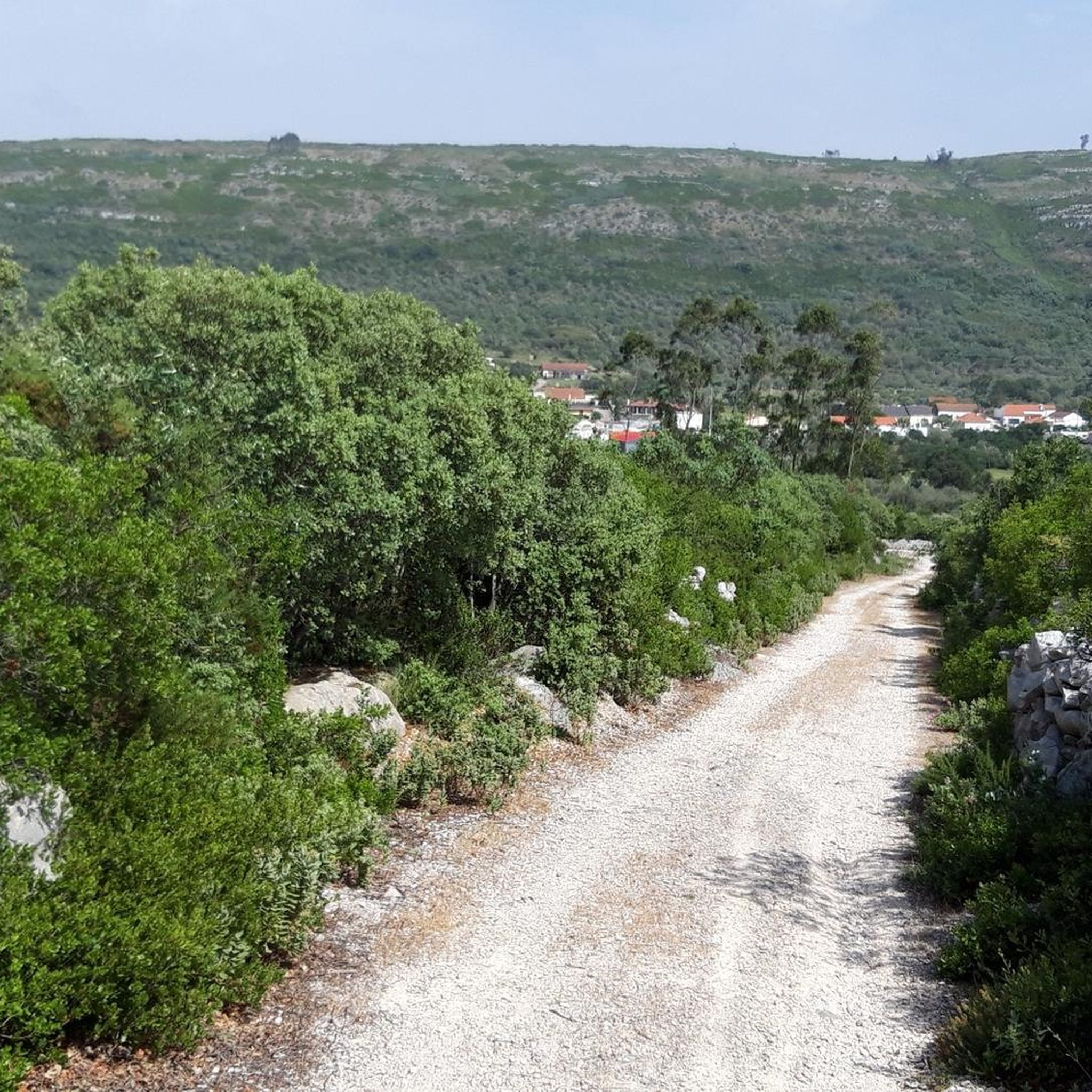
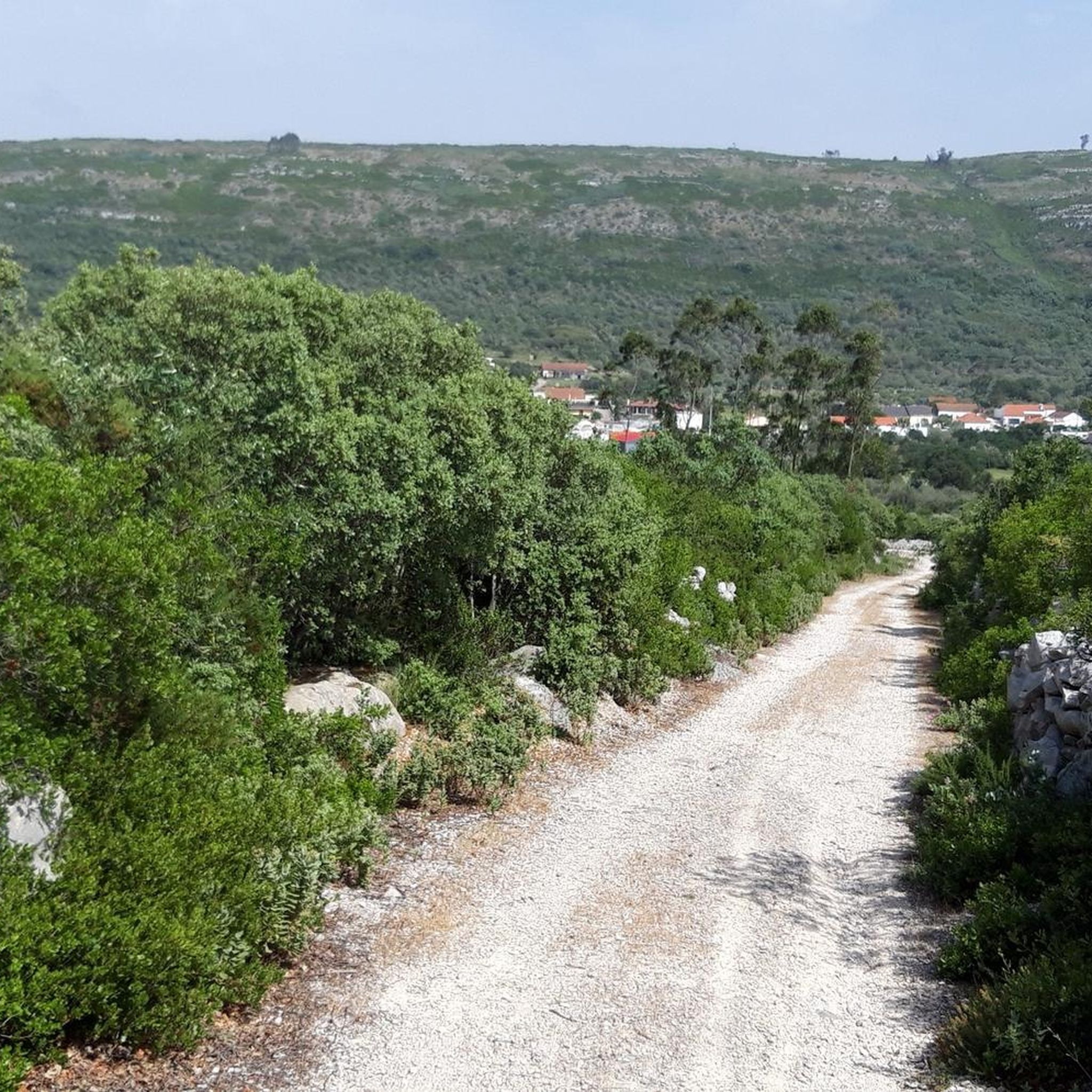
Road cycling around Arrimal e Arrimal e Arrimal e Mendiga offers a diverse landscape characterized by rolling hills, valleys, and historical points of interest. The region features varied terrain, including ascents to viewpoints and routes passing by ancient castles. Road cyclists can expect a mix of challenging climbs and more moderate sections, providing options for different skill levels.
Best road cycling routes around Arrimal e Arrimal e Arrimal e Mendiga
- The most popular road cycling route is Fórnea Viewpoint loop…
Last updated: October 18, 2026
4.0
(3)
9
riders
41.5km
01:51
450m
450m
Moderate road ride. Good fitness required. Mostly well-paved surfaces and easy to ride.
5.0
(1)
10
riders
31.3km
01:26
330m
330m
Moderate road ride. Good fitness required. Mostly well-paved surfaces and easy to ride.

7
riders
93.2km
04:31
1,310m
1,310m
Hard road ride. Very good fitness required. Mostly well-paved surfaces and easy to ride.
7
riders
51.8km
02:33
710m
710m
Moderate road ride. Good fitness required. Some segments of this route may be unpaved and difficult to ride.
6
riders
82.5km
03:53
940m
940m
Hard road ride. Very good fitness required. Mostly well-paved surfaces and easy to ride.
Get access to more routes and recommendations from other explorers.
Already have an account?
Our route recommendations are based on thousands of hikes, rides, and runs completed by other people on komoot.
Start today with a free account
Your next adventure awaits.


Tips from the Community

After the January hurricane, the Fátima Mother Church has a new cross on the tower. Praise the Lord.
0
0

On clear days, there is a good view from Montejunto, S.Martinho do Porto, Nazaré, etc.
0
0

Gorgeous views! The climb to Alqueidão da Serra is tough for beginners.
1
0

Salt is extracted from shallow, concrete or stone pans of varying sizes, where saltwater drawn from a well is conveyed through ditches. Currently, the water is pumped by a motor and distributed according to a system that is generally accepted and respected (not always) by all the owners. Drainpipes, threshing floors, and wooden salt storage houses complete the complex known as the Rio Maior Salt Pans. According to technicians, a large and deep rock salt mine, traversed by an underground stream that feeds a well, makes the extracted water salty, seven times saltier than seawater. The salt is obtained from its exposure to the sun and wind, and the resulting evaporation of the water. This salt is deposited at the bottom of the pans, which are then piled up in pyramid-shaped heaps to dry until harvest. The process is rudimentary and similar to that used in seaside salt mines. The only difference is the picturesque valley that surrounds them, the well, the unique style of the sailors (as the men who work in the salt mines are known), the wooden houses and the country air that you breathe.
0
0

From the chapter house on the ground floor, a staircase leads up to the dormitory. This staircase was rediscovered during renovations beginning in 1930. Located on the first floor, the dormitory extends 66.5 meters in length and 21.5 to 17.5 meters in width along the entire east side of the medieval part of the abbey, thus covering an area of almost 1,300 square meters. In its current form, restored through renovation, it presents itself in its original medieval state. At the southern end, the dormitory opens with a large round-arched doorway to the northern transept of the church. A staircase formerly led down from there, as the Cistercian rule required two separate entrances to the communal sleeping quarters. At the northern end of the dormitory were the latrines, which—again according to a general rule of the order—had to be separated from the sleeping quarters by a separate room. The wastewater flowed into the abbey's garden on the north side. The monks slept together in the dormitory, fully clothed, separated from their neighbors only by a movable partition. The abbot alone had his own cell, located on the south side facing the church. This arrangement is typical of most Cistercian monasteries of this period. A narrow door in the center of the western side leads to a narrow spiral staircase, which today provides access to the kitchen, but in the Middle Ages led to the calefactory (warming room, see below). This staircase also provided access to the upper cloister. https://de.wikipedia.org/wiki/Kloster_Alcoba%C3%A7a
2
0
The entrance to the chapter house features a particularly striking facade with staggered columns. The chapter house served as the meeting place for the monks and was, after the church, the most important room in the monastery. It bears this name because the chapters of the Rule of St. Benedict were read aloud there daily. Elections and similar communal ceremonies of the monks also took place there. In the entrance area to the chapter house is the gravestone of an abbot whose identity is no longer known. The floor of the chapter house was formerly completely covered with such gravestones, as a Cistercian rule from 1180 stipulated that abbots had to be buried in the chapter house, meaning that the monks made their decisions on the graves of their deceased abbots. This type of burial was a significant exception to the general Cistercian rule, which forbade the burial of monks within the monastery. That's why you'll find a door leading south in the southern transept called the Porta da Morte (Door of Death), because deceased monks were carried out through it for burial. https://de.wikipedia.org/wiki/Kloster_Alcoba%C3%A7a
1
0
To the west of the new kitchen lies the refectory, the dining hall for the monks, a three-aisled hall measuring approximately 620 square meters (29 x 21.5 meters). Above its entrance, in medieval Latin, is the difficult-to-interpret inscription: "respicte quia peccata populi comeditis," meaning: "Remember that you are eating the sins of the people." The room impresses with its beautiful proportions. It has windows facing north and east, overlooking the new kitchen. On the west side, a stone staircase leads to the pulpit of the lector, who read from monastic texts during meals. The monks sat facing the walls and ate their meals in silence. The abbot sat with his back to the north wall, observing the proceedings. At the southern end of the west side, the refectory opens into the former medieval kitchen, now a side room leading to the cloister of the Cathedral of Afonso VI. A few meters further along, another opening can be found in the same wall, two meters high and 32 cm wide. It leads to the aforementioned side room, and there is no scientifically sound explanation for it. A long-standing legend claims that this opening served to monitor the monks' weight. They were supposed to pass through this door once a month, which is only possible by leaning sideways. If they were too heavy, they were put on a diet. The damage caused by the conversion of the refectory into a theater in 1840 (with 301 seats, 120 of which were in the galleries, and 5 boxes) was largely repaired during the restoration. https://de.wikipedia.org/wiki/Kloster_Alcoba%C3%A7a
1
0
The exact date of the monastery kitchen's reconstruction is disputed, despite a date of 1712 inscribed within the kitchen. However, it is assumed that the new kitchen was completed before the construction of King Afonso VI's cloister, thus likely towards the end of the 17th century. In the center of the kitchen, a chimney was built over a base of approximately 3 x 8 meters and reached a height of about 25 meters. Two flanking chimneys of the same height flanked the kitchen, forming the highest point in the monastery's roofscape after the church and its nave. Such structures existed in Portugal only at the Convent of Christ in Tomar and the Royal National Palace in Sintra. The hearth of the main chimney is recessed to hold the embers, so that these facilities—after centuries of abstaining from meat—were now suitable for grilling and roasting whole cattle. A ditch of the levada, the artificial side channel of the Alcoa River, flows beneath the kitchen floor. On the west side of the kitchen are seven large stone basins, each with two spouts depicting mythical faces or grotesque masks. Water flowed into these tub-sized basins, fed by a channel running inside the wall. In 1762, the kitchen received its current tiles, which cover both the walls and ceiling. https://de.wikipedia.org/wiki/Kloster_Alcoba%C3%A7a
2
0
Frequently Asked Questions
How many road cycling routes are available around Arrimal e Mendiga?
There are over 25 road cycling routes available around Arrimal e Mendiga, offering a variety of distances and difficulty levels for different preferences.
What kind of terrain can I expect when road cycling in Arrimal e Mendiga?
The region features diverse terrain, characterized by rolling hills, valleys, and ascents to scenic viewpoints. You can expect a mix of challenging climbs and more moderate sections, often passing by historical points of interest and natural landscapes.
Are there road cycling routes suitable for beginners in Arrimal e Mendiga?
Yes, there are a few easier routes available. While many routes are moderate, you can find options that are less demanding to help you get started. Look for routes with lower elevation gain and shorter distances.
Are there challenging road cycling routes for experienced cyclists?
Absolutely. Arrimal e Mendiga offers several challenging routes with significant elevation gain. For instance, the Porto de Mós Castle – Ascent from Minde to the viewpoint loop from Arrimal e Mendiga is a difficult 56.1-mile (90.3 km) trail with over 1200 meters of climbing, perfect for experienced riders seeking a demanding ride.
What are some scenic viewpoints accessible by road bike in the area?
Many routes lead to beautiful vistas. The Fórnea Viewpoint loop from Arrimal is a popular choice that includes climbs to a notable viewpoint. You might also encounter highlights like the Serro Ventoso Swing, offering panoramic views.
Are there historical sites or landmarks to see along the road cycling routes?
Yes, the region is rich in history. Routes often pass by ancient castles and other historical points of interest. For example, the Porto de Mós Castle loop from Arrimal takes you past a historic castle, and the Alcobaça Castle – Porto de Mós Castle loop from Arrimal e Mendiga connects two significant historical sites.
Are there any natural attractions like waterfalls or caves along the routes?
While direct access by road bike to all natural attractions might vary, the region is home to natural wonders. The Fórnea Waterfall is a notable natural monument in the vicinity, and you might find routes that offer views or access points to such areas.
Are there circular road cycling routes available?
Yes, many of the road cycling routes in Arrimal e Mendiga are designed as loops, allowing you to start and finish at the same point. Examples include the Fórnea Viewpoint loop from Arrimal and the Rio Maior Salt Pans – Salinas de Rio Maior loop from Arrimal e Mendiga.
What is the best time of year for road cycling in Arrimal e Mendiga?
Spring and autumn generally offer the most pleasant conditions for road cycling, with milder temperatures and less rainfall. Summer can be warm, especially in the midday sun, while winter might bring cooler temperatures and a higher chance of rain, though cycling is possible year-round.
Are there long-distance road cycling options in Arrimal e Mendiga?
Yes, for those looking for longer rides, there are routes extending up to 56 miles (90 km) or more. These routes often connect multiple towns and attractions, providing a full day's adventure. The Porto de Mós Castle – Ascent from Minde to the viewpoint loop from Arrimal e Mendiga is a great example of a longer, challenging ride.
What do other road cyclists enjoy most about road cycling in Arrimal e Mendiga?
The area is highly rated by the komoot community, with an average score of 4.8 stars from over 7 reviews. Reviewers often praise the varied terrain, the scenic viewpoints, and the opportunity to explore historical sites while cycling.
Most popular routes around Arrimal e Arrimal e Arrimal e Mendiga
Most popular attractions around Arrimal e Arrimal e Arrimal e Mendiga

Get inspired with the komoot mobile app


Explore more
Browse the best Road cycling routes in other regions.
