The best running trails around Aldeia Galega Da Merceana
5.0
(2)
220
runners
20
runs
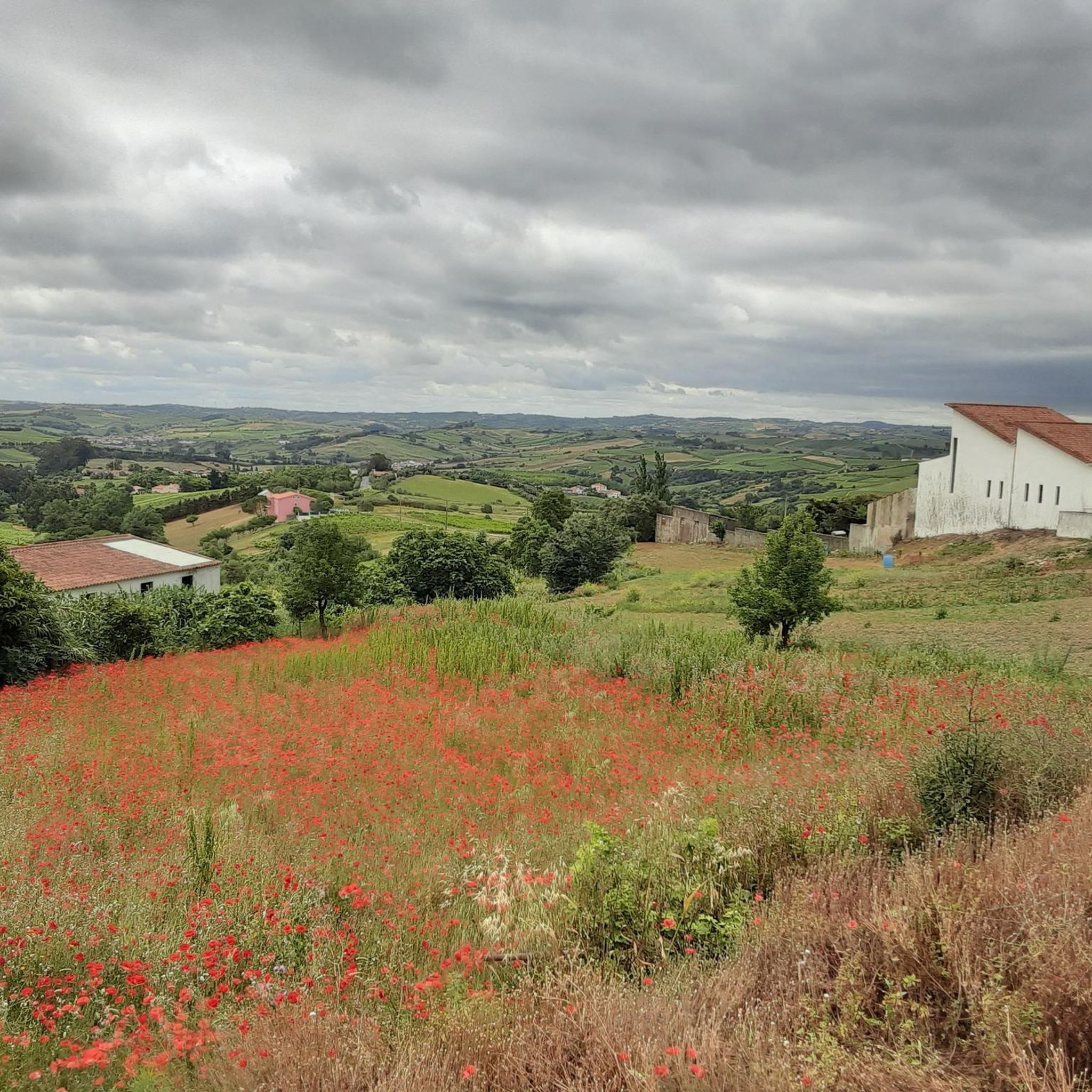
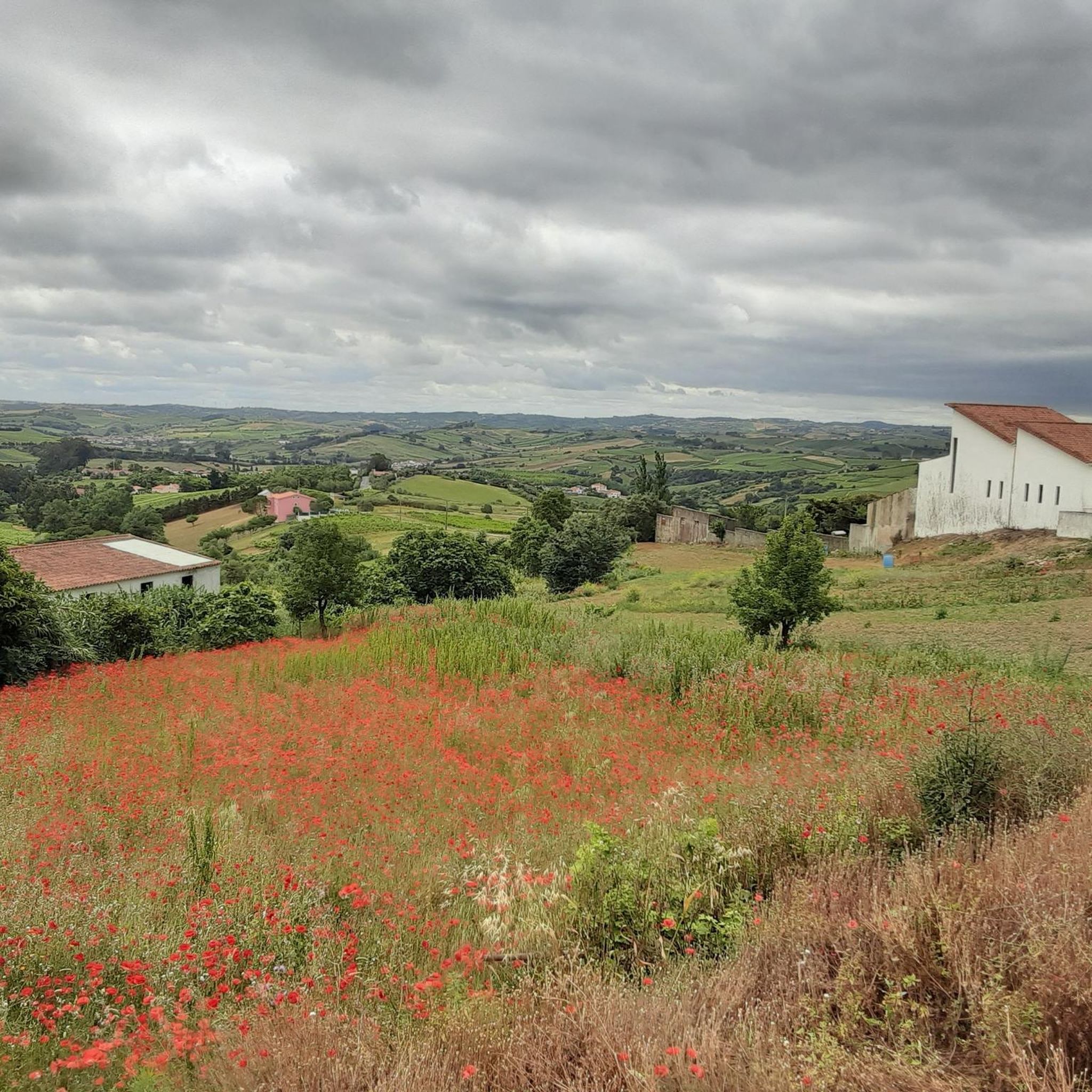
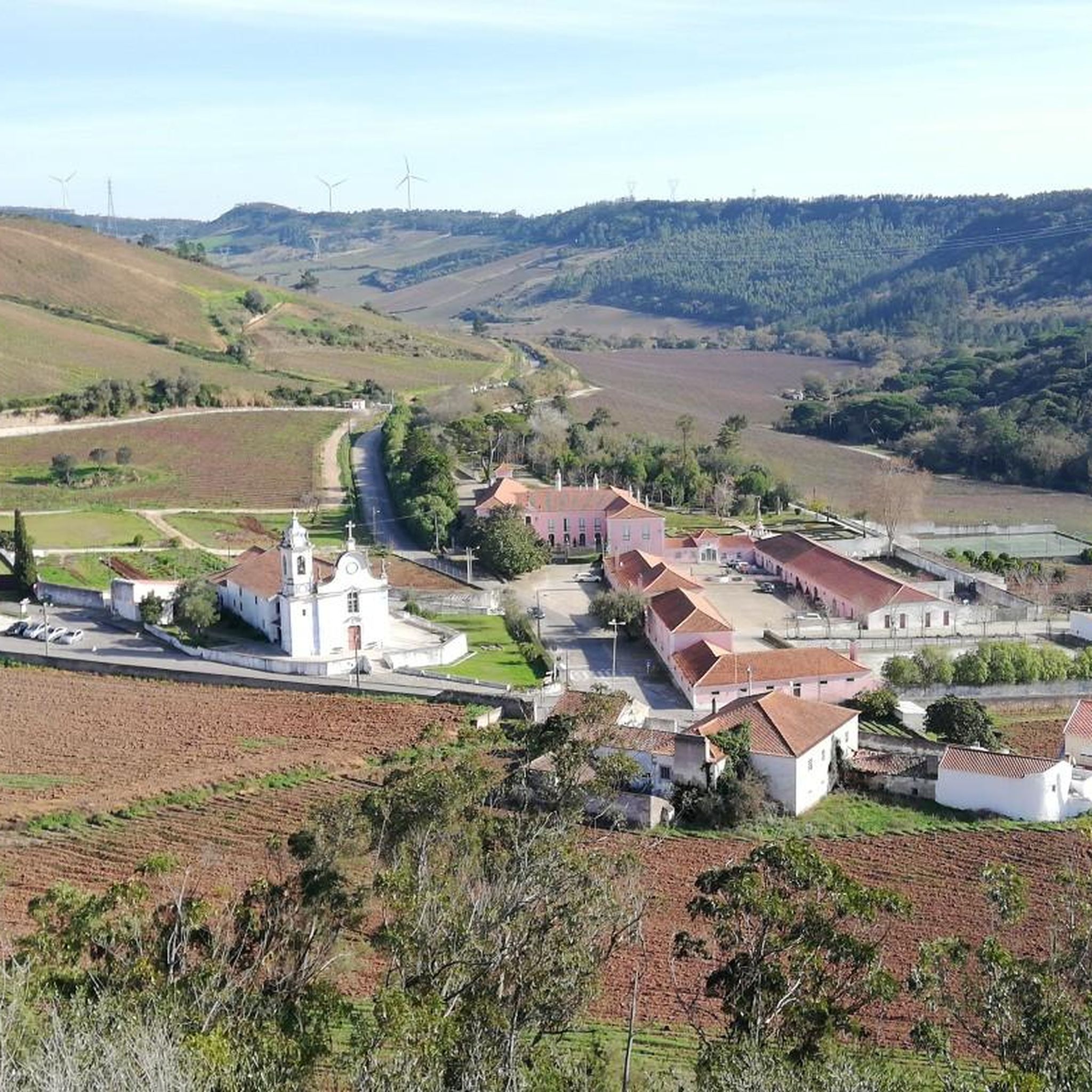
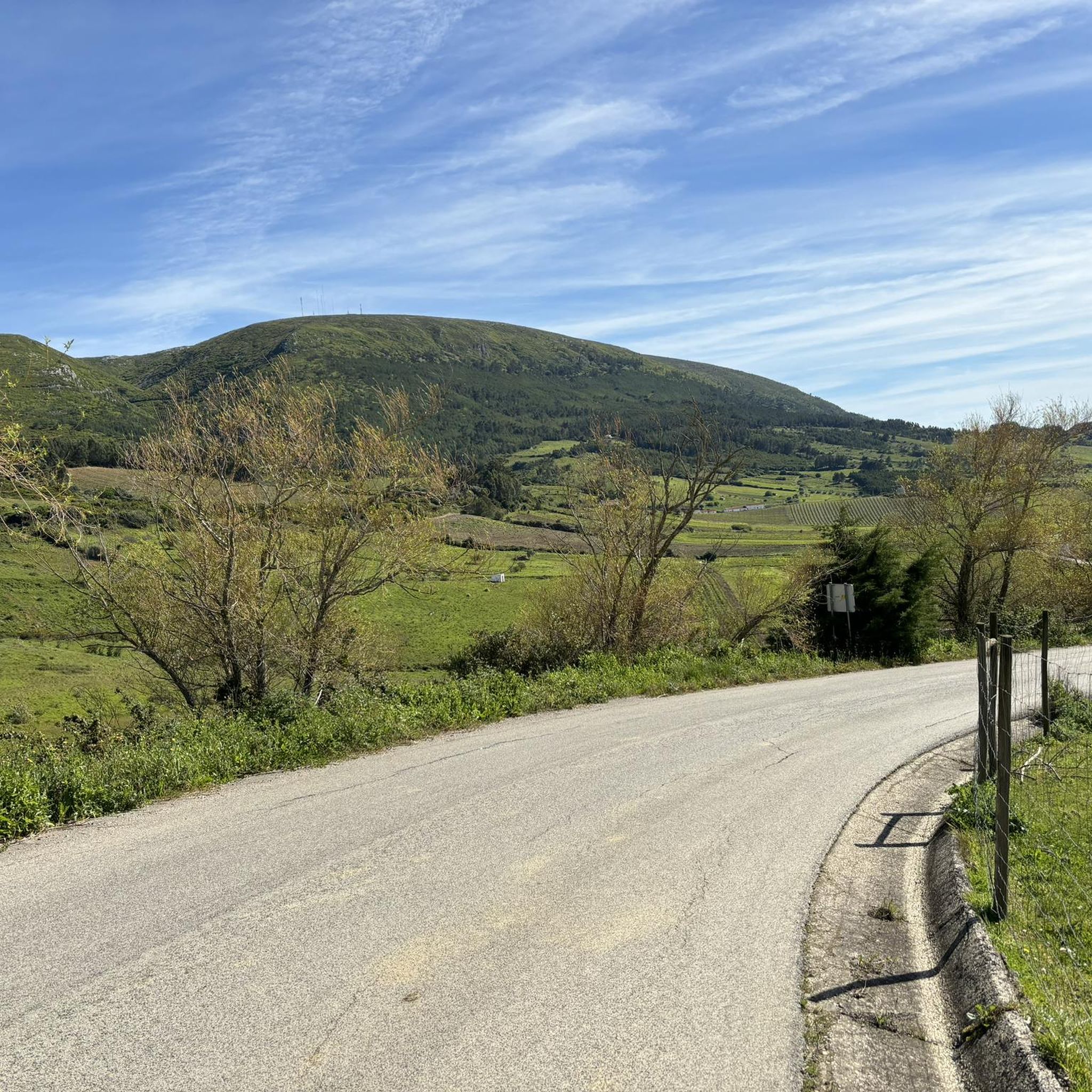
Jogging routes Aldeia Galega da Merceana traverse a diverse landscape in western Portugal, characterized by the mountainous Serra Galega and the nearby Serra de Montejunto. The region is also known for its extensive vineyard landscapes within the Alenquer and Torres Vedras wine-growing areas. These natural features provide varied terrain, from challenging mountain paths to scenic countryside and vineyard trails, suitable for different running preferences.
Best jogging routes around Aldeia Galega Da Merceana
- The most popular jogging route is Route of…
Last updated: July 11, 2026
2
runners
10.7km
01:18
270m
280m
Moderate run. Good fitness required. Mostly paved surfaces. Suitable for all skill levels.
17.9km
02:24
660m
670m
Hard run. Very good fitness required. Mostly accessible paths. Some sure footedness required.

Sign up for free
1
runners
18.3km
02:24
670m
670m
Hard run. Very good fitness required. Mostly accessible paths. Some sure footedness required.
20
runners
15.8km
02:12
600m
600m
Hard run. Very good fitness required. Mostly accessible paths. Some sure footedness required.
12
runners
11.9km
01:22
210m
210m
Moderate run. Good fitness required. Mostly paved surfaces. Suitable for all skill levels.
Get access to more routes and recommendations from other explorers.
Sign up for free
Already have an account?
Our route recommendations are based on thousands of hikes, rides, and runs completed by other people on komoot.
Start today with a free account
Your next adventure awaits.
Login or Signup

Tips from the Community

Using only the natural power of the wind as the driving force, the heavy millstones are moved, and for example, grain kernels are ground into flour (grain mills) or olives are pressed into oil (oil mills). Miguel de Cervantes (1547 to 1616) also created a literary monument to the ancient tradition of windmills: the most famous character of the author, considered Spain's national poet, whose work can certainly be appreciated as world literature: "Don Quixote," also known as the "Knight of the Sorrowful Countenance." He is always accompanied by his loyal squire Sancho Panza, and in one of the highly imaginatively narrated episodes, he engages in a – naturally hopeless – battle against windmills, in which he believes he recognizes four-armed giants.
0
0

At this location at the top of the Serra de Montejunto, also known as "Torre" due to the various antennas that were installed there, is the Chapel of Our Lady of the Snows, which may have been built in the 13th century and remodelled and expanded during the 16th century and later. Inside, the altars covered with 17th century tiles and the altarpiece of the main altar, from the 18th century, stand out. Next to the Chapel of Our Lady of the Snows, are the ruins of what is considered to be the first Dominican Convent in Portugal, built in the 12th century and abandoned after the extinction of the religious orders, and is currently in ruins. Also nearby are the ruins of the Royal Ice Factory, classified as a National Monument. Here, in the 18th century, the Dominican monks took advantage of the climatic and geological conditions and opened large tanks connected by narrow passages, one part for the production of ice and the other for its preparation, storage and conservation. The ice was later transported to Lisbon, to supply the court and the café at Terreiro do Paço, later known as Martinho da Arcada (Fernando Pessoa's Café)
2
0

The "Moinho de Avis" is not only a beautiful sight, the miller, Senhor Miguel Nobre, is using the mill for what it was built for: milling flour! Miguel Nobre was originally a cabinet maker, then specialized in restoring windmills all over Portugal. When he came into possession of the Moinho de Avis (and the one next to it) he was determined to bring it back to life and use it. The milling stones never came in contact with pesticides as the mill had fallen into disrepair before these chemicals were used. He was determined to keep it like this. He is growing and milling mainly ancient Portuguese grains (Preto-Amarello, Barbela and Aveia Selvagem). Following a recipe from his Grandfather he is mixing these grains for his "Mistura de Avó" (Grandfather Mixture). When I visited the last time (May 2024) he was super happy because his "Mistura de Avó" had just been declared national heritage by the United Nations. The mill is usually open for visitors on the weekends.
0
0

Section of the path on a gravel road that runs alongside the wind farm. The feeling of walking next to a large rotating wind blade is interesting to say the least. Panoramic views of Serra da Archeira.
0
0
The karst landscape of Montejunto, in the extreme southwest of the Estremenho Limestone Massif, displays deep valleys, lages, gravel pits and lapiás, formed by aquatic erosion over geological eras. Freezing of water in rock fissures results in gravel deposits.
0
0
The Nossa Senhora das Neves Chapel, located at the top of the Serra de Montejunto, has been a place of pilgrimage since the medieval period, prior to the construction of the first Dominican monastery in the 13th century.
1
0
Very beautiful chapel with simple architecture in the center of the village of Furadouro. Largo da Capela - and its small car park - is an ideal point for exploring the Archeira mountain range.
0
0
Forte da Archeira, part of the Lines of Towers defensive north of Lisbon during the Peninsular War, is a military fortification located at an altitude of 345 m. It was part of the 1st Defensive Line with the forts of Catefica and Feiteira. Despite not having gunboats, it has traces of a magazine. It forms part of the Lines of Torres, a system of 152 fortifications stretching over 80 km, built between 1809 and 1812 to prevent the advance of Napoleonic troops.
2
0
Frequently Asked Questions
How many running routes are available in Aldeia Galega da Merceana?
Aldeia Galega da Merceana offers a diverse selection of over 20 running routes. These trails cater to various preferences, from moderate countryside jogs to more challenging mountain runs. The komoot community has explored these routes over 200 times, highlighting the area's popularity among outdoor enthusiasts.
Are there easy running trails suitable for beginners or a relaxed jog?
While the region is known for its varied terrain, including mountainous areas, the guide indicates that there are no routes specifically classified as 'easy'. Most trails are rated 'moderate' or 'difficult', suggesting a general preference for more engaging runs. However, the extensive vineyard landscapes and traditional countryside paths offer scenic options for a lighter jog, even if not officially categorized as 'easy'.
What kind of terrain can I expect on the running routes around Aldeia Galega da Merceana?
Runners in Aldeia Galega da Merceana can expect a mix of terrains. The region is characterized by the mountainous Serra Galega and the nearby Serra de Montejunto, offering paths with significant elevation changes. Additionally, you'll find extensive vineyard landscapes within the Alenquer and Torres Vedras wine-growing areas, as well as charming traditional countryside paths.
Are there any circular running routes in Aldeia Galega da Merceana?
Yes, there are several excellent circular running routes. A popular choice is the Route of Serra da Archeira — circular route, which is a moderate 6.6-mile (10.7 km) trail offering views of the Serra da Archeira. Another option in the Serra de Montejunto area is the Carreiro da Senhora — circular route in Serra de Montejunto, an 11.1-mile (17.9 km) challenging path.
What are the most challenging running routes in the area?
For those seeking a challenge, the mountainous terrain of Serra de Montejunto offers demanding routes. The Serra de Montejunto Loop is a difficult 11.4-mile (18.3 km) path with significant elevation changes. Another challenging option is the Moinho de Avis – Chapel of Saint John the Baptist loop from Curral do Burro, covering 15.5 km with substantial climbs.
What interesting landmarks or natural features can I see along the running trails?
The running trails in and around Aldeia Galega da Merceana offer a variety of sights. You can encounter historical sites like Forte da Archeira and the Windmills of Serra de Montejunto. Natural features include the Ota River and viewpoints like the Serra de Montejunto Watchtower, providing panoramic views of the landscape.
Is Aldeia Galega da Merceana a good place for trail running events?
Absolutely. The region is well-regarded for trail running, hosting events like the 'SPT Serra Galega' which features competitive trails of approximately 16km and 25km. This indicates the presence of well-established and scenic routes suitable for both competitive trail running and recreational jogging, promoting healthy outdoor activities in the Serra Galega region.
Are there any running routes that pass through vineyards?
Yes, Aldeia Galega da Merceana is situated within the Alenquer and Torres Vedras wine-growing areas, offering extensive vineyard landscapes. Many routes will take you through these picturesque settings, allowing you to enjoy the unique visual appeal of the vineyards, some of which are accessible via off-road paths.
What do other runners say about the routes in Aldeia Galega da Merceana?
The routes in Aldeia Galega da Merceana are highly rated by the komoot community, with an average score of 5.0 stars. Runners often praise the diverse terrain, from challenging mountain paths to scenic vineyard trails, and the overall natural beauty of the region.
What is the best time of year for jogging in Aldeia Galega da Merceana?
The region's diverse landscapes make it suitable for jogging across different seasons. Spring and autumn generally offer pleasant temperatures for exploring both the mountainous areas and the vineyards. Summers can be warm, so early morning or late afternoon runs are advisable. Winters are typically mild, allowing for year-round outdoor activity, especially on the less exposed countryside paths.
Are there any historical sites or castles near the running routes?
Yes, the area is rich in history. You can find several historical sites and castles nearby. Notable examples include Castelo de Torres Vedras and Alenquer Castle. The Serra de Montejunto also features the ruins of the Chapel of Our Lady of the Snows, a historic pilgrimage site, which can be incorporated into longer runs.
How accessible are the running trails by public transport or car parking?
While specific public transport details to trailheads are not provided, Aldeia Galega da Merceana is a village within the Alenquer municipality, suggesting local bus services might connect to larger towns. For car users, the presence of a rural campsite in Serra de Montejunto implies parking facilities are available in key areas. It's advisable to check local transport schedules and parking options for specific starting points before your run.
Most popular routes around Aldeia Galega Da Merceana
Most popular attractions around Aldeia Galega Da Merceana

Get inspired with the komoot mobile app


Explore more
Browse the best Running Trails & Routes in other regions.
