Attractions and Places To See around Vila Nova De São Pedro - Top 20
Best attractions and places to see around Vila Nova De São Pedro, a civil parish in Azambuja, Portugal, offer a mix of historical, archaeological, and natural sites. This area is known for its ancient settlements, significant architecture, and diverse natural landscapes. Visitors can explore locations that provide insight into Copper Age communities and 18th-century constructions. The region also features natural areas recognized for their rich biodiversity.
Best attractions and places to see around Vila Nova De São Pedro
- The most…
Last updated: October 18, 2026
Pina Manique Palace
Highlight • Monument
Translated by Google •
Tip by

Manique do Intendente Palace
Highlight • Historical Site
Translated by Google •
Tip by

Sign up now to discover places like this
Get recommendations on the best single tracks, peaks, & plenty of other exciting outdoor places.
Paúl de Manique do Intendente.
Highlight • Lake
Translated by Google •
Tip by
Pilgrims' Swing
Highlight • Structure
Translated by Google •
Tip by
Assentiz Roman Bridge
Highlight • Bridge
Translated by Google •
Tip by
Sign up for free to discover even more attractions around Vila Nova De São Pedro.
Already have an account?
Start today with a free account
Your next adventure awaits.

Tips from the Community

The palace was built by the superintendent Diogo Inácio de Pina Manique (1733-1805), who held several positions during the time of the Marquis of Pombal. His connection to the town, which came to be called Manique do Intendente and was initially called Alcoentrinho, and which belonged to the Order of Christ, dates back to the time of his uncle, who established a manor in favor of his nephew in 1773. Thus began a very ambitious project, which envisaged the creation of a town with a rationalist architectural design and which included, in addition to the palace (whose construction remained unfinished), the Town Hall, the pillory, the Palace of Justice and the church. This plan did not go ahead due to Pina Manique's removal from the position of superintendent and his premature death.
4
0
The Roman bridge of Assentiz originally had two arches, but after a major flood in the 18th century, one of the sides gave way, leaving the bridge with only one arch. Analysing the way the stones in the arch area are placed, it is possible to conclude that this bridge is not in fact Roman, especially since it is now known that the Roman road did not pass through here. The bridge was part of the royal road built by order of Queen Maria I at the beginning of the 18th century, which followed the route of the old Roman road for most of its route. This royal road facilitated access to the region, allowing the flow of its products and also the passage of the mail carrier (transport of mail and people) that had a change point in Alto da Serra. The bridge is in urgent need of refurbishment and consolidation works. There is currently a bridge adjacent to it to connect Assentiz and Arrouquelas.
4
0
The palace was built by the superintendent Diogo Inácio de Pina Manique (1733-1805), who held several positions during the time of the Marquis of Pombal. His connection to the town, which came to be called Manique do Intendente and was initially called Alcoentrinho, and which belonged to the Order of Christ, dates back to the time of his uncle, who established a manor in favour of his nephew in 1773. Thus began a very ambitious project, which envisaged the creation of a town with a rationalist architectural design and which included, in addition to the palace (whose construction remained unfinished), the Town Hall, the pillory, the Palace of Justice and the church. This plan did not go ahead due to Pina Manique's removal from the position of superintendent and his premature death.
3
0
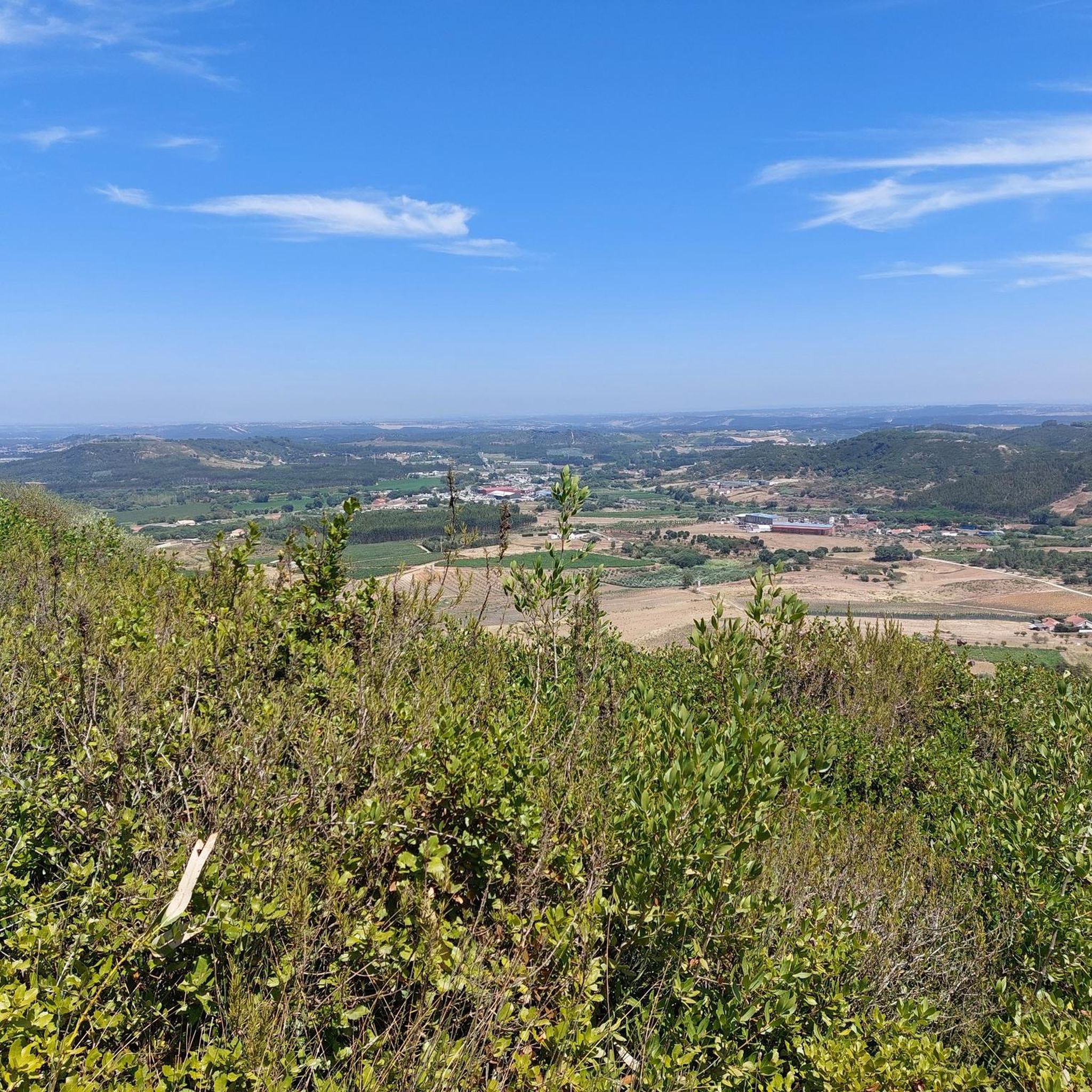
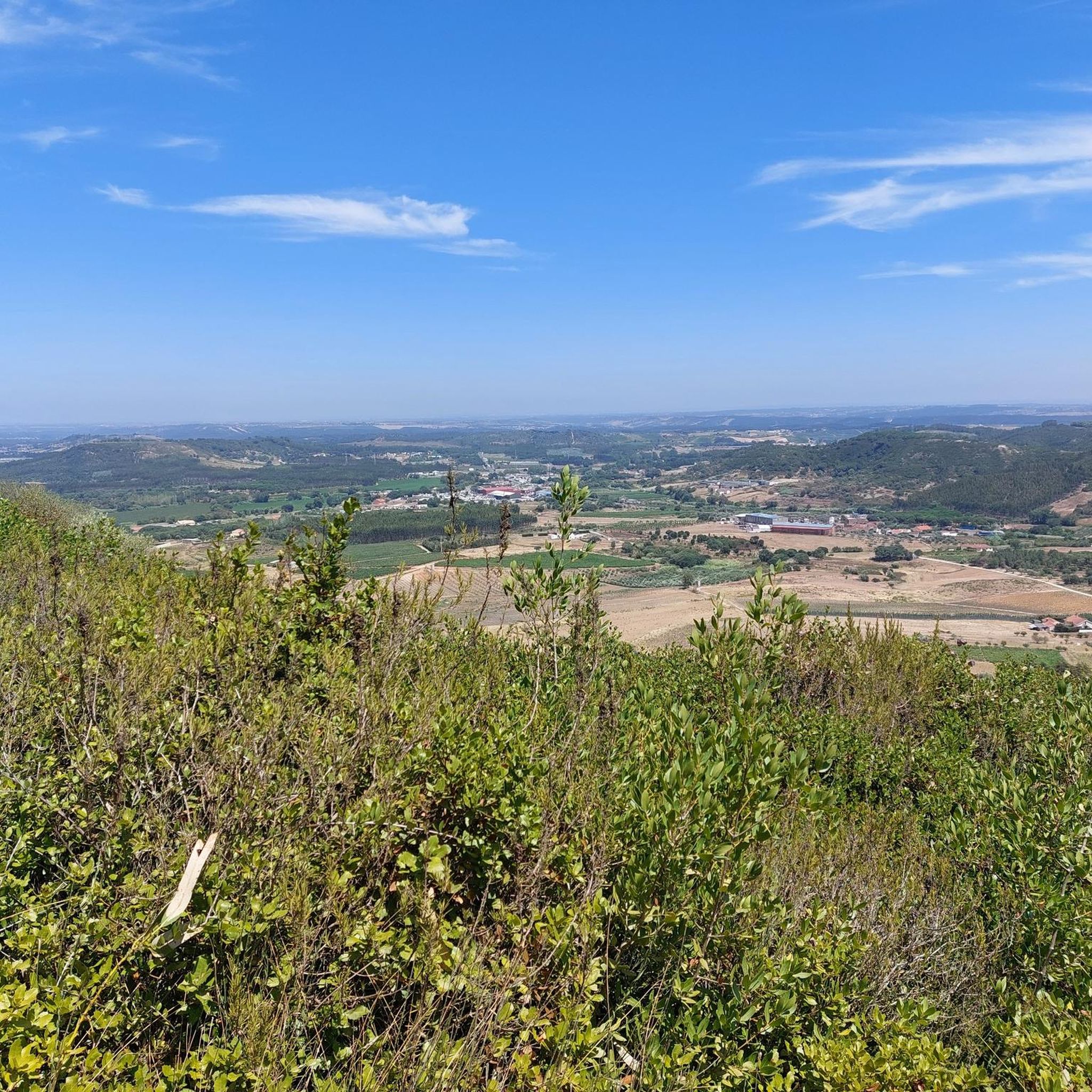
The name of this swing comes from the fact that it is located next to a path frequently used by pilgrims heading to the Sanctuary of Fátima, or who are walking the paths to Santiago.
3
0

“Paul Natura”, Manique do Intendente https://www.youtube.com/watch?v=9nKhlLvOrJw
4
0
Paúl de Manique do Intendente is an area of around 97,000 square meters that constitutes a very rich natural heritage of great importance in terms of biodiversity, namely in terms of avifauna, already recognized at national level. It is an ecosystem composed of more than 180 species, where you can find 5 "simply unique" species such as the striped tortoise, the common caiman, the otter, the black stork and the reed. The municipality has been focusing on promoting this space, having recently advanced with the installation of an infrastructure for the observation of the fauna and flora of Pául, which aims to promote knowledge, protection and preservation of this unique and so rich ecosystem for the Municipality of Azambuja and for the entire region.
7
0

very pleasant landscape, it is recommended
2
0
Frequently Asked Questions
What historical sites can I explore in Vila Nova de São Pedro?
Vila Nova de São Pedro offers several significant historical sites. You can visit the Pina Manique Palace, an ambitious, though unfinished, architectural project from the 18th century. Another notable site is the Royal Monastery of St. Mary of Almoster, founded in 1289, which holds rich cultural and religious history. Additionally, the Assentiz Roman Bridge, an 18th-century construction, was part of a royal road ordered by Queen Maria I.
Are there any significant archaeological sites in the area?
Yes, the most important archaeological site is the Castro of Vila Nova de São Pedro. This Chalcolithic fortified settlement, dating back to between 2600 and 1300 BCE, is classified as a National Monument and is renowned for the discovery of thousands of arrowheads. It provides significant insight into Copper Age communities.
Where can I experience nature and wildlife in Vila Nova de São Pedro?
For nature and wildlife, visit Paúl de Manique do Intendente. This natural area spans approximately 97,000 square meters and is nationally recognized for its rich biodiversity, especially its avifauna. It's an ecosystem supporting over 180 species, including unique ones like the striped tortoise, common caiman, otter, black stork, and reed.
Are there family-friendly attractions available?
Yes, Paúl de Manique do Intendente. is considered family-friendly, offering an opportunity to observe diverse flora and fauna. The Pilgrims' Swing also offers a fun stop with panoramic views that families can enjoy.
What kind of outdoor activities or trails are available near these attractions?
The region around Vila Nova de São Pedro offers various outdoor activities. You can find numerous routes for cycling, running, and mountain biking. For detailed information and routes, explore the Cycling around Vila Nova De São Pedro, Running Trails around Vila Nova De São Pedro, and MTB Trails around Vila Nova De São Pedro guides.
Can I find cycling routes around Vila Nova de São Pedro?
Yes, there are several cycling routes available, ranging from easy to difficult. For example, you can find routes like the 'Ponte Rainha D. Amélia – Ponte Rainha D. Amélia loop from Cartaxo' or the 'Paúl de Manique do Intendente. – Pina Manique Palace loop from Cartaxo'. More options are detailed in the Cycling around Vila Nova De São Pedro guide.
Are there running trails suitable for different fitness levels?
Yes, the area provides running trails for various fitness levels. You can find moderate loops like 'Lago dos Patos loop from Cartaxo' or more challenging options such as 'Ferreiros loop from Cartaxo'. Check the Running Trails around Vila Nova De São Pedro guide for more routes.
What is the Royal Monastery of St. Mary of Almoster known for?
The Royal Monastery of St. Mary of Almoster, founded in 1289, is known for its historical significance and its connection to Queen Santa Isabel, who contributed to its construction. After a period of abandonment, it has undergone extensive restoration work to preserve its original characteristics.
Is the Assentiz Roman Bridge truly Roman?
Despite its name, the Assentiz Roman Bridge is now understood to be an 18th-century construction. It was part of a royal road ordered by Queen Maria I, which followed the route of an older Roman road in some sections, but the bridge itself is not Roman.
What is the Pilgrims' Swing and why is it named that?
The Pilgrims' Swing is a viewpoint and a man-made structure. Its name comes from its location next to a path frequently used by pilgrims heading to the Sanctuary of Fátima or Santiago, offering them a scenic resting spot.
What is the significance of the Castro of Vila Nova de São Pedro?
The Castro of Vila Nova de São Pedro is one of Portugal's most important prehistoric locations. This Chalcolithic archaeological site, dating from 2600 to 1300 BCE, is a fortified settlement known for its defensive architecture and the discovery of thousands of arrowheads, offering crucial insights into Copper Age communities.
Are there any viewpoints offering panoramic scenery?
Yes, the Pilgrims' Swing offers panoramic views. Additionally, the Casa João Moreira features an admirable garden and an adjacent lookout with panoramic views of the monumental Pina Manique Church-Palace.
What do visitors particularly enjoy about the attractions here?
Visitors appreciate the blend of historical, archaeological, and natural sites. The Pina Manique Palace is noted for its ambitious architectural history, while Paúl de Manique do Intendente. is highly valued for its rich biodiversity and opportunities for nature observation. The Pilgrims' Swing is also a popular spot for its unique name and scenic views.
Most popular routes around Vila Nova De São Pedro

Get inspired with the komoot mobile app


Explore more
Still not found the Highlight you’re looking for? See guides of the top attractions in other regions:
