The best road cycling routes around Alcântara
4.4
(165)
5,614
riders
152
rides
Road cycling routes around Alcântara offer a diverse urban and riverside experience. The area, part of Lisbon, features routes that navigate along the Tagus River, through historic districts, and into nearby green spaces like Monsanto Forest Park. Terrain varies from flat, scenic paths ideal for leisurely rides to more challenging ascents within the city's hilly surroundings. Road cyclists can expect a mix of urban infrastructure and natural landscapes.
Best road cycling routes around Alcântara
- The most popular road cycling route…
Last updated: October 20, 2026
4.0
(2)
58
riders
12.8km
00:35
30m
30m
Easy road ride. Great for any fitness level. Mostly well-paved surfaces and easy to ride.
43
riders
22.0km
01:25
400m
400m
Moderate road ride. Good fitness required. Mostly well-paved surfaces and easy to ride.

3.0
(2)
39
riders
39.9km
01:59
490m
490m
Moderate road ride. Good fitness required. Mostly well-paved surfaces and easy to ride.
25
riders
60.3km
02:39
510m
510m
Moderate road ride. Good fitness required. Mostly well-paved surfaces and easy to ride.
23
riders
97.3km
04:57
1,440m
1,440m
Hard road ride. Very good fitness required. Some segments of this route may be unpaved and difficult to ride.
Get access to more routes and recommendations from other explorers.
Already have an account?
Our route recommendations are based on thousands of hikes, rides, and runs completed by other people on komoot.
Start today with a free account
Your next adventure awaits.
Tips from the Community

The Museum of Art, Architecture and Technology (MAAT) is a museum in Lisbon and was opened in November 2016. The building by British architect Amanda Levete was completed on March 9, 2017, and is located directly on the banks of the Tagus River, immediately next to the industrial monument and electricity museum Central Tejo in the Belém district.
1
0

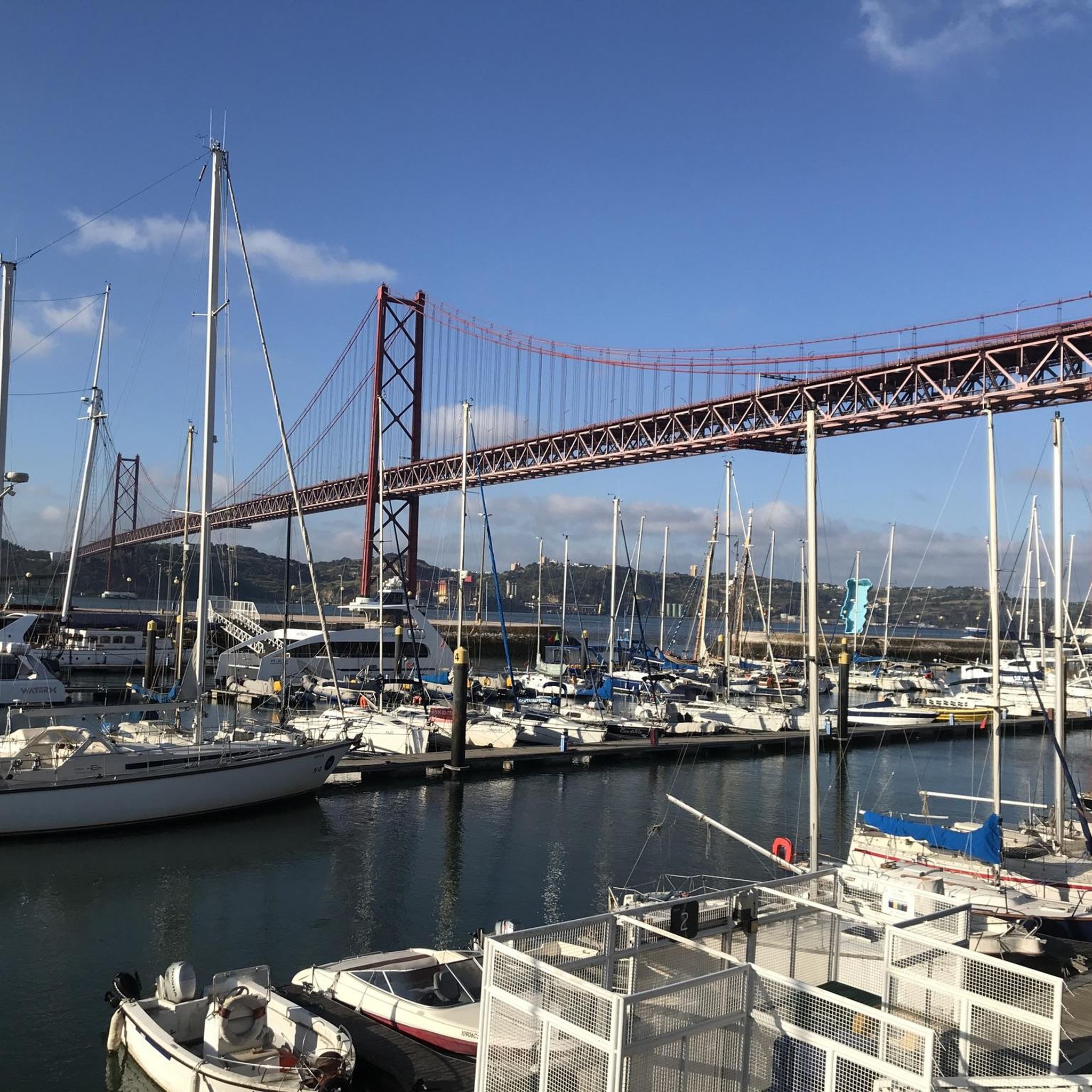
The roof is the perfect place to enjoy the sunset and a view of the famous bridge.
2
1
There's a fantastic viewing platform on the roof. The view over the Tagus riverbank and the bridge can be photographed from here in the evening light.
2
1

Once a land of muleteers, Cova da Piedade spurred the growth of the urban area with the reconstruction of its church, in honor of Our Lady of Piety. The industrialization of the riverside area later led to the establishment of several cork processing factories, shipbuilding yards, and cooperages, which benefited from river and rail connections. Also around that time, in the Romeira area, there was a veritable "industry" of laundry. By the mid-20th century, the installation of the Lisnave shipyards exponentially increased job opportunities and the local population. It's not difficult to find authentic works of art scattered across walls and buildings in the urban and industrial areas of Cova da Piedade – some have even become landmarks in the city's landscape! Currently, urban art has been revitalizing this and several other areas of the municipality with high potential, such as the Lisnave Shipyards, the Mutela area, or the Caramujo and Romeira area, where a dormant industrial area has begun to revive in recent years with the requalification of old silos, warehouses, and factories, now converted into innovative public spaces. The Romeira Market is an excellent example of this. The locals usually gather in the Cova da Piedade Public Garden, a central point famous for its bandstand, right next to a late 19th-century palace and the romantic Chalet Ribeiro Telles, where the Town Hall is currently located.
3
0

In my opinion not just the best museum of Lisbon, but one of the best in Europe.
3
1

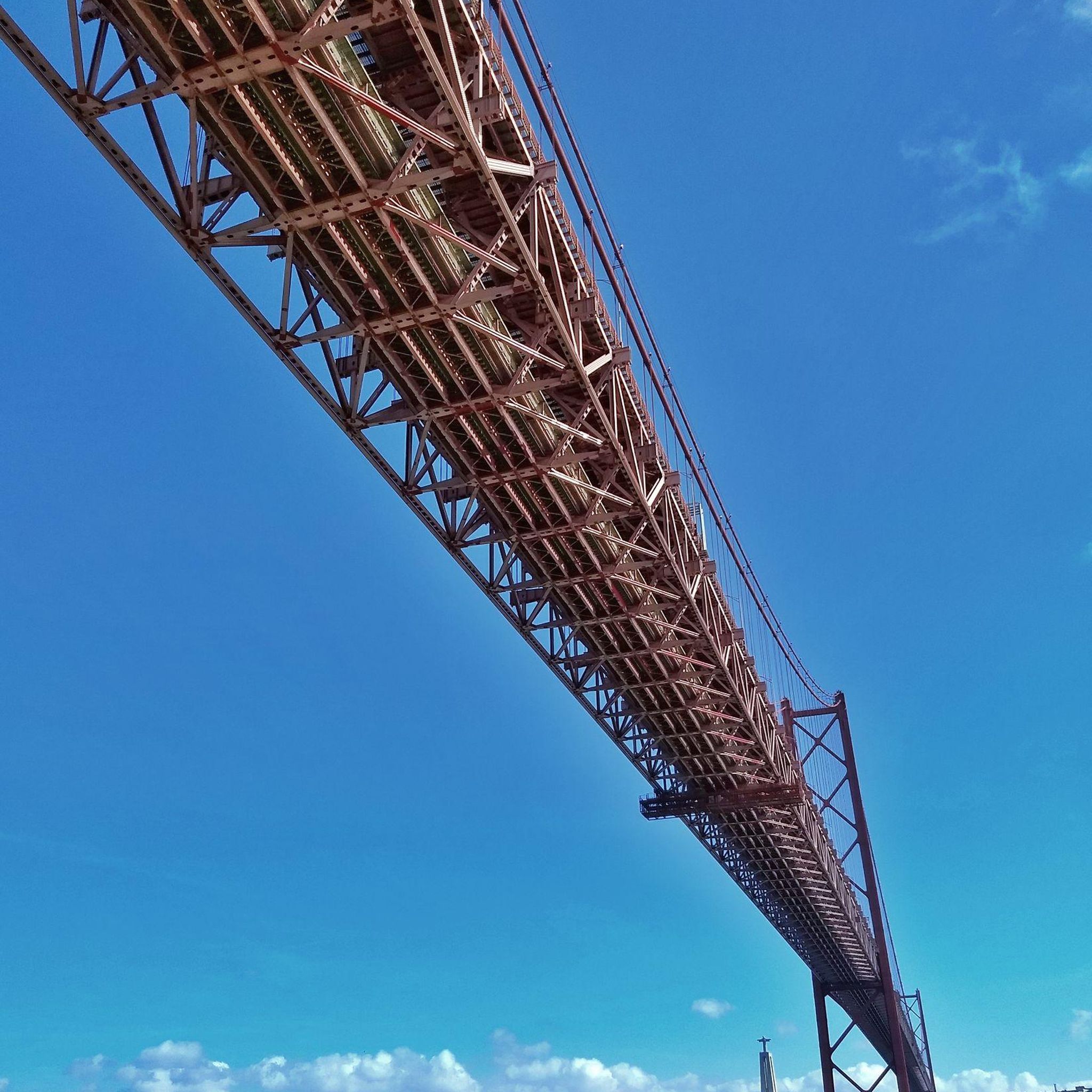
It's flat! But if you don't like running on sidewalks, you might not like it. Great view of the 25th of April Bridge and Christ the King :)
2
1

The Monument to the Discoveries in Lisbon pays homage to Portuguese navigators. It represents the Age of Discovery, with statues of historical figures such as Henry the Navigator and Vasco da Gama. It is shaped like a caravel, symbolizing sea voyages.
5
0

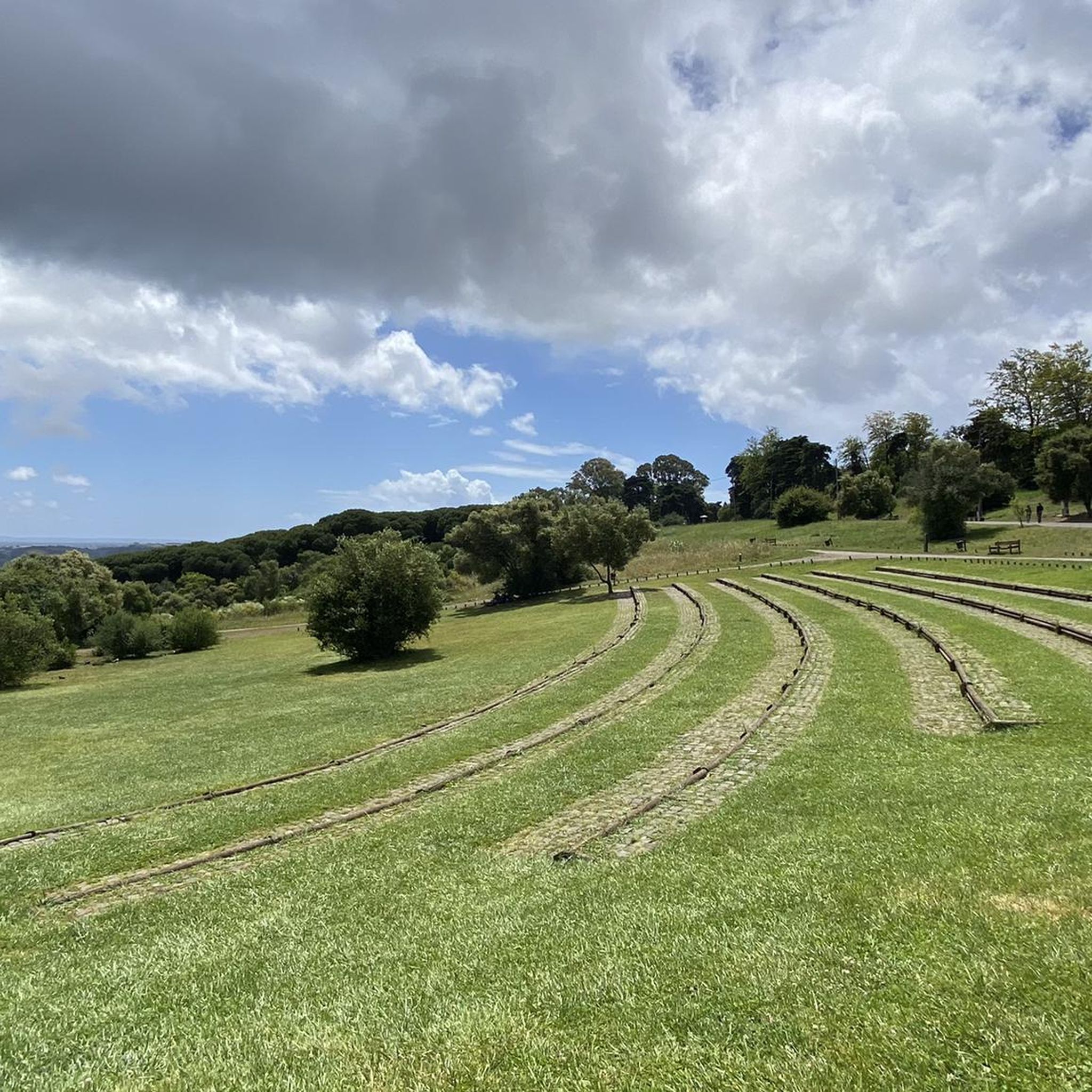
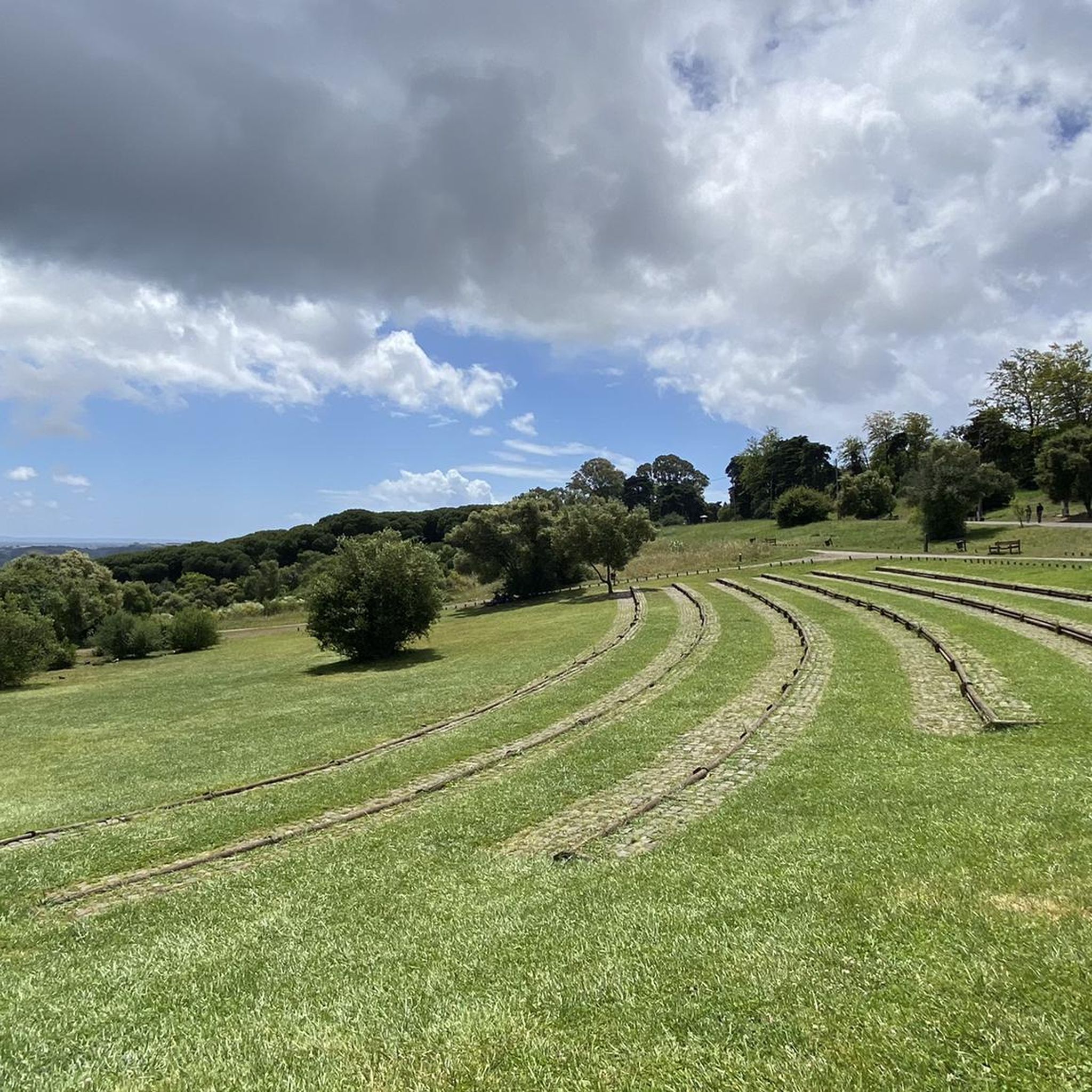
The Monsanto Interpretation Center (CIM) is the ideal gateway to an in-depth exploration of the Monsanto Forest Park, Lisbon's largest green space. This center offers a unique educational and environmental experience, combining nature, culture, and sustainability.
3
0
Frequently Asked Questions
How many road cycling routes are available around Alcântara?
There are over 160 road cycling routes in and around Alcântara, offering a wide variety of options for different skill levels and preferences.
What are the general difficulty levels of road cycling routes in Alcântara?
The routes around Alcântara cater to all levels. You'll find approximately 25 easy routes, 79 moderate routes, and 58 more difficult routes, ensuring there's a challenge for every road cyclist.
Are there any easy road cycling routes suitable for beginners in Alcântara?
Yes, beginners can enjoy several easy routes. A great option is the Belém Tower 🏰 – Champalimaud Foundation loop from Alcântara-Terra, an 8.3-mile (13.3 km) path that follows the Tagus River, offering scenic views of iconic landmarks with minimal elevation.
Can I find challenging road cycling routes with significant elevation gain near Alcântara?
For experienced road cyclists seeking a challenge, routes like the Waterfall Mural – Senhora do Socorro Ascent loop from Alto dos Moinhos offer substantial elevation gain. This route covers nearly 60 miles (96 km) with over 1500 meters of ascent, providing a demanding ride.
Are there circular road cycling routes around Alcântara?
Many of the road cycling routes in Alcântara are designed as loops, allowing you to start and finish at the same point. For example, the popular Magic Path – Panorâmico de Monsanto loop from Praça de Espanha is a 20.9-mile (33.6 km) circular trail through urban and park areas.
What kind of scenery can I expect on road cycling routes in Alcântara?
Alcântara's routes offer a diverse mix of urban landscapes, riverside paths along the Tagus River, and green corridors leading into nearby parks like Monsanto Forest Park. You'll encounter historic districts, modern infrastructure, and natural settings.
What do other road cyclists say about the routes in Alcântara?
The road cycling routes in Alcântara are highly rated by the komoot community, with an average score of 4.3 stars from over 180 reviews. Cyclists often praise the varied terrain, from flat riverside rides to challenging climbs, and the blend of urban and natural scenery.
Are there any notable landmarks or attractions along the road cycling routes?
Yes, several routes pass by significant landmarks. You can cycle past the historic Belém Tower, or explore areas near St. George's Castle. Routes also lead through green spaces like Montes Claros Garden.
Are there family-friendly road cycling options in Alcântara?
While many routes are geared towards experienced road cyclists, the flatter sections along the Tagus River, such as parts of the Belém Tower 🏰 – Champalimaud Foundation loop, can be suitable for families looking for a more relaxed ride. Always check the route details for specific difficulty and terrain.
What is the best time of year to go road cycling in Alcântara?
Alcântara, being part of Lisbon, generally offers pleasant road cycling conditions for much of the year. Spring (March-May) and Autumn (September-November) are particularly ideal, with mild temperatures and less rainfall. Summers can be hot, so early morning or late afternoon rides are recommended.
Are there routes that offer good viewpoints or scenic stops?
Absolutely. Many routes along the Tagus River provide stunning views, especially around sunset. The Salvabiclas loop from Jardim Zoológico, for instance, offers diverse urban and park views, and routes venturing into Monsanto Forest Park often feature elevated sections with panoramic cityscapes.
How accessible are the road cycling routes by public transport in Alcântara?
Alcântara is well-integrated into Lisbon's public transport network. Many routes start near train stations (like Alcântara-Terra or Santos) or bus stops, making it convenient to access the starting points without a car. Lisbon's metro system also provides good connectivity to various parts of the city.
Are there opportunities for cafe stops or amenities along the routes?
Given Alcântara's urban setting and proximity to Lisbon, many routes pass through areas with numerous cafes, restaurants, and shops where you can refuel and take a break. Riverside paths often have kiosks and esplanades, perfect for a coffee or snack.
Most popular routes around Alcântara
Most popular attractions around Alcântara

Get inspired with the komoot mobile app


Explore more
Browse the best Road cycling routes in other regions.
