The best cycling routes around Santo Estêvão
4.4
(392)
3,824
riders
115
rides
Touring cycling around Santo Estêvão offers a diverse landscape characterized by its proximity to the Tagus River and coastal areas. The region features mostly gentle gradients, with routes often traversing urban riverfronts, historic districts, and connecting to nearby beaches. Elevation gains are generally low, making it suitable for various touring cycling abilities. The terrain primarily consists of paved paths and urban roads, providing accessible routes for exploring the area.
Best touring cycling routes around Santo Estêvão
- The most popular touring…
Last updated: October 11, 2026
4.6
(27)
325
riders
Easy bike ride. Great for any fitness level. Mostly paved surfaces. Suitable for all skill levels.
5.0
(7)
60
riders
Easy bike ride. Great for any fitness level. Mostly paved surfaces. Suitable for all skill levels.

4.2
(5)
59
riders
9.34km
00:33
40m
40m
Easy bike ride. Great for any fitness level. Mostly paved surfaces. Suitable for all skill levels.
5.0
(2)
25
riders
60.9km
03:46
540m
540m
Hard bike ride. Very good fitness required. Mostly paved surfaces. Suitable for all skill levels.
3.6
(29)
21
riders
Easy bike ride. Great for any fitness level. Mostly paved surfaces. Suitable for all skill levels.
Get access to more routes and recommendations from other explorers.
Already have an account?
Our route recommendations are based on thousands of hikes, rides, and runs completed by other people on komoot.
Start today with a free account
Your next adventure awaits.
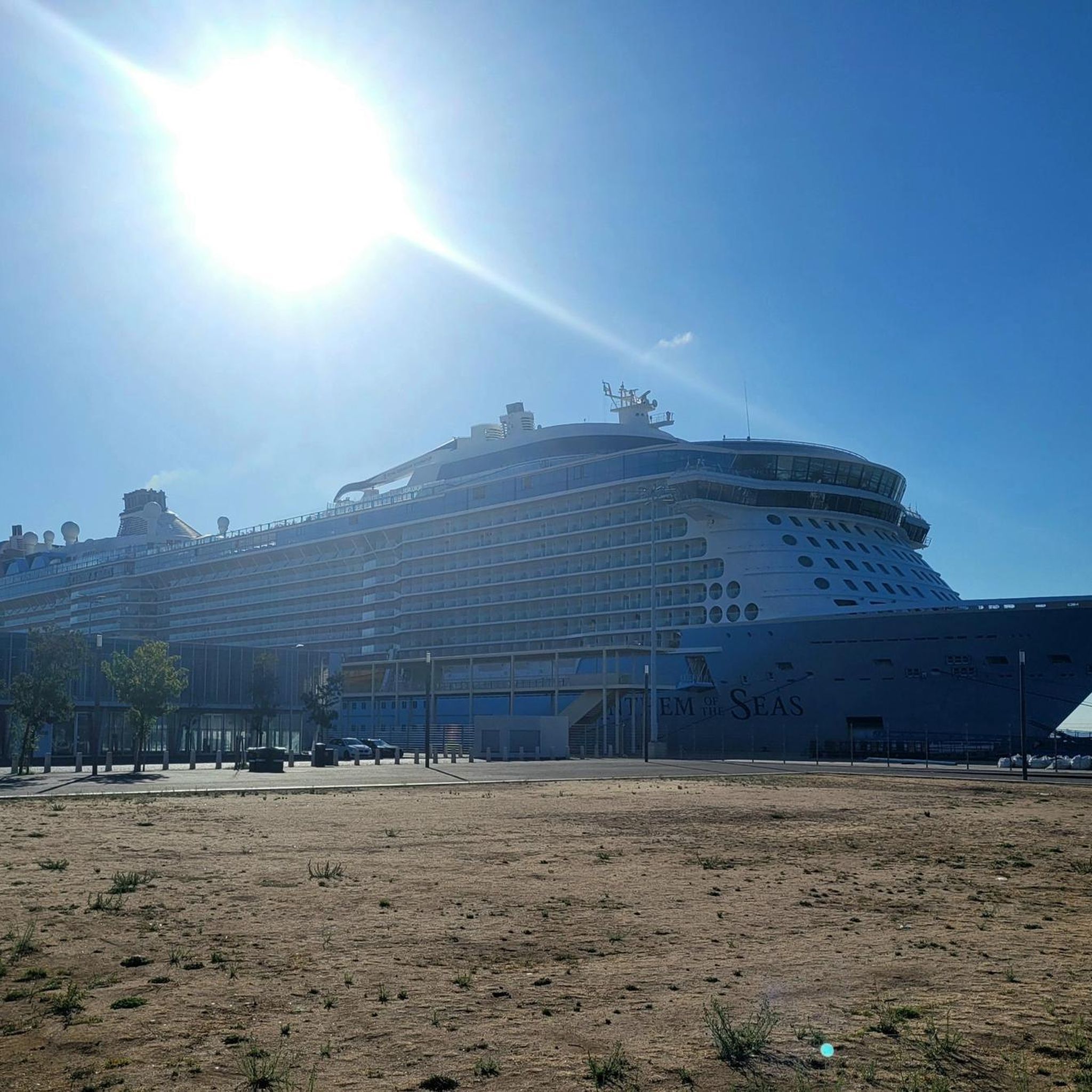
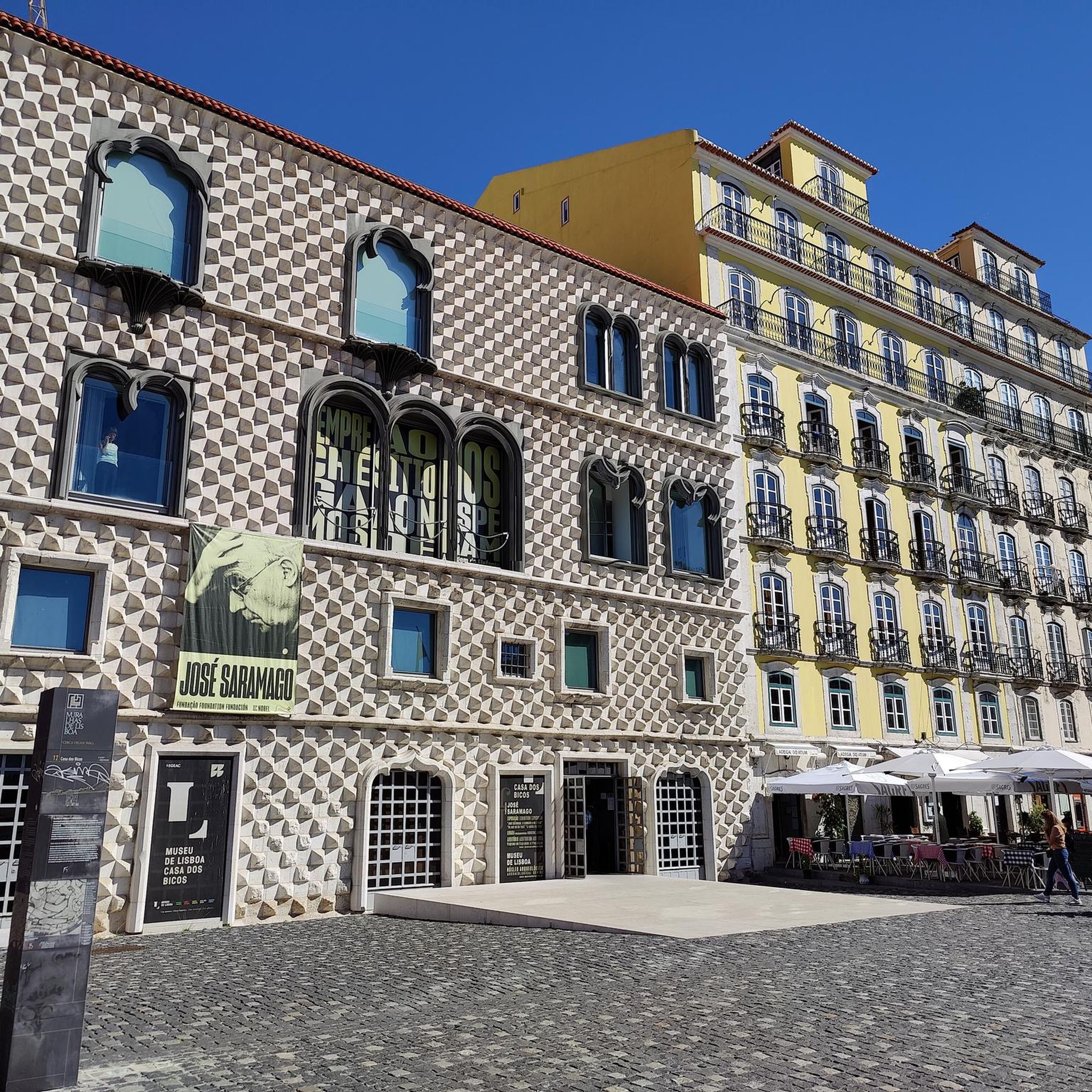
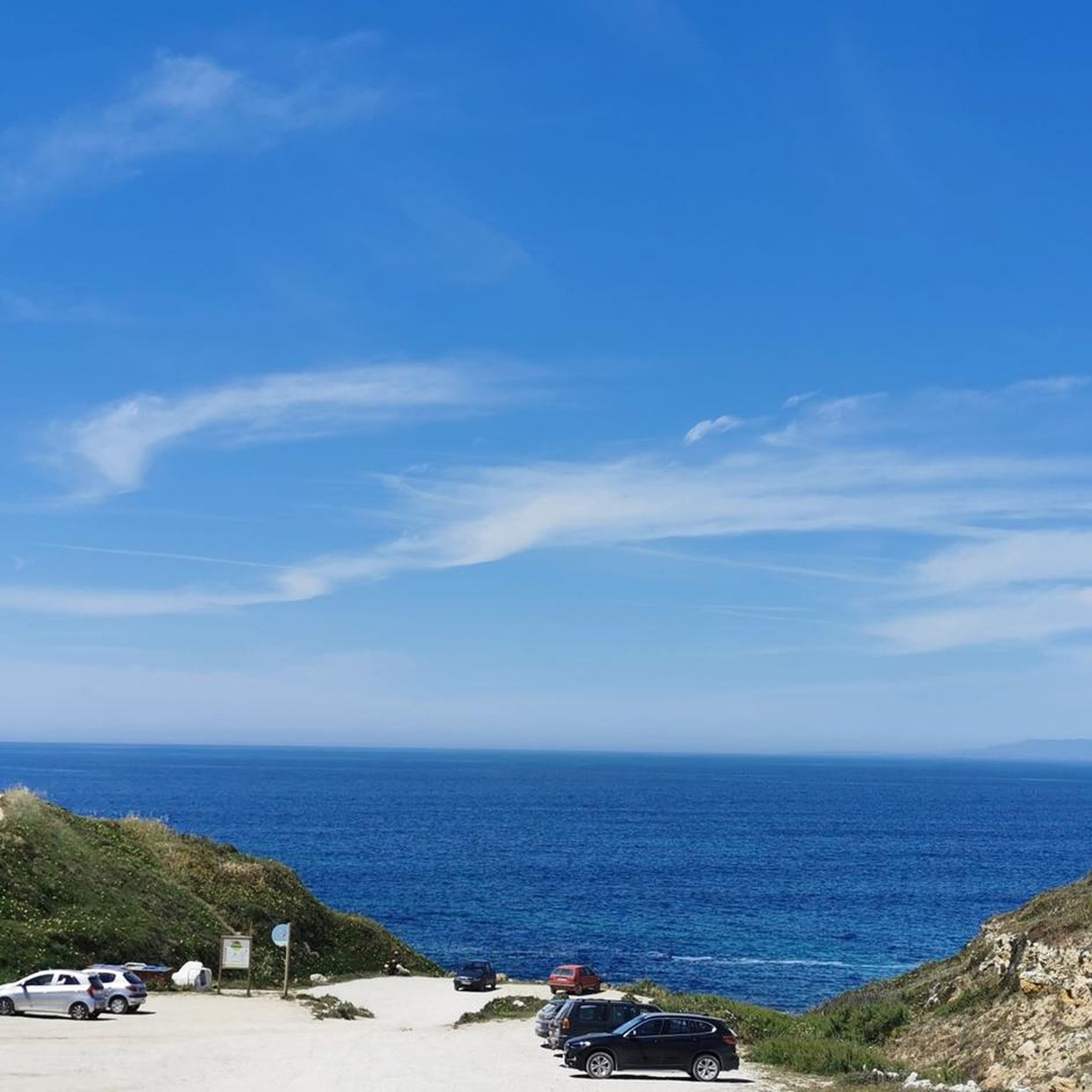
Tips from the Community

It is very photogenic from the most diverse perspectives. The history of this extraordinary bridge already begins in the late 19th century, when the first considerations for a crossing of the Tagus arose. However, it only became more concrete in the 1950s: in 1953, the government commissioned a committee with the planning, which finally recommended the construction of a bridge from the south bank of Lisbon to Cristo Rei in 1958. Construction work began on November 5, 1962, under the leadership of a consortium of the American US Steel Company. After almost four years of intensive work – up to 3,000 workers were employed at times – the bridge was inaugurated on August 6, 1966, in a solemn state ceremony.
1
0

Author: Nuno Saraiva Year of execution: 2018 Description: On Nelson Mandela International Day, July 18, the Alvalade Parish Council inaugurated the mural honoring the South African statesman, internationally recognized for his fight for freedom and peace. The painting is by Nuno Saraiva, in collaboration with João Carola, Marcelo Duchamp and Carine Demoustier. Nelson Mandela (1918-2013) was president of South Africa and leader of the anti-Apartheid movement, sentenced to life imprisonment in 1964, and released in 1990, after great international pressure. In 1994, after achieving multiracial elections, he was elected the first democratic president of South Africa. He passed away in Johannesburg, the city of his childhood, on December 5, 2013. Location: Rua Dr. João Soares
4
0

Design and Name: The mascot was created by the painter António Modesto and the sculptor Artur Moreira. Its name was chosen in a school competition and is a tribute to the 15th-century Portuguese navigator, Gil Eanes.
1
0
The statue of the mascot Gil is located in Parque das Nações, in Lisbon, Portugal. There are actually three five-meter-tall statues of Gil scattered throughout the area, which were restored in 2024 to shine again.
1
0
The Parque das Nações Cable Car (or Telecabine Lisboa) is a popular tourist attraction in Lisbon that offers panoramic views over the Tagus River and the modern Parque das Nações area.
1
0
Groups often perform small concerts or dance events under the wonderful prestressed concrete ceiling.
5
1
Ingenious: you have to look closely to see what kind of junk the Lynx is made of.
5
1

The 25th of April Bridge is a suspension bridge in Lisbon, Portugal, very similar to San Francisco's Golden Gate Bridge. It crosses the Tagus River, connecting the capital to the city of Almada. Inaugurated in 1966 as the Salazar Bridge, it was renamed after the Carnation Revolution on April 25, 1974, in commemoration of the end of the dictatorship. It is a vital structure that carries both vehicles and trains.
3
0
Frequently Asked Questions
How many touring cycling routes are available in Santo Estêvão?
There are over 130 touring cycling routes around Santo Estêvão, offering a wide range of options for different skill levels and interests. More than 5,600 touring cyclists have used komoot to explore the area.
What kind of terrain can I expect on touring bike trails in Santo Estêvão?
The terrain in Santo Estêvão is generally characterized by gentle gradients, with routes often traversing urban riverfronts, historic districts, and connecting to nearby beaches. You'll primarily find paved paths and urban roads, making it accessible for various touring cycling abilities.
Are there easy touring cycling routes suitable for beginners or families in Santo Estêvão?
Yes, Santo Estêvão offers a good selection of easy routes. Over 55 routes are rated as easy, featuring low elevation gains and mostly flat terrain. A great option for a relaxed ride is the Bike loop from Lisboa - Santa Apolónia, which is 12.4 km long with minimal elevation.
Are there any challenging touring cycling routes for experienced riders?
For more experienced touring cyclists seeking a challenge, Santo Estêvão has 24 routes rated as difficult. One such route is the Santa Luzia Viewpoint – Portas do Sol viewpoint loop from Lisbon, which covers 4.9 km with a more significant elevation gain of 93 meters.
What are some scenic viewpoints or landmarks I can see along the touring cycling routes?
Many routes offer views of iconic landmarks and natural beauty. You can cycle past the Monument to the Overseas Combatants, enjoy the panoramic Eduardo VII Park Viewpoint, or see the impressive Sanctuary of Christ the King. The region also features beautiful green spaces like Gulbenkian Garden and Quinta das Conchas and Lilases Park.
Are there any circular touring bike routes in Santo Estêvão?
Yes, many touring cycling routes in Santo Estêvão are designed as loops, allowing you to start and end at the same point. Examples include the Portugal Pavilion – Gil Mascot Statue, Lisbon loop from Santa Apolónia and the 25th of April Bridge – Costa da Caparica Beach loop from Cais do Sodré.
What is the best time of year for touring cycling in Santo Estêvão?
Santo Estêvão generally enjoys a mild climate, making touring cycling pleasant for much of the year. Spring and autumn offer comfortable temperatures and less crowded paths. Summer can be warm, especially in direct sunlight, while winter is typically mild but may bring more rain.
What do other touring cyclists enjoy most about touring cycling in Santo Estêvão?
The area is highly rated by the komoot community, with an average score of 4.4 stars from over 470 reviews. Reviewers often praise the diverse landscape, the accessibility of riverfront paths, and the opportunity to combine urban exploration with coastal connections.
Are there options for longer touring bike rides in Santo Estêvão?
While many routes are shorter, there are options for longer rides. For instance, the 25th of April Bridge – Costa da Caparica Beach loop from Cais do Sodré is an easy 32.3 km route, offering a more extended journey with views of the iconic bridge and coastal stretches.
What kind of clothing should I wear for touring cycling in Santo Estêvão?
Given the mild climate and varied terrain, layered clothing is often recommended. Lightweight, breathable fabrics are ideal for warmer days, while a waterproof and windproof jacket can be useful for cooler or potentially rainy conditions, especially near the coast or during shoulder seasons.
Are there any specific considerations for parking or trailheads when planning a touring bike route?
Many routes in Santo Estêvão start from accessible urban locations like Santa Apolónia or Cais do Sodré, which often have public transport connections. For routes starting further afield, it's advisable to check local parking availability, especially during peak times, as some areas may have limited or paid parking.
Most popular routes around Santo Estêvão
Most popular attractions around Santo Estêvão

Get inspired with the komoot mobile app


Explore more
Browse the best Cycling routes in other regions.
