Attractions and Places To See around Santo Antão Do Tojal - Top 20
Best attractions and places to see around Santo Antão Do Tojal, located in the municipality of Loures, Portugal, include a rich blend of historical architecture and natural beauty. The region is known for its monumental Baroque complex, featuring structures like the Archbishops' Palace and the Town Church. Diverse ecosystems, such as the Caniceiras wetland and the Trancão River, also contribute to the area's appeal. Visitors can explore cultural sites and natural features that highlight the region's heritage and environment.
Best…
Last updated: July 1, 2026
Iberian Lynx Sculpture
Highlight • Monument
Translated by Google •
Tip by

Vasco da Gama Tower
Highlight • Monument
Translated by Google •
Tip by

Sign up now to discover places like this
Get recommendations on the best single tracks, peaks, & plenty of other exciting outdoor places.
Sign up for free
Oceanário de Lisboa
Highlight • Structure
Translated by Google •
Tip by

Oriente Station
Highlight • Monument
Translated by Google •
Tip by
Portugal Pavilion
Highlight • Monument
Translated by Google •
Tip by
Sign up for free to discover even more attractions around Santo Antão Do Tojal.
Sign up for free
Already have an account?
Start today with a free account
Your next adventure awaits.
Login or Signup
Tips from the Community

The Lisbon Oceanarium features several tanks representing different regions of the world, including tropical fish, jellyfish, penguins, sea otters, and pufferfish, as well as a 5,000 m³ main aquarium with sharks, rays, tuna, and a sunfish, which can be viewed from the two floors of the Oceanarium. It is open daily from 10:00 AM to 8:00 PM, with last entry at 7:00 PM (however, you should allow 2-4 hours for your visit). Tickets can be purchased online to avoid queuing.
0
0

Calatrava has created several ingenious buildings like this station. Even better: the Liège train station.
5
0
The elevator to the top of the tower, with its fantastic view, costs 10 euros. There's a bar at the top with exorbitant prices.
6
1
Groups often perform small concerts or dance events under the wonderful prestressed concrete ceiling.
5
1
Ingenious: you have to look closely to see what kind of junk the Lynx is made of.
5
1

The Portuguese Pavilion at the 1998 World's Fair (Expo'98), begun in 1995 and completed in 1998, housed the Portuguese national representation at that event and remains in operation to this day. The project was developed by architect Álvaro Siza Vieira. The building's entrance area is a large plaza covered by an imposing prestressed concrete canopy, based on the concept of a sheet of paper resting on two bricks, opening the space to the city to host the various events that a venue of this scale hosts. https://pt.m.wikipedia.org/wiki/Pavilh%C3%A3o_de_Portugal
1
1

Right next to the giant Iberian Lynx sculpture in Parque das Nações—created by street artist Bordalo II from recycled plastic—there’s a hidden spot most visitors overlook. If you turn your back to the lynx and stroll toward the Vasco da Gama Tower, you’ll find a quiet bench with a sweeping view of the Tagus and the park’s striking modern architecture. It’s a rare place where you can take in both the wild, colorful street art and the calm of the river at the same time. Hardly any tourists stop here, which makes it perfect for catching your breath or snapping a unique photo.
3
0

Can't agree that the Expo 98 area has already fallen into disrepair, quite the contrary, it is one of the most well maintained areas of the Lisbon city. There are places where some maintenance should be done, but it is far from fallen into disrepair. The International Exhibition Expo'98 - Lisbon took place in 1998, with a focus on the oceans and their future importance. Several exceptional structures were built for the event, and one of the most spectacular was the Portuguese National Pavilion, which includes a parabolic arched membrane slab roof cast in Lightweight Concrete (LWAC). The canopy dimensions are 65m x 50m, and the slab thickness is 20 cm. Project authorship: Architect Siza Vieira
3
0
Frequently Asked Questions
What historical and cultural sites can I explore in Santo Antão do Tojal?
Santo Antão do Tojal is rich in history, centered around its Baroque Monumental Square. Here, you'll find the impressive Archbishops' Palace, which served as a summer residence for the Patriarch of Lisbon, and the historic Town Church, rebuilt in the 18th century. Don't miss the Monumental Fountain, a central architectural piece designed by Canevari, and the Aqueduct, which supplied water to the area. Other notable sites include the Chafariz dos Arcos and the ancient Cruzeiro near the Mother Church.
Are there any significant natural attractions or ecosystems to visit?
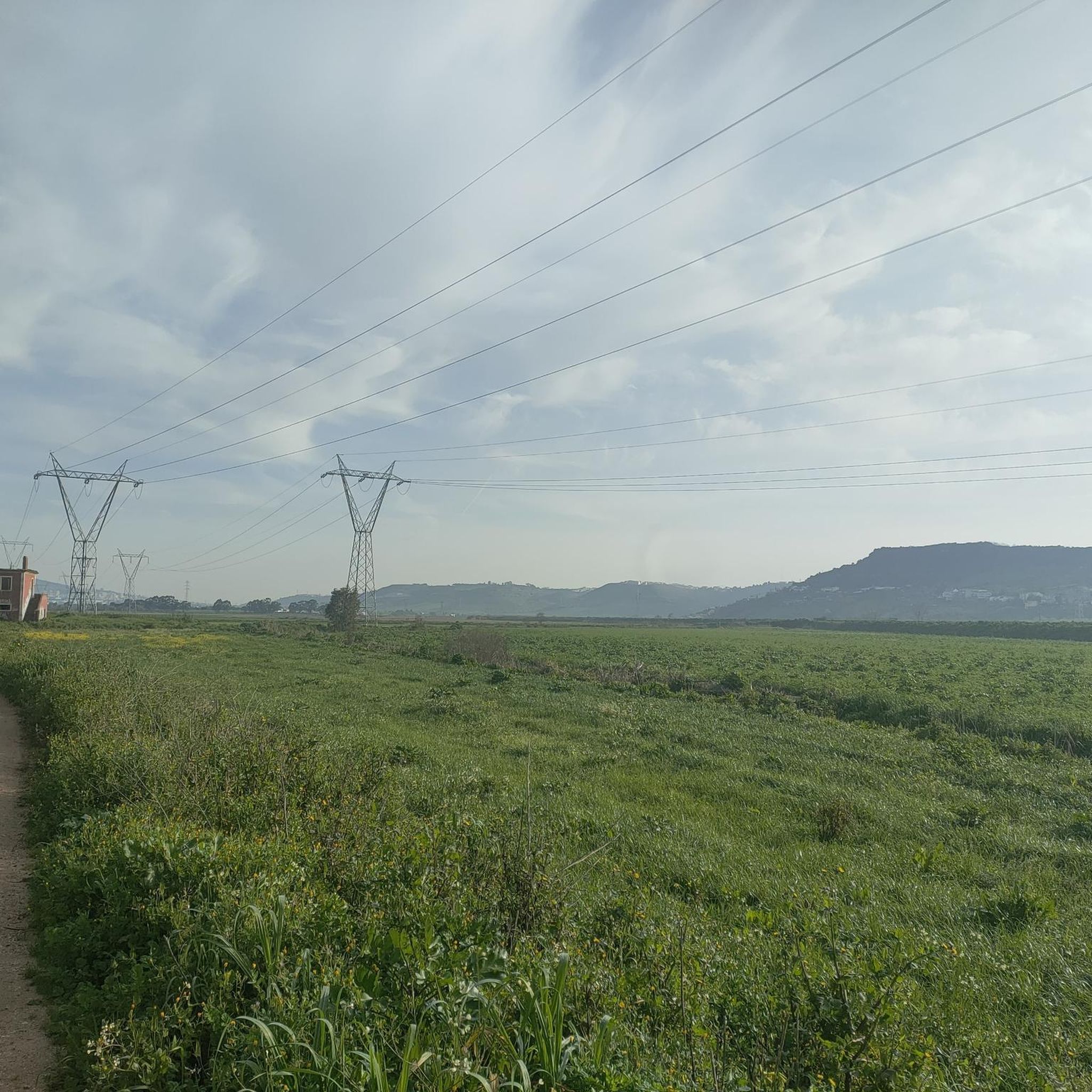
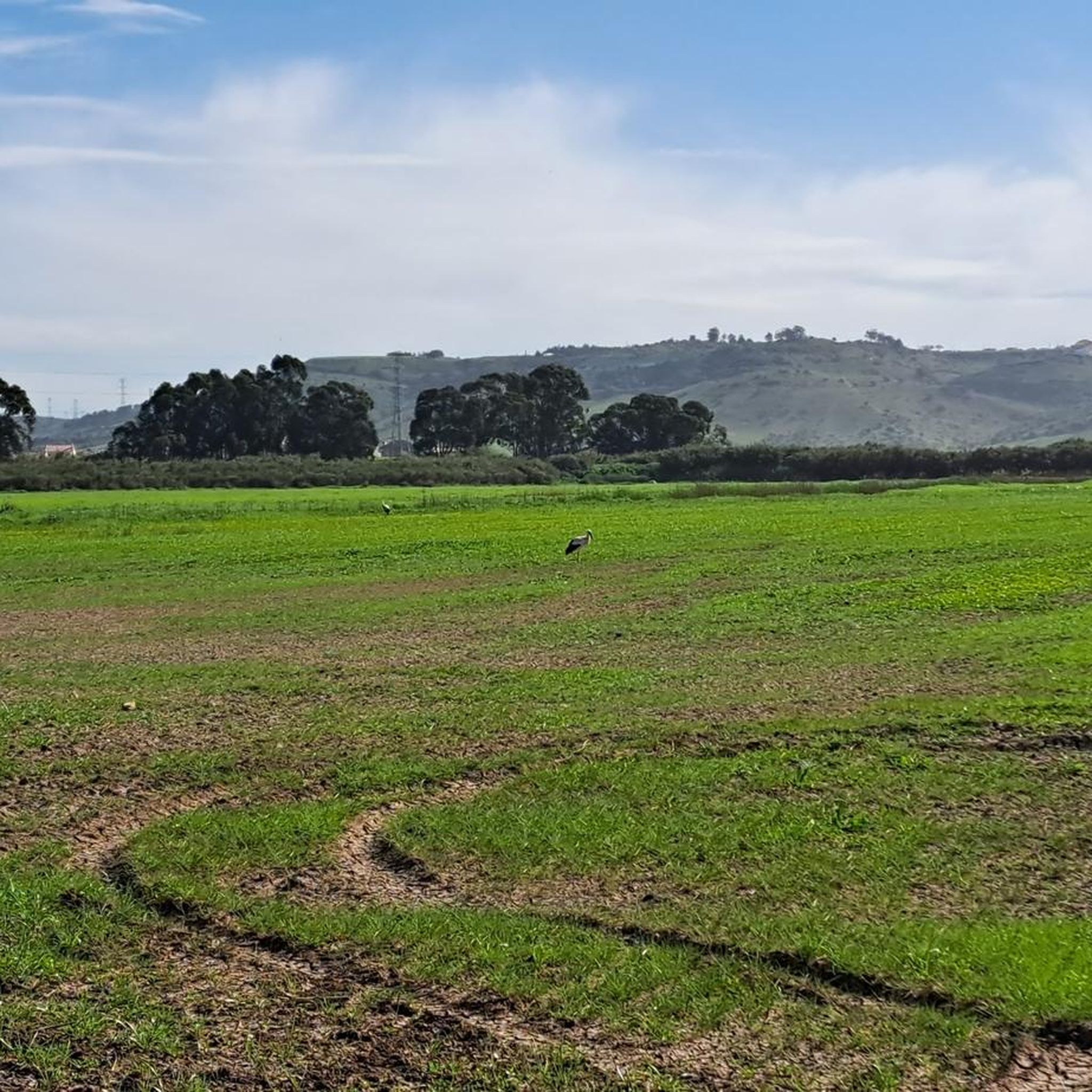
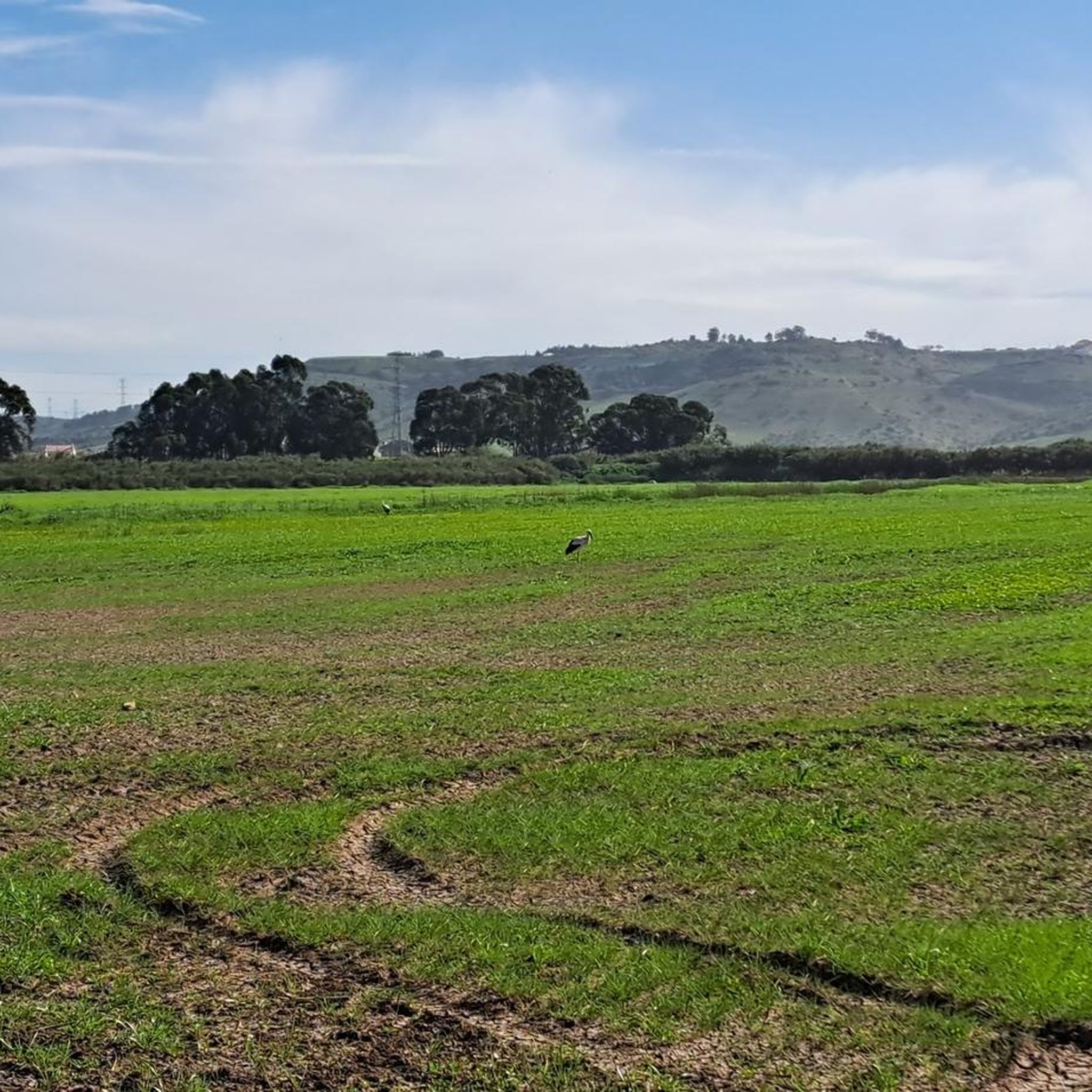
Yes, the region offers notable natural features. The Caniceiras Ecosystem, a wetland area in Várzea de Loures, is an important refuge for various water birds, including endangered species. The Trancão River, historically a crucial waterway, also flows nearby, and its estuary areas are part of the local natural landscape.
What are some family-friendly attractions around Santo Antão do Tojal?
While Santo Antão do Tojal itself is more focused on historical sites, a highly recommended family-friendly attraction nearby is the Oceanário de Lisboa. It's Europe's largest indoor marine aquarium, housing about 12,000 animals, and offers an engaging experience for all ages to discover different oceans.
What kind of outdoor activities can I do near these attractions?
The area around Santo Antão do Tojal offers various outdoor activities. You can explore hiking trails that lead to natural features like the Tagus Estuary or the Barcarena Waterfall. For cycling enthusiasts, there are road cycling routes and mountain biking trails available. You can find more details on routes like the Trancão Pedestrian and Cycle Bridge loop or the Serra Malhadenha Trail.
Are there hiking trails suitable for different skill levels?
Yes, you can find hiking trails ranging from easy to moderate difficulty. For instance, the Nature Trail in Portugal – Barcarena Waterfall loop is a moderate option, while other routes explore the Tagus Estuary. You can find more detailed information on various hiking options in the Hiking around Santo Antão Do Tojal guide.
What is the Iberian Lynx Sculpture and where is it located?
The Iberian Lynx Sculpture is an impressive man-made monument crafted from recycled materials. It serves as an artistic statement against ocean pollution. Located near the Vasco da Gama Tower, it's best appreciated by walking around it to see its full detail.
What is the Vasco da Gama Tower and what does it offer?
The Vasco da Gama Tower is a 145-meter high observation tower in Lisbon, commemorating the seafarer Vasco da Gama. It offers panoramic views of the city and the Tagus River, and its design, resembling a ship's sail, symbolizes Portugal's maritime heritage. It also houses a hotel.
What is the significance of Oriente Station?
The Oriente Station, also known as Gare do Oriente, is a major transport hub in Lisbon, renowned for its striking architecture. Designed by Santiago Calatrava, it features a unique glass roof structure and tree-like supports, making it one of the world's most beautiful stations. It's a key gateway for travelers, connecting various transport lines.
What is the Portugal Pavilion and what is its current use?
The Portugal Pavilion, originally built for Expo '98, is famous for its impressive prestressed concrete ceiling. It now houses the Museum of Egyptian Culture. The area around it, part of the former Expo site, features fountains and green spaces, offering a pleasant spot to relax.
What do visitors enjoy most about the attractions around Santo Antão do Tojal?
Visitors particularly appreciate the blend of historical architecture and modern artistic expressions. The intricate details of the Baroque complex in Santo Antão do Tojal, such as the Archbishops' Palace and Monumental Fountain, are highly regarded. Additionally, the thought-provoking Iberian Lynx Sculpture and the vast marine life at the Oceanário de Lisboa are frequently highlighted for their unique appeal and engaging experiences.
Are there any specific cycling routes in the area?
Yes, the region offers a variety of cycling routes. For road cycling, you can find routes like the Nicola Café loop from Loures or the more challenging Jardim das Delícias Café loop. Mountain biking enthusiasts can explore trails such as the Parque das Nações Pump Track or the View of the Loures Valley trail.
What is the best time to visit Santo Antão do Tojal for sightseeing?
The region's historical sites and natural areas can be enjoyed throughout much of the year. Spring and autumn generally offer pleasant weather for exploring the outdoor attractions and historical complexes without the intense heat of summer. However, indoor attractions like the Oceanário de Lisboa are excellent choices regardless of the weather.
Most popular routes around Santo Antão Do Tojal
Most popular attractions around Santo Antão Do Tojal

Get inspired with the komoot mobile app


Explore more
Still not found the Highlight you’re looking for? See guides of the top attractions in other regions:
