Attractions and Places To See around Malveira - Top 20
Best attractions and places to see around Malveira include a blend of historical sites, traditional villages, and natural parks. This charming village in the municipality of Mafra, Portugal, offers access to a region rich in history, culture, and natural beauty. Visitors can explore monumental complexes, restored rural settlements, and extensive natural habitats. The area provides a tranquil atmosphere and serves as a base for cultural exploration and outdoor activities.
Best attractions and places to see around Malveira
- The most popular attraction is Mafra National Palace, a historical site that is Portugal's largest monastery and a UNESCO World Heritage Site. This 18th-century complex includes a grand palace, a basilica, a convent, and an impressive library.
- Another must-see spot is Mata Pequena Village, a settlement consisting of a dozen whitewashed houses with stone pavements. This small rural settlement has been carefully restored to preserve its original charm, offering a glimpse into a traditional way of life.
- Visitors also love Tapada Nacional de Mafra, an extensive royal park measuring more than 8 km². This natural habitat is home to various animal species and offers activities such as hiking, cycling, and horse riding.
- Malveira is known for its historical sites, natural parks, and traditional architecture. The region offers a variety of attractions to see and explore, from monumental palaces to serene natural landscapes.
- The attractions around Malveira are appreciated by the komoot community, with more than 90 upvotes and over 115 photos shared by visitors.
Last updated: October 18, 2026
Mafra National Palace
Highlight • Historical Site
Translated by Google •
Tip by

Mata Pequena Village
Highlight • Settlement
Aldeia da Mata Pequena is a paradise that invites you to rest and get in touch with nature outside Lisbon. It is a treasure trove of traditional architecture from the Saloia region, in the middle of the Penedo do Lexim Special Protection Zone, which the restoration work was keen to preserve. For those who stroll or stay in Aldeia da Mata Pequena the feeling is that of being in an open air museum, where the old way of life is preserved through smells, colors and traditions. The houses you find here are the best example of this, the result of a lot of research and collection work that conquers each of the visitors
aldeiadamatapequena.com
Translated by Google •
Tip by

Sign up now to discover places like this
Get recommendations on the best single tracks, peaks, & plenty of other exciting outdoor places.
Grandella Sanatorium Ruins
Highlight • Historical Site
This sanatorium was never finished due to the bankruptcy of the Grandella family.
Video - sicnoticias.pt/programas/abandonados/2014-06-22-Sanatorio-Grandella-em-ruinas
Video - (2 min)
Read - ionline.sapo.pt/artigo/620367/estrela-inacabada-ruinas-do-sanatorio-do-grandella-estao-a-venda-?seccao=Portugal
Translated by Google •
Tip by
Old Bridge over the Cheleiros Stream
Highlight • Bridge
The structure is often called Roman, however the current construction dates back to the Medieval Period, and there are even those who claim that it is contemporary with the construction of the Convent of Mafra, having been rebuilt over a previous Roman building. In fact, this is a region rich in archaeological remains dating from the period of Roman occupation of the territory.
Translated by Google •
Tip by

Bridges Trail
Highlight (Segment) • Trail
Translated by Google •
Tip by
Sign up for free to discover even more attractions around Malveira.
Already have an account?
Start today with a free account
Your next adventure awaits.

Tips from the Community

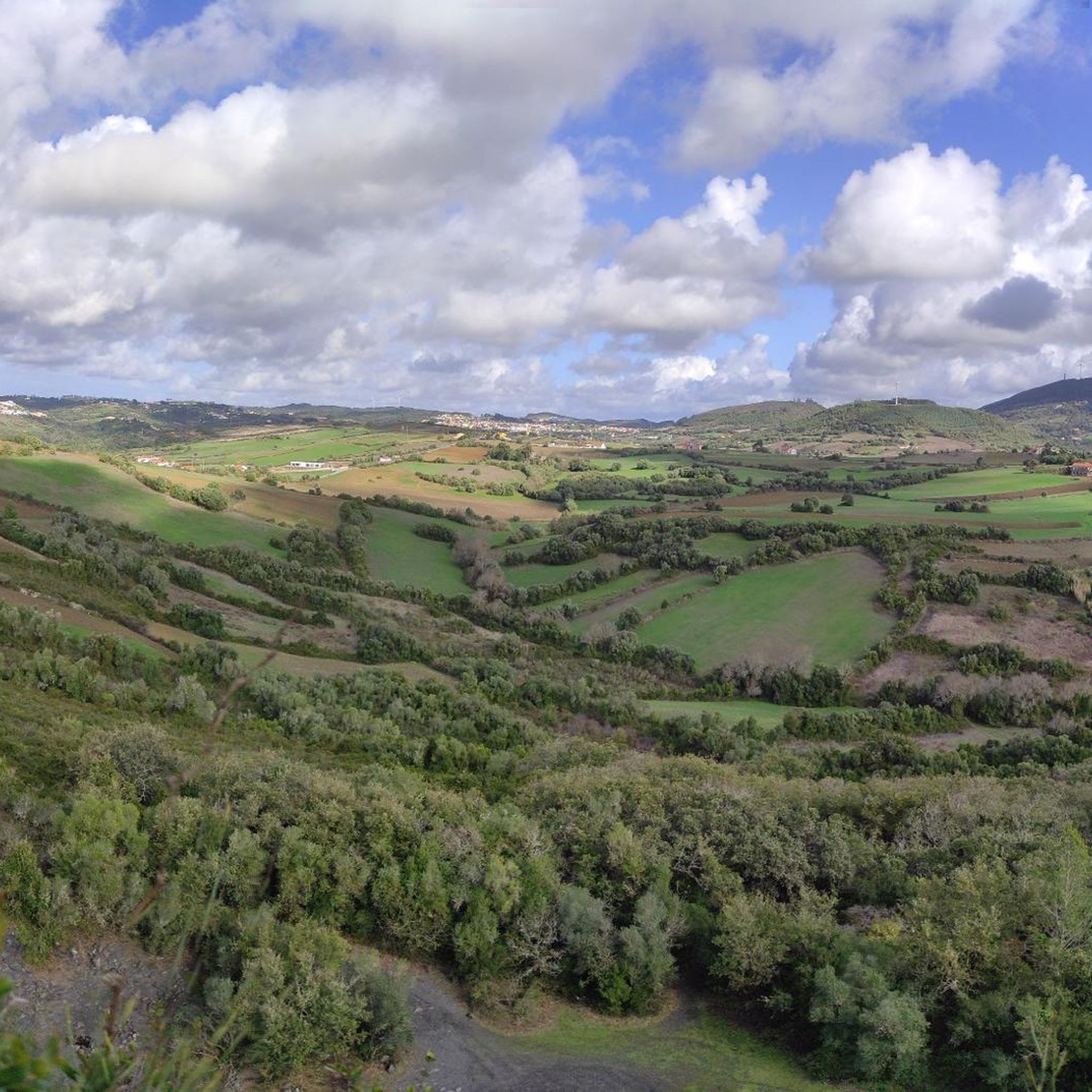
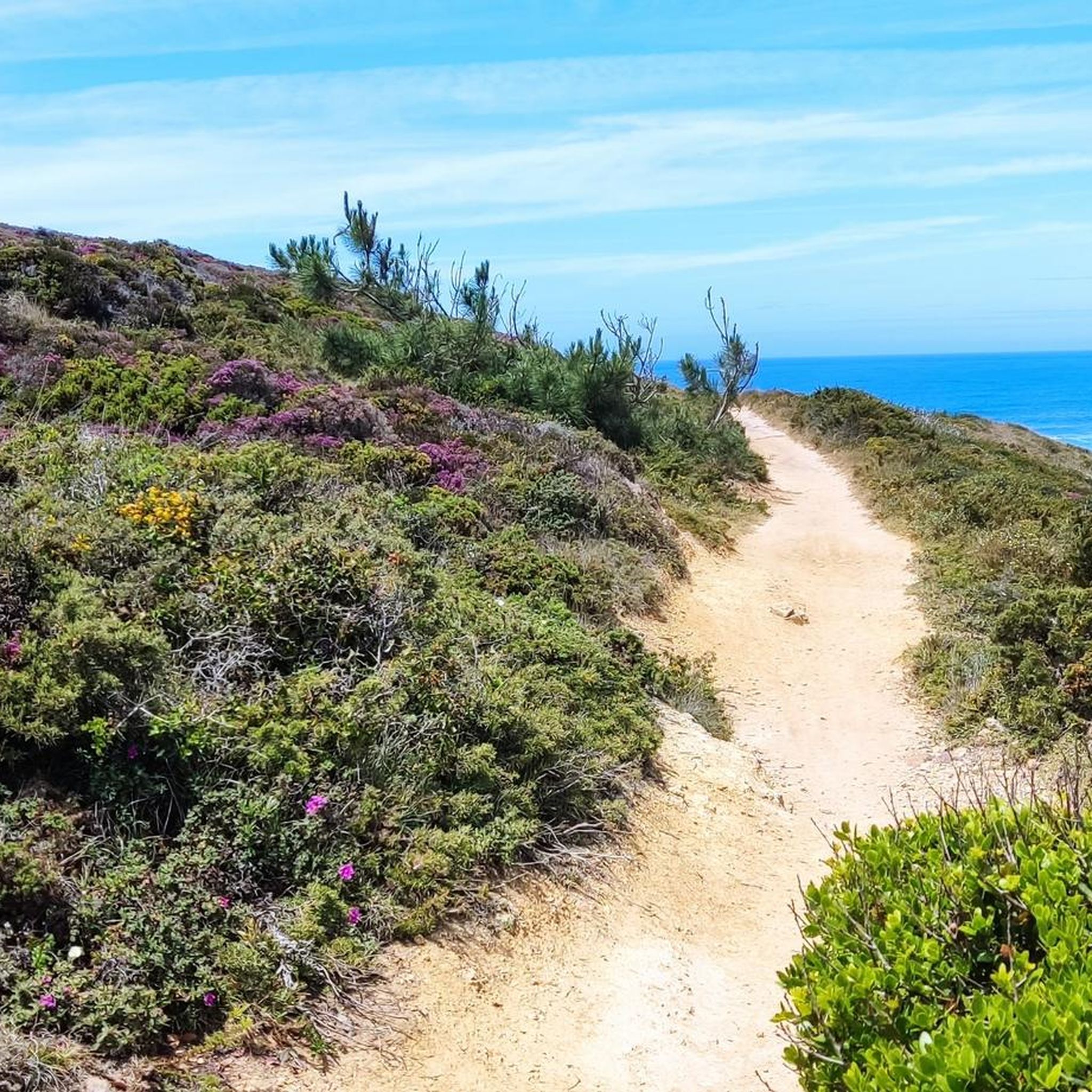
A spectacular trail, especially good in the spring, but always beautiful at other times of the year. 👍🥾🚲
0
0

The National Palace of Mafra, located in the town of Mafra, Portugal, is a monumental complex that includes a palace, a convent, a basilica, and the Tapada de Mafra (hunting grounds). Construction began in 1717, commissioned by King John V of Portugal in fulfillment of a vow for the succession of his wife, and it is the most important monument of Portuguese Baroque. Since 2019, the Palace has been a UNESCO World Heritage Site.
2
0

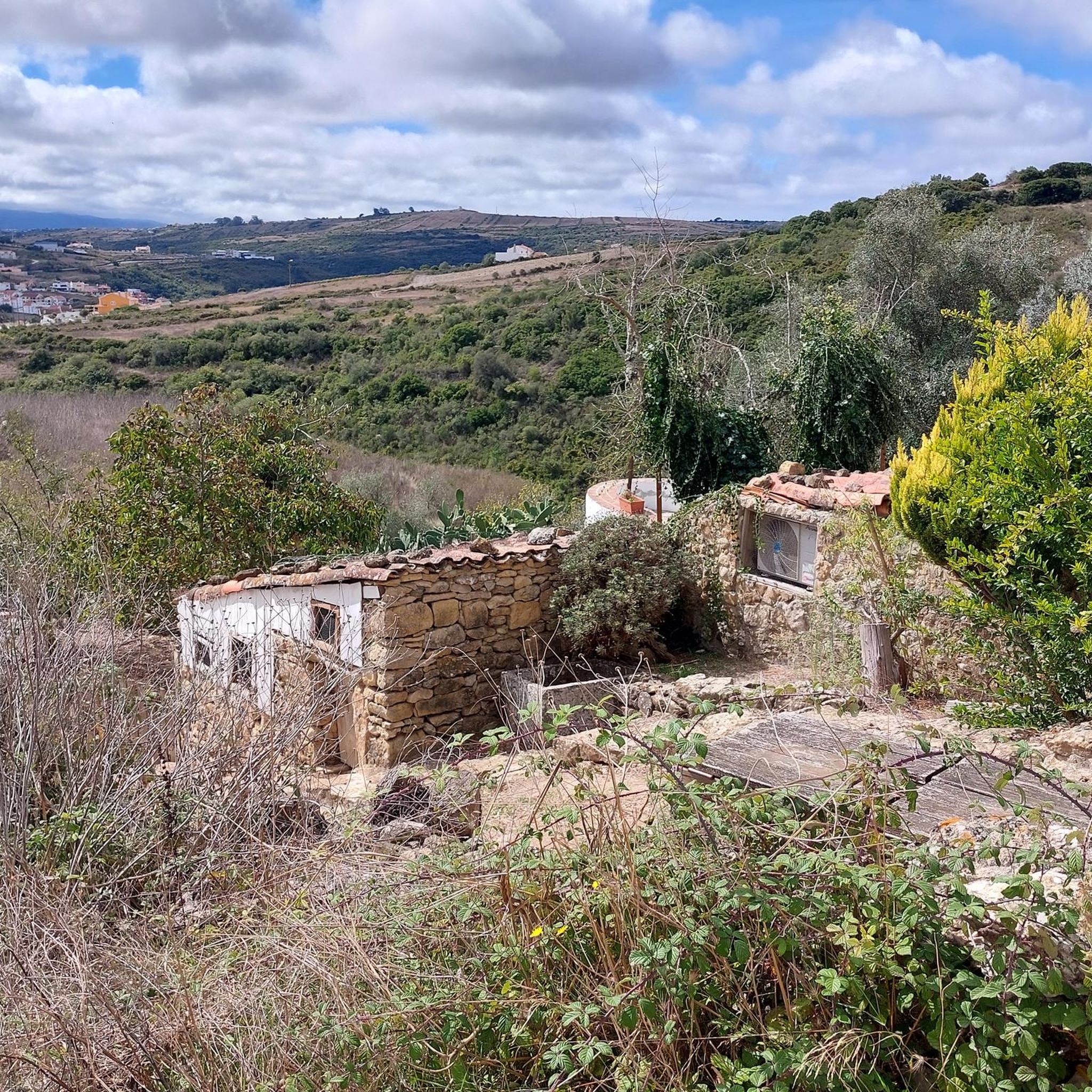
In early August 2025, the trail's surrounding brush is unsuitable for smooth passage. The overgrowth of brambles is obstructing the path.
3
0

typical village living room, now rural tourism
0
0

Baroque architectural complex comprising a Palace, a Basilica and a Convent, together with gardens and a vast Tapada, forming a historical heritage complex covering over 1,200 hectares, inscribed on the UNESCO World Heritage List in 2019. Built by order of King João V in fulfilment of a succession vow, Mafra Palace is one of the most important Baroque monuments in Portugal and one of the largest in Europe, occupying a construction area of 38,000 m2, with around 1,200 rooms, 5,200 doors and windows and 156 staircases. UNESCO has recognised this monument as a feat of architecture, engineering and human genius. Based on designs by Filippo Juvarra, its final design was carried out by the German Johann Friedrich Ludwig (João Frederico Ludovice) and construction was led by the kingdom's chief engineer, Custódio Vieira. The first stone was laid on 17 November 1717 and the Basilica was consecrated on 22 October 1730. The Basilica, inspired by the great churches of Rome, has one of the most significant collections of Italian sculpture of its time, with 58 statues, a large crucifix with archangels in adoration and three high reliefs, as well as an important collection of paintings, representing some of the most famous painters active in Italy and France in the early 1730s. The collection of vestments and liturgical implements is also very significant, due to its quality and rarity. The Palace Library is one of the most iconic spaces in the monument. With a refined selection of around 30,000 volumes, it is one of the exponents of Enlightenment knowledge representative of the court culture of the first half of the 18th century. Also noteworthy is the bell ringing ensemble, with 120 bells, which include two of the largest carillons of the 18th century, cast in Antwerp and Liège in the workshops of Willem Witlockx and Nicolas Levache, respectively. The bells are accompanied by two clocks dating from the first half of the 18th century, as well as four automatons for automatic music. Inside the Basilica is a set of pipe organs, unique in the world, consisting of six instruments designed to play together, built between 1792 and 1807 by the Portuguese organ builders António Machado e Cerveira and Joaquim Peres Fontanes. The Mafra Palace has been a member of the Association of European Royal Residences since 2009.
5
0


Mafra is a UNESCO World Heritage Site. The palace is always worth a trip to see it, to tour the rooms, visit the church and enjoy a Galao and a Tosta Mista in the café directly opposite. This stop is a highlight for all cyclists on the various tours around Mafra.
2
0

beautiful single track in middle of bushes and with two river crossings
2
0
Frequently Asked Questions
What historical sites can I visit near Malveira?
The most prominent historical site is the Mafra National Palace, a UNESCO World Heritage Site featuring an 18th-century palace, basilica, convent, and an impressive library. You can also explore the Old Bridge over the Cheleiros Stream, a medieval structure built on ancient Roman foundations.
Are there any traditional villages to explore in the Malveira area?
Yes, Mata Pequena Village is a beautifully restored rural settlement near Malveira. It consists of a dozen whitewashed houses with stone pavements, offering a glimpse into traditional 'saloia' architecture and a bygone way of life.
Where can I experience nature and wildlife near Malveira?
The Tapada Nacional de Mafra is an extensive royal park spanning over 8 square kilometers, home to various animal species and diverse natural habitats. It's ideal for hiking, cycling, and horse riding. Additionally, Malveira offers easy access to the stunning Sintra-Cascais Natural Park, known for its panoramic views and hidden gems.
What outdoor activities are available around Malveira?
The region around Malveira is excellent for outdoor enthusiasts. You can enjoy hiking, cycling, and horse riding, particularly within the Tapada Nacional de Mafra. For more specific routes, you can find various options for hiking and cycling.
Are there family-friendly attractions in the Malveira region?
Absolutely. The Mafra National Palace is suitable for families, offering a grand historical experience. Mata Pequena Village provides a charming and educational visit to a traditional settlement. For nature lovers, the Tapada Nacional de Mafra offers activities like hiking and wildlife spotting that families can enjoy together.
Can I find hiking trails suitable for different skill levels near Malveira?
Yes, the area offers a range of hiking trails. The Tapada Nacional de Mafra has trails like the 'Ribeirinho (Azul) trail' which is easy, and 'Tojeira (Green) Trail' for moderate difficulty. You can explore more options in the easy hikes guide or the general hiking guide for Malveira.
What is the significance of the Mafra National Palace?
The Mafra National Palace is Portugal's largest monastery and a UNESCO World Heritage Site. This 18th-century complex, commissioned by King John V, is a prime example of Baroque architecture, housing a grand palace, a basilica with six unique pipe organs, a convent, and an impressive library with around 30,000 volumes.
What is the Penedo do Lexim Special Protection Zone?
The Penedo do Lexim Special Protection Zone is an area of natural importance, highlighting the ecological value of the region surrounding Malveira. The traditional Mata Pequena Village is situated within this zone, emphasizing the blend of cultural heritage and natural preservation in the area.
Are there any unique historical ruins to visit near Malveira?
Yes, you can visit the Grandella Sanatorium Ruins. These 100-year-old ruins, also known as Sanatorium Albergaria, were never completed due to bankruptcy. They are located on a slope of Cabeço de Montachique and represent a seven-pointed star, offering a fascinating glimpse into an unfinished architectural project.
What do visitors particularly enjoy about the attractions around Malveira?
Visitors are deeply impressed by the sheer size and historical significance of the Mafra National Palace. The Mata Pequena Village is cherished for its loving restoration and the feeling of being in an open-air museum that preserves an old way of life. The Tapada Nacional de Mafra is appreciated for its diverse natural habitat and opportunities for various outdoor activities.
What is the best time of year to visit Malveira for outdoor activities?
The surroundings of Malveira are generally pleasant for outdoor activities for much of the year. Spring and autumn offer mild temperatures ideal for hiking and cycling. Summer can be warm, but the natural parks provide shaded areas. Local festivals, often held during warmer months, also offer a vibrant cultural experience.
Can I find cycling routes around Malveira?
Yes, there are several cycling routes available. You can find challenging routes like the 'Mafra National Palace – Praia do Sul (Ericeira) loop from Malveira' which covers over 60 km. For a comprehensive list of options, refer to the Cycling around Malveira guide.
Most popular attractions around Malveira

Get inspired with the komoot mobile app


Explore more
Still not found the Highlight you’re looking for? See guides of the top attractions in other regions:
