The best road cycling routes around Sé
4.5
(2)
240
riders
28
rides
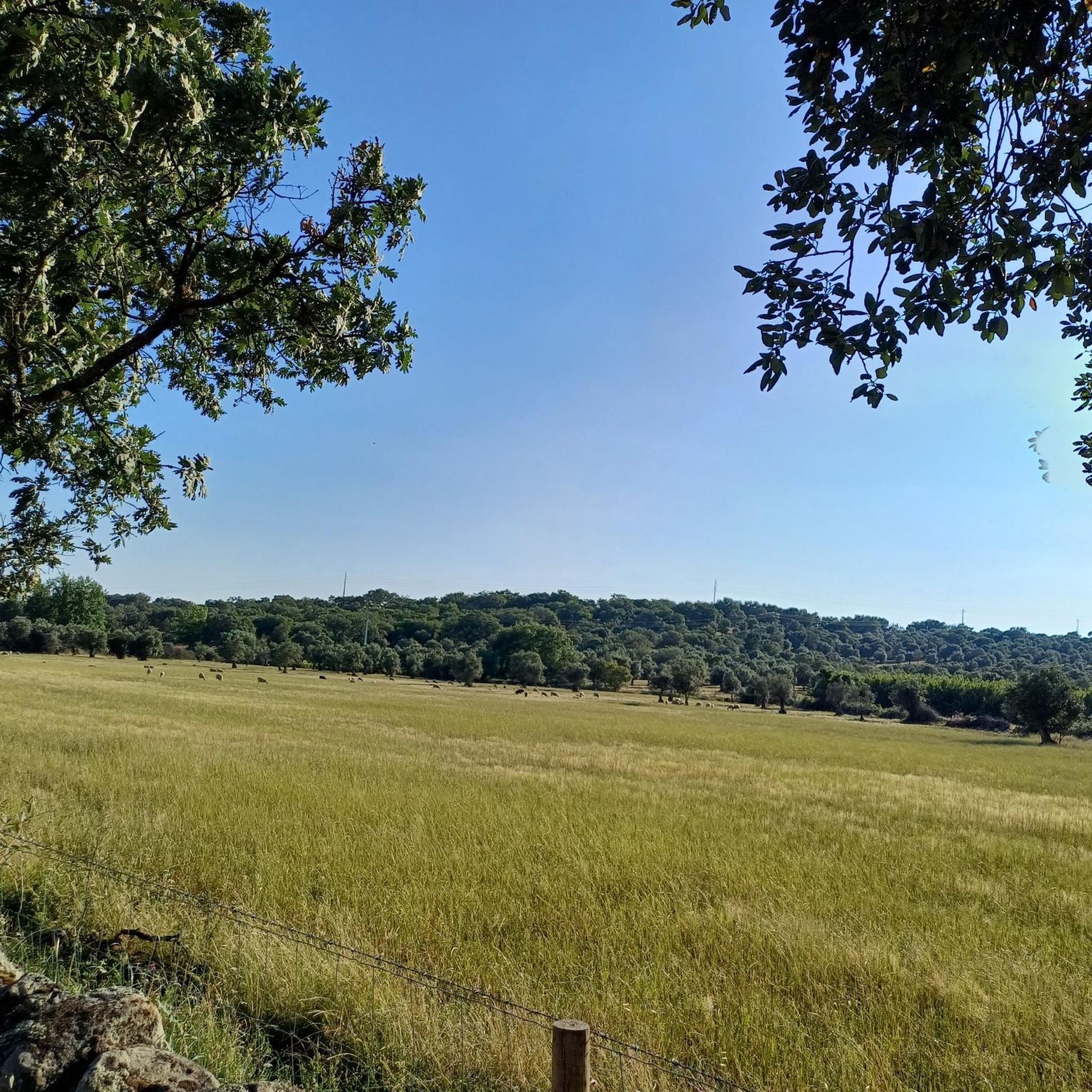
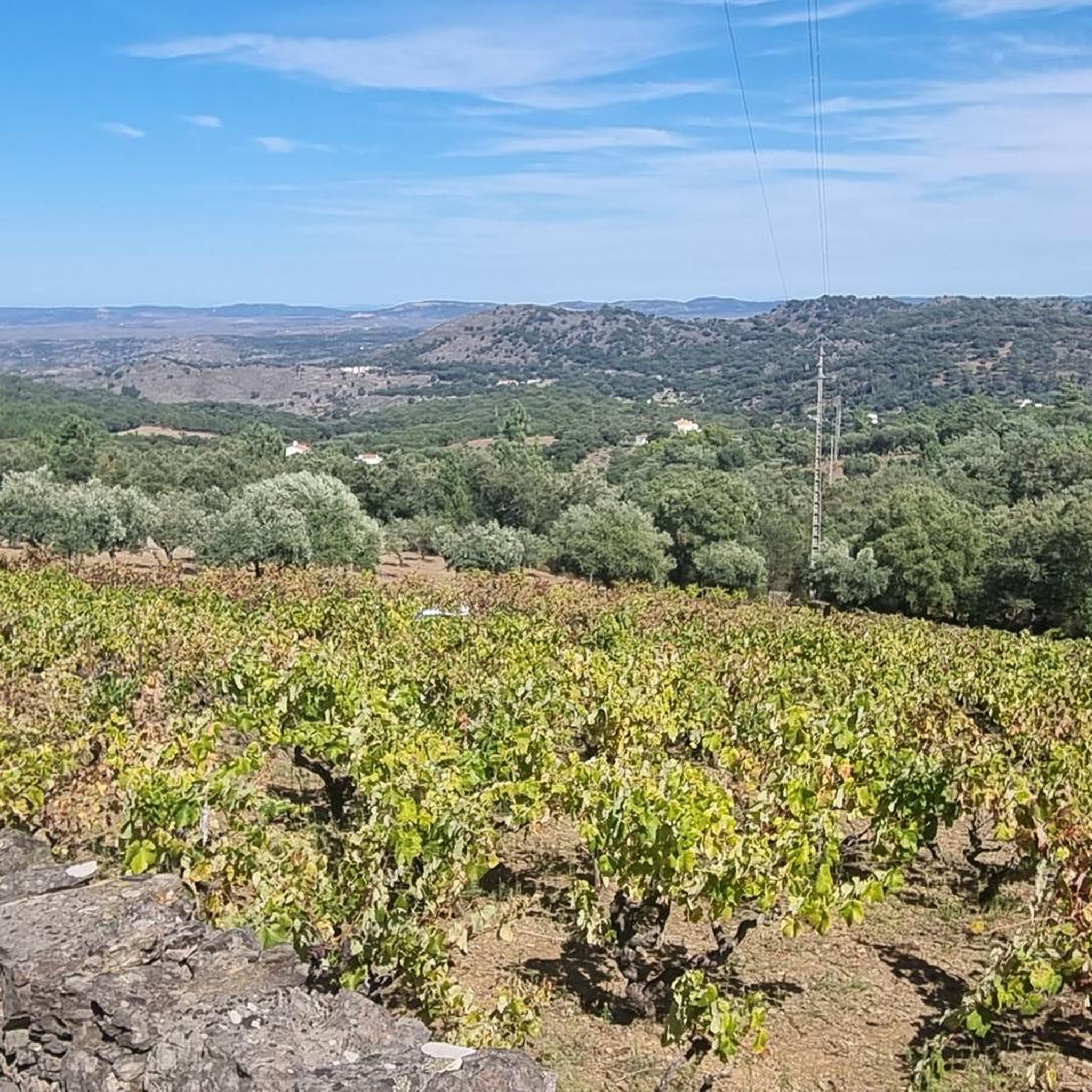
Road cycling routes around Sé are characterized by diverse terrain, ranging from rolling hills to more challenging climbs. The region features a landscape of extensive plains, interspersed with hills and historic towns. Road cyclists can expect routes with smooth tarmac, passing through areas with vineyards and olive groves. The topography offers varied elevation profiles, suitable for different levels of road cycling experience.
Best road cycling routes around Sé
- The most popular road cycling route is Castelo de Vide loop from…
Last updated: October 13, 2026
41
riders
47.0km
02:15
600m
600m
Moderate road ride. Good fitness required. Mostly well-paved surfaces and easy to ride.
16
riders
113km
06:12
2,250m
2,250m
Hard road ride. Very good fitness required. Some segments of this route may be unpaved and difficult to ride.

16
riders
58.5km
02:54
860m
850m
Moderate road ride. Good fitness required. Mostly well-paved surfaces and easy to ride.
11
riders
50.2km
02:51
1,010m
1,010m
Hard road ride. Very good fitness required. Mostly well-paved surfaces and easy to ride.
13
riders
45.5km
02:25
850m
850m
Moderate road ride. Good fitness required. Mostly well-paved surfaces and easy to ride.
Get access to more routes and recommendations from other explorers.
Already have an account?
Our route recommendations are based on thousands of hikes, rides, and runs completed by other people on komoot.
Start today with a free account
Your next adventure awaits.

Tips from the Community

What a nice place, enormous castle with fantastic view, amazing. Definitely worth looking at
10
0

Located at the highest point of the historic center of Portalegre, enjoying strategic views over the city and the surrounding landscape, which so well characterizes the Alto-Alentejo region. Medieval castle, built during the reign of D. Dinis, around 1290. In this fortification, related to the defense of the Alto-Alentejo border, the Keep (Torre de Menagem) stands out, with interior floors covered by vaults and a regular quadrangular plan, well integrated into the characteristic wall of military Gothic architecture. There are still three towers, out of the twelve it initially had, one of which is the North Tower (Torre Norte) which, due to its height, currently constitutes the true scenic symbol of the city's medieval past. The castle has already undergone restoration work, and has also been intervened to house a museum inside, the Keep Museum Nucleus (Núcleo Museológico da Torre de Menagem), which is currently in operation.
2
0

Castelo de Vide is a charming Portuguese medieval village located in the district of Portalegre, in the Alentejo region, perched on the hills of the Serra de São Mamede Natural Park. Nicknamed the "Sintra of Alentejo" for its flowery alleys and lush landscapes, this town is famous for its healing thermal waters, its intact Gothic architecture, and one of the most important historical Jewish communities in the country.
0
0

Hiking to Serra de São Mamede (1027 m), the highest point in continental Portugal south of the Tagus, offers a unique experience that combines the hardness of quartzite with the freshness of lush vegetation in the Serra de São Mamede Natural Park. The ascent rewards hikers with panoramic views that extend to the Estrela and deep into Spanish territory. For a safe and rewarding hike on this peak in Portalegre, consider the following advice: Route Planning: There are several trails leading to the summit, with the Serra de São Mamede Walking Route (PR1 PTG) being one of the most popular. The path is often rocky and steep, requiring footwear with good traction and ankle support. Water and Energy Management: The physical exertion and sun exposure, especially in the higher, unprotected areas, require you to carry sufficient water (at least 1.5L) and energy snacks. There are no reliable supply points during the ascent. Pay Attention to the Weather: The weather in the mountains can change rapidly. Even if it is sunny in the city, the summit may be shrouded in fog or strong winds. Always check the local forecast before setting off and bring a windbreaker or warm clothing. Sun Protection: Due to the altitude and sparser vegetation on the summit, UV radiation is more intense. Use sunscreen and a hat, even on cloudy days.
1
0

Far in the northeast of Alentejo lies Castelo de Vide, just a few kilometers from the border with Spain. The town is often called Cidade branca (white city), which is primarily due to the pretty whitewashed houses of the town. The highlight of the town (besides its great location in the Parque Natural da Serra de São Mamede) is the 14th-century Castelo de São Roque. From the castle, you have a fantastic view of the old town. Other sights in Castelo de Vide include the old Jewish quarter with the oldest synagogue in Portugal and the numerous churches and chapels of the town.
3
0

A place to visit every month. It's wonderful.
2
0
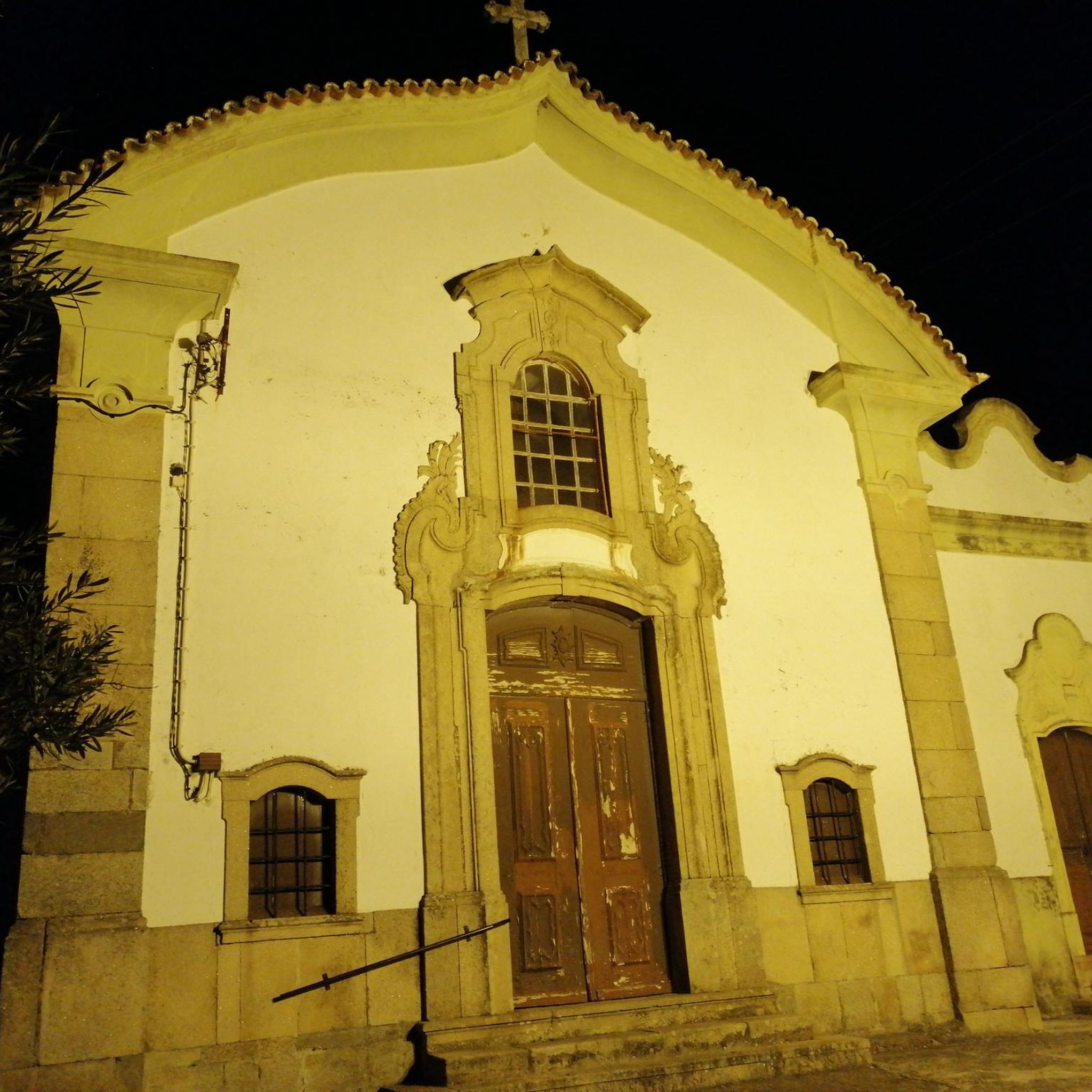
Construction of the Church of Santa Maria da Devesa began in 1789 on the site of a small chapel of the same name, founded in 1311 by Loureno Pires and his wife. It was completed around 1873. It is a large temple, perhaps the largest in the Alto Alentejo. The invocation to Santa Maria da Devesa is unique in our country, and it may be related not only to its location, which... https://castelodevide.pt/2000/igreja-de-santa-maria-da-devesa
2
0
Imposing building in which the Centro de Dia senior center is located
2
0
Frequently Asked Questions
Where exactly are these road cycling routes around 'Sé' located?
The road cycling routes listed here, such as those to Castelo de Vide, Marvão Castle, and Porto da Espada, are primarily located in the Portalegre district, within the Alentejo region of Portugal. While 'Sé' often refers to cathedrals in Portuguese cities, in this context, it points to an area known for its diverse terrain, historic towns, and natural beauty in the eastern part of the Alentejo.
What kind of terrain can I expect on road cycling routes around Sé?
Road cycling routes around Sé feature diverse terrain, ranging from extensive rolling plains to challenging hills. You'll find smooth tarmac passing through areas with vineyards and olive groves, characteristic of the Alentejo region. The topography offers varied elevation profiles, suitable for different levels of road cycling experience, from moderate rides to more difficult climbs.
Are there challenging road cycling routes for experienced riders?
Yes, Sé offers several challenging routes. For experienced riders seeking a substantial climb, the Climb to Porto da Espada loop from Portalegre is a difficult 36.6-mile (58.9 km) path with nearly 3,085 feet (940 meters) of elevation gain. Overall, 12 of the 28 routes in the area are rated as difficult.
What are some moderate road cycling options in the Sé area?
For a moderate challenge, you can explore routes like the Castelo de Vide loop from Portalegre, a 28.7-mile (46.3 km) trail with significant elevation gain, or the Marvão Castle loop from Portalegre, which is 29.2 miles (47.0 km) and leads through hilly landscapes and past historic sites. There are 16 moderate routes available in the region.
What historical sites or landmarks can I see along the road cycling routes?
The routes around Sé (Portalegre) are rich in history and culture. You can cycle past the 16th century bridge of Portagem, explore the Roman City of Ammaia, or discover a Medieval Road in Parque Natural da Serra de São Mamede. The Marvão Castle loop specifically takes you past the impressive Marvão Castle, offering stunning views.
Are there any circular road cycling routes available?
Yes, many of the road cycling routes around Sé are designed as loops, allowing you to start and end in the same location. Examples include the popular Castelo de Vide loop from Portalegre, the challenging Climb to Porto da Espada loop from Portalegre, and the scenic São Mamede Trail – São Mamede Spring loop from Portalegre.
What is the best time of year for road cycling in this region of Portugal?
Portugal, including the Alentejo region, generally enjoys a mild climate with over 300 days of sunshine annually, making it suitable for road cycling for much of the year. Spring (March to May) and Autumn (September to November) are particularly pleasant, offering comfortable temperatures and beautiful landscapes. Summers can be hot, especially in the Alentejo, so early morning or late afternoon rides are recommended then. Winters are generally mild, though some rain can occur.
What do other cyclists say about road cycling in Sé?
The road cycling routes around Sé are highly rated by the komoot community, with an average score of 4.5 stars from over 200 road cyclists. Users often praise the varied terrain, the opportunity to pass through historic towns, and the generally smooth tarmac, making for an enjoyable cycling experience.
Are there any specific natural attractions or viewpoints along the routes?
Beyond historical sites, the routes often traverse the beautiful landscapes of the Parque Natural da Serra de São Mamede, offering natural viewpoints and lush scenery. For instance, the São Mamede Trail – São Mamede Spring loop takes you through this natural park, providing scenic vistas and a chance to experience the region's natural beauty.
Are there options for food and drink along the road cycling routes?
The routes around Sé often pass through or near charming towns like Portalegre, Castelo de Vide, and Marvão. These towns offer opportunities to stop at local cafes, restaurants, and shops where you can refuel and experience local Portuguese cuisine. The Alentejo region is also known for its vineyards, so you might find opportunities to visit local wineries.
How many road cycling routes are available in the Sé area?
There are over 25 road cycling routes available around Sé (Portalegre) on komoot, offering a wide range of distances and difficulty levels to suit various preferences and fitness levels.
Most popular attractions around Sé

Get inspired with the komoot mobile app


Explore more
Browse the best Road cycling routes in other regions.
