The best MTB trails around Folgosa
4.2
(96)
942
riders
116
rides
Mountain biking around Folgosa, nestled in northern Portugal, offers diverse routes through its natural landscapes. The region is characterized by rolling hills and lush forests, providing a captivating backdrop for outdoor adventures. Its location on the south bank of the Douro River features impressive terraced vineyards and riparian galleries, creating varied terrain for mountain bikers. The area's hills are crisscrossed with trails, offering opportunities to connect with nature and explore the unique wine region.
Best mountain bike trails around Folgosa
…Last updated: October 16, 2026
14.2km
01:26
390m
390m
Moderate mountain bike ride. Good fitness required. Suitable for all skill levels.
4.4
(18)
29
riders
42.4km
03:19
620m
620m
Moderate mountain bike ride. Good fitness required. Suitable for all skill levels.

14
riders
41.7km
03:12
560m
560m
Moderate mountain bike ride. Good fitness required. Suitable for all skill levels.
6
riders
49.8km
03:54
870m
870m
Hard mountain bike ride. Good fitness required. Advanced riding skills necessary. Some portions of the route may require you to push your bike.
7
riders
45.7km
03:15
710m
710m
Moderate mountain bike ride. Good fitness required. Advanced riding skills necessary.
Get access to more routes and recommendations from other explorers.
Already have an account?
Our route recommendations are based on thousands of hikes, rides, and runs completed by other people on komoot.
Start today with a free account
Your next adventure awaits.


Tips from the Community

You can enjoy some good ham sandwiches accompanied by a nice cold beer.
1
0
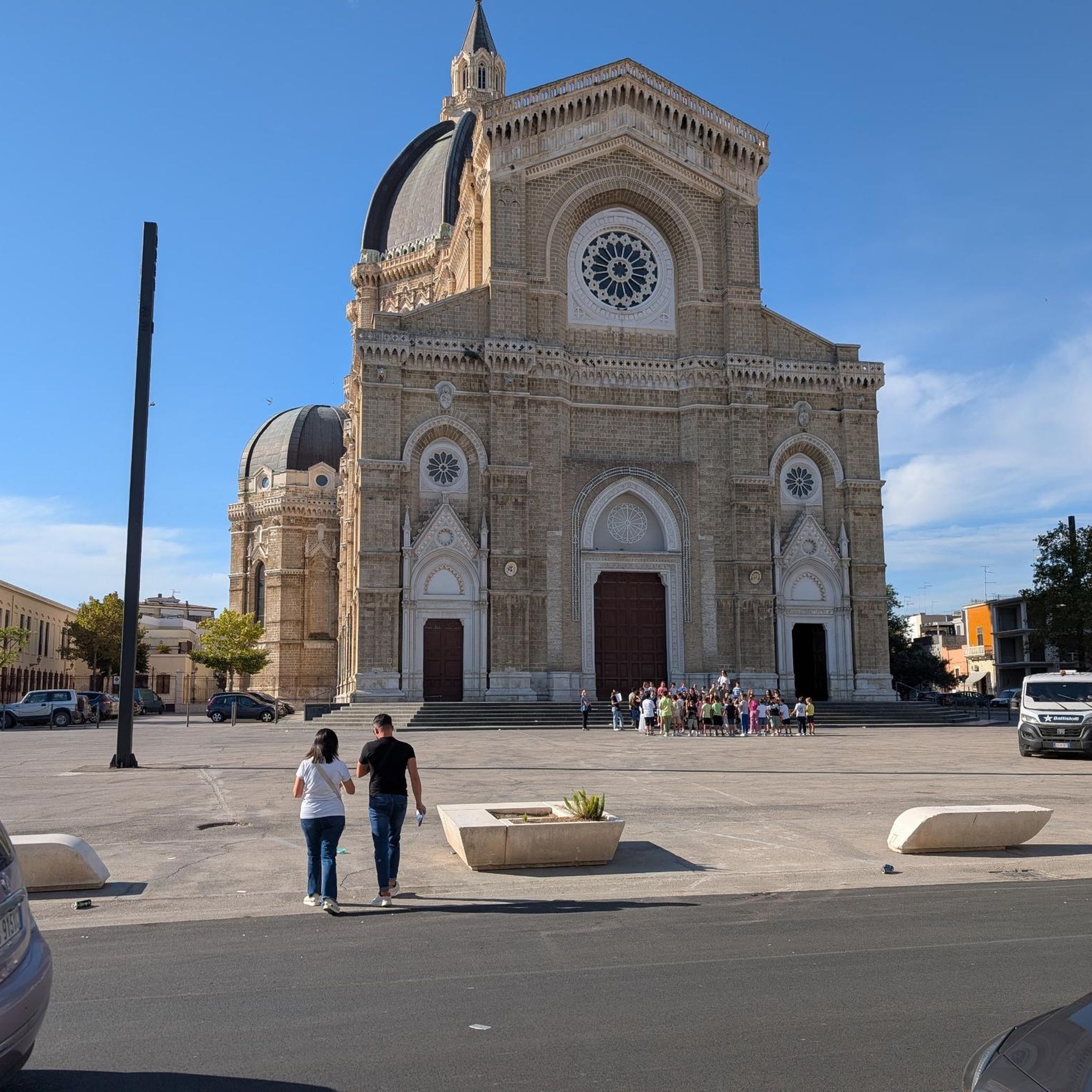
Religious architecture, dating from the 17th, 19th, and 20th centuries. Rectangular parish church composed of a nave and chancel, with sacristy and bell tower, having two transept arms added at the end of the 20th century. It has interior wooden roofs, gabled and with beams in the nave and coffered ceilings in the chancel, sparsely illuminated by windows in the right side facade of the chancel body. It has a 20th-century bell tower, with three registers and round-arched windows. Main facade with a gable, with three axes of openings, composed of a portal and two large windows, all rectilinear. Facades with pilastered quoins and concrete frieze finishes. Interior with a high choir resting on stone corbels, accessed from the annex, with side chapels and facing pulpits. A triumphal arch with a perfect vault, resting on Tuscan piastras, flanked by Mannerist carved altarpieces. Chancel with a central stepped platform, where the main altarpiece stands, reusing elements of Mannerist carving. A church of 17th-century foundation, of which the original structure and some openings in the sash form are maintained, profoundly remodeled in the 20th century, with the construction of the annexes, the transept, and the creation of the bell tower, this one quite tall, with three registers. The main façade and the bell tower are covered with patterned tiles. Inside, the side altarpieces, of erudite Mannerist structure, stand out, profoundly altered with the 20th-century restoration, with the reform of the finialço and the execution of new altar tables. The Epistle side altarpiece, dedicated to Our Lady of Fatima, stands out for its high-quality carving. It retains its preparatory layer and, through its structure and decorative grammar, reveals a transitional style, datable to the late 18th and early 19th centuries. It features profuse phytomorphic decoration, a scalloped back panel, but also includes urns at the top of the Corinthian columns, adorned with festoons, revealing Neoclassical elements. The main altarpiece, recently gilded, showcases the use of twisted columns, a late 17th-century style, with archivolts in a national Baroque style altarpiece structure. Also noteworthy is the Crucified altarpiece, a Neo-Baroque revivalist piece with a concave structure, possessing several Neoclassical influences, notably the urns at the top and the faux marble effect on the columns.
0
0


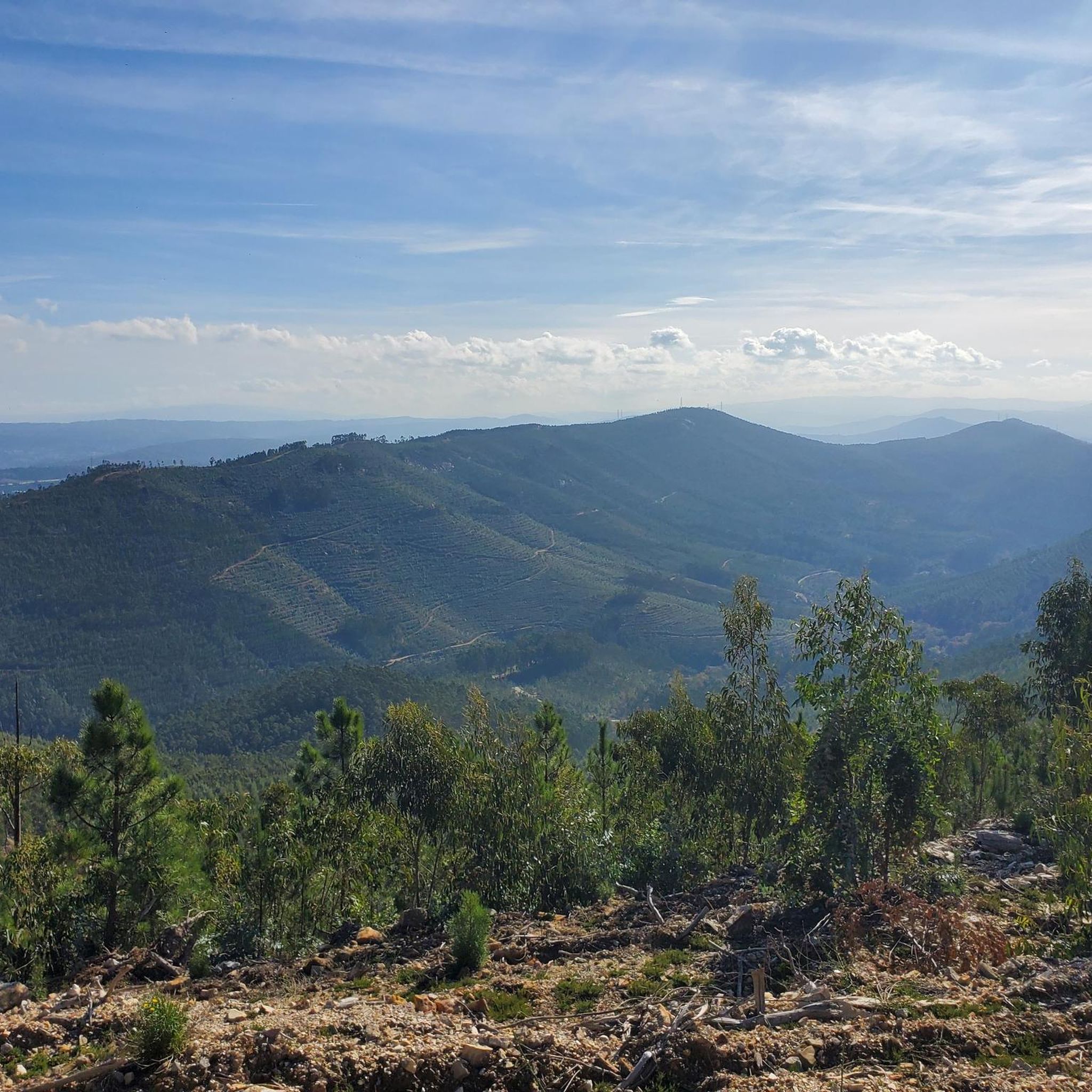
From up here you can admire a beautiful panorama and then dive into the fun dirt descent!
0
0
This dirt road enters a dense forest of tall, slender trees, with vegetation that opens up to let the trail pass. The terrain is uneven and stony, fun is guaranteed!
0
0
The Ponte dos Arcos is a 19th-century historic structure in Valongo, Portugal. Built to irrigate the fertile lands of Campo, it also served as a pedestrian crossing. Recently restored, it is now an icon of local heritage.
1
0
work by the sculptor Lima de Carvalho inaugurated in July 1984, in bronze with a marble base, a tribute to the triumph of the people of Maia
0
0

Frequently Asked Questions
How many mountain bike trails are there in Folgosa?
Folgosa offers a wide selection of mountain bike trails, with over 120 routes available for exploration. These range from easy paths to more challenging rides, catering to various skill levels.
What is the best time of year to go mountain biking in Folgosa?
The region around Folgosa, with its Mediterranean climate, generally offers good conditions for mountain biking for much of the year. Spring (April-June) and Autumn (September-November) are often ideal, providing pleasant temperatures and lush scenery. Summers can be hot, especially in the Douro Valley, so early mornings or late afternoons are recommended if riding during this season.
What kind of terrain can I expect on mountain bike trails in Folgosa?
Mountain biking around Folgosa is characterized by rolling hills and lush forests. You'll encounter varied terrain, including paths through terraced vineyards overlooking the Douro River, riparian galleries, and trails that crisscross the surrounding hills. This diverse landscape provides a captivating backdrop for outdoor adventures.
Are there mountain bike trails suitable for beginners in Folgosa?
Yes, Folgosa offers several options for beginners. There are 17 easy-rated mountain bike trails available, providing a gentler introduction to the region's beautiful landscapes. An example of an easy route is Ponte dos Arcos de Campo loop from Ermesinde, which covers about 30.8 km with moderate elevation changes.
Are there challenging mountain bike trails for experienced riders in Folgosa?
Absolutely. For experienced mountain bikers seeking a challenge, Folgosa has 18 difficult-rated trails. These routes often feature more technical sections and significant elevation changes, providing a demanding and rewarding experience amidst the region's rugged beauty.
What natural features can I see along the mountain bike trails in Folgosa?
While riding, you can enjoy stunning views of the Douro River and its terraced vineyards, which are a defining natural feature of the region. Other natural highlights include the Pico da Serra de Santa Justa and the rushing river in Parque das Serras do Porto. Some routes, like Monte da Senhora da Assunção – Waterfall on the Leça River loop from Ermesinde, even pass by waterfalls.
Are there any historical sites or landmarks along the mountain bike trails in Folgosa?
Yes, the area around Folgosa is rich in history. You might encounter sites such as the Alvarelhos Hillfort, an ancient 12th-century castle offering panoramic views, or the Monastery of Saint Benedict. The Cruzeiro do Padrão da Légua is another notable man-made monument.
Are there any specific mountain biking facilities in Folgosa?
Folgosa has a local focus on mountain biking, highlighted by the ProjetoPEDAL Short Track Circuit. This circuit is designed for both beginners and those looking to develop their mountain biking skills and is maintained by the Academia do Projetopedal.
What do other mountain bikers enjoy about the trails in Folgosa?
The mountain bike trails in Folgosa are highly rated by the komoot community, with an average score of 4.3 stars from over 70 reviews. Riders often praise the varied terrain, the stunning views of the Douro River and its vineyards, and the opportunities to connect with nature in the rolling hills and lush forests.
Are there loop trails for mountain biking in Folgosa?
Many of the mountain bike routes in Folgosa are designed as loops, offering a convenient way to explore the area without repeating sections. Examples include the Downhill Trail With Jumps – Alvarelhos Hillfort loop from Ermesinde and the Off-Road Trail Near Maia – Downhill Trail With Jumps loop from São Romão.
Is parking available near the mountain bike trails in Folgosa?
While specific parking areas for each trail are not always explicitly listed, Folgosa and its surrounding villages typically offer public parking options. It's advisable to check local maps or komoot tour details for parking suggestions near your chosen starting point.
Are dogs allowed on the mountain bike trails in Folgosa?
Generally, dogs are welcome on many outdoor trails in Portugal, especially in natural areas. However, it's always best to keep them on a leash, particularly in areas with wildlife or near private property, and to follow local regulations or signage you may encounter on specific trails.
Most popular routes around Folgosa
Most popular attractions around Folgosa

Get inspired with the komoot mobile app


Explore more
Browse the best MTB trails in other regions.
