The best cycling routes around Paço De Sousa
5.0
(1)
169
riders
34
rides
Touring cycling around Paço De Sousa offers routes through tranquil rural landscapes and river valleys in northern Portugal. The region is characterized by the winding Ferreira River, a tributary of the Tâmega, and the Sousa River, providing serene paths away from heavy traffic. Cyclists can explore varied terrain, including green spaces and areas noted for their natural beauty.
Best touring cycling routes around Paço De Sousa
- The most popular touring cycling route is From Quintandona to Santa Justa — circular…
Last updated: July 1, 2026
12
riders
41.5km
02:47
630m
630m
Hard bike ride. Very good fitness required. Mostly paved surfaces. Suitable for all skill levels.
13
riders
77.7km
05:16
1,230m
1,230m
Hard bike ride. Very good fitness required. Mostly paved surfaces. Suitable for all skill levels.

Sign up for free
12
riders
40.8km
03:21
840m
840m
Hard bike ride. Very good fitness required. Mostly paved surfaces. Suitable for all skill levels.
9
riders
83.7km
05:38
1,230m
1,230m
Hard bike ride. Very good fitness required. Mostly paved surfaces. Suitable for all skill levels.
14
riders
45.7km
03:52
920m
920m
Hard bike ride. Very good fitness required. Mostly paved surfaces. Suitable for all skill levels.
Get access to more routes and recommendations from other explorers.
Sign up for free
Already have an account?
Our route recommendations are based on thousands of hikes, rides, and runs completed by other people on komoot.
Start today with a free account
Your next adventure awaits.
Login or Signup


Tips from the Community

A place to stop along a trip with entertainment for children, picnic tables with the Sousa River right next door
0
0

This is perhaps one of the most popular places in the municipality of Paredes. This landscaped area of rare beauty is nestled between high mountains through which the Sousa River flows. This place is home to the so-called “Boca do Inferno”, with its unique geological characteristics and imbued with great mysticism. The Senhora do Salto site offers moments of tranquility and freshness, and its cliffs are ideal for abseiling, climbing, mountain biking or hiking. Despite the existence of a valley with steep slopes, it is possible to enjoy long-distance views if you climb the slopes of the Santa Iria mountain range. This area is part of the Natura 2000 Network, which protects the habitats and species of flora and fauna, and it is possible to observe the peregrine falcon and the rock swallow, among others. The Salto site is shrouded in a legend, according to which a knight escaped death by invoking the protection of Our Lady after an inadvertent jump into the abyss. As a sign of gratitude for the miracle, the knight ordered the construction of the small chapel of Nossa Senhora do Salto.
0
0
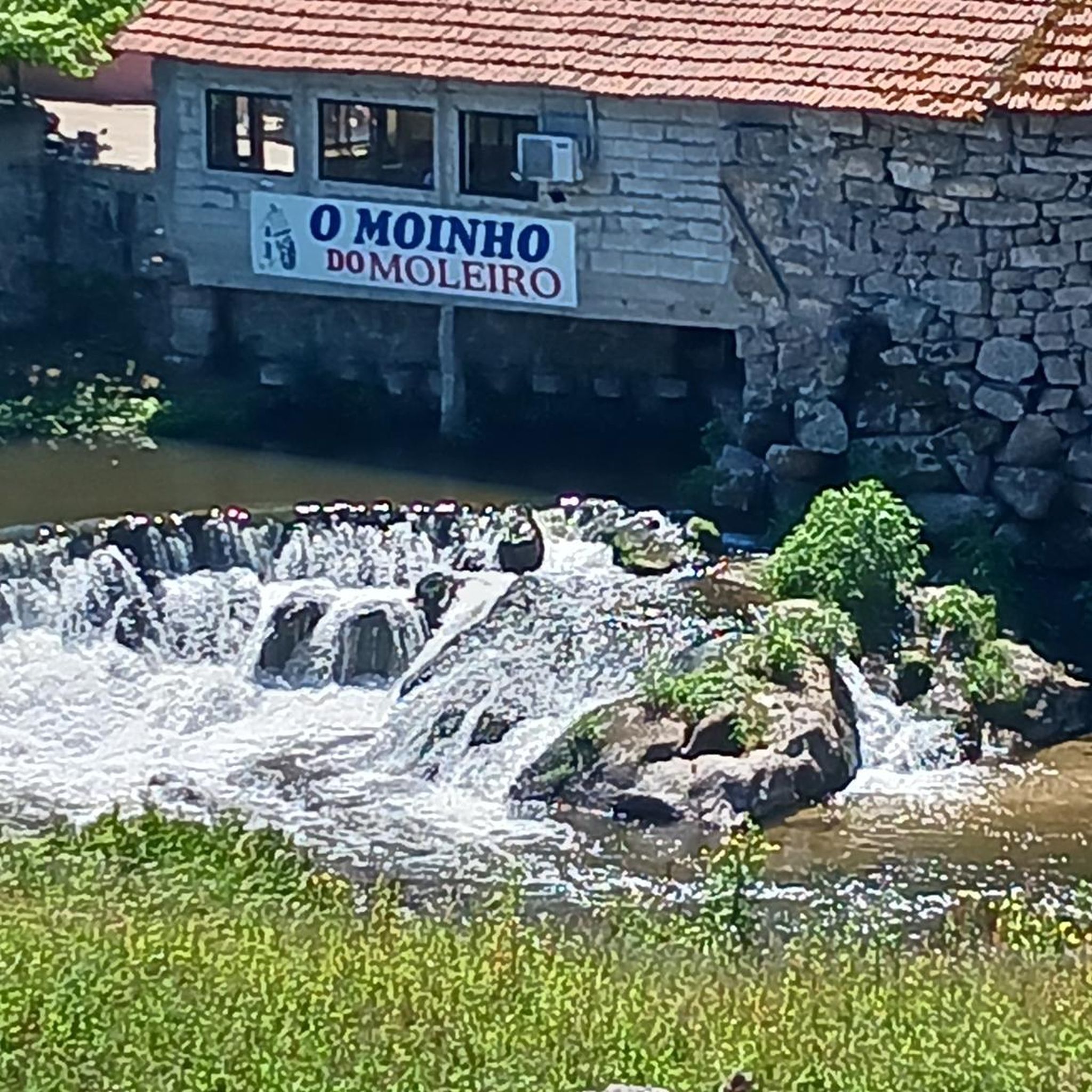
old mill practically in ruins but more or less good, it is an activity that is practically extinct
0
0
It has great climbing walls with some roofs and many routes, a spectacular place to climb
0
0
where you can eat the famous pork ribs with an egg on top
0
0

Very calm place with a nice bar, good for water sports
0
0
has a cafe with excellent views of the Marina and the Douro River
0
0
Frequently Asked Questions
What kind of terrain can I expect on touring cycling routes around Paço De Sousa?
The routes around Paço De Sousa primarily feature tranquil rural landscapes and river valleys. You'll find paths winding along the Ferreira River, a tributary of the Tâmega, and the Sousa River, offering serene cycling experiences away from heavy traffic. The area is known for its natural beauty and varied terrain, including green spaces and picturesque scenery.
Are there any easy touring cycling routes suitable for beginners or families?
Yes, there are options for easier rides. For instance, the Discovering Quintandona — circular route is an easy 3.6-mile (5.8 km) path that explores the charming rural village of Quintandona, known for its schist architecture. This route is ideal for those seeking a less strenuous ride.
Where can I find challenging touring cycling routes in the region?
For more challenging rides, Paço De Sousa offers several difficult routes. One such option is From Quintandona to Santa Justa — circular route through the Regional Protected Landscape Park of the Porto Mountains, a 22.2-mile (35.7 km) trail that traverses a protected landscape park with immersive natural scenery and significant elevation changes.
Are there any circular touring cycling routes available?
Yes, many routes in the area are circular, allowing you to start and end in the same location. Besides the easy Discovering Quintandona — circular route, you can also explore the more demanding Memorial of the Hermitage – Quintandona Schist Village loop from Irivo, a 25.7-mile (41.4 km) trail through rural villages and natural areas.
What historical landmarks or cultural sites can I visit while cycling?
Paço De Sousa is rich in history. The Monastery of Paço de Sousa, a significant example of Portuguese Romanesque architecture, is a captivating cultural stop. Routes often pass through rural villages like Quintandona, known for its traditional schist architecture. You can also find highlights like Ponte dos Arcos de Campo, an ancient bridge.
Are there any routes that feature waterfalls or scenic river views?
Absolutely. The region is characterized by its river valleys. You can find routes that lead to the Senhora do Salto Waterfall, a notable natural monument. The Senhora do Salto Waterfall – River Douro loop from Oleiros is a challenging 48.4-mile (77.9 km) route that incorporates this feature. The Ferreira River itself offers serene views, and you can find highlights like the Ferreira River in the Couce Valley.
What do other touring cyclists say about the routes in Paço De Sousa?
The touring cycling routes around Paço De Sousa are highly regarded by the komoot community, holding an average score of 5.0 stars from over 5 reviews. Cyclists often praise the tranquil rural roads, the picturesque river valleys, and the opportunity to combine physical activity with cultural immersion at historical sites.
Are there any viewpoints or scenic spots along the cycling routes?
Yes, the region offers several scenic viewpoints. You can find highlights such as the Doll's Swing, the Suspended Bridge at Parque das Serras do Porto, and the Sebolido Viewpoint, all offering beautiful vistas of the surrounding landscapes.
How many touring cycling routes are available in Paço De Sousa?
There are 39 touring cycling routes recorded in Paço De Sousa, catering to various skill levels. This includes 1 easy route, 7 moderate routes, and 31 difficult routes, ensuring a diverse range of options for every cyclist.
Can I find routes that pass by religious landmarks?
Yes, the area has historical and religious significance. The Ponte de Espindo – Statue of Saint James loop from Oleiros is a challenging 25.8-mile (41.5 km) route that includes a statue of Saint James, offering a blend of cycling and cultural exploration.
What is the best season for touring cycling in Paço De Sousa?
While specific seasonal data isn't provided, the region's mild climate in northern Portugal generally makes spring and autumn ideal for cycling. These seasons offer pleasant temperatures and lush landscapes, enhancing the experience of exploring the river valleys and rural roads.
Are there opportunities to explore natural monuments while cycling?
Yes, the area is home to several natural monuments. Beyond the Senhora do Salto Waterfall, you can also discover the Pedra do Monte de Marecos, a unique geological feature, along with various viewpoints offering stunning natural vistas.
Most popular attractions around Paço De Sousa

Get inspired with the komoot mobile app


Explore more
Browse the best Cycling routes in other regions.
