The best walks and hikes around Fráguas
4.5
(23)
87
hikers
13
hikes
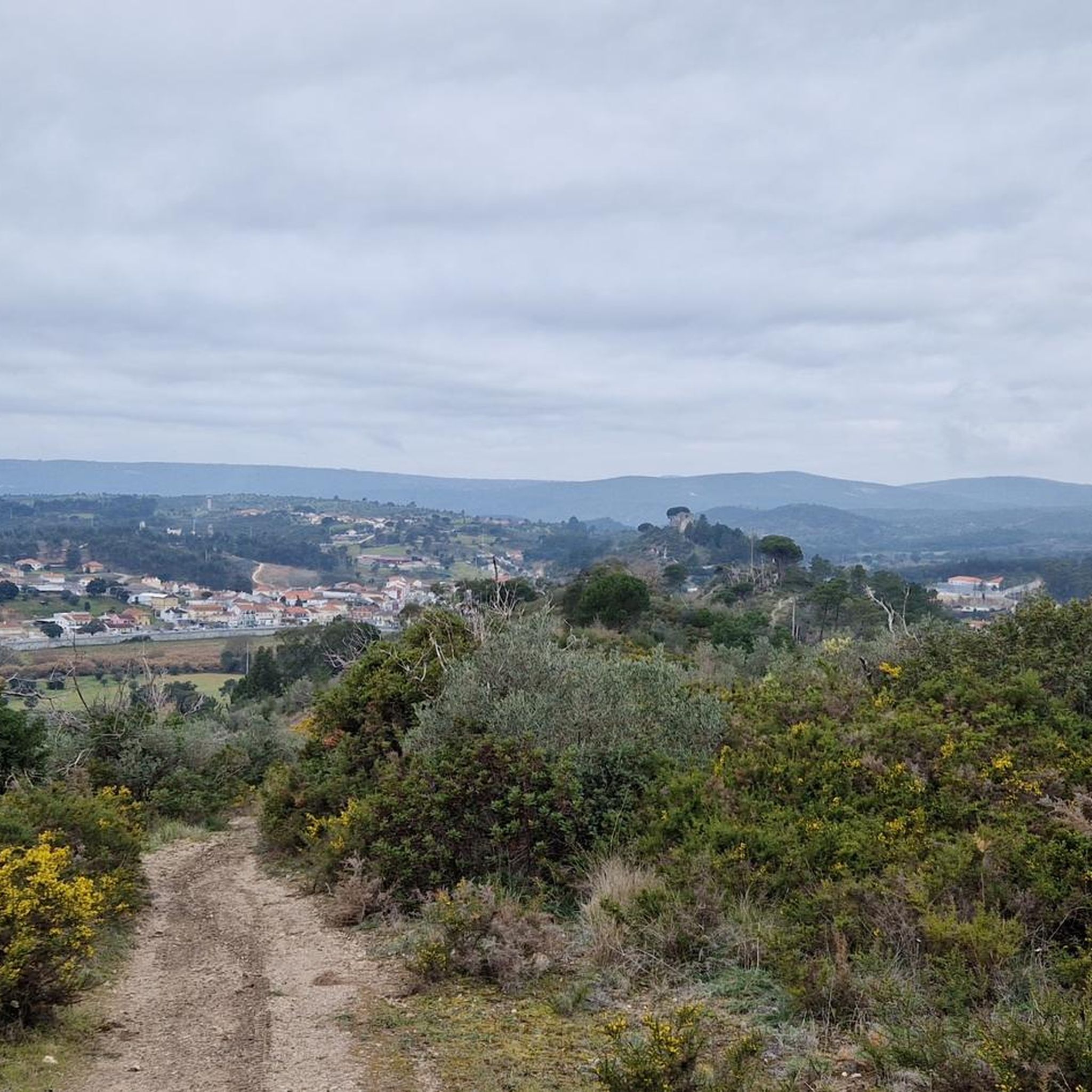
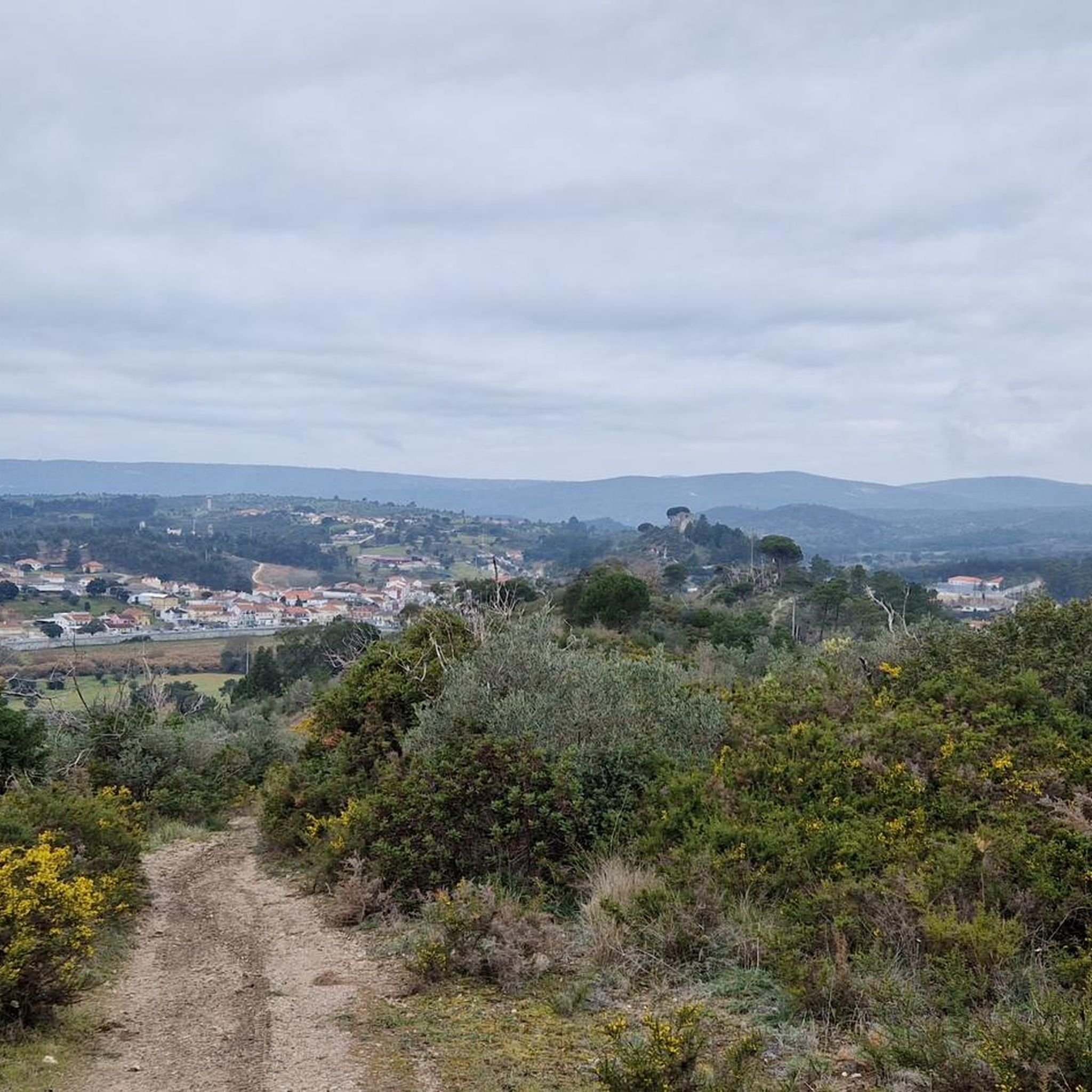
Hiking around Fráguas offers a diverse landscape characterized by varied terrain and natural features. The region presents opportunities to explore paths with moderate elevation changes, often leading through rural settings and past historical points of interest. Hikers can expect to encounter a mix of open areas and some wooded sections, providing different perspectives of the local environment. The trails are generally well-suited for those seeking moderate outdoor activity.
Best hiking trails around Fráguas
- The most popular hiking route is Olho…
Last updated: June 24, 2026
4.7
(3)
12
hikers
13.5km
03:58
370m
370m
Moderate hike. Good fitness required. Easily-accessible paths. Suitable for all skill levels.
4.5
(2)
6
hikers
13.2km
03:52
350m
350m
Moderate hike. Good fitness required. Easily-accessible paths. Suitable for all skill levels.

Sign up for free
4.0
(1)
11
hikers
7.92km
02:22
220m
220m
Moderate hike. Good fitness required. Mostly accessible paths. Sure-footedness required.
4.0
(3)
7
hikers
7.81km
02:11
150m
150m
Moderate hike. Good fitness required. Easily-accessible paths. Suitable for all skill levels.
4.0
(2)
11
hikers
6.79km
01:45
30m
30m
Easy hike. Great for any fitness level. Easily-accessible paths. Suitable for all skill levels.
Get access to more routes and recommendations from other explorers.
Sign up for free
Already have an account?
Our route recommendations are based on thousands of hikes, rides, and runs completed by other people on komoot.
Start today with a free account
Your next adventure awaits.
Login or Signup
Frequently Asked Questions
What kind of terrain and difficulty can I expect on hikes in Fráguas?
Hiking in Fráguas primarily involves rural paths with moderate elevation changes. The landscape is semi-mountainous, offering varied challenges and rewarding views. You'll encounter a mix of open areas and wooded sections. The komoot community rates the trails highly, with an average score of 4.6 stars, indicating generally well-regarded conditions. There are 8 moderate routes, 4 easy routes, and 1 difficult route available.
Are there any notable natural landmarks or viewpoints to discover in Fráguas?
Yes, Fráguas is rich in natural beauty. The region is known for its ancient forests, particularly those resembling temperate rainforests with oak and chestnut trees. You can also find scenic riverine paths, springs, and numerous waterfalls. The Bocas Gorge is a notable natural feature in the area.
Are there family-friendly hiking options available in Fráguas?
Yes, Fráguas offers several routes suitable for families. There are 4 easy routes that are generally shorter and have less elevation gain, making them ideal for hikers of all ages and fitness levels. These trails allow families to enjoy the natural environment comfortably.
Can I bring my dog on the hiking trails in Fráguas?
While the region boasts rich biodiversity, specific regulations for dogs on trails can vary. Generally, dogs are welcome on many outdoor paths, but it's always recommended to keep them on a leash to protect the local wildlife and ensure a pleasant experience for all hikers. Please check local signage for any specific restrictions.
Does Fráguas offer circular hiking routes?
Yes, many of the hiking routes in Fráguas are designed as circular paths, allowing you to start and end at the same point. Examples include the Olho de Água de Alcobertas loop from Alcobertas and the Old Water Mill – Abandoned Mill loop from Rio Maior, which are popular choices among local hikers.
Are there any waterfalls to see while hiking in Fráguas?
Yes, the region is characterized by its rivers and numerous waterfalls. Notably, the Fraga de Água d'Alta Waterfall is a significant highlight, cascading 10 meters into a crystal-clear pool. These waterfalls become particularly impressive during the winter months.
What historical sites can I explore while hiking in Fráguas?
Fráguas offers historical points of interest along its trails. You can explore sites like the Old Water Mill – Abandoned Mill loop from Rio Maior, which leads through a landscape featuring historical mill sites. Additionally, the Alcanede Castle and the Assentiz Roman Bridge are nearby attractions that offer a glimpse into the region's past.
When is the best time of year to go hiking in Fráguas?
The diverse landscape of Fráguas can be enjoyed throughout the year. Spring and autumn offer pleasant temperatures and vibrant natural colors. Winter can be a unique experience, as the rivers and waterfalls become more impressive. Summer provides opportunities for refreshing dips in natural pools, such as the one at Fraga de Água d'Alta Waterfall.
Is parking available at the trailheads, and can I reach trails by public transport?
While specific parking information for each trailhead may vary, many rural hiking areas in Fráguas typically offer roadside parking or designated small parking areas. Public transport options directly to remote trailheads might be limited, so planning your journey in advance is advisable. It's often best to check local transport schedules or consider carpooling.
How many hiking trails are there in Fráguas?
There are over 10 hiking trails available in Fráguas, offering a variety of options for different skill levels and interests. The komoot community has explored these routes over 70 times, highlighting the region's appeal for outdoor enthusiasts.
What do other hikers enjoy the most about hiking in Fráguas?
The area is highly rated by the komoot community, with an average score of 4.6 stars from over 20 reviews. Hikers often praise the diverse landscape, the mix of open areas and wooded sections, and the historical points of interest found along the routes. The well-maintained paths and moderate challenges are also frequently mentioned.
What nearby attractions can I visit in Fráguas?
Beyond the trails, Fráguas offers several interesting attractions. You can visit the Rio Maior Salt Pans, explore the historic Alcanede Castle, or see the impressive Serra dos Candeeiros Wind Farm. The Assentiz Roman Bridge and the natural beauty of the Bocas Gorge are also worth exploring.
Are there opportunities for wild swimming along the hiking routes?
Yes, the region's rivers and waterfalls provide opportunities for refreshing dips. The Fraga de Água d'Alta Waterfall, for instance, cascades into a crystal-clear pool that is considered a beautiful spot for swimming, especially during warmer months.
Most popular routes around Fráguas
Most popular attractions around Fráguas

Get inspired with the komoot mobile app


Explore more
Browse the best Hikes in other regions.
