The best walks and hikes around Ribeira De São João
4.5
(7)
33
hikers
6
hikes
Hiking around Ribeira De São João offers routes through rural landscapes, featuring historical sites and water features. The terrain includes gentle ascents and descents, characteristic of the region's agricultural and natural areas. Trails often pass by old mills, salt pans, and river parks. The area provides a mix of easy and moderate paths suitable for various hiking preferences.
Best hiking trails around Ribeira De São João
- The most popular hiking route is Old Water Mill – Abandoned Mill loop from…
Last updated: July 8, 2026
4.0
(3)
7
hikers
7.81km
02:11
150m
150m
Moderate hike. Good fitness required. Easily-accessible paths. Suitable for all skill levels.
4.0
(2)
11
hikers
6.79km
01:45
30m
30m
Easy hike. Great for any fitness level. Easily-accessible paths. Suitable for all skill levels.

Sign up for free
5.0
(1)
6
hikers
Moderate hike. Good fitness required. Easily-accessible paths. Suitable for all skill levels.
3
hikers
5.04km
01:20
50m
50m
Easy hike. Great for any fitness level. Easily-accessible paths. Suitable for all skill levels.
3
hikers
12.6km
03:25
170m
170m
Moderate hike. Good fitness required. Easily-accessible paths. Suitable for all skill levels.
Our route recommendations are based on thousands of hikes, rides, and runs completed by other people on komoot.
Start today with a free account
Your next adventure awaits.
Login or Signup
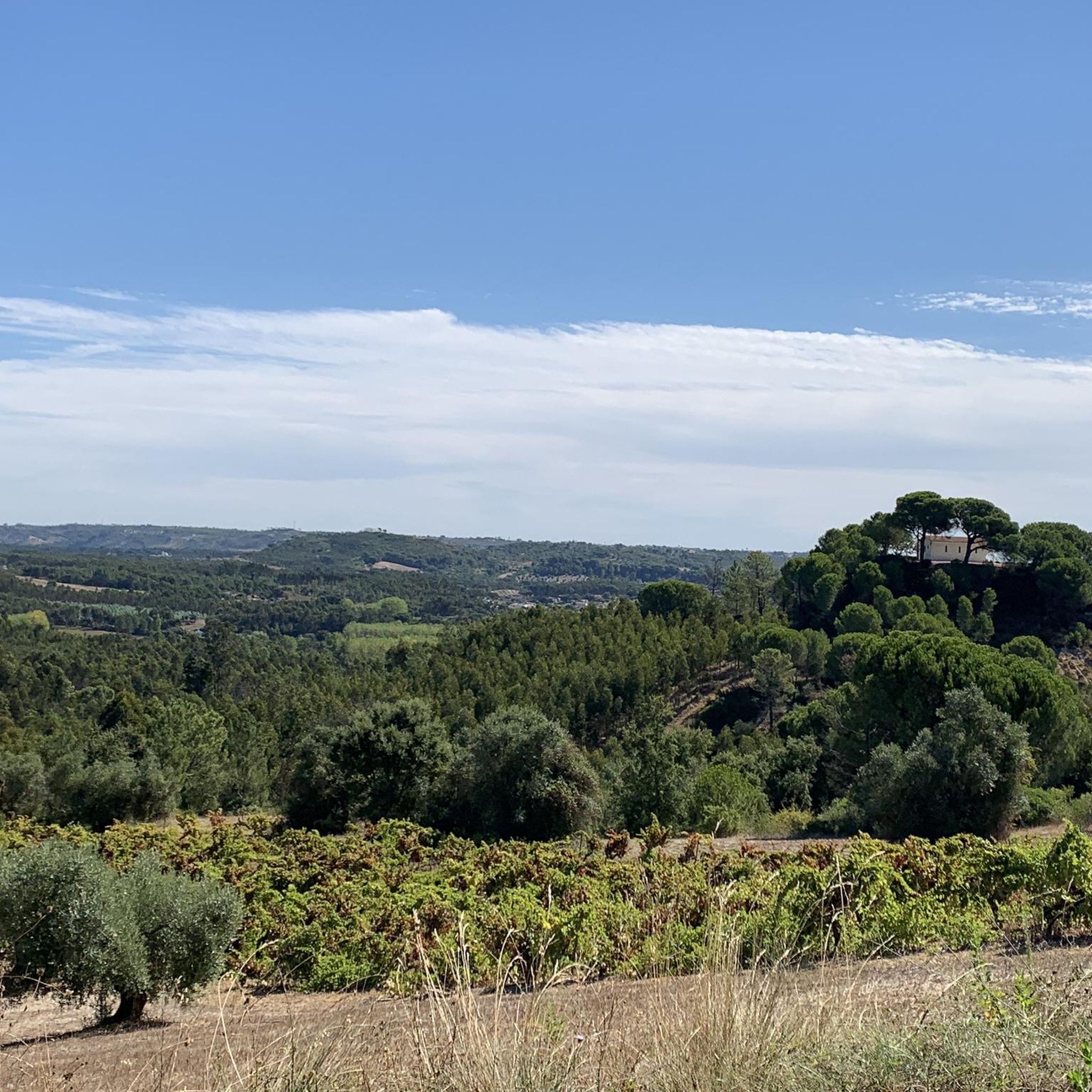
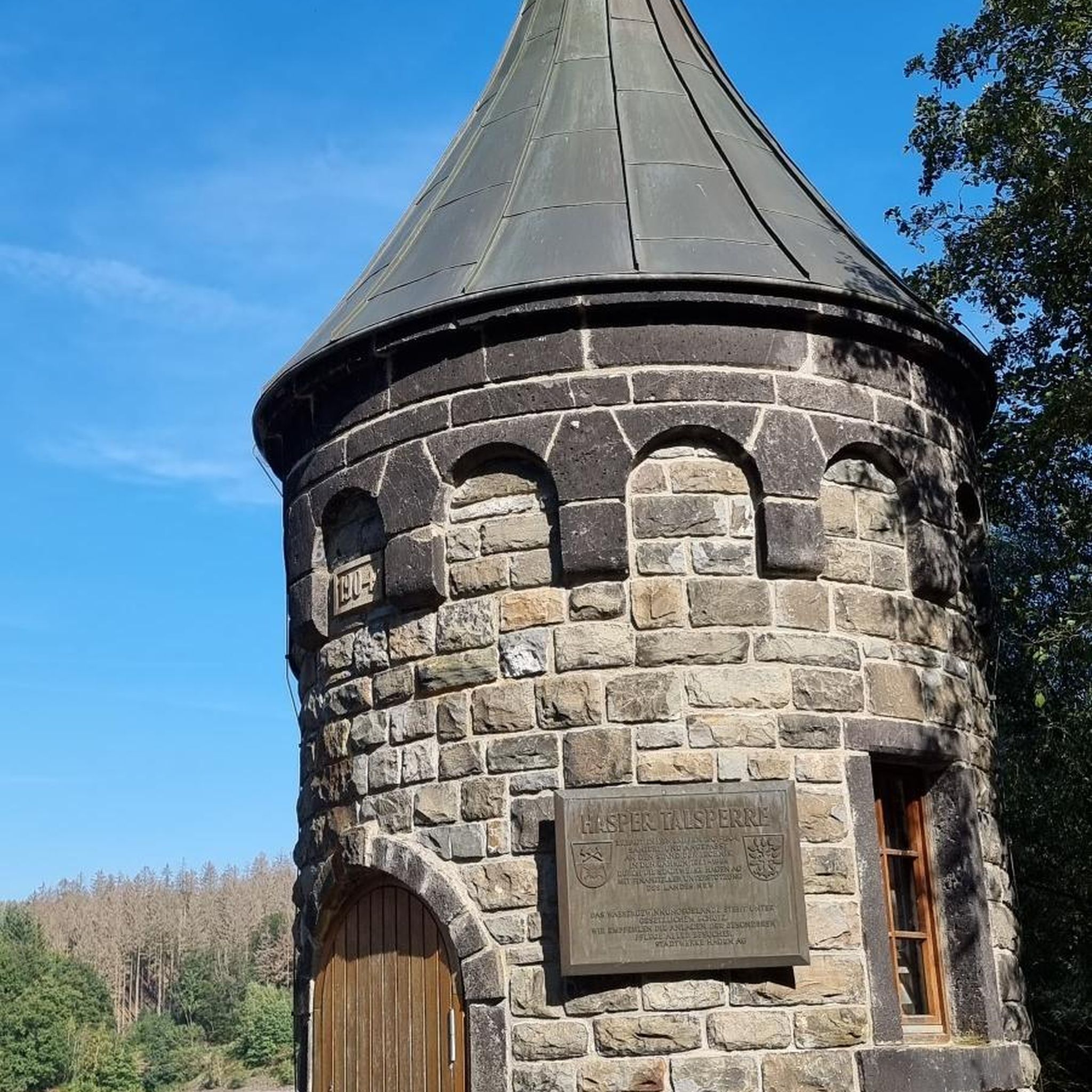
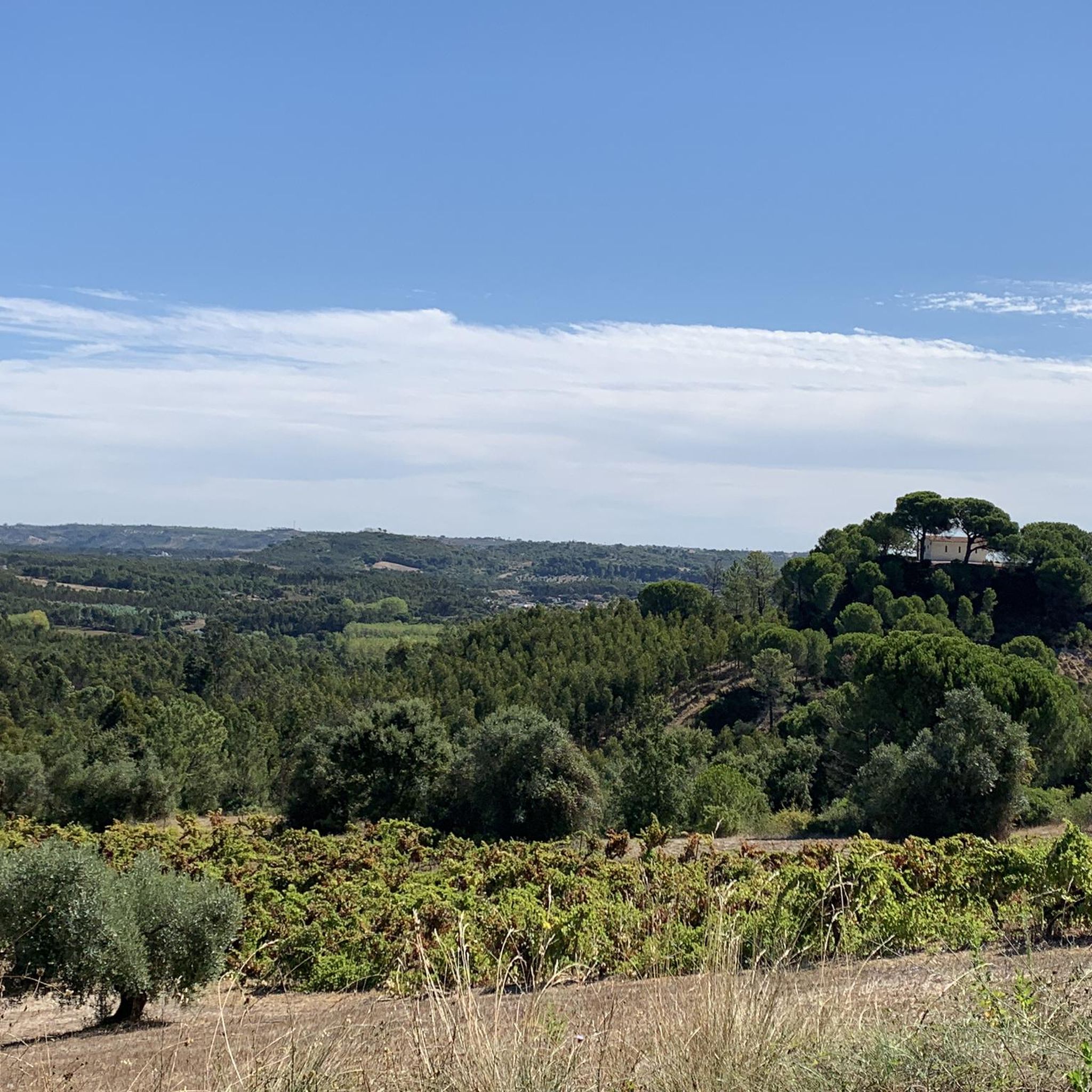
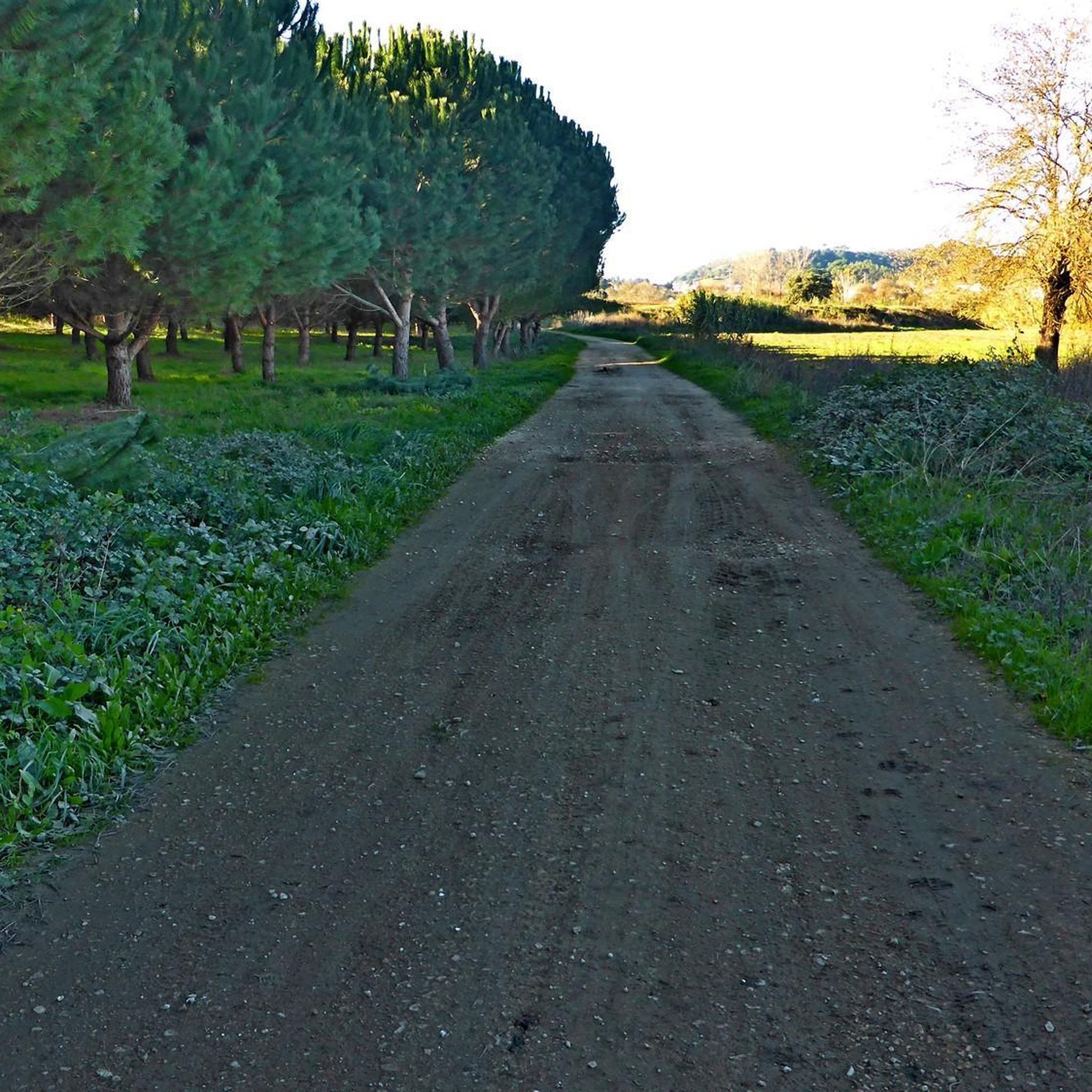
Tips from the Community

Salt is extracted from shallow, concrete or stone pans of varying sizes, where saltwater drawn from a well is conveyed through ditches. Currently, the water is pumped by a motor and distributed according to a system that is generally accepted and respected (not always) by all the owners. Drainpipes, threshing floors, and wooden salt storage houses complete the complex known as the Rio Maior Salt Pans. According to technicians, a large and deep rock salt mine, traversed by an underground stream that feeds a well, makes the extracted water salty, seven times saltier than seawater. The salt is obtained from its exposure to the sun and wind, and the resulting evaporation of the water. This salt is deposited at the bottom of the pans, which are then piled up in pyramid-shaped heaps to dry until harvest. The process is rudimentary and similar to that used in seaside salt mines. The only difference is the picturesque valley that surrounds them, the well, the unique style of the sailors (as the men who work in the salt mines are known), the wooden houses and the country air that you breathe.
0
0

Just three kilometres from Rio Maior, on the southern tip of the Serra dos Candeeiros, lie the only inland salt pans in Portugal, and the only ones still active in the whole of Europe. Surrounded by vineyards and cultivated fields, they are a true wonder of nature, as the sea is 30 kilometres away. Their history dates back to at least 1177, but it is said that rock salt has been mined since prehistoric times. The water, seven times saltier than that of the ocean, emerges from a well after passing through an underground deposit, leaving behind the pure vestige of an ancient sea.
1
0
The Rio Maior Salt Pans are located about 3 km from the city centre and are nestled in a valley at the foot of the Serra dos Candeeiros, in the heart of the Serras de Aire e Candeeiros Natural Park. Classified as a Property of Public Interest since December 1997, these are the only inland salt pans in Portugal, and the only ones in full operation in Europe. The first reference to their existence dates back to 1177, but it is thought that the use of rock salt was already being made in prehistoric times.
2
0

The Rio Maior Salt Pans are located about 3 km from the city center and nestled in a valley at the foot of the Serra dos Candeeiros, in the heart of the Serras de Aire e Candeeiros Natural Park. Classified as a Property of Public Interest since December 1997, these are the only inland salt pans in Portugal, and the only ones fully operational in Europe. The first reference to their existence dates back to 1177, but it is thought that rock salt mining has been practiced since prehistoric times. Surrounded by vineyards and farmland, they are considered a natural wonder, as the ocean is 30 km away. The salt is a vestige of the sea's presence in ancient times. The water, about seven times saltier than seawater, comes from a well after passing through a rock salt deposit. Visit the Salinas Tourist Office for information, maps, and guided tours. How to Get There: Latitude +39° 21' 52.57, Longitude -8° 56' 40.62
0
0

Frequently Asked Questions
How many hiking trails are available around Ribeira De São João?
There are 6 hiking trails documented around Ribeira De São João on komoot. These routes offer a mix of easy and moderate paths through rural landscapes, historical sites, and areas with water features.
Are there easy hiking trails suitable for beginners in Ribeira De São João?
Yes, Ribeira De São João offers 3 easy hiking trails perfect for beginners. An excellent option is the Cineteatro de Rio Maior – Salinas de Rio Maior loop from Rio Maior, an easy 4.6-mile (7.4 km) path that provides views of the Rio Maior salt pans and local cultural sites.
Can I find circular hiking routes in Ribeira De São João?
Many of the trails in Ribeira De São João are circular, allowing you to start and end at the same point. For example, the Parque do Rio – Roman Villa loop from Rio Maior is an easy 3.1-mile (5 km) circular route that takes you through a park and past historical sites.
What kind of attractions can I see along the hiking trails in Ribeira De São João?
Hiking trails in Ribeira De São João often pass by interesting historical and natural landmarks. You might encounter sites like the Rio Maior Salt Pans, old water mills, and rural landscapes. Some routes also lead near the Assentiz Roman Bridge or the Pina Manique Palace.
Are the hiking trails in Ribeira De São João suitable for families with children?
Yes, several trails are suitable for families. The region features gentle ascents and descents, and many routes are relatively short and easy. The Parque do Rio – Roman Villa loop from Rio Maior is a good example of an easy, family-friendly option.
Is it possible to hike with dogs on the trails around Ribeira De São João?
Generally, dogs are welcome on trails in rural areas like Ribeira De São João, especially if kept on a leash. It's always advisable to ensure your dog is well-behaved and to carry waste bags. Always respect local signage regarding pet access.
What is the best season for hiking in Ribeira De São João?
The best seasons for hiking in Ribeira De São João are typically spring and autumn. During these times, the weather is mild and pleasant, making for comfortable hiking conditions. Summers can be hot, while winters are generally mild but may bring more rain.
Are there any longer, more challenging routes for experienced hikers?
While most routes are easy to moderate, some offer a bit more length and elevation. The Salinas Rio Major – Salinas de Rio Maior loop from Rio Maior is a moderate 7.8-mile (12.5 km) trail with more elevation gain, providing a longer experience for those looking for it.
What do other hikers enjoy most about the trails in Ribeira De São João?
The trails in Ribeira De São João are highly rated by the komoot community, with an average score of 4.75 stars. Hikers often praise the peaceful rural scenery, the historical points of interest like the salt pans and old mills, and the well-maintained paths that are accessible to various fitness levels.
Are there options for public transport to reach the hiking trailheads?
Ribeira De São João is a rural area, so public transport options directly to trailheads might be limited. It's often best to check local bus schedules for connections to Rio Maior, from where many trails begin. Planning your journey in advance is recommended.
Where can I park when visiting the hiking trails in Ribeira De São João?
Many of the trails start from or near Rio Maior, where you can typically find public parking areas. For specific trailheads, look for designated parking spaces or consider parking in nearby villages, ensuring you do not obstruct local access or private property.
What should I wear for hiking in Ribeira De São João?
Given the varied terrain and potential for sun exposure, it's advisable to wear comfortable, layered clothing suitable for walking. Sturdy hiking shoes are recommended, especially on paths that might be uneven. Don't forget sun protection, a hat, and plenty of water, especially during warmer months.
Most popular routes around Ribeira De São João
Most popular attractions around Ribeira De São João

Get inspired with the komoot mobile app


Explore more
Browse the best Hikes in other regions.
