The best running trails around Vila e Vila e Vila e Roussas
51
runners
9
runs
Jogging around Vila e Roussas, Portugal, offers routes through a landscape characterized by river valleys, rolling hills, and natural features. The region's terrain includes varied elevations, with some routes featuring significant climbs and descents. Trails often traverse natural areas, providing opportunities to experience the local environment. This area provides a mix of moderate and challenging running trails for different fitness levels.
Best jogging routes around Vila e Roussas
- The most popular jogging route is Running loop from Melgaço, a…
Last updated: June 28, 2026
14
runners
71.1km
09:02
2,230m
2,230m
Hard run. Very good fitness required. Mostly accessible paths. Some sure footedness required.
13
runners
Hard run. Very good fitness required. Mostly accessible paths. Some sure footedness required.

Sign up for free
5
runners
9.35km
01:04
180m
170m
Moderate run. Good fitness required. Mostly paved surfaces. Suitable for all skill levels.
4
runners
17.4km
02:19
570m
570m
Hard run. Very good fitness required. Mostly paved surfaces. Suitable for all skill levels.
3
runners
8.62km
01:04
270m
280m
Moderate run. Good fitness required. Mostly paved surfaces. Suitable for all skill levels.
Get access to more routes and recommendations from other explorers.
Sign up for free
Already have an account?
Our route recommendations are based on thousands of hikes, rides, and runs completed by other people on komoot.
Start today with a free account
Your next adventure awaits.
Login or Signup
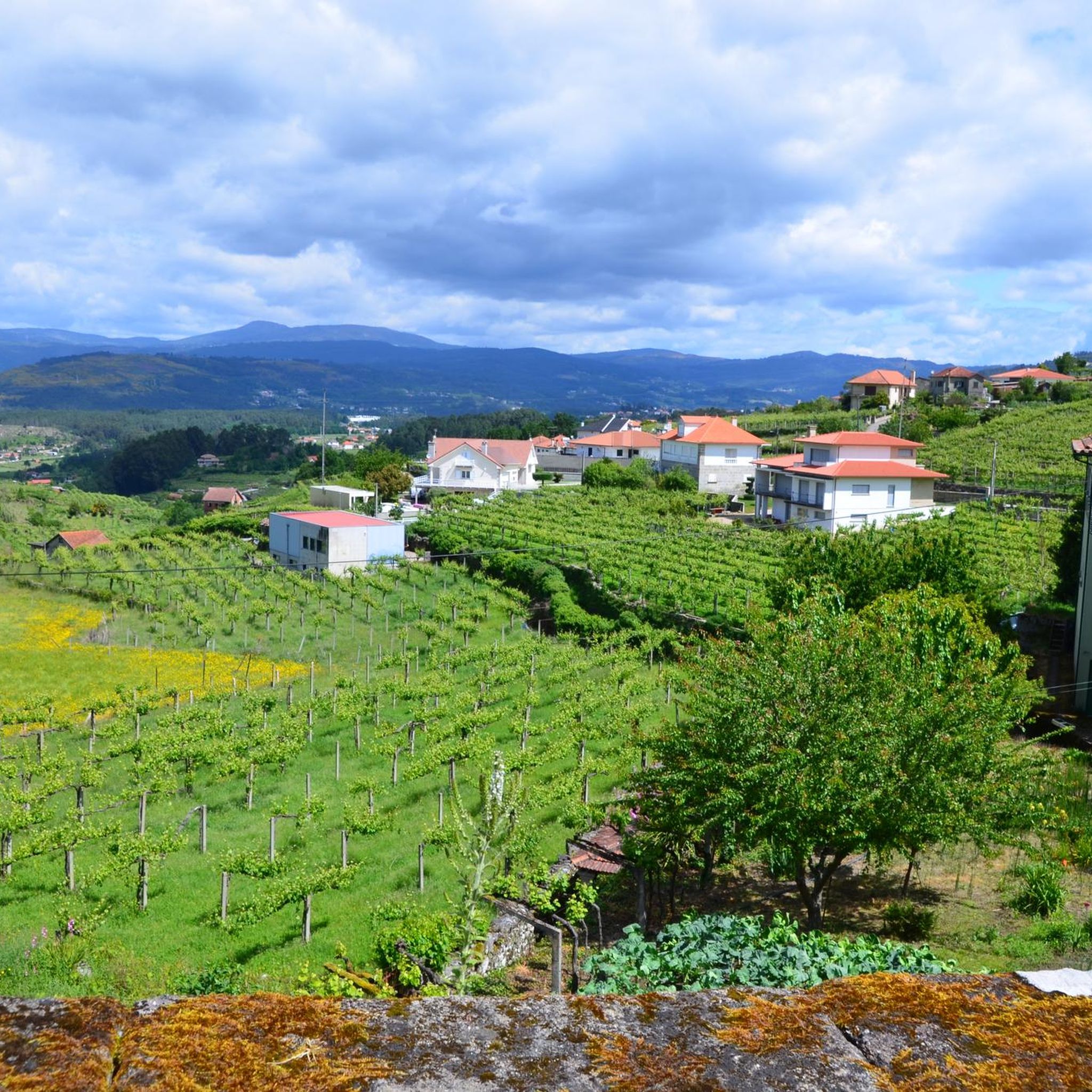
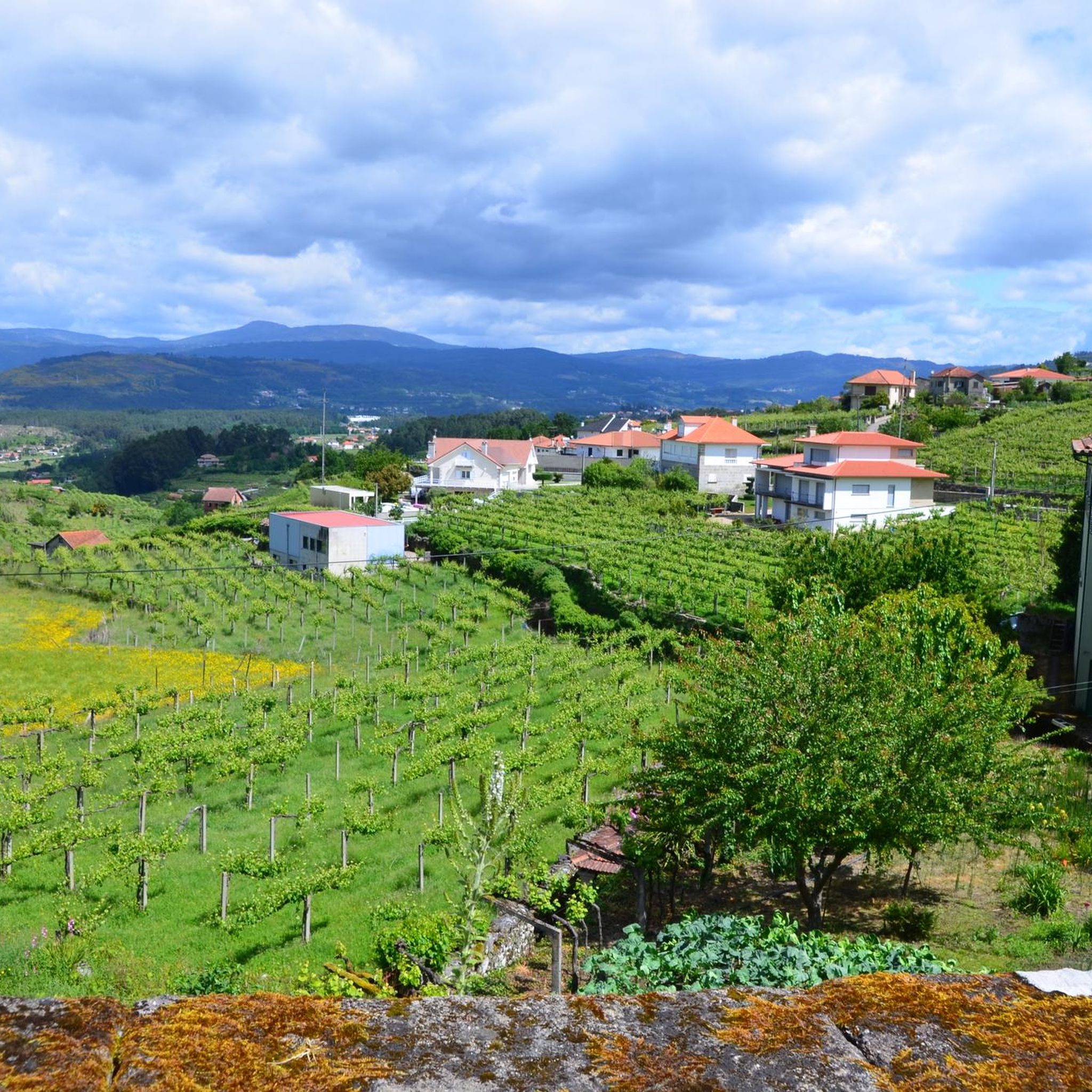
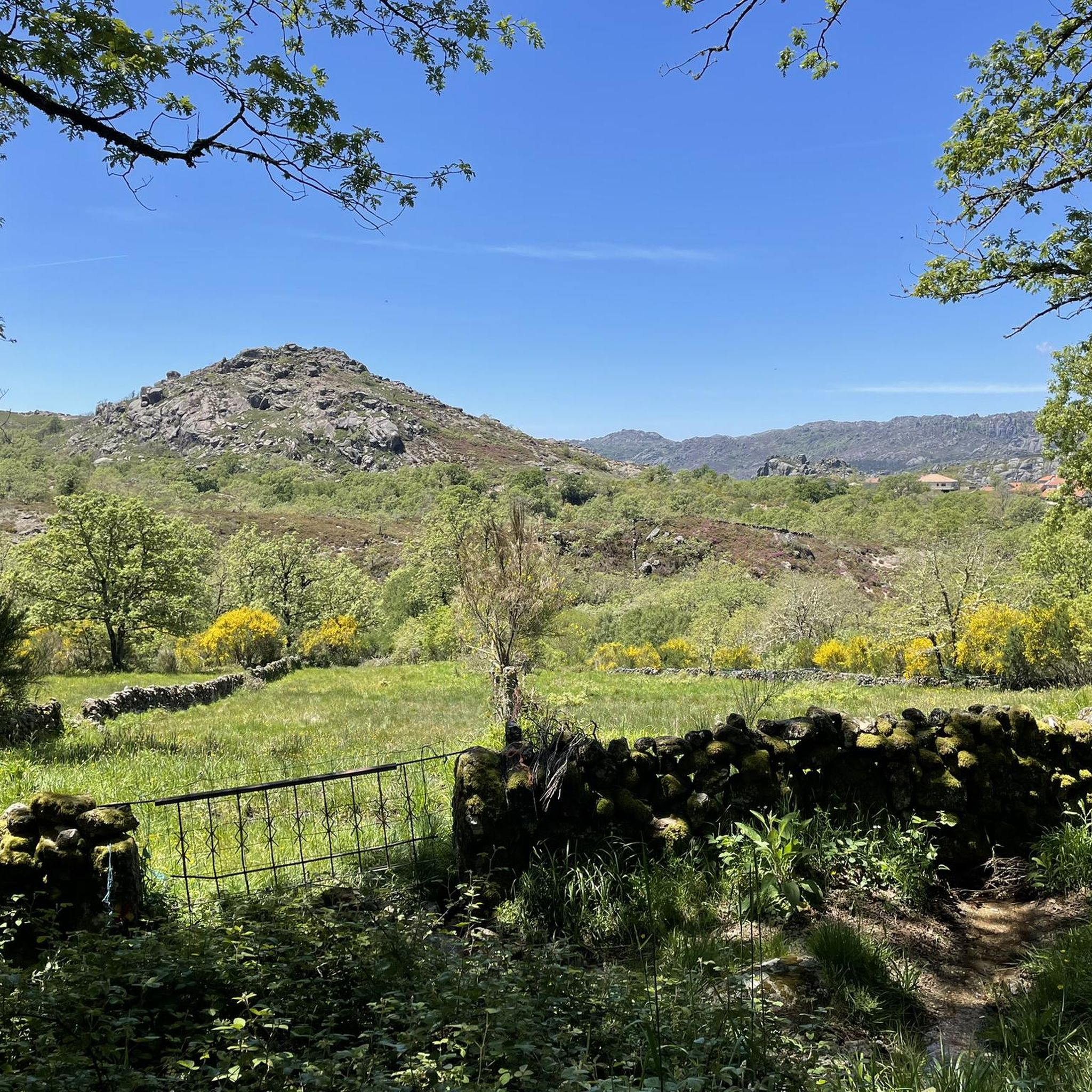
Tips from the Community

The Ponte Velha de Castro Laboreiro is one of the most emblematic historical bridges in Peneda-Gerês National Park, located in the municipality of Melgaço. Of medieval origin, it was probably built between the 13th and 14th centuries. Style: Romanesque architecture, with a semicircular arch and granite stonework. Function: It formed part of the ancient road that connected Galicia with northern Portugal, facilitating the crossing of the Laboreiro River.
1
0

This ancient stone bridge crosses the Ribeira da Varziela near the village of Varziela. Built with large granite blocks and a simple arch, it is a fine example of traditional mountain architecture.
0
0
Bico do Patelo, literally "Patelo’s Beak," is a striking granite rock formation in Peneda-Gerês National Park. Its bold shape rises above the surrounding hills, catching the eye from different points along the PR3 Castrejo trail. As you approach, the unusual form makes it a natural landmark and one of the memorable sights of the hike.
0
0

The Ponte Velha de Castro Laboreiro is a medieval-style bridge over the Laboreiro River, bordering the Peneda-Geres National Park. The exact date of construction of the Old Bridge is unknown, but it is likely to have been between the 15th and 16th centuries. Also known as the Ponte dos Mouros (Old Bridge), the bridge served as a crossing over the deep waterfalls of the Laboreiro River, across to the mills located on the left bank, as well as an old access road to Castro Laboreiro Castle. The bridge is approximately 5 meters long and rises approximately 5 meters above the river without any side walls.
1
0

The trail here is rocky and at times not easy to cycle, but you're immersed in greenery amidst the sounds, colors, and scents of nature.
1
0

Nice walk but certainly not easy and not flat. Lots of scrambling and climbing First part was a lot of climbing but doable. Descent after the castle was sometimes difficult (By the way, it was on a Saturday afternoon and very quiet)
0
1

Varziela is a typical village in the region, where the stone houses defy time and preserve the authenticity of the past. Among the various historic bridges that still stand, the Varziela Bridge stands out as the one that most clearly shows traces of medieval architecture. However, some argue that this bridge is actually a medieval reinterpretation of an older Roman structure, as was the case with other bridges in the region.
2
0
Among the low scrubland, oak groves and winding streams, the imposing granite outcrops that define this mountain landscape stand out. Sculpted by time, wind and water, they form escarpments and rocks of improbable balance, such as the Bico do Patelo, an immense rock that seems to defy gravity. In this wild landscape, the mountain goat reigns supreme, agile and imposing, running along the cliffs as if they were trails traced just for it.
1
0
Frequently Asked Questions
How many running routes are available in the Vila e Roussas area?
There are 7 dedicated running routes around Vila e Roussas, offering a variety of experiences for different fitness levels.
What kind of terrain can I expect on the running trails in Vila e Roussas?
The terrain in Vila e Roussas is characterized by river valleys and rolling hills. You can expect varied elevations, with some routes featuring significant climbs and descents, while others offer more moderate gradients. Trails often traverse natural areas, providing a diverse running environment.
Are there any circular running routes in Vila e Roussas?
Yes, several routes are designed as loops. For example, the Running loop from Melgaço is a popular moderate option, and the Running loop from Peso also offers a circular path through varied terrain.
Can I find running routes that feature waterfalls in this region?
Absolutely. The difficult Ponte da Cava da Velha – Laboreiro River Waterfalls loop from Castro Laboreiro is an excellent choice, as it specifically passes by the beautiful Laboreiro River Waterfalls.
What are some longer, more challenging running routes in Vila e Roussas?
For a significant challenge, consider the Castro Laboreiro – Miradouro do Castelo loop from Arbo. This difficult route spans over 69 km with substantial elevation changes, making it suitable for experienced runners.
Are there any family-friendly running trails in the area?
While many routes involve varied terrain, the moderate Charco de Gontamil loop from Castro Laboreiro, at just over 8.6 km, could be a suitable option for families looking for a manageable distance with some elevation.
What landmarks or points of interest can I see along the running routes?
The region offers several interesting sights. You might encounter historical sites like the Castro Laboreiro Castle or the Old Bridge of Castro Laboreiro. Natural features such as Bico do Patelo are also present, offering scenic views.
Where can I park when accessing the running trails in Vila e Roussas?
Parking availability varies by trailhead. For routes starting near towns like Melgaço or Castro Laboreiro, you can typically find public parking areas within the town centers or designated spots near popular trail access points. It's advisable to check local signage upon arrival.
Is public transport available to reach the trailheads?
Public transport options to specific trailheads in rural areas like Vila e Roussas can be limited. Major towns like Melgaço may have bus services, but reaching more remote starting points often requires a car. Planning ahead is recommended.
What is the best time of year to go running in Vila e Roussas?
The spring (April-June) and autumn (September-October) months generally offer the most pleasant weather for running in Vila e Roussas, with milder temperatures and less rainfall. Summers can be hot, especially in July and August, while winters are cooler and wetter.
What do other runners enjoy most about the trails in Vila e Roussas?
Runners frequently praise the diverse natural landscapes, including river paths and moderate hills. The variety of routes, from moderate loops to more challenging trails with significant elevation gain, is also highly appreciated by the komoot community.
Most popular attractions around Vila e Vila e Vila e Roussas

Get inspired with the komoot mobile app


Explore more
Browse the best Running Trails & Routes in other regions.
