Top 9 Castles around Garbsen
Castles around Garbsen, a town with historical roots dating back to 1223, are primarily found in the surrounding Hanover Region within Lower Saxony. This area is characterized by a blend of historical architecture and natural landscapes. While Garbsen itself does not host prominent historical castles, its proximity to Hanover offers access to several significant historical estates. The region provides opportunities to explore historical sites and cultural attractions.
Best castles around Garbsen
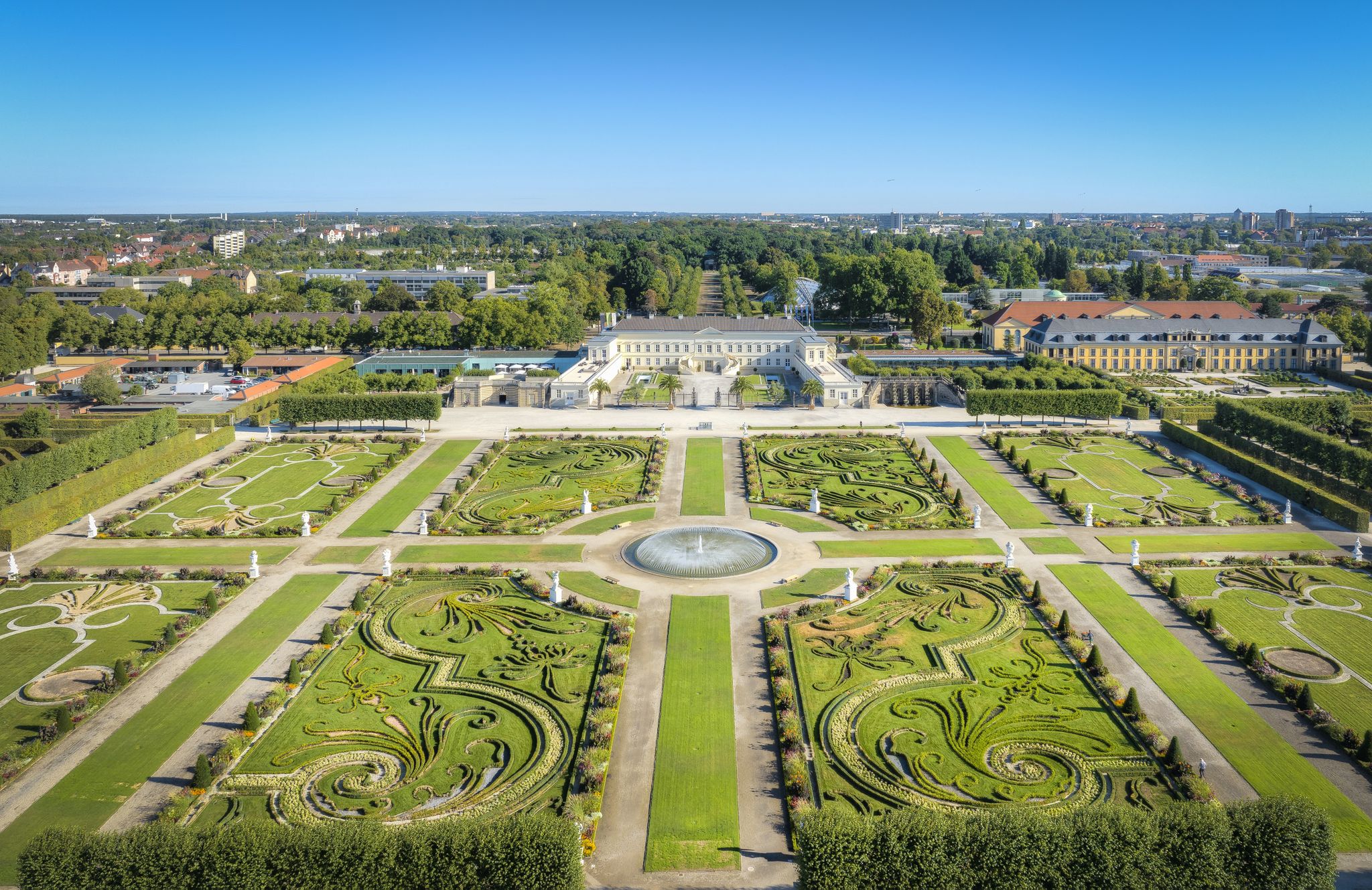
- The most popular castles is Herrenhausen Palace, a…
Last updated: August 16, 2026
Herrenhausen Palace
Highlight • Castle
Translated by Google •
Tip by

Welfenschloss — Main building of Leibniz University Hannover
Highlight • Castle
Translated by Google •
Tip by

Sign up now to discover places like this
Get recommendations on the best single tracks, peaks, & plenty of other exciting outdoor places.
Sign up for free
Leineschloss
Highlight • Castle
Translated by Google •
Tip by

Landestrost Castle
Highlight • Castle
Translated by Google •
Tip by
Niki de Saint Phalle's Grotto (Herrenhausen Gardens)
Highlight • Cave
Translated by Google •
Tip by

Sign up for free to discover even more castles around Garbsen.
Sign up for free
Already have an account?
Start today with a free account
Your next adventure awaits.
Login or Signup



Tips from the Community

The castle is currently being renovated and is therefore closed.
1
0
The grotto was reinstalled by the artist Niki de Saint Phalle. A fascinating discovery of her art, which she unfortunately never saw completed.
2
0

During the plenary sessions, you can observe parliamentary work from the visitors' gallery. During a guided tour or an open evening for visitors, you have the opportunity to take a detailed look behind the scenes of your state parliament. Very special formats are offered for children and young people. Some visits can also be booked in English.
9
0

Landestrost Castle was built between 1573 and 1584 by Duke Erich II of Brunswick-Lüneburg as a representative residential building in the Weser Renaissance style. The castle is one of the most beautiful buildings in this style. In the historic official garden at the castle, you can see the remains of a baroque garden, the 250-year-old hornbeam hedge, also known as the green vault, and a well-preserved fortress wall/bastion.
2
0

The beautiful Leineschloss building now houses the Lower Saxony state parliament. An absolute eye-catcher!
0
0

Don't forget. Definitely go in. We almost ran past.
1
1

The Guelph Castle is a former castle in Hanover in the Nordstadt district, which has been the seat of the Technical University of Hanover, today Gottfried Wilhelm Leibniz University of Hanover, since 1879.
5
0

If Hanover, then also Herrenhausen Gardens, and then of course this, quite unique grotto.
4
0
Frequently Asked Questions
Which castles and historical sites are most recommended to visit near Garbsen?
While Garbsen itself doesn't host prominent historical castles, the surrounding Hanover Region offers several significant sites. Highly recommended are Herrenhausen Palace, known for its magnificent Baroque gardens, and the impressive Gothic Revival Landestrost Castle. You can also visit the Leineschloss, which houses the Lower Saxony state parliament, and the historic Welfenschloss, now part of Leibniz University Hannover.
Are there any family-friendly castles or historical sites around Garbsen?
Yes, several sites are suitable for families. Herrenhausen Palace with its extensive gardens offers plenty of space for children to explore. Landestrost Castle, Leineschloss, and Welfenschloss are also listed as family-friendly, providing historical insights in an engaging environment.
What kind of historical significance do these castles hold?
The castles near Garbsen offer a rich tapestry of history. Marienburg Castle, for instance, is a 19th-century fairy-tale castle built as a royal summer residence. Herrenhausen Palace showcases magnificent Baroque garden art from the 17th century. Landestrost Castle is a Weser Renaissance fortress with a history dating back to the Middle Ages, serving as a ducal residence and later as an administrative seat. The Leineschloss was a residence for the Kings of Hanover, and the Welfenschloss, a former Guelph castle, now serves as a prominent university building.
Can I find hiking or walking routes near the castles around Garbsen?
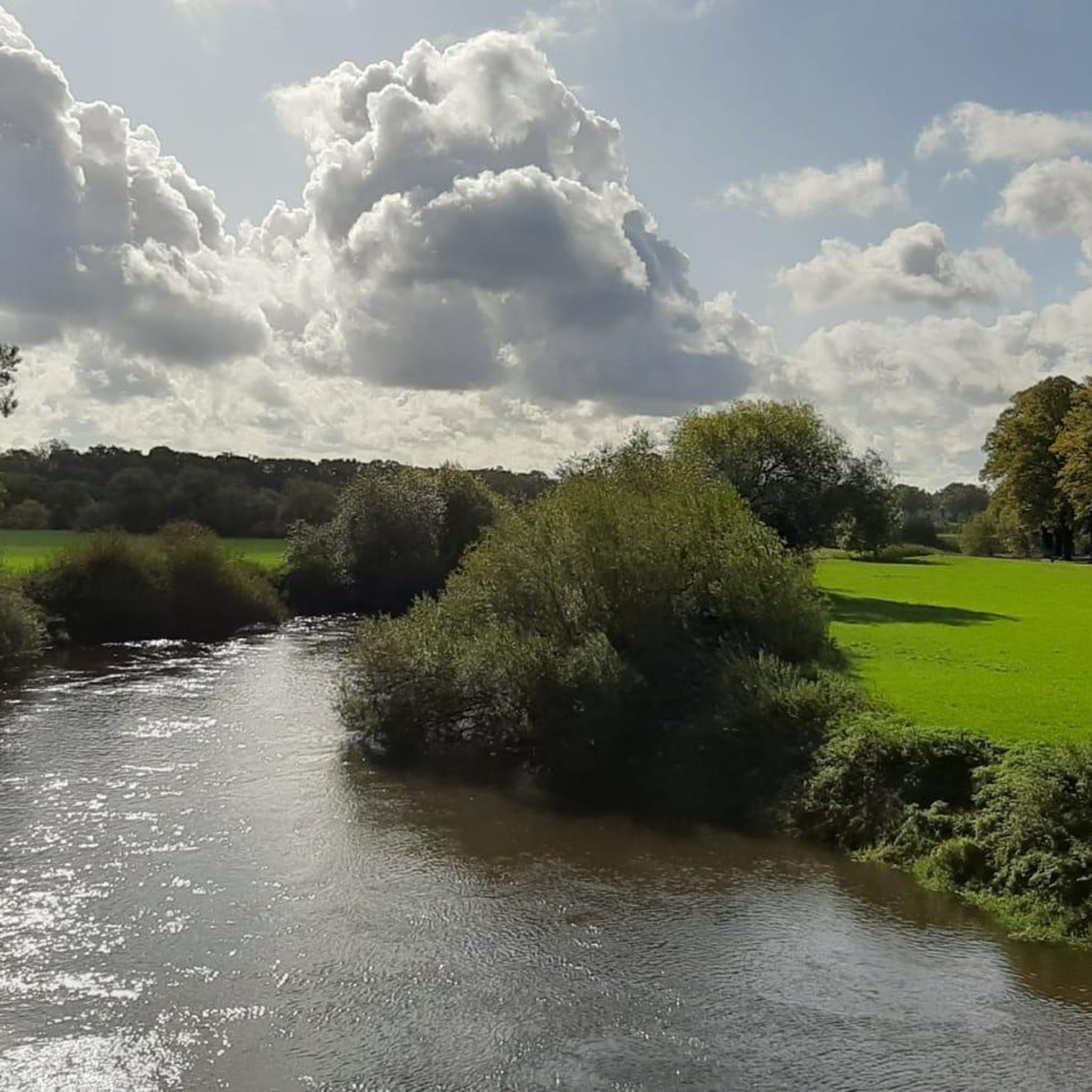
Yes, the region around Garbsen offers various outdoor activities. You can find several hiking and walking routes that might pass by or are close to historical sites. For example, there are easy hikes around Garbsen, including routes like the 'Leine Bridge Lohnde – Bench with a View of Lohnde loop' or the 'Leine Riverbank Erosion – Garbsener Schweiz loop'. For more options, explore the Hiking around Garbsen guide.
What is the best season to visit the castles near Garbsen?
The best season to visit depends on your preferences. Spring and summer (April to September) are ideal for enjoying the magnificent gardens of Herrenhausen Palace and exploring castle grounds in pleasant weather. Autumn offers beautiful foliage, while winter visits can provide a unique, quieter experience, especially for indoor tours, though some outdoor areas or specific attractions might have reduced hours.
Are there entry fees for the castles near Garbsen?
Yes, most major castles and palaces, such as Marienburg Castle and Herrenhausen Palace (specifically the Great Garden), typically have entry fees for tours or access to certain areas. Sites like the Leineschloss (state parliament) or the Welfenschloss (university) might have public access to exteriors or specific sections without a fee, but guided tours could incur costs. It's advisable to check the official websites for current pricing and opening hours before your visit.
How accessible are these castles by public transport?
Many of the castles and historical sites in the Hanover Region are well-connected by public transport. For example, sites within Hanover like the Leineschloss, Welfenschloss, and Herrenhausen Palace are easily reachable via Hanover's tram and bus network. Marienburg Castle, being a bit further out, might require a combination of train and bus or a longer bus ride. Planning your journey with local public transport apps is recommended.
Are there options for gravel biking near the castles?
Yes, the area around Garbsen offers opportunities for gravel biking. You can find routes like the 'Mittellandkanal Path – Lohnde Leine Bridge loop' or a 'Gravel loop from Garbsen'. These routes often pass through varied landscapes that might include areas near historical sites or natural parks. For detailed routes, refer to the Gravel biking around Garbsen guide.
What do visitors particularly enjoy about the castles and historical sites in this region?
Visitors frequently praise the architectural beauty and historical depth of the sites. The magnificent Baroque gardens of Herrenhausen Palace are a highlight, often described as a 'beautiful castle complex with a large garden that is worth a visit'. The unique blend of historical architecture with modern uses, such as the Welfenschloss serving as a university, also fascinates many. The well-preserved interiors and the glimpse into aristocratic life at places like Marienburg Castle are also highly appreciated.
Are there any lesser-known or 'hidden' historical sites worth exploring?
While not a traditional castle, the Beginenturm and City Wall in Hanover is a significant historical site. Built in 1357, it's the oldest preserved building in the state capital and was once part of the city's defensive structures. It offers a unique historical perspective and has served various purposes over the centuries, now functioning as an exhibition space.
Can I visit the castles with my dog?
Dog policies vary significantly between historical sites. Generally, dogs are often allowed in outdoor park areas or on leashes in certain parts of castle grounds, but usually not inside the buildings themselves (e.g., museums, royal chambers). For specific castles like Marienburg or Herrenhausen Palace, it's best to check their official websites for their current pet policies before planning your visit.
Most popular routes around Garbsen
Most popular attractions around Garbsen

Get inspired with the komoot mobile app


Explore more
Looking for the best castles somewhere else? Discover other guides around Garbsen:
