The best road cycling routes around Lavradas
4.8
(8)
470
riders
23
rides
Road cycling around Lavradas is characterized by its varied terrain, encompassing river valleys, historical sites, and significant elevation changes. The region features routes that traverse the Vez River and connect to landmarks such as Ponte da Barca Bridge and Brejoeira Palace. Road cyclists can expect a landscape defined by rolling hills and more challenging climbs, with routes often passing through traditional villages and natural park entrances.
Best road cycling routes around Lavradas
- The most popular road cycling route is Ponte…
Last updated: October 20, 2026
44
riders
Hard road ride. Very good fitness required. Mostly well-paved surfaces and easy to ride.
35
riders
67.5km
03:03
680m
680m
Moderate road ride. Good fitness required. Mostly well-paved surfaces and easy to ride.

4.0
(2)
31
riders
Hard road ride. Very good fitness required. Mostly well-paved surfaces and easy to ride.
5.0
(1)
14
riders
69.5km
03:50
1,380m
1,380m
Hard road ride. Very good fitness required. Mostly well-paved surfaces and easy to ride.
5.0
(2)
15
riders
56.0km
03:04
990m
990m
Hard road ride. Very good fitness required. Mostly well-paved surfaces and easy to ride.
Get access to more routes and recommendations from other explorers.
Already have an account?
Our route recommendations are based on thousands of hikes, rides, and runs completed by other people on komoot.
Start today with a free account
Your next adventure awaits.
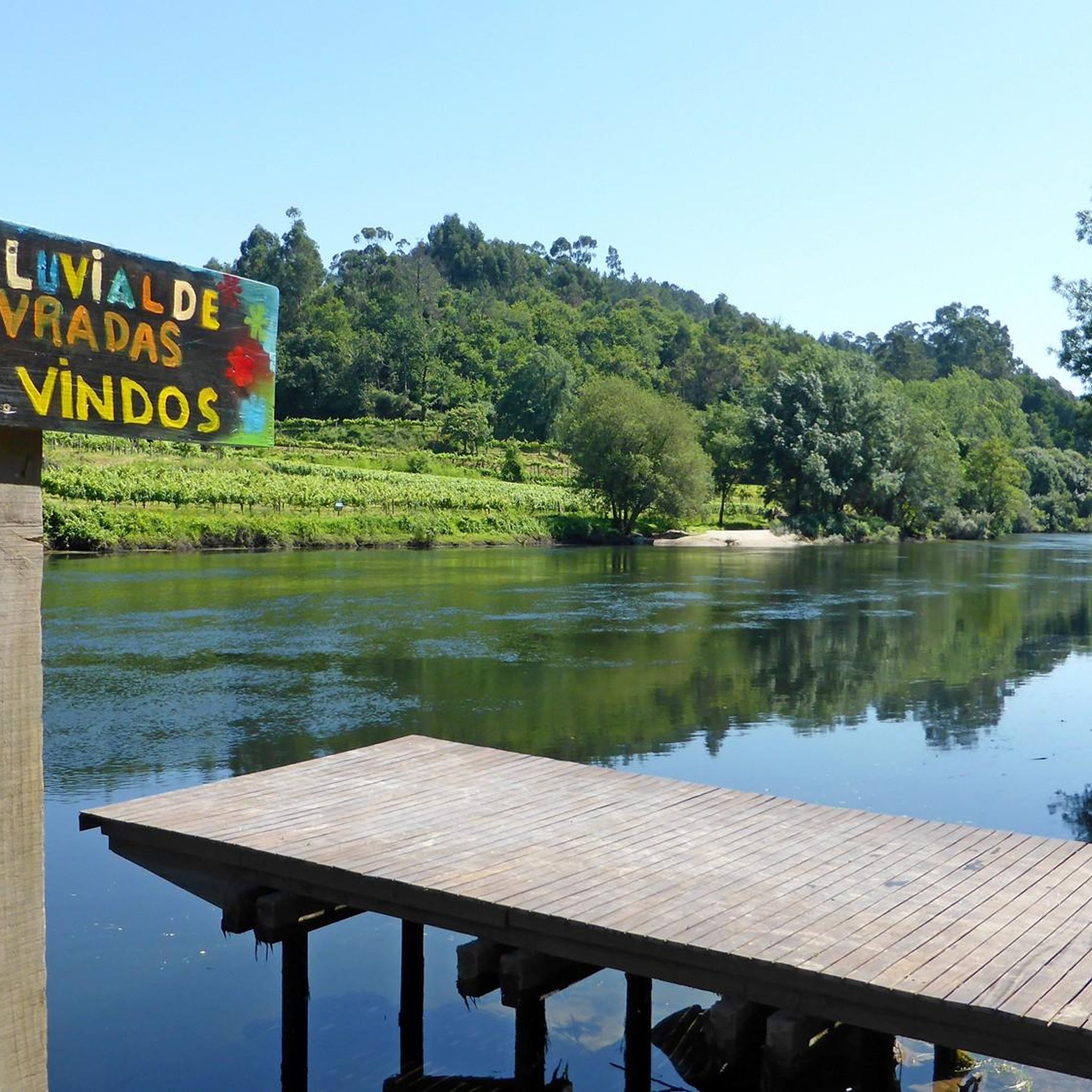
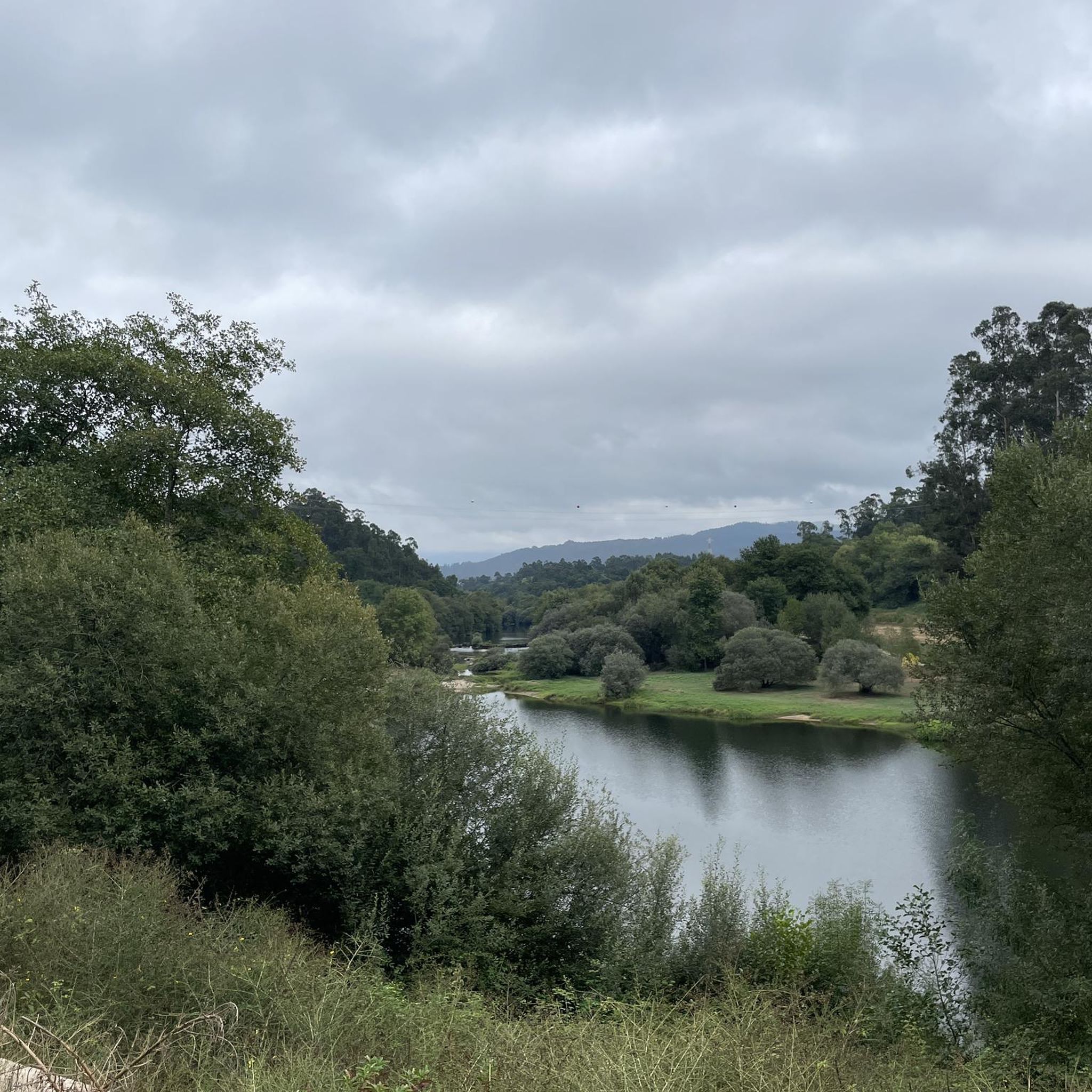

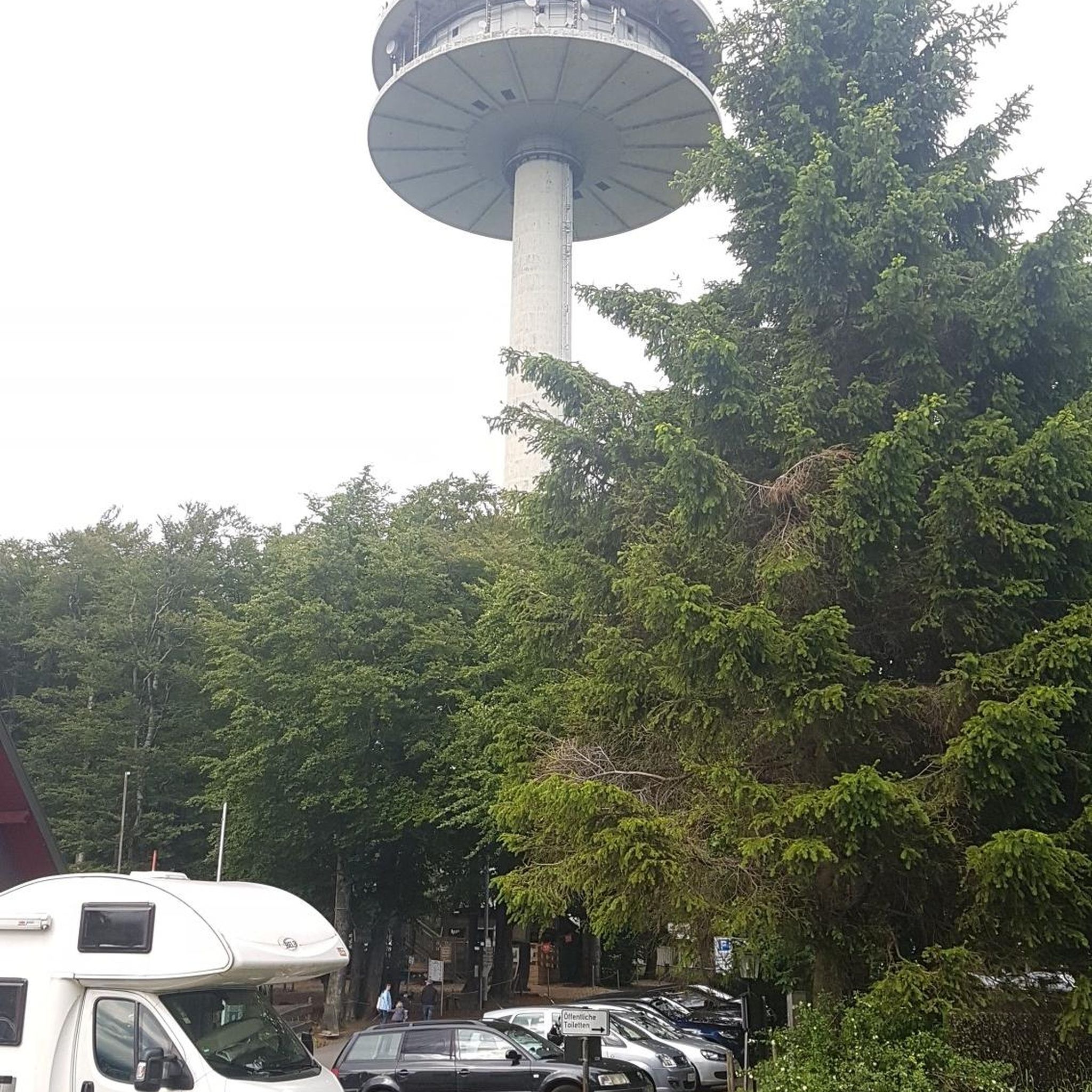
Tips from the Community

Easy ride condition when path is not impacted by rain
0
0

The Igreja Matriz de Ponte da Barca, dedicated to São João Baptista, is one of the most emblematic monuments in Alto Minho, classified as a National Monument since 1910. Its history is marked by reconstructions that transformed a 16th-century temple into a jewel of 18th-century baroque. Source: wikipedia
0
0
The pillory of Ponte da Barca, originally erected in Largo da Misericórdia after the granting of the "Foral Novo" in 1513 by D. Manuel I, the monument was later moved to its current location, in the Pombaline Market square, next to the Garden of the Poets. 👍🥾
0
0

A very interesting location with all the traditional granaries ("esquigueiros") clustered together on a large rock. The view from here is also very beautiful.
1
1

The Espigueiros of Soajo are one of the most iconic symbols of northern Portugal and the Peneda-Gerês National Park. They are traditional granaries built of stone and wood, designed to store corn and other grains. They are raised on pillars with "mouse stones" (circular slabs) to prevent rodents from entering. They are covered with gabled roofs and topped with crosses, reflecting the religious influence on rural life.
1
0

Historical Context Origin of the name: The town of Ponte de Lima, the oldest in Portugal, derives its name from the bridge that crosses it. Way of St. James: The bridge is an important crossing point on the Portuguese Way of St. James. Legend: The legend of the Lima River, which runs under the bridge, tells that the Romans believed it to be the river of forgetfulness, which would have given rise to the myth that people who crossed it would forget their past lives.
2
0
The bridge that gives the Lima Bridge its name is actually a combination of two structures: a Roman section, built in the 1st century, and a medieval section, expanded in the 14th century. It crosses the Lima River and is one of the town's most emblematic monuments. Characteristics of the bridge Roman section: The remaining Roman section consists of five arches, and its construction is linked to the military road that connected the cities of Braga and Astorga. Medieval section: The medieval portion of the bridge is larger and was built to connect to the Roman section, extending the structure over the river. Material: The bridge is built of granite, using the Roman technique of "quadratum" and "vittatum" masonry.
2
0
Frequently Asked Questions
What kind of terrain can I expect when road cycling around Lavradas?
Road cycling around Lavradas offers a diverse landscape, characterized by scenic river valleys, rolling hills, and significant elevation changes. Routes often traverse the Vez River and pass through traditional villages, providing a mix of natural beauty and cultural insights. You'll encounter both moderate and challenging climbs, making it an engaging region for road cyclists.
Are there road cycling routes suitable for beginners in Lavradas?
The road cycling routes around Lavradas are generally geared towards more experienced cyclists. The region features 7 moderate and 16 difficult routes, with no easy routes listed. Cyclists should be prepared for varied terrain and elevation gains.
What are some of the longer road cycling routes in Lavradas?
For those seeking longer rides, the Ponte da Barca Bridge – Brejoeira Palace loop from Ponte da Barca is a challenging option, covering 56.7 miles (91.2 km) with significant elevation. Another substantial route is the Vez River – Ponte da Barca Bridge loop from Ponte da Barca, which spans 70.2 km.
What historical landmarks or points of interest can I see along the road cycling routes?
Many routes in Lavradas pass by significant historical and cultural landmarks. You can cycle past the iconic Ponte da Barca Bridge and the impressive Brejoeira Palace. Other notable attractions in the area include the Roman Bridge of Ponte de Lima, the Old Jail Tower, and the Monument to the Legend of the River Lethes.
Are there any circular road cycling routes available in Lavradas?
Yes, many of the road cycling routes in Lavradas are designed as loops, allowing you to start and finish at the same point. Examples include the Ponte da Barca Bridge – Guia Park loop from Cuide de Vila Verde and the Porta do Mezio Entrance – Soajo Granaries loop from Ponte da Barca.
What are the best starting points for road cycling in Lavradas?
Popular starting points for road cycling in Lavradas often include Ponte da Barca and Cuide de Vila Verde. These locations provide access to various routes that explore the river valleys and surrounding historical areas.
What do other road cyclists enjoy most about the routes in Lavradas?
The road cycling routes in Lavradas are highly regarded by the komoot community, with an average score of 3.6 stars from over 9 reviews. Cyclists often praise the varied terrain, the historical landscapes, and the challenging climbs that make for a rewarding experience.
How many road cycling routes are there in the Lavradas region?
There are over 20 road cycling routes available around Lavradas, offering a wide range of options for exploring the region's diverse landscapes and historical sites.
Are there any routes that explore natural parks or protected areas?
Yes, some road cycling routes in Lavradas lead towards natural park entrances, such as the Porta do Mezio Entrance – Soajo Granaries loop from Ponte da Barca. These routes offer opportunities to experience the region's natural beauty and mountainous terrain.
What is the best season for road cycling in Lavradas?
While specific seasonal data isn't provided, the region's climate generally makes spring and autumn ideal for road cycling, offering pleasant temperatures and less extreme weather. Summers can be warm, especially in the valleys, while winters are typically milder but may bring more rain.
Can I find scenic viewpoints along the road cycling routes?
Given the varied terrain, including rolling hills and elevation gains, many routes naturally offer scenic viewpoints overlooking river valleys and traditional villages. The region's landscape is defined by its natural beauty, providing ample opportunities for picturesque vistas.
Are there any moderate difficulty road cycling routes in Lavradas?
Yes, there are several moderate difficulty road cycling routes. One popular option is the Ponte da Barca Bridge – Guia Park loop from Cuide de Vila Verde, which covers 40.9 miles (65.8 km) and winds through varied terrain including park areas.
Most popular routes around Lavradas
Most popular attractions around Lavradas

Get inspired with the komoot mobile app


Explore more
Browse the best Road cycling routes in other regions.
