Attractions and Places To See around Fojo Lobal - Top 20
Best attractions and places to see around Fojo Lobal, located within the municipality of Ponte de Lima, Portugal, offer a blend of natural beauty and historical significance. The region is defined by the Lima River, which features an extensive ecovia for outdoor activities. Visitors can explore a landscape rich in heritage, including ancient bridges and historical structures. This area provides diverse points of interest for those seeking both natural environments and cultural exploration.
Best attractions and places to see around…
Last updated: October 18, 2026
Roman Bridge of Ponte de Lima
Highlight • Bridge
Translated by Google •
Tip by

Ponte de Lima
Highlight • Settlement
Translated by Google •
Tip by

Sign up now to discover places like this
Get recommendations on the best single tracks, peaks, & plenty of other exciting outdoor places.
Cycle path to Ponte de Lima
Highlight (Segment) • Cycleway
Translated by Google •
Tip by

Ponte das Tábuas de Balugães
Highlight • Bridge
Translated by Google •
Tip by

Old Jail Tower
Highlight • Historical Site
Translated by Google •
Tip by

Sign up for free to discover even more attractions around Fojo Lobal.
Already have an account?
Start today with a free account
Your next adventure awaits.

Tips from the Community

Lovely, quiet path, easy to ride when not impacted by seasonal rains and river flooding. All part of the charm and sense of adventure
0
0

Home and Access The Ecovia has multiple access points, with the connection between the city of Viana do Castelo and the town of Arcos de Valdevez being the main route.
2
0
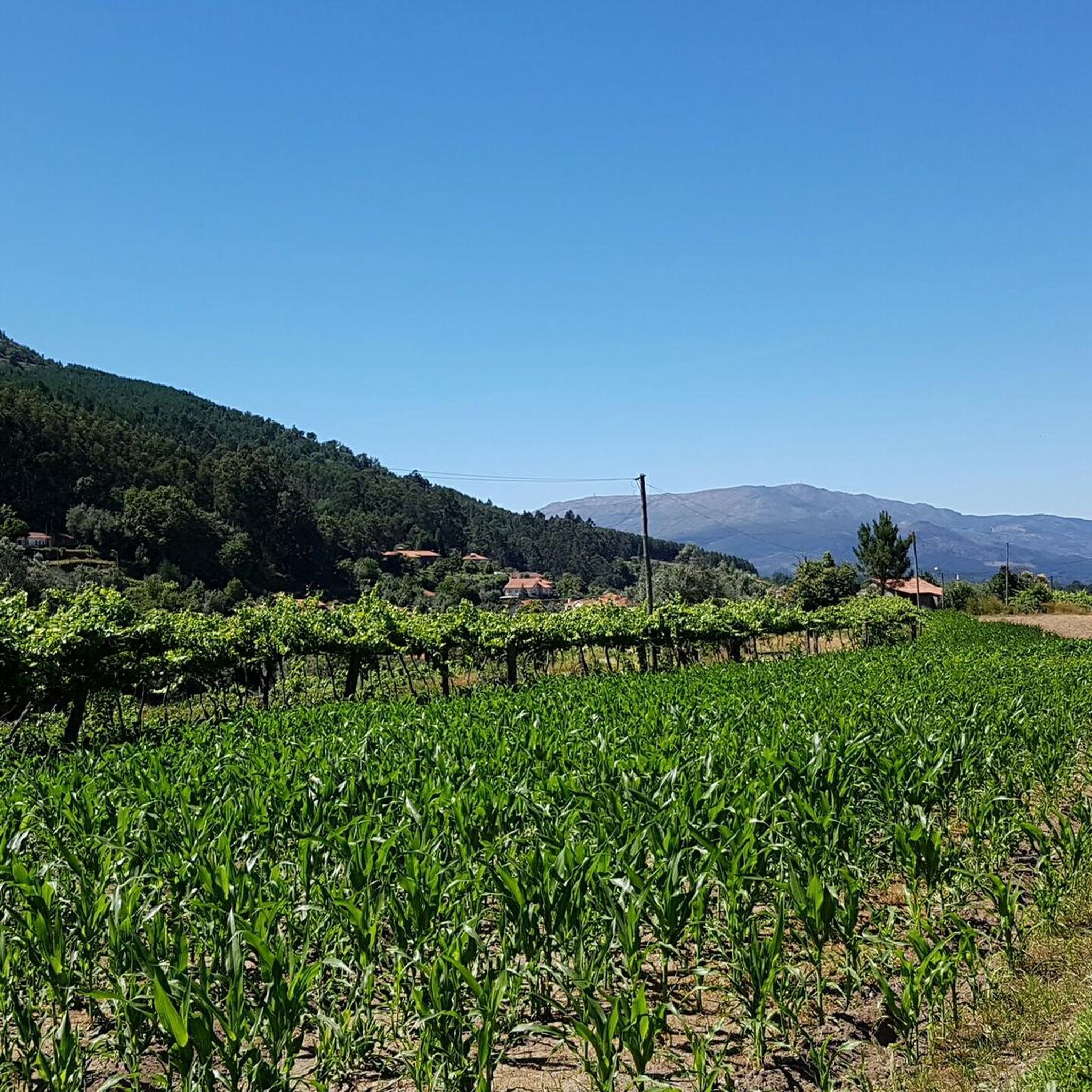
Points of Interest Along the Ecovia Panoramic Views: The route offers breathtaking views of the Lima River, the agricultural fields ("veigas") and the rural landscape of Minho. Cultural Heritage: Along the way, you can find several points of interest, such as the Chapel of São João Baptista, the Monastery of Bravães (National Monument), the Fonte Santa (with sulphurous water) and the seven watermills of Gemieira, powered by a spectacular waterfall. Recreational Areas: There are several recreational areas, picnic parks and river beaches on the banks of the river.
2
0
Route Characteristics Length: Approximately 70 km in total, divided into several sub-routes (such as the Veigas Route, the Açudes Route, and the Laranja/Refóios Route). Usage: Ideal for hiking, running, and cycling (mountain bikes are suitable due to the terrain). Motorized vehicles are prohibited. Road: Mainly packed earth and consolidated gravel, with some wooden walkways in specific areas. Difficulty: Generally easy to medium difficulty, due to the gentle slope. Accessibility: Some parts of the route have wheelchair-accessible entrances and parking.
2
0
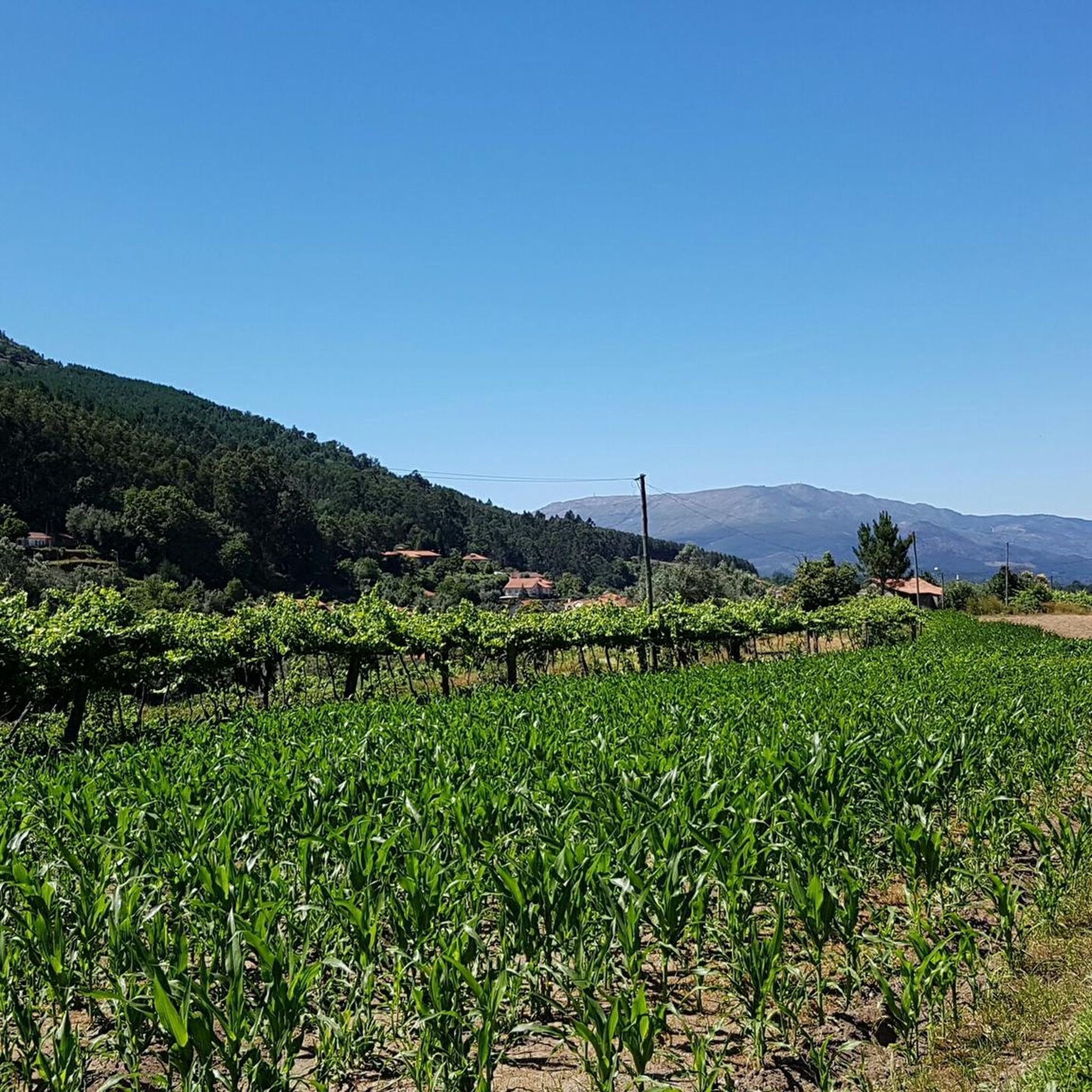
The Lima River Ecovia is an extensive pedestrian and cycling route that follows the banks of the Lima River in Alto Minho, Portugal. Stretching for approximately 70 kilometers, the ecovia crosses the municipalities of Viana do Castelo, Ponte de Lima, Ponte da Barca, and Arcos de Valdevez, offering scenic landscapes and a mostly flat route.
2
0
Historical Context Origin of the name: The town of Ponte de Lima, the oldest in Portugal, derives its name from the bridge that crosses it. Way of St. James: The bridge is an important crossing point on the Portuguese Way of St. James. Legend: The legend of the Lima River, which runs under the bridge, tells that the Romans believed it to be the river of forgetfulness, which would have given rise to the myth that people who crossed it would forget their past lives.
2
0
The bridge that gives the Lima Bridge its name is actually a combination of two structures: a Roman section, built in the 1st century, and a medieval section, expanded in the 14th century. It crosses the Lima River and is one of the town's most emblematic monuments. Characteristics of the bridge Roman section: The remaining Roman section consists of five arches, and its construction is linked to the military road that connected the cities of Braga and Astorga. Medieval section: The medieval portion of the bridge is larger and was built to connect to the Roman section, extending the structure over the river. Material: The bridge is built of granite, using the Roman technique of "quadratum" and "vittatum" masonry.
2
0
Frequently Asked Questions
What natural attractions can I explore around Fojo Lobal?
The region is rich in natural beauty, primarily centered around the Lima River. You can explore the extensive Cycle path to Ponte de Lima, also known as the Ecovia do Rio Lima, which offers scenic views of the river and rural landscapes. The Lima River itself provides recreational areas and river beaches. Another notable natural site is the Seven Watermills of Gemieira, powered by a spectacular waterfall, and Fonte Santa, known for its sulphurous water.
Are there opportunities for hiking and cycling near Fojo Lobal?
Yes, the Ecovia do Rio Lima is an excellent option for both hiking and cycling. This extensive route stretches approximately 70 kilometers along the Lima River, offering a mostly flat path ideal for various outdoor activities. For more specific routes, you can find numerous options for running, road cycling, and mountain biking around Fojo Lobal, catering to different difficulty levels.
What historical landmarks should I visit in the Fojo Lobal area?
The area boasts several significant historical landmarks. The iconic Roman Bridge of Ponte de Lima is a must-see, combining 1st-century Roman and 14th-century medieval sections. You can also visit the Old Jail Tower, a remnant of Ponte de Lima's 14th-century defensive wall. Another historical gem is the Ponte das Tábuas de Balugães, a discreet bridge dating back to at least the 12th century, with its current stone structure from the 16th century.
Are there any family-friendly attractions around Fojo Lobal?
Many attractions in the Fojo Lobal area are suitable for families. The Roman Bridge of Ponte de Lima and the Old Jail Tower are both classified as family-friendly historical sites. The Ecovia do Rio Lima (Cycle path to Ponte de Lima) offers easy to medium difficulty sections, with some parts accessible for wheelchairs, making it great for family walks or bike rides. The river beaches along the Lima and Neiva rivers also provide pleasant spots for families to relax.
Where can I find a quiet spot for relaxation or a picnic by the river?
The banks of the Lima River, particularly along the Ecovia do Rio Lima, offer numerous recreational areas and picnic parks. Near the Ponte das Tábuas de Balugães, there is a small river beach on the Neiva River, which is a tranquil spot popular with locals and travelers for swimming and relaxation.
What is the significance of the Roman Bridge of Ponte de Lima?
The Roman Bridge of Ponte de Lima is highly significant as an iconic landmark and a crucial crossing point on the Portuguese Way of St. James. It is unique for its dual construction, featuring a 1st-century Roman section and a larger medieval section expanded in the 14th century. Built of granite using Roman masonry techniques, it is the ex-libris of Ponte de Lima and gave the town its name.
Can I find any unique cultural sites in the villages near Fojo Lobal?
Yes, the region is dotted with unique cultural sites. The Igreja Paroquial de Cabaços, dedicated to Archangel São Miguel, is notable for its annual adornment in September with panels and baskets made of leaves, seeds, and dried fruits, coinciding with the harvest season. The Monastery of Bravães, classified as a National Monument, is another significant cultural heritage site worth exploring.
What kind of terrain can I expect on the Ecovia do Rio Lima?
The Ecovia do Rio Lima, also known as the Cycle path to Ponte de Lima, is mainly composed of packed earth and consolidated gravel. Some short sections may be a bit rocky or muddy, and there are occasional wooden walkways in specific areas. It offers an authentic natural environment, distinct from paved routes, and is generally of easy to medium difficulty due to its gentle slope.
What do pilgrims find interesting along the Portuguese Way of St. James in this region?
Pilgrims often find the Roman Bridge of Ponte de Lima to be a significant and beautiful landmark on their journey. Just before reaching Ponte de Lima, the Pilgrim Altar offers a poignant stop. This small altar, leaning against a tree, is adorned with messages, scallop shells, and other tokens from fellow pilgrims, providing a place for reflection and rest.
Are there any historical towers or defensive structures to see?
Yes, the Old Jail Tower is a prominent remnant of Ponte de Lima's old wall, built during the reign of Pedro I in the 14th century. This tower, along with the Tower of S. Paulo and the wall connecting them, is classified as a building of public interest and offers a glimpse into the town's medieval defensive system.
What are some lesser-known historical bridges in the area?
Beyond the famous Roman Bridge, the Ponte das Tábuas de Balugães is a discreet yet historically rich bridge spanning the Neiva River. Mentioned in documents as early as 1135, its current stone structure is believed to date back to the 16th century, offering a glimpse into the region's ancient infrastructure.

Get inspired with the komoot mobile app


Explore more
Still not found the Highlight you’re looking for? See guides of the top attractions in other regions:
