Attractions and Places To See around Navió - Top 17
Best attractions and places to see around Navió include a variety of historical sites, natural trails, and cultural landmarks. This region offers opportunities to explore the scenic landscapes along the Lima River and discover points of interest related to the Portuguese Way to Santiago. Visitors can find a mix of natural beauty and historical significance, making it a diverse area for outdoor activities and cultural exploration. The area features 17 hidden gems waiting to be explored.
Best attractions and places…
Last updated: October 5, 2026
Cycle path to Ponte de Lima
Highlight (Segment) • Cycleway
Translated by Google •
Tip by

Ponte das Tábuas de Balugães
Highlight • Bridge
Translated by Google •
Tip by

Sign up now to discover places like this
Get recommendations on the best single tracks, peaks, & plenty of other exciting outdoor places.
Pilgrim Altar
Highlight • Structure
Translated by Google •
Tip by
Casa da Recoleta Pilgrim's Hostel
Highlight • Rest Area
Reservations are not possible.
Translated by Google •
Tip by

Azulejo Shrine of Saint James the Greater
Highlight • Religious Site
Translated by Google •
Tip by
Sign up for free to discover even more attractions around Navió.
Already have an account?
Start today with a free account
Your next adventure awaits.

Tips from the Community

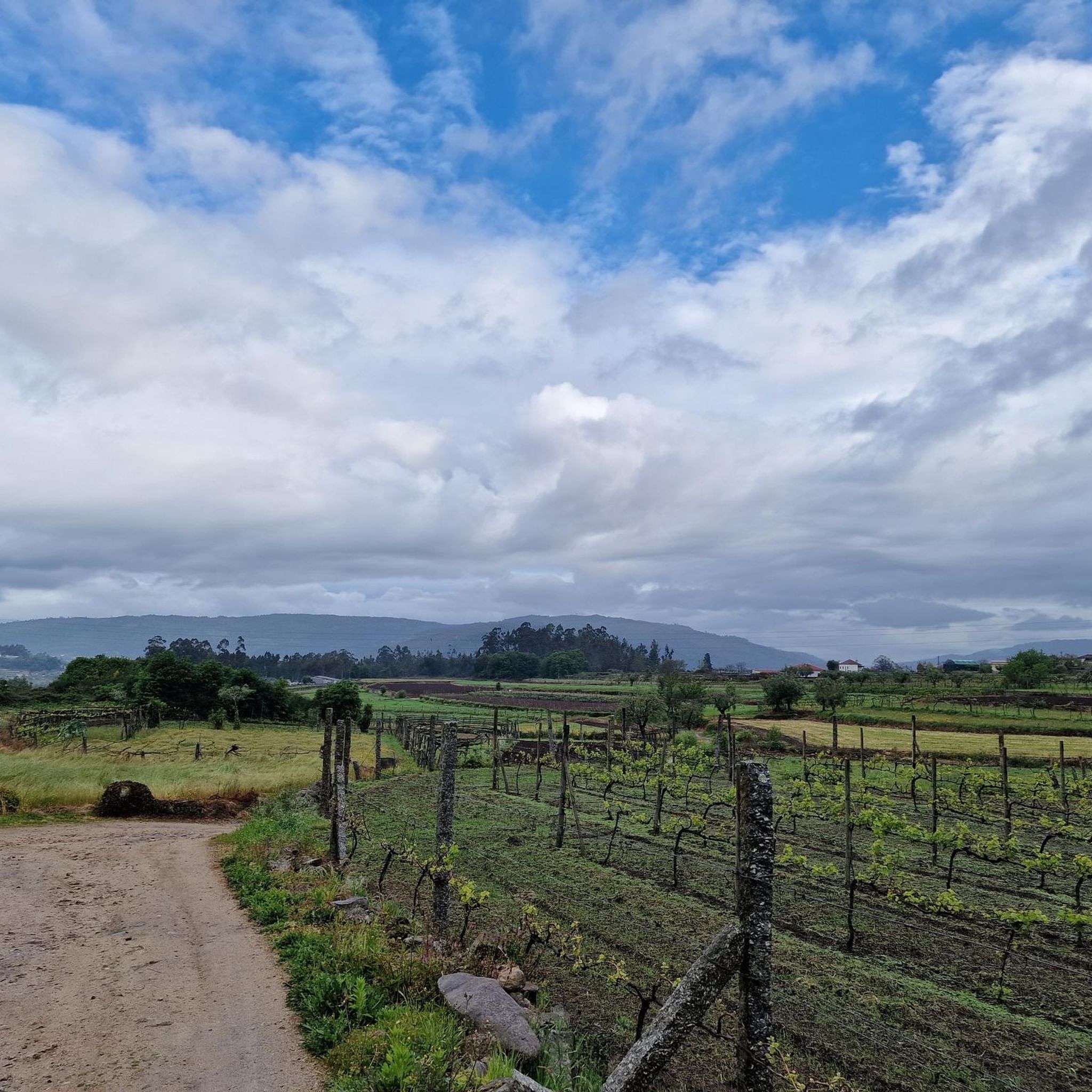
Lovely, quiet path, easy to ride when not impacted by seasonal rains and river flooding. All part of the charm and sense of adventure
0
0

Home and Access The Ecovia has multiple access points, with the connection between the city of Viana do Castelo and the town of Arcos de Valdevez being the main route.
2
0
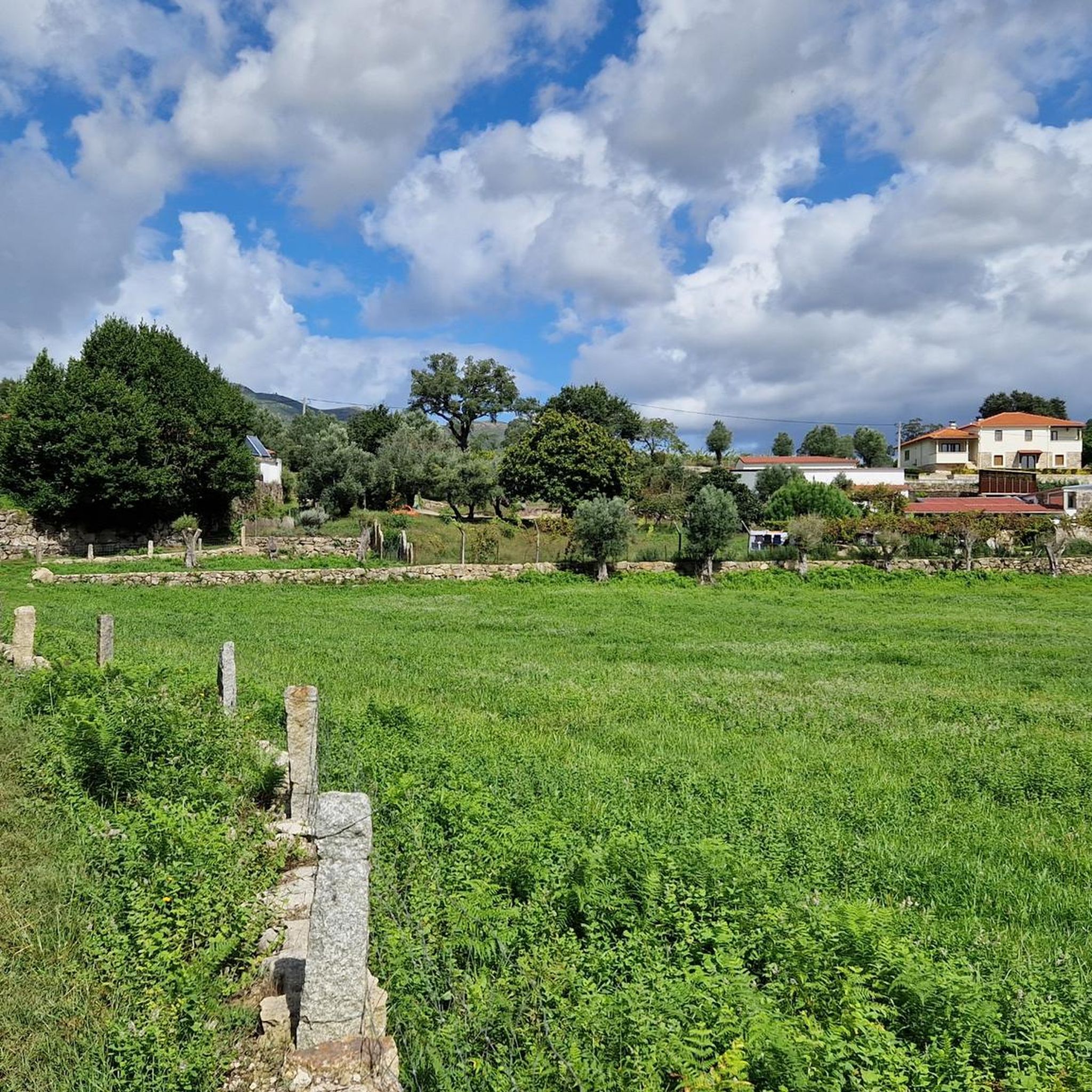
Points of Interest Along the Ecovia Panoramic Views: The route offers breathtaking views of the Lima River, the agricultural fields ("veigas") and the rural landscape of Minho. Cultural Heritage: Along the way, you can find several points of interest, such as the Chapel of São João Baptista, the Monastery of Bravães (National Monument), the Fonte Santa (with sulphurous water) and the seven watermills of Gemieira, powered by a spectacular waterfall. Recreational Areas: There are several recreational areas, picnic parks and river beaches on the banks of the river.
2
0
Route Characteristics Length: Approximately 70 km in total, divided into several sub-routes (such as the Veigas Route, the Açudes Route, and the Laranja/Refóios Route). Usage: Ideal for hiking, running, and cycling (mountain bikes are suitable due to the terrain). Motorized vehicles are prohibited. Road: Mainly packed earth and consolidated gravel, with some wooden walkways in specific areas. Difficulty: Generally easy to medium difficulty, due to the gentle slope. Accessibility: Some parts of the route have wheelchair-accessible entrances and parking.
2
0
The Lima River Ecovia is an extensive pedestrian and cycling route that follows the banks of the Lima River in Alto Minho, Portugal. Stretching for approximately 70 kilometers, the ecovia crosses the municipalities of Viana do Castelo, Ponte de Lima, Ponte da Barca, and Arcos de Valdevez, offering scenic landscapes and a mostly flat route.
2
0

The Casa de Recoleta hostel is very well-appointed and functional, with a well-equipped kitchen and a small store where you can find just about anything. The staff is very friendly. The amenities are remarkable. I recommend this hostel.
0
0

Just before reaching Ponte de Lima on the Portuguese Way, a small altar leaning against a tree invites you to pause. Surrounding it are messages of all kinds—some funny, some moving, all with the soul of a pilgrim. The generous tree offers shade and shelter. It's the perfect place to take a deep breath, recharge your batteries, and refill your bottle before continuing on your journey.
1
0
This simple wayside niche is one of the most photographed treasures by pilgrims on their way to Santiago. It depicts Saint James the Greater in tiles, an art form as Portuguese as the Way itself. The combination of the apostle's image and the delicacy of the tiles transforms this spot into a powerful symbol of the faith, culture, and identity that accompany those who travel every kilometer toward Santiago.
1
0
Frequently Asked Questions
What kind of outdoor activities can I do around Navió?
Navió offers a variety of outdoor activities, particularly along the Lima River. You can enjoy cycling on the Cycle path to Ponte de Lima, which is an extensive pedestrian and cycling route stretching for approximately 70 kilometers. There are also numerous hiking and running trails nearby. For more detailed routes, you can explore the Hiking around Navió or Running Trails around Navió guides.
Are there any historical sites to visit in the Navió area?
Yes, Navió is rich in historical sites, especially those connected to the Portuguese Way to Santiago. A notable example is the Ponte das Tábuas de Balugães, a stone bridge spanning the Neiva River, believed to have been rebuilt around the 16th century. You can also find the Pilgrim Altar and the Azulejo Shrine of Saint James the Greater, both significant landmarks for pilgrims.
What natural features can I explore around Navió?
The region around Navió is characterized by its scenic river landscapes. The Cycle path to Ponte de Lima follows the banks of the Lima River, offering beautiful views of the river, forests, and natural trails. The Neiva River, spanned by the Ponte das Tábuas de Balugães, also features a small river beach where locals and travelers can cool off.
Are there family-friendly attractions or activities in Navió?
Yes, several attractions around Navió are considered family-friendly. The Pilgrim Altar and the Azulejo Shrine of Saint James the Greater are both accessible and offer cultural insights suitable for families. The Cycle path to Ponte de Lima, with its mostly flat terrain, can also be enjoyed by families for walking or cycling, though some sections are gravel or rocky.
Where can I find accommodation or facilities for pilgrims in Navió?
For pilgrims on the Camino Portugues, the Casa da Recoleta Pilgrim's Hostel in Portela de Tamel is a well-regarded option. It offers functional amenities, including a well-equipped kitchen and a small store. Reservations are typically not possible, so it operates on a first-come, first-served basis.
What is the terrain like for cycling and hiking trails around Navió?
The terrain varies. For instance, the Cycle path to Ponte de Lima is mainly packed earth and consolidated gravel, with some wooden walkways. While generally easy to medium difficulty due to gentle slopes, some sections can be rocky or muddy, making mountain bikes suitable for cycling. Hiking trails also range from easy to moderate.
What do visitors enjoy most about the attractions in Navió?
Visitors particularly appreciate the blend of natural beauty and historical significance. The serene landscapes along the Lima River, the historical bridges like Ponte das Tábuas de Balugães, and the poignant pilgrim landmarks such as the Pilgrim Altar and the Azulejo Shrine of Saint James the Greater are frequently highlighted for their charm and cultural depth. The quiet, authentic natural environment of the cycle paths is also a favorite.
Are there any specific cultural or religious landmarks in the area?
Yes, Navió is home to several significant cultural and religious landmarks, especially for those following the Portuguese Way to Santiago. The Pilgrim Altar, a small monument where pilgrims leave messages, and the Azulejo Shrine of Saint James the Greater, featuring traditional Portuguese tiles, are both powerful symbols of faith and culture in the region.
Can I find long-distance cycling routes near Navió?
Absolutely. The Cycle path to Ponte de Lima is an extensive route along the Lima River, offering approximately 70 kilometers of cycling opportunities. For more options, you can consult the Cycling around Navió guide, which includes routes like the 57 km 'Esposende Maritime Museum – Marinhas loop' and the 52 km 'Pilgrim Altar – Ponte de Lima loop'.
What is the best time to visit Navió for outdoor activities?
While specific seasonal recommendations are not detailed for all attractions, the Cycle path to Ponte de Lima has been noted as enjoyable and uncrowded in August. Generally, spring and autumn offer pleasant temperatures for hiking and cycling, avoiding the peak heat of summer or potential rain in winter.
Are there any hidden gems or less-known spots worth visiting?
The Ponte das Tábuas de Balugães is considered a discreet jewel, offering a blend of history and a serene river beach that many find delightful. The Pilgrim Altar, though small, is a deeply poignant spot filled with pilgrim messages, offering a unique and moving experience.
Most popular routes around Navió

Get inspired with the komoot mobile app


Explore more
Still not found the Highlight you’re looking for? See guides of the top attractions in other regions:
