Top 19 Castles around Kämpfelbach
Best castles around Kämpfelbach are found in the surrounding region of Baden-Württemberg, known for its historical sites and diverse landscapes. While the municipality of Kämpfelbach itself is recognized for Hallstatt era grave mounds and Gothic churches, the broader area offers numerous castle structures. These sites provide insights into regional history and are often situated amidst natural trails. Visitors can explore a variety of historical fortifications and ruins in the vicinity.
Best castles around Kämpfelbach
- The most popular castles is St.…
Last updated: June 22, 2026
St. Barbara Chapel Ruins
Highlight • Religious Site
Make sure to stop by under the chapel, there is a small passage there.
Translated by Google •
Tip by

Neuenbürg Castle and ruins
Highlight • Castle
Translated by Google •
Tip by

Sign up now to discover places like this
Get recommendations on the best single tracks, peaks, & plenty of other exciting outdoor places.
Sign up for free
Vordere Schloßsteige
Highlight (Segment) • Trail
Translated by Google •
Tip by

Kräheneck Castle Ruins
Highlight • Castle
It was probably built in the 12th century and initially belonged to the Lords of Kräheneck, later to the Lords of Weißenstein.
Translated by Google •
Tip by

Römerturm (Langensteinbach Castle)
Highlight • Castle
Translated by Google •
Tip by

Sign up for free to discover even more castles around Kämpfelbach.
Sign up for free
Already have an account?
Start today with a free account
Your next adventure awaits.
Login or Signup
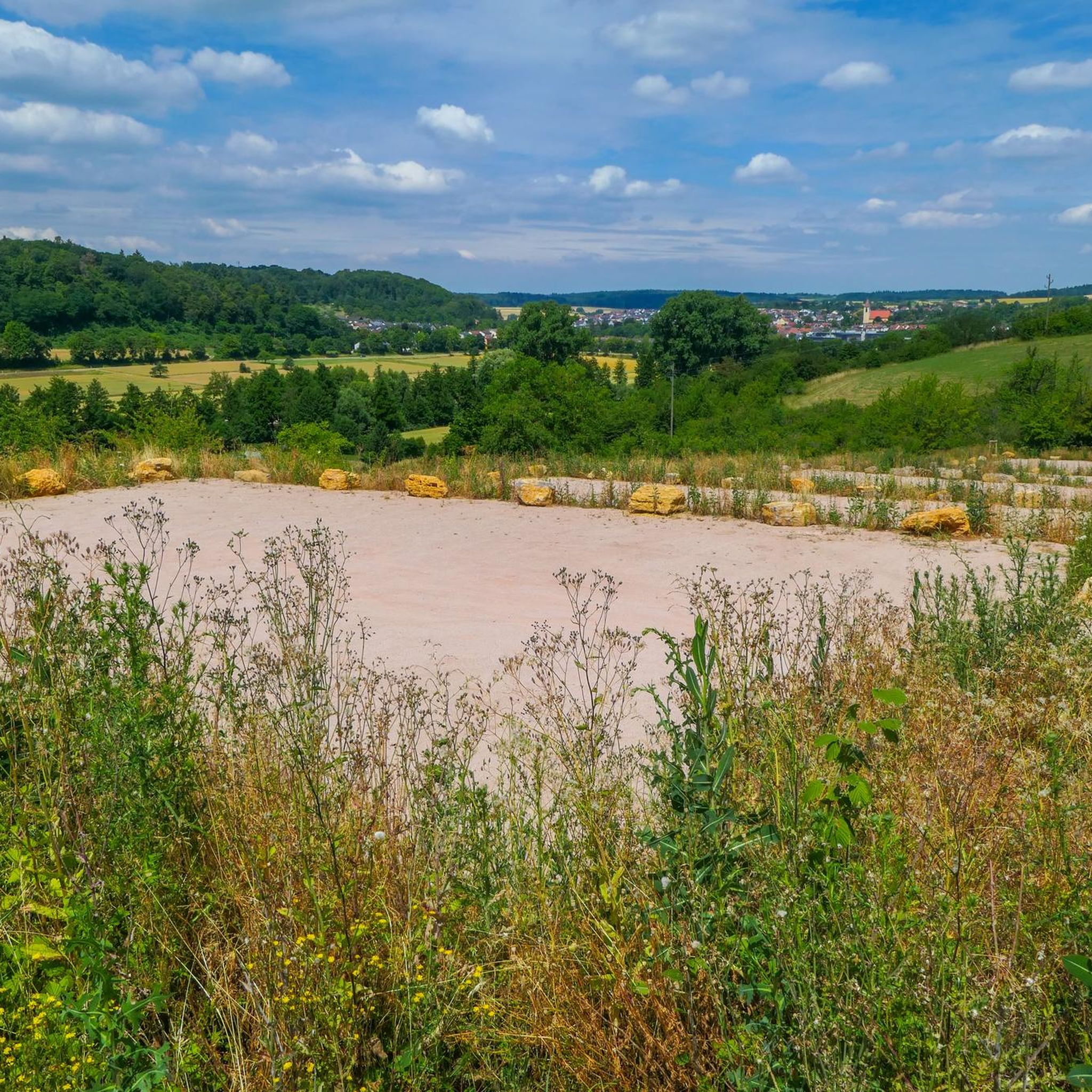
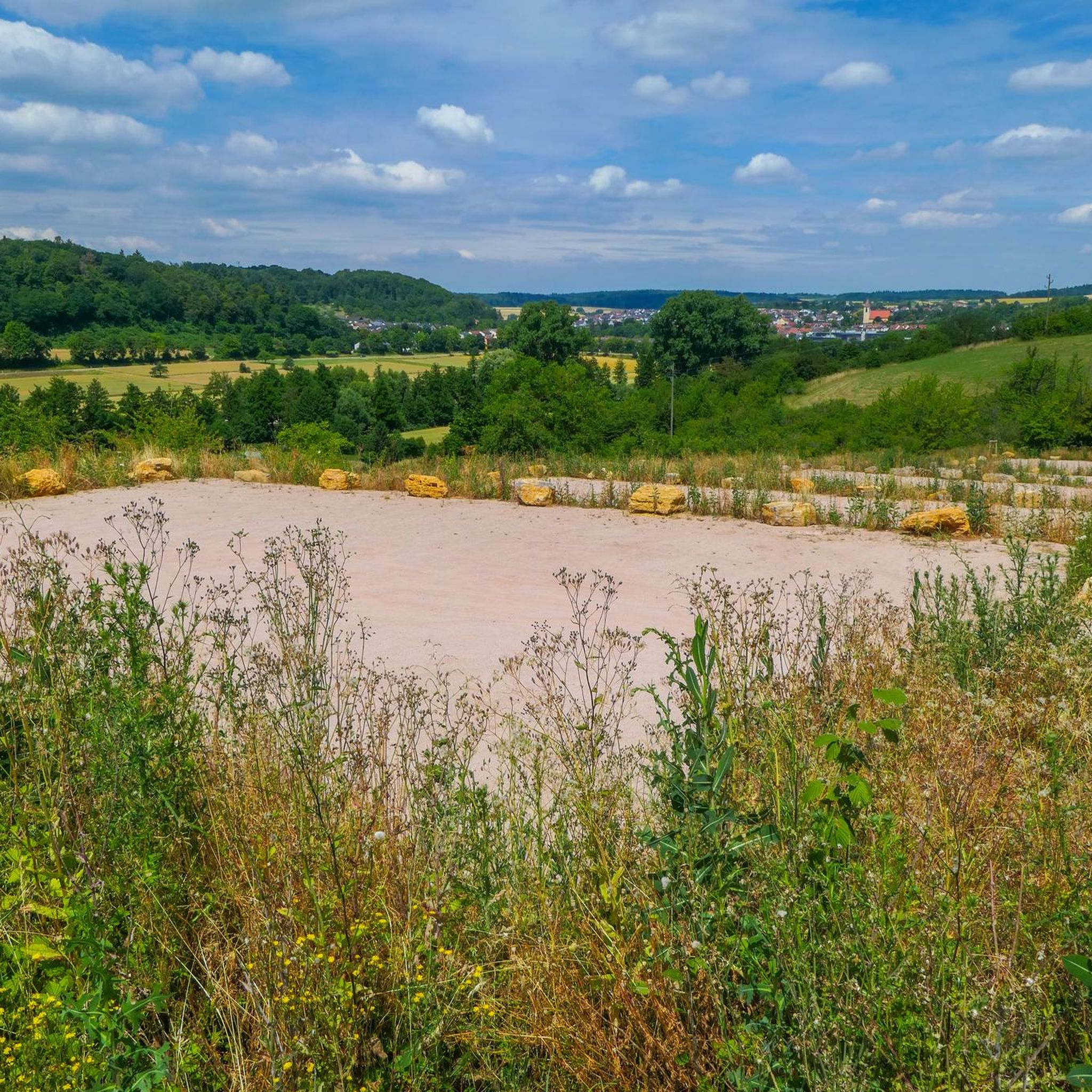
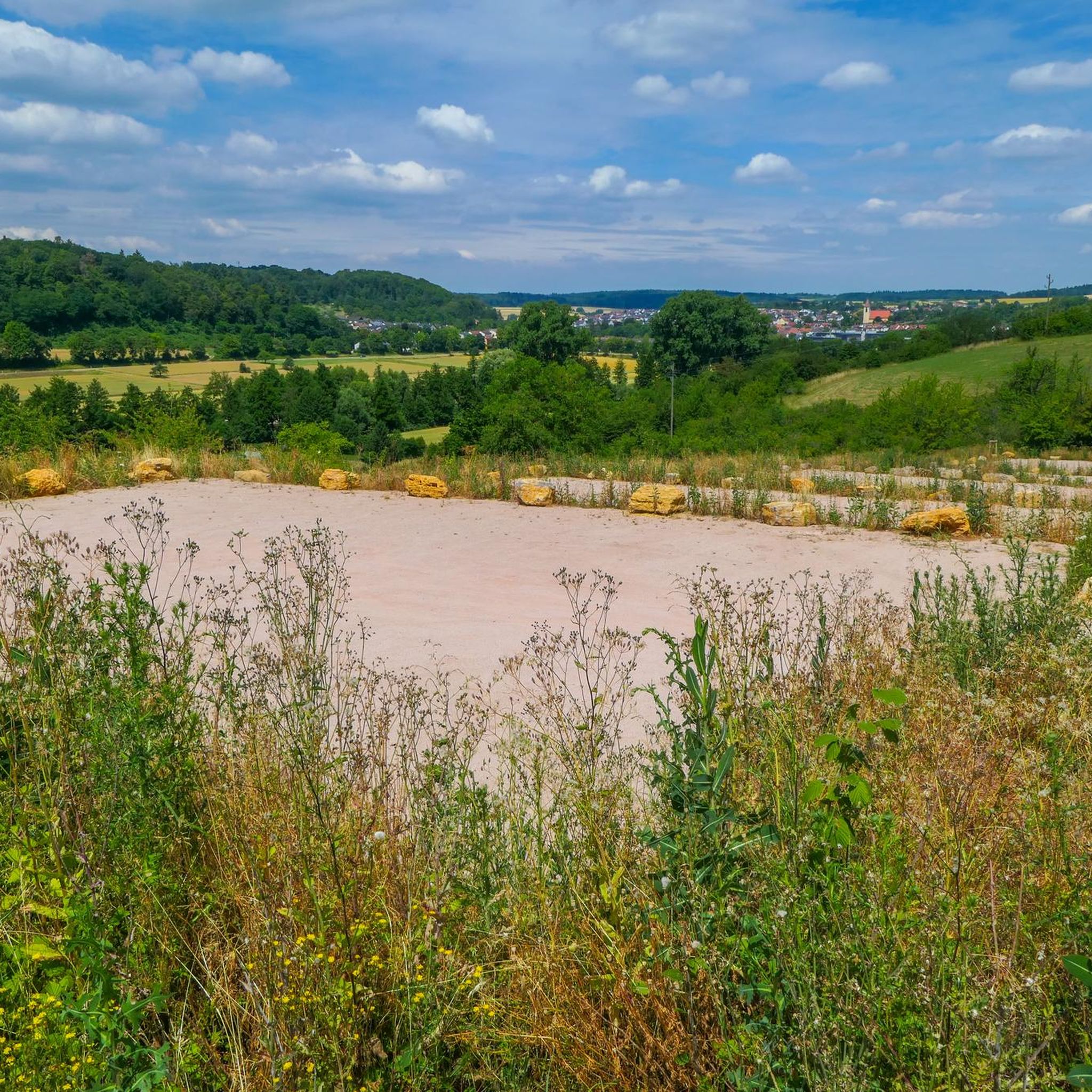
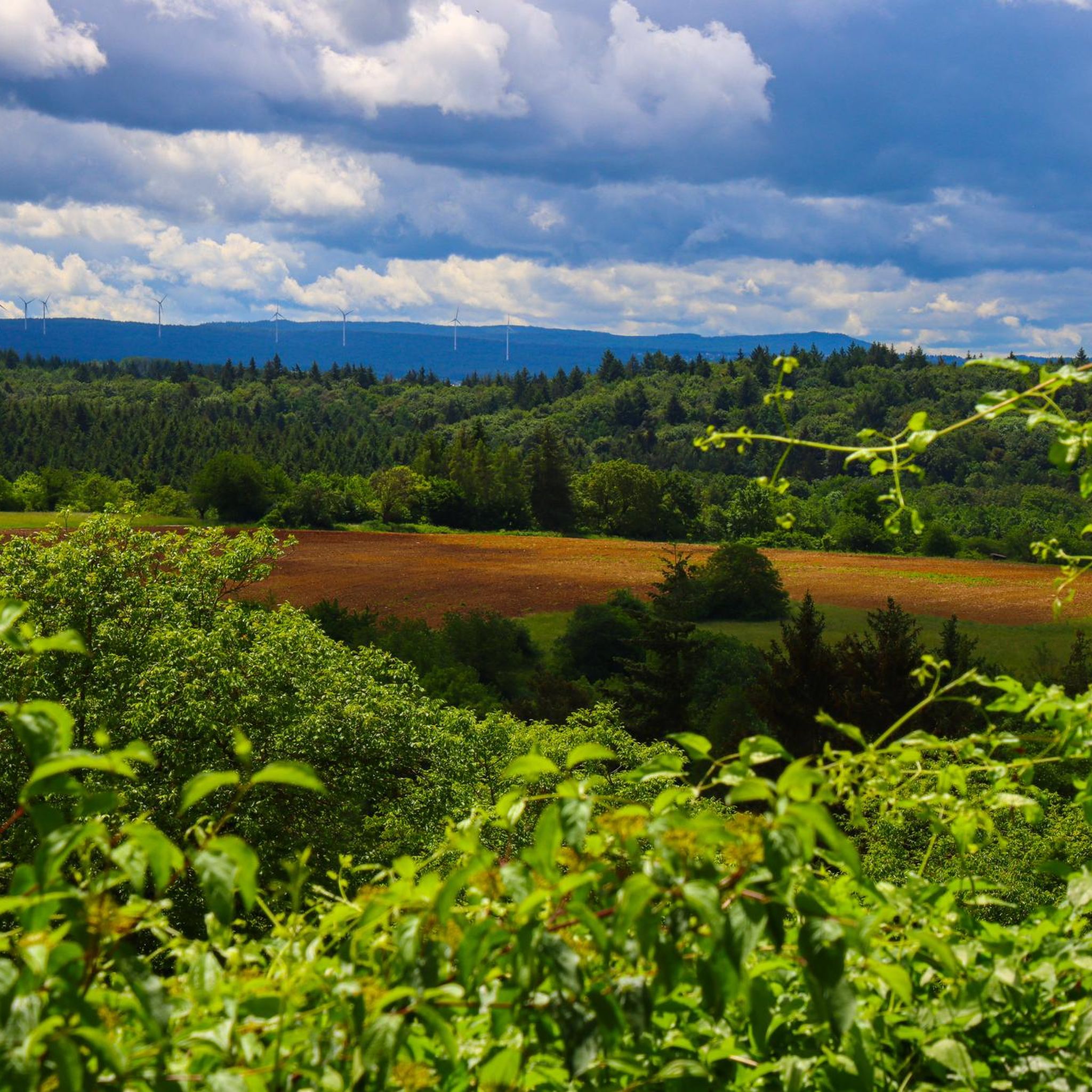
Tips from the Community

By far the best of the three castle ruins. It even has a small spiral staircase. Benches are set up on the ruins' plateau.
9
0

Finds show that the Celts settled on the castle hill over 2000 years ago. Evidence of the "more recent" history of Neuenbürg Castle only dates back to around the year 1000. Various families of counts, including the Counts Palatine of Tübingen, the Counts of Calw-Vaihingen, the Counts of Eberstein, the Margraves of Baden and the Counts of Württemberg, determined the fate and history of the picturesque old Neuenbürg Castle. The castle (today's rear castle ruins) was probably founded by the Counts of Vaihingen in the 11th century. The Counts of Württemberg acquired the castle around 1320 and built an official residence for the town, which already belonged to them, and the surrounding villages. This was followed in 1572 by a conversion of the rear castle into a fruit store (here a granary and wine store). During the Thirty Years' War in 1634, the castle was plundered, and in 1638 the north wing burned down due to the carelessness of a Bavarian ensign. Neuenbürg Castle consists of the old "rear castle", of which only the remains of the castle with walls up to 3 meters thick remain as ruins, and the current new castle built by Duke Christoph of Württemberg around 1650, which was built using older parts of the building. At the end of the 17th century, the dilapidated rear castle was sold and the bricks were used to rebuild the town of Neuenbürg, which had been destroyed in a major fire in 1783. Despite several attempts, Neuenbürg never became a ducal residence, and the honored princes Duke Magnus (1594-1622) and Duke Ulrich (1617-1671) were not lured to the Black Forest province. Neuenbürg Castle was always only the seat of authorities and offices and was inhabited by ducal officials. Until 2004, the State Forestry Office was housed in Neuenbürg Castle. From 1940 onwards, the castle rooms housed apartments and a painter's studio. Since 2001, Neuenbürg Castle has housed a branch museum of the Baden State Museum.
5
0

Information about the castle complex at https://www.schloss-neuenbuerg.de/
1
0
The castle ruins behind the castle garden are normally locked, but can be rented through the castle administration. https://www.schloss-neuenbuerg.de/
4
0

The Kräheneck castle ruins, formerly also called Creinegg, are former fortifications from the 13th century. They are located in the forest of the Pforzheim district of Dillweißenstein. The Kräheneck ruins were built around 1250 as fortifications on the slope of the Weißenstein castle hill. The structure consisted of shield walls made of sandstone blocks, approximately 10 meters high. A wide ditch was built in front of them. It is assumed that the Kräheneck was built as an outwork to protect the Rabeneck castle below. As there are no documented references to its origins, it is estimated that it was built in the 13th or 14th century. The name Kräheneck is a popular name from the 19th century and cannot be verified by medieval documents. In 1928, an open-air stage was built in front of the shield wall for the "Kräheneck Castle Festival".
7
0

Beautiful ruins, unexpected castle park and pleasant castle restaurant. Definitely a recommendation
1
0

The Roman Tower is the remains of a tower castle. It consisted of a square tower with an edge length of 13.5m and a wall thickness of 3.5m. It was built around 1100 AD and initially surrounded by a small rampart. After a fire that partially destroyed the tower, it was surrounded by a deep ditch. Most of the excavated material was stored around the tower to protect it from attackers with siege engines. The castle was abandoned for unknown reasons as early as 1200. The neighboring chapel of St. Barbara was not built until 1330 by monks from the Herrenalb monastery. (Q.: inscription plaque)
6
1

The path is a bit steep but easy to walk, at the top is the 🏰, a hiking home and a Portuguese restaurant
2
1
Frequently Asked Questions
Are there castles directly within the municipality of Kämpfelbach?
While Kämpfelbach is located in Baden-Württemberg, a region rich in historical sites, there are no prominent castles directly within the municipality itself. The area is known more for Hallstatt era grave mounds and Gothic churches. The castles mentioned in this guide are found in the surrounding region.
What types of castles can I expect to find around Kämpfelbach?
The castles around Kämpfelbach offer a diverse range, from medieval ruins like Kräheneck Castle Ruins with its impressive shield wall, to well-preserved castles with museums such as Neuenbürg Castle and ruins, and historical chapel ruins with castle foundations like St. Barbara Chapel Ruins.
Which castles around Kämpfelbach are family-friendly?
Both St. Barbara Chapel Ruins and Neuenbürg Castle and ruins are considered family-friendly. St. Barbara offers an accessible tower with panoramic views, while Neuenbürg features a museum and castle garden, providing engaging experiences for all ages.
Can I find viewpoints at the castles near Kämpfelbach?
Yes, many of the castle sites offer excellent viewpoints. St. Barbara Chapel Ruins provides a great panoramic view over Langensteinbach. Neuenbürg Castle and ruins is situated high on a spur in the Enz Valley, offering scenic vistas. Kräheneck Castle Ruins also has a viewing platform.
Are there hiking trails near the castles around Kämpfelbach?
Absolutely. Many castles are integrated into or near hiking routes. For example, the Vordere Schloßsteige is a beautiful, paved climb offering great views on the way to Neuenbürg Castle. You can explore numerous hiking opportunities in the broader area by checking the Hiking around Kämpfelbach guide.
What other outdoor activities are available near these castles?
Beyond hiking, the region around Kämpfelbach offers various outdoor activities. You can find gravel biking routes in the Gravel biking around Kämpfelbach guide, and numerous running trails are detailed in the Running Trails around Kämpfelbach guide. These routes often pass by or offer views of historical sites and natural landscapes.
What historical insights do these castles offer?
The castles provide a glimpse into regional history. Neuenbürg Castle and ruins, for instance, dates back to the 13th century and was built on a site inhabited by Celts 2500 years ago. Kräheneck Castle Ruins was likely built in the 12th century, offering insights into medieval architecture and local lordships.
Are there any cafes or restaurants near the castles?
Yes, Neuenbürg Castle and ruins features a good Portuguese restaurant and a managed outdoor area in the castle courtyard, making it convenient for visitors to enjoy a meal or a coffee during their visit.
What do visitors particularly enjoy about the castles around Kämpfelbach?
Visitors frequently praise the panoramic views, especially from accessible towers like at St. Barbara Chapel Ruins. The historical atmosphere, well-preserved structures, and the integration of these sites into beautiful natural settings are also highly appreciated. Many enjoy the opportunity for a pleasant rest and exploring the unique architectural features.
Are there any famous castles in the broader Baden-Württemberg region that are worth visiting?
While not directly around Kämpfelbach, the broader Baden-Württemberg region is home to several world-renowned castles. These include the iconic Heidelberg Castle, the fairytale-like Hohenzollern Castle, the romantic Lichtenstein Castle, and the impressive Sigmaringen Castle. For more information on palaces, castles, and monasteries in Southwest Germany, you can visit visit-bw.com.
What is the best time to visit the castles around Kämpfelbach?
Visiting during spring or autumn often provides pleasant weather for exploring the outdoor ruins and trails, with spring offering blooming nature and autumn showcasing vibrant colors. However, the accessible towers and museums at some castles make them enjoyable year-round. Check local weather forecasts for the best experience.
Most popular routes around Kämpfelbach
Most popular attractions around Kämpfelbach

Get inspired with the komoot mobile app


Explore more
Looking for the best castles somewhere else? Discover other guides around Kämpfelbach:
