Top 20 Gorges around Simmelsdorf
Best canyons around Simmelsdorf offer a range of natural geological formations within the Franconian Switzerland region. The area features gorges and ravines where water has carved through sandstone, creating distinct natural spectacles. Visitors can explore varied landscapes, including impressive rock formations and unique tufa terraces. These natural features provide opportunities for hiking and experiencing the local geology.
Best canyons around Simmelsdorf
- The most popular canyons is Wasserstein Gate, a natural monument that features a large rock gate. This geological…
Last updated: June 29, 2026
Bitterbach Gorge
Highlight (Segment) • Gorge
Translated by Google •
Tip by

Klumpertal
Highlight • Gorge
Translated by Google •
Tip by

Sign up now to discover places like this
Get recommendations on the best single tracks, peaks, & plenty of other exciting outdoor places.
Sign up for free
Klumpertal Stream
Highlight • River
Translated by Google •
Tip by
Todsfeld valley
Highlight (Segment) • Gorge
Translated by Google •
Tip by

Wasserstein Gate
Highlight • Natural Monument
Especially when the sun is falling through the gate and the trees
Translated by Google •
Tip by

Sign up for free to discover even more gorges around Simmelsdorf.
Sign up for free
Already have an account?
Start today with a free account
Your next adventure awaits.
Login or Signup
Popular around Simmelsdorf
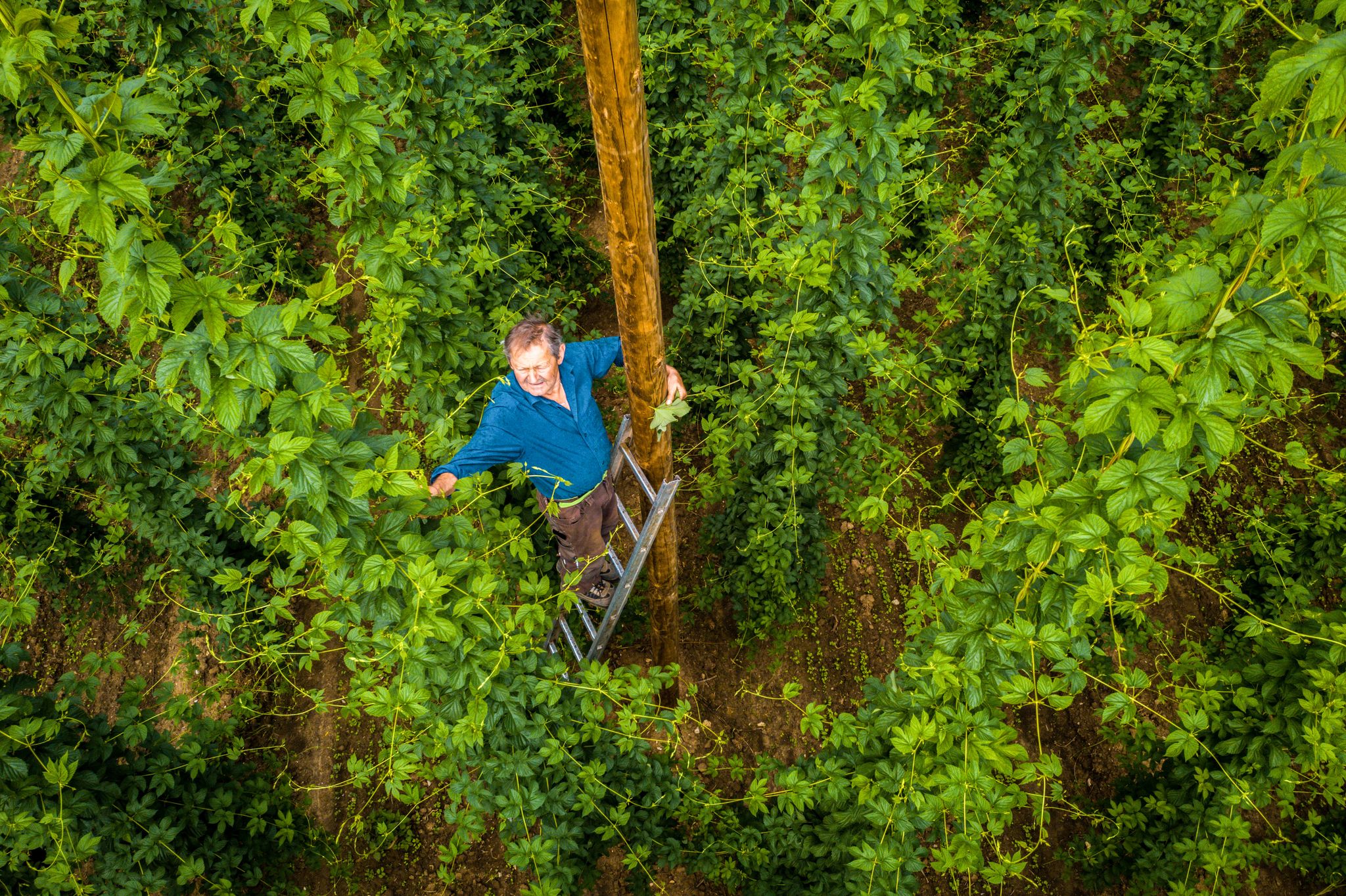
Hop Weeks in the Nürnberger Land – Hiking Trails Full of Delight
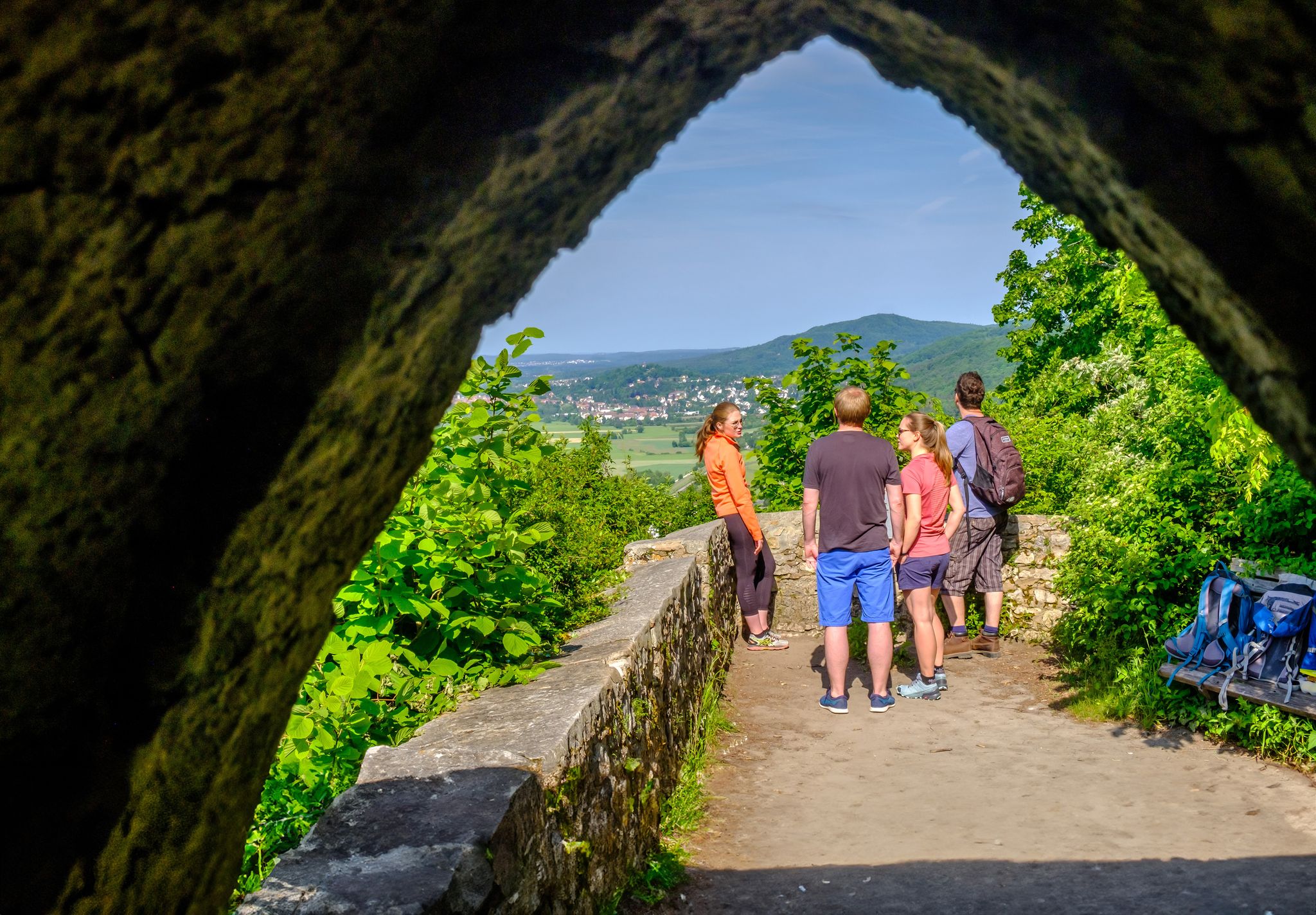
Discover a hiker’s paradise – hiking loops in the Nuremberg region
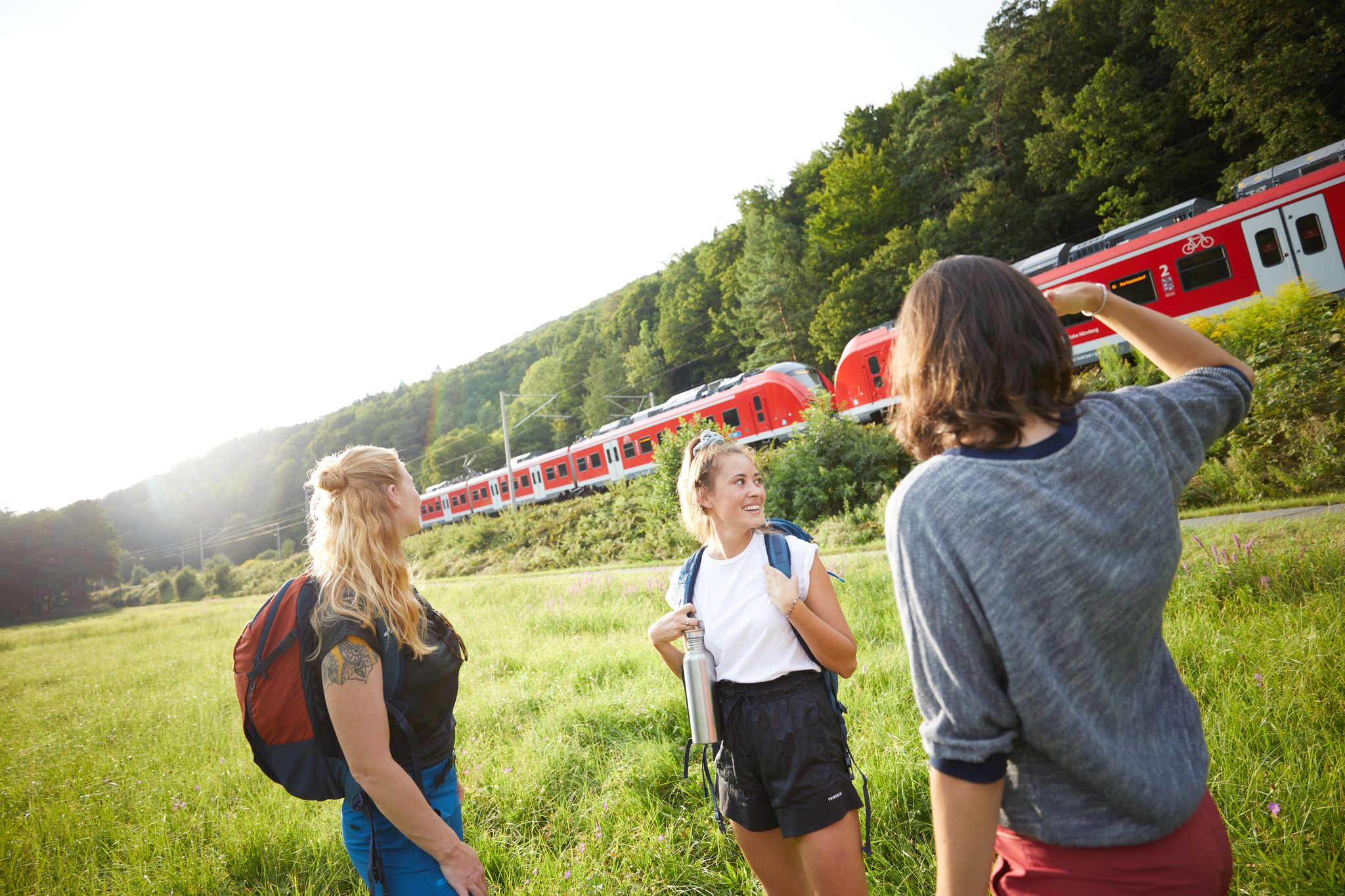
All aboard for summer hiking with Germany’s VGN
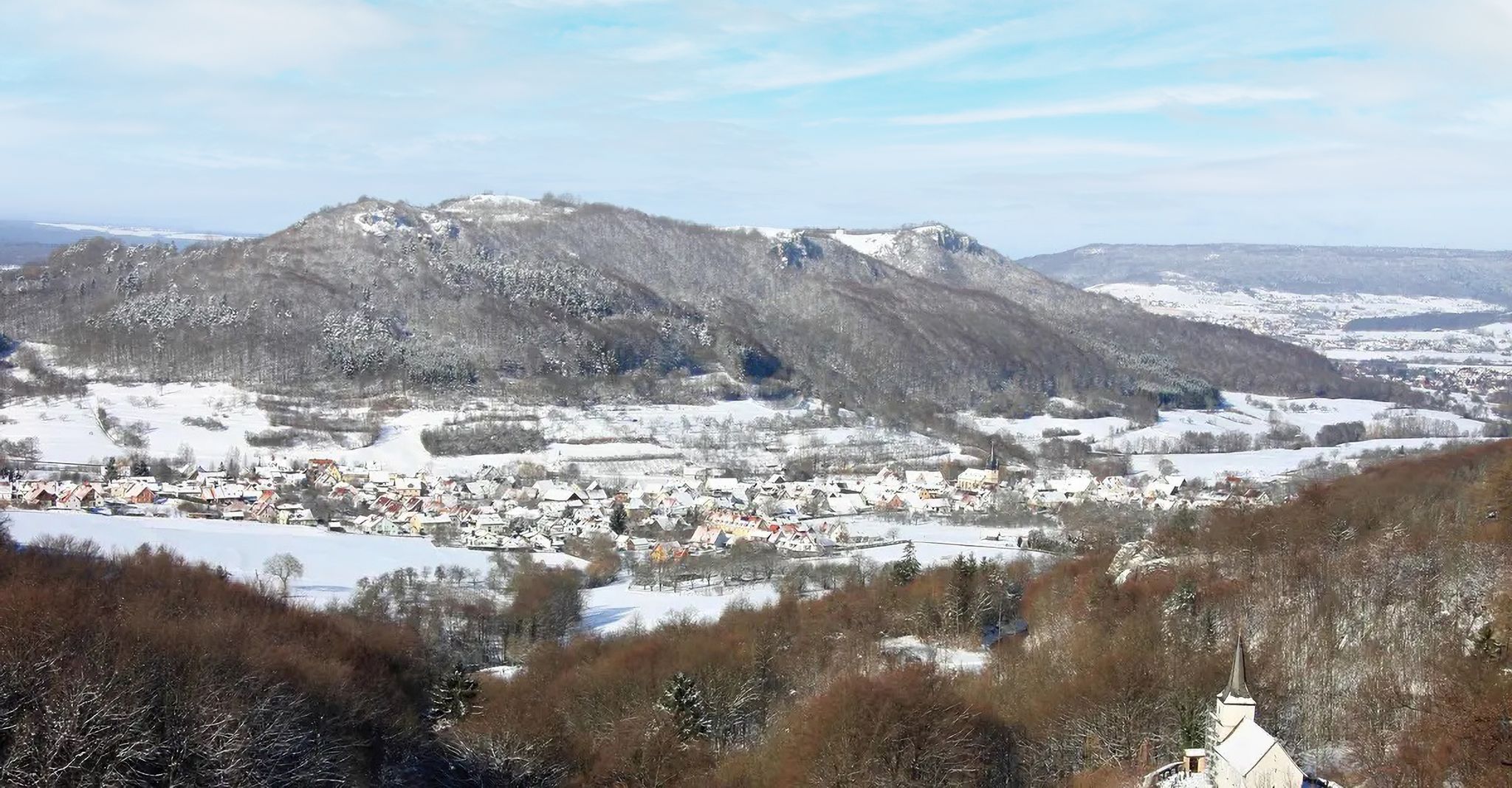
Winter won't stop us – VGN tips for exploring Germany’s Franconia in the cold
Hiking quiet paths through the Nürnberger Land in Bavaria
Hiking around Simmelsdorf
Cycling around Simmelsdorf
Road Cycling Routes around Simmelsdorf
MTB Trails around Simmelsdorf

Gravel biking around Simmelsdorf
Other adventures around Simmelsdorf


Tips from the Community


… and if the sign says: Please do not let dogs into the water… then that is what is meant… and don’t throw the black bags on the path either
6
0

Beautiful hiking trail along the valley with views of the rocks in the valley
0
0

Here - not far from the Schüttersmühle - you can find a variety of what the “Franconian Switzerland” has to offer: bizarre rock formations, narrow paths, a wildly romantic valley with springs, former mills, a trout farm and lots of legends.
1
0

The source is practically in the southernmost pond of the Klumpertalweiher. The area is now separated by a railing because it is a biotope. Down the stream to the north, you can let off steam again and let the dogs splash around. Of course, it is not appropriate for the biotope itself. The lower Jägersteig runs just above it.
4
0

Several ponds in the Klumpertal as remains of the Klumper mill and former spring. You don't necessarily expect that in the middle of nature. Great for the dog to drink, especially in the summer.
3
0

Beautiful path through the Klumpertal.
1
0
Frequently Asked Questions
What are some of the most popular gorges and natural formations around Simmelsdorf?
The region offers several highly-rated natural features. The Wasserstein Gate is a significant natural monument, featuring a 12-meter deep rock gate. Another popular spot is the Bitterbach Gorge, known for its varied hiking route and changing appearance throughout the year. Visitors also enjoy Klumpertal, a gorge with a brook and impressive rock formations.
What kind of natural features can I expect to see in the gorges near Simmelsdorf?
You'll encounter diverse natural spectacles, including deep rock gates, ravines carved into Burgsandstein, and valleys with flowing brooks. The area is characterized by fascinating geological processes where water has shaped soft sandstone, creating unique rock formations. The Todsfeld valley, for example, showcases limestone grasslands and is a tranquil stream valley.
Are there family-friendly options for exploring the gorges around Simmelsdorf?
Yes, several locations are suitable for families. The Klumpertal is noted as family-friendly, offering an easy-to-climb brook valley with impressive rock formations. The Wasserstein Gate is also considered family-friendly, providing an impressive natural monument to explore.
What is the <a href="https://www.komoot.com/highlight/148065" target="_blank" rel="noopener">Bitterbach Gorge</a> known for?
The Bitterbach Gorge is a natural spectacle described as 'wildly romantic,' where water has carved its way through soft sandstone. It features an informative nature trail and offers a varied hiking route. Visitors appreciate its changing appearance throughout the year, making it a highlight even after multiple visits. It's particularly beautiful in spring after snowmelt.
What is the best time to visit the gorges and natural formations around Simmelsdorf?
Many of the gorges, like the Bitterbach Gorge, are beautiful year-round. However, spring after the snowmelt is often recommended for seeing the brooks and waterfalls at their fullest. For the Lillach Tufa Terraces (a nearby unique formation), visiting after rain or in spring is ideal for abundant water flow. Winter visits are possible, but a slightly frozen ground is best to avoid muddy conditions.
Are there unique geological formations besides gorges in the Simmelsdorf area?
Yes, beyond the gorges, the region is home to unique geological features. The Lillach Tufa Terraces, for instance, are a highlight featuring impressive tufa formations created by the Lillach river. These terraces, along with the Wasserstein Gate, showcase the area's distinct geological character.
What kind of hiking trails can I find near these gorges?
The area offers a variety of hiking experiences. You can find trails that lead through narrow rock walls, along scenic riverside paths, and through wild, romantic ravines. The Cyclops Trail, for example, runs between rock faces and formations, creating a labyrinth-like experience. Many trails are well-developed and offer rest areas, making them suitable for different fitness levels.
What other outdoor activities can I do near the gorges around Simmelsdorf?
Beyond exploring the gorges, the Simmelsdorf area offers a range of outdoor activities. You can find numerous MTB Trails, Road Cycling Routes, and Mountain Hikes. These routes often pass through scenic landscapes, offering opportunities for longer excursions in the Franconian Switzerland region.
What do visitors enjoy most about the gorges and natural areas in Simmelsdorf?
Visitors frequently praise the 'pure nature' and 'wildly romantic' atmosphere of the gorges. They enjoy the varied hiking routes that keep the experience engaging, the impressive rock formations, and the opportunity to forget everyday life in these tranquil settings. The unique geological features, like the Wasserstein Gate, are also popular photo motifs.
Are there any specific tips for visiting the <a href="https://www.komoot.com/highlight/680671" target="_blank" rel="noopener">Klumpertal</a>?
The Klumpertal is known for its natural beauty, with a brook flowing through it and impressive rock formations appearing along the way. It's a romantic valley popular with both hikers and cyclists. While much of its historical 'landscape garden' features are gone, its natural charm remains. It's an easy-to-climb brook valley, perfect for a relaxing outing.
What is the <a href="https://www.komoot.com/highlight/492842" target="_blank" rel="noopener">Cyclops Trail</a> like?
The Cyclops Trail offers a unique hiking experience, running between narrow rock walls and formations, almost like a labyrinth. It leads through boulders to the Devil's Hole and Devil's Cave, with grottos and viewpoints along the way. It's described as easy to walk, with the 'optics doing the trick,' and features information boards. It's recommended to walk upwards for the best experience.
Can I find peaceful, undisturbed valleys for hiking around Simmelsdorf?
Yes, the Todsfeld valley is an excellent example. It's one of the few stream valleys in the region that you can enjoy completely undisturbed, as it is not accessible by roads. This valley, with its limestone grasslands, offers a wonderful hiking tour in any season and provides habitat for rare plants and animals, typical of the local landscape.
Most popular routes around Simmelsdorf
Most popular attractions around Simmelsdorf

Get inspired with the komoot mobile app


Explore more
Already discovered everything in this region? See additional gorges around Simmelsdorf for your next adventure:
