Attractions and Places To See around Vila Da Ponte - Top 20
Best attractions and places to see around Vila Da Ponte include a blend of historical landmarks and natural features. This region, likely situated in the municipality of Montalegre, offers insights into ancient traditions and a rich past. Visitors can explore sites that reflect centuries of human presence and natural beauty. The area is characterized by its historical structures and diverse natural landscapes.
Best attractions and places to see around Vila Da Ponte
- The most popular attractions is Monastery of Saint…
Last updated: July 2, 2026
Monastery of Saint Mary of Pitões das Júnias
Highlight • Religious Site
Translated by Google •
Tip by

Ponte da Misarela and Waterfall
Highlight • Bridge
Translated by Google •
Tip by

Sign up now to discover places like this
Get recommendations on the best single tracks, peaks, & plenty of other exciting outdoor places.
Sign up for free
Cela Cavalos Waterfall
Highlight • Waterfall
Translated by Google •
Tip by
Sete Lagoas (Seven Lagoons)
Highlight • Lake
Translated by Google •
Tip by
Pitões das Júnias Waterfall
Highlight • Waterfall
Translated by Google •
Tip by
Sign up for free to discover even more attractions around Vila Da Ponte.
Sign up for free
Already have an account?
Start today with a free account
Your next adventure awaits.
Login or Signup
Popular around Vila Da Ponte
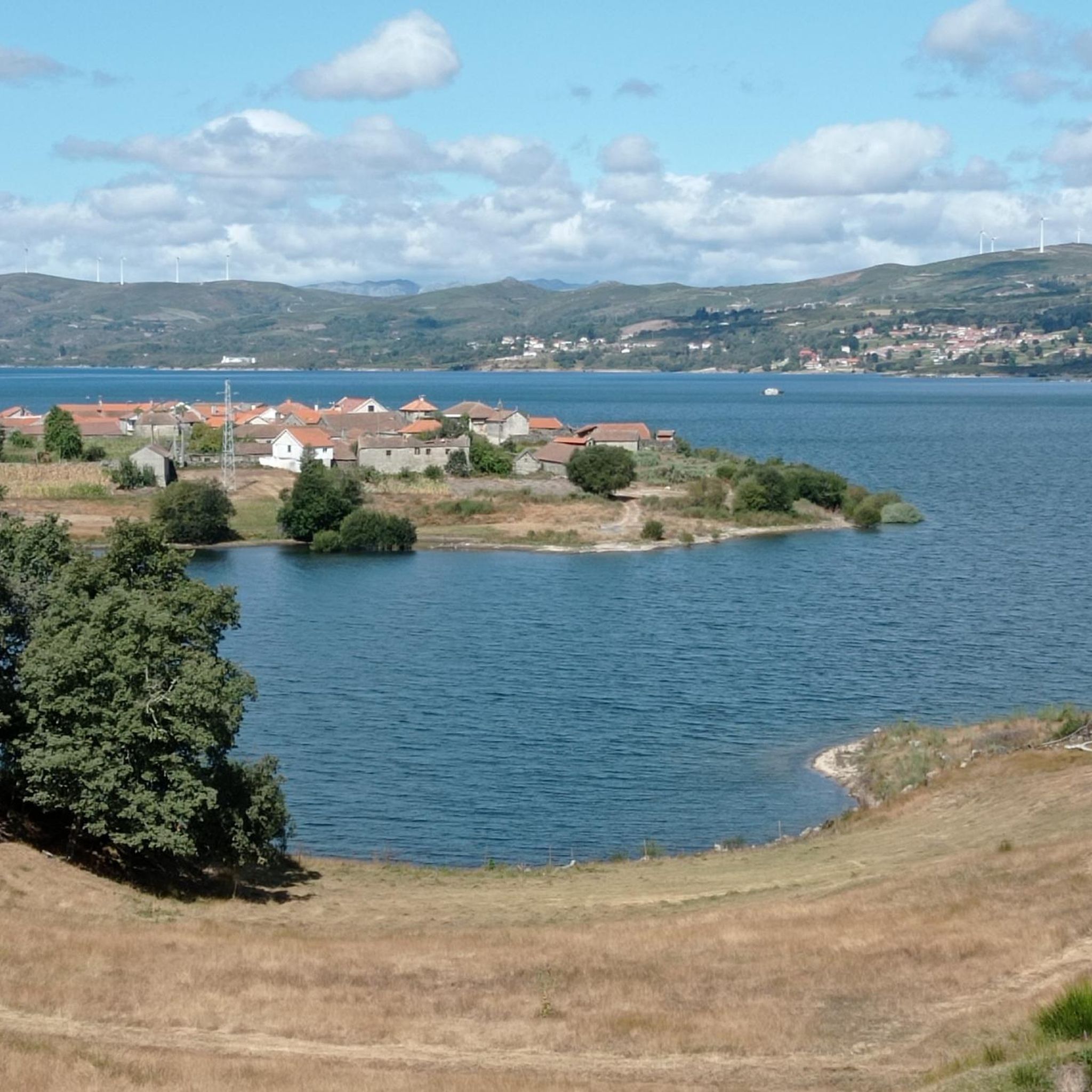
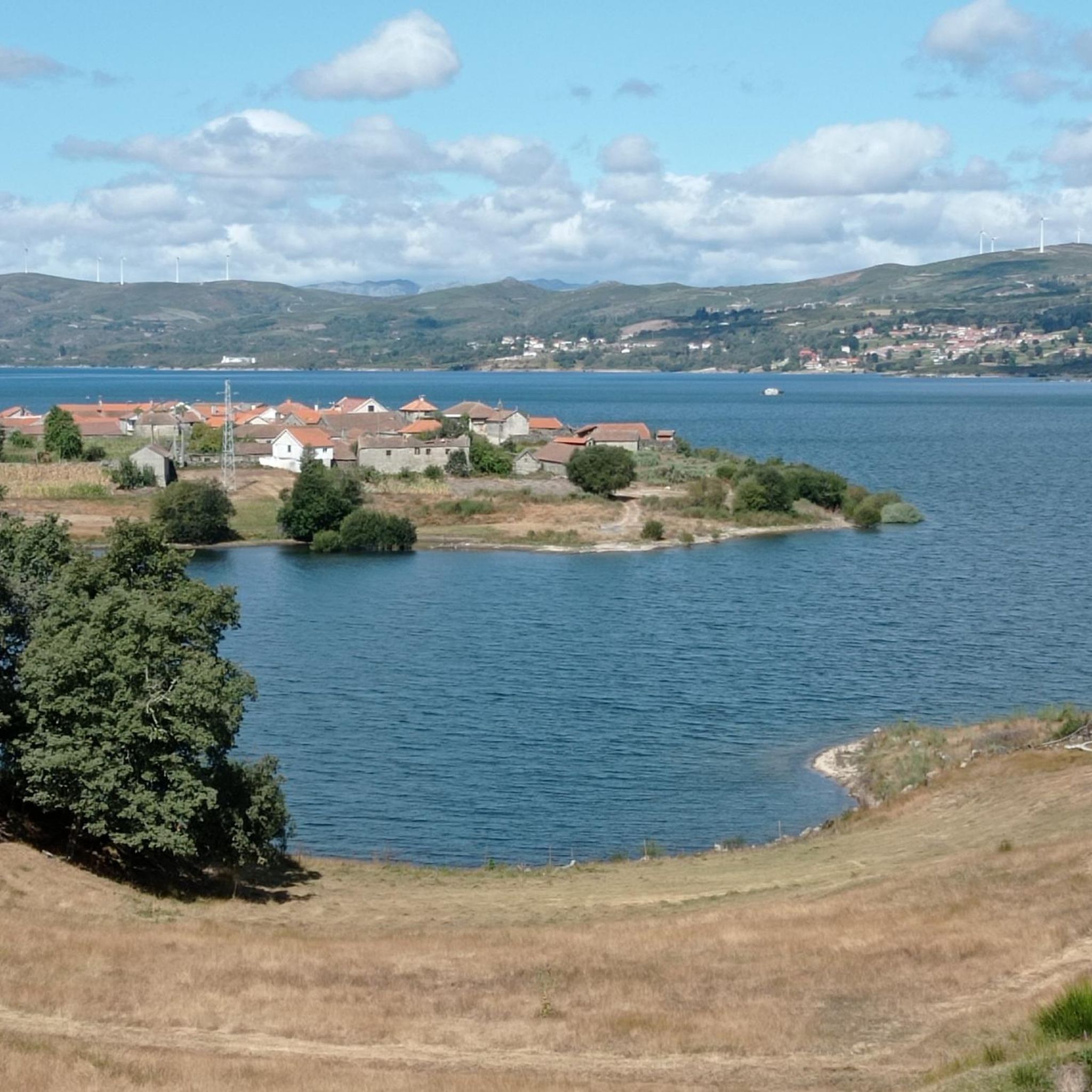
Tips from the Community

The waters of this waterfall come from the Pitões stream, which, due to the uneven terrain, develops over several levels, the first of which is about 30 meters high and flows into a lake bounded by granite outcrops. This waterfall is one of many in the Barroso region and feeds several rivers that originate in the Serra do Gerês.
0
0
Cela Cavalos Waterfall, or Cela de Cavalos, is a paradisiacal waterfall located in the municipality of Montalegre, in the Peneda-Gerês National Park. With crystal-clear waters, it's a perfect spot for summer swimming, hiking, and nature contemplation. The main access point is from the village of Cela.
0
0
The Monastery of Santa Maria das Júnias is a ruined monastery, of which the church remains, located on the outskirts of Pitões das Júnias. The last Cistercian monk became the parish priest of the village of Pitões das Júnias in 1834, the date of the abolition of religious orders in Portugal. As a historical curiosity, it is worth noting that Dom Pedro de Pitões, one of the main drivers of the conquest of Lisbon from the Moors in 1147, was ordained bishop of Porto at this monastery.
0
0
The Misarela Bridge, also known as the Devil's Bridge or the Bridge of Hell (we'll explain why below), is one of the most interesting monuments in the North of Portugal. Whether because of the legends, its historical importance or the beautiful landscape in which it is located. The Misarela Bridge is a trestle bridge over a slightly pointed arch, 13 metres high. This was originally a medieval bridge, which was rebuilt in the early 19th century (before the French Invasions) and which gave rise to two famous popular legends and ancient rituals. It has been a property of public interest since 1957 and in this article we will explore all of this, as well as the best ways to get there.
1
0

Hidden in the heights of Pitões das Júnias, the ancient monastery of Santa Maria carries centuries of history in the stones that support it. It is believed that its origins date back to the 9th century, in the middle of the Reconquista era, before Portugal was born as a kingdom. Officially, however, it was founded in the 12th century under the auspices of the Benedictines, and later embraced the austerity of the Cistercian reform. Today, among the silent ruins, the modest side portico of the church and the delicate arcades of the cloister remain.
1
1
From the top of the Pitões waterfall, in addition to the impressive waterfall, you can see the beautiful Beredo oak forest, where the Pyrenean oak is a perennial species, perfectly adapted to the climate and altitude of this region. If you look towards the horizon, the imposing outline of the Gerês mountain range completes this scene of pure natural beauty.
1
0
The monastery of Santa Maria de Pitões das Júnias has roots that are believed to date back to a period before the founding of the Kingdom of Portugal, in the 9th century, during the Christian Reconquest. However, it is certain that it was founded in the mid-12th century, initially under the Benedictine Order, later adhering to the Cistercian reform. Notable remains of its original design still remain, such as the simple side portico of the church and the discreet arcades of the cloister, now in ruins.
2
0

Fascinating landscape, by bike or on foot
0
1
Frequently Asked Questions
What natural attractions can I explore around Vila Da Ponte?
The region offers several stunning natural attractions. You can visit the breathtaking Cela Cavalos Waterfall, known for its crystal-clear waters and emerald lagoon. Another must-see is the picturesque Ponte da Misarela and Waterfall, a medieval bridge set against a beautiful cascade. Don't miss the Sete Lagoas (Seven Lagoons), a series of natural pools carved into the rock, offering a unique natural wonder.
Are there opportunities for hiking near Vila Da Ponte?
Yes, Vila Da Ponte is an excellent base for hiking enthusiasts. You can find a variety of trails, including moderate routes like the Sete Lagoas (Seven Lagoons) loop or the Vale do Rio Cavadas – Cela Cavalos Waterfall loop. For an easier option, consider the Cela Cavalos Waterfall loop from Capela de Santa Luzia. Explore more options on the Hiking around Vila Da Ponte guide.
What historical sites are there to visit around Vila Da Ponte?
The area is rich in history. A prominent historical site is the Monastery of Saint Mary of Pitões das Júnias, with roots dating back to the 9th century. The Ponte da Misarela, a medieval bridge, also holds significant historical value. Additionally, you can explore the Roman Road Walking Trail, which features archaeological remains, and discover traditional watermills and granaries that showcase the region's rural heritage.
Can I find places for swimming in nature around Vila Da Ponte?
Absolutely! The Cela Cavalos Waterfall forms an irresistible natural pool and a delightful emerald lagoon, perfect for a refreshing dip. The Sete Lagoas (Seven Lagoons) also offer natural pools carved into the rock. Additionally, the region boasts several river beaches, such as those near dams 2 to 4 kilometers away, and the Vila da Ponte River Beach in Sernancelhe.
Are there any ancient religious buildings to see?
Yes, the region features several ancient religious sites. The Monastery of Saint Mary of Pitões das Júnias is a significant ruin with a history spanning centuries. You can also visit the ancient Church of Vila da Ponte, which houses a small Parish Museum, and the Chapel of Our Lady of Health in Xertelo, dating back to 1774.
What kind of outdoor activities, besides hiking, can I do?
Beyond hiking, the area around Vila Da Ponte offers excellent opportunities for road cycling. You can find challenging routes like the 'View of the National Park – Igreja de Morgade loop' or more moderate options. Discover more cycling adventures on the Road Cycling Routes around Vila Da Ponte guide.
Are there family-friendly attractions or trails around Vila Da Ponte?
Many natural attractions can be enjoyed by families. The river beaches offer a relaxed environment for leisure and swimming. For hiking, there are easy trails available, such as the Cela Cavalos Waterfall loop from Capela de Santa Luzia, which is suitable for families. Exploring the traditional watermills and granaries can also be an engaging activity for all ages.
What is the best time to visit Vila Da Ponte for outdoor activities?
For hiking and enjoying waterfalls and river beaches, the warmer months, particularly late spring to early autumn, are ideal. The crystal-clear waters of places like Cela Cavalos Waterfall are perfect for summer swimming. However, the natural beauty and historical sites can be appreciated year-round, with spring offering blooming gorse and autumn providing vibrant foliage.
What are some unique cultural insights or traditions I can experience?
Vila da Ponte is particularly known for its 26 traditional watermills, making it the village with the most mills in Portugal. You can explore these granite structures via the Mill Trail. The presence of traditional granaries (Canastros) and a communal oven also offers a glimpse into local bread-making traditions and rural life.
What do visitors enjoy most about the attractions around Vila Da Ponte?
Visitors frequently praise the stunning natural beauty and the sense of peace found in places like the Cela Cavalos Waterfall and the Sete Lagoas. The historical significance and picturesque views of the Ponte da Misarela and Waterfall are also highly appreciated. Many enjoy the rewarding hikes to reach these hidden gems, often finding themselves alone in serene, incomparable panoramas.
Are there any viewpoints offering panoramic views of the region?
Yes, several attractions offer excellent viewpoints. The Ponte da Misarela and Waterfall provides picturesque views of the Rio Rabagão and its cascade. The area around Cela Cavalos Waterfall also offers disarmingly beautiful landscapes and panoramic views, especially from above the waterfall. The Sete Lagoas area is also known for its scenic beauty.
Can I explore any ancient Roman remains in the area?
Yes, the Roman Road Walking Trail (Percurso Pedestre da Via Romana) allows you to delve into the village's long history. This trail features archaeological remains such as funerary monuments, 'castros,' and 'cistas,' providing evidence of centuries of human presence in the region.
Most popular routes around Vila Da Ponte
Most popular attractions around Vila Da Ponte

Get inspired with the komoot mobile app


Explore more
Still not found the Highlight you’re looking for? See guides of the top attractions in other regions:
