The best walks and hikes around Medrões
4.3
(98)
574
hikers
17
hikes
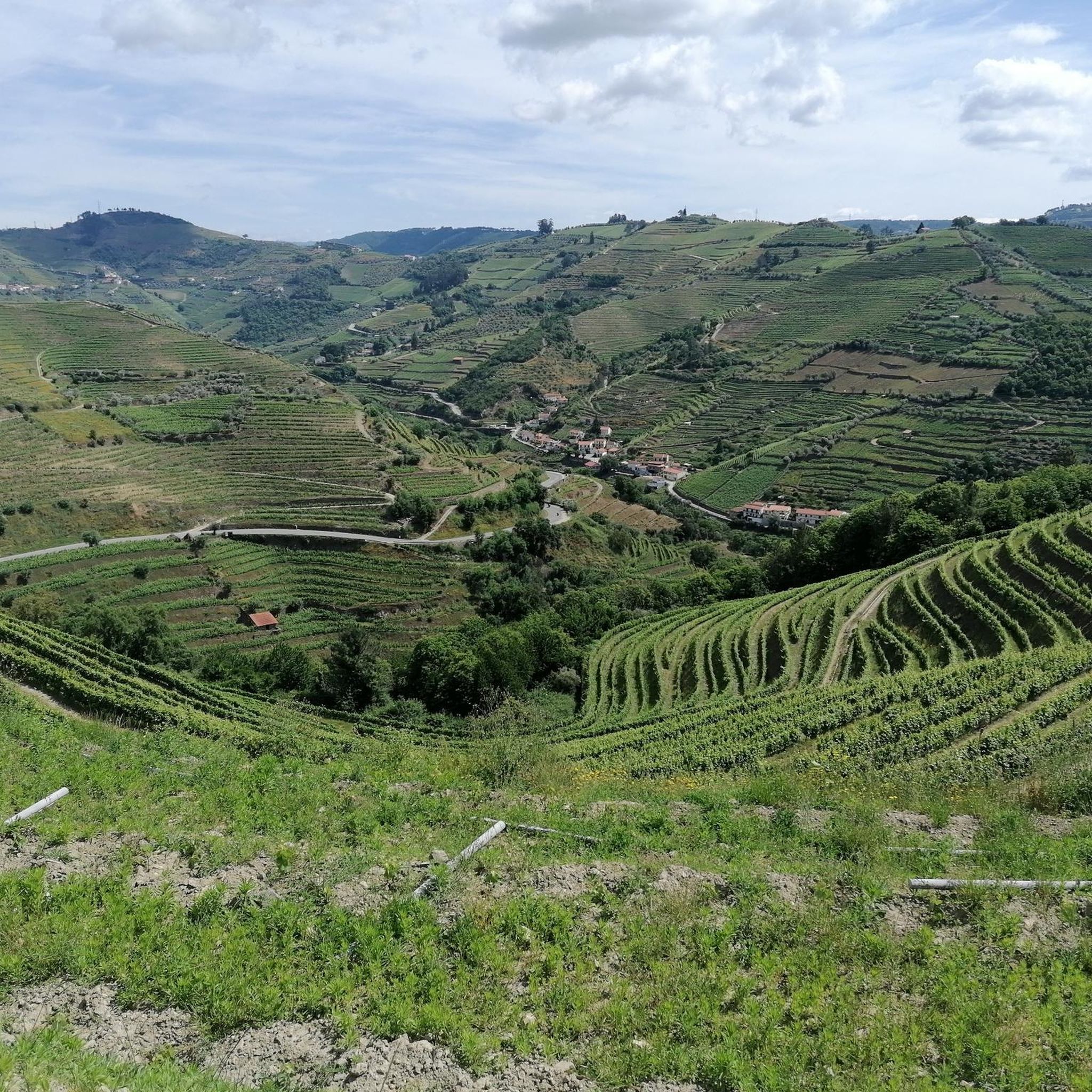
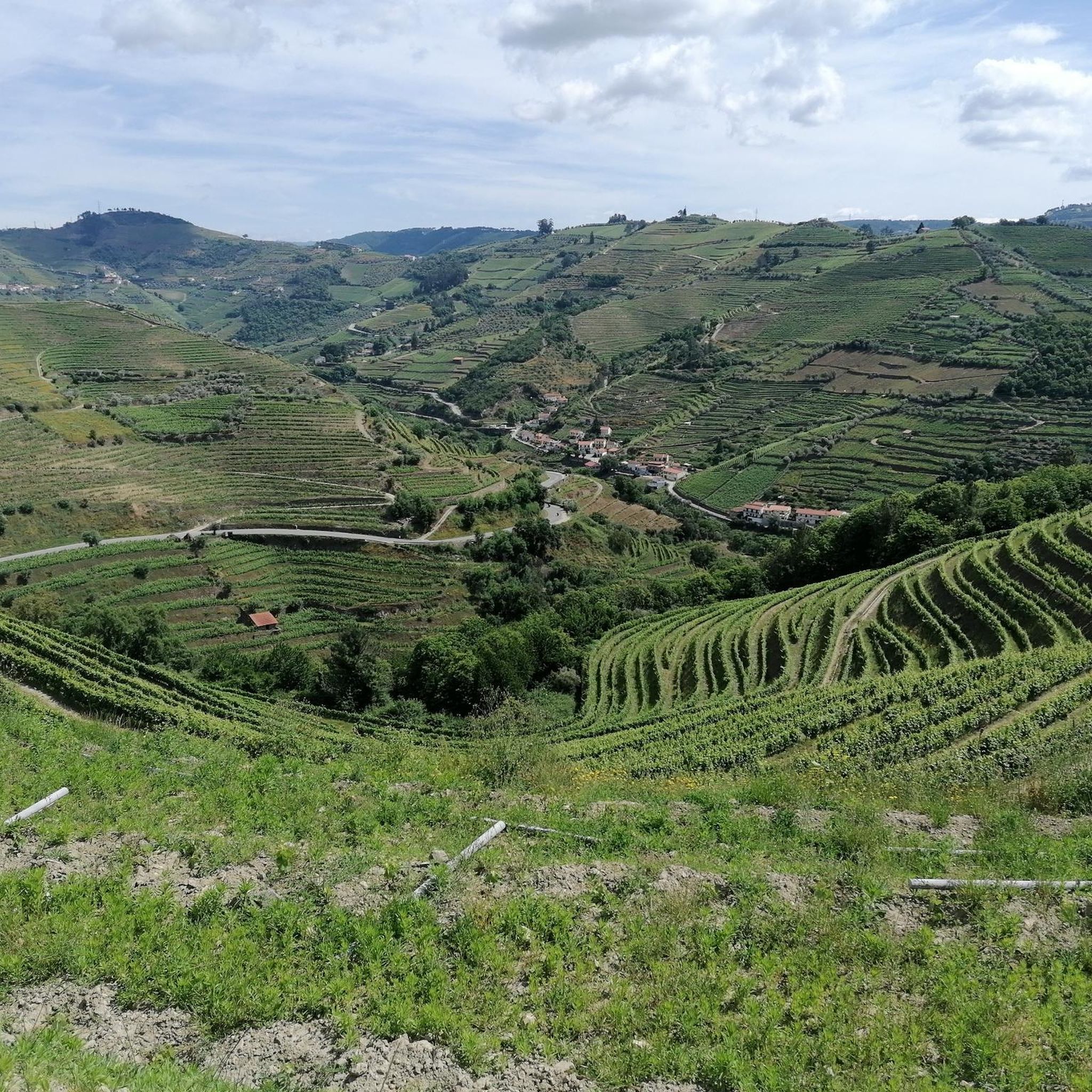
Hiking around Medrões, a locality in the Santa Marta de Penaguião Municipality, offers access to diverse landscapes within the Douro Demarcated Region. The terrain is characterized by terraced vineyards, olive groves, and Mediterranean forests, with elevations reaching 602 meters (1,975 feet) in Medrões itself. To the northwest, the Serra do Marão mountain range provides a more rugged environment with pine forests, streams, and steep slopes. This interplay of cultivated and wild landscapes defines the hiking experience.
Best hiking trails around…
Last updated: June 26, 2026
3.4
(13)
103
hikers
Easy hike. Great for any fitness level. Easily-accessible paths. Suitable for all skill levels.
3.8
(5)
32
hikers
10.7km
03:23
400m
400m
Moderate hike. Good fitness required. Easily-accessible paths. Suitable for all skill levels.

Sign up for free
4.3
(7)
36
hikers
Easy hike. Great for any fitness level. Easily-accessible paths. Suitable for all skill levels.
5.0
(1)
17
hikers
12.4km
04:11
620m
630m
Moderate hike. Good fitness required. Easily-accessible paths. Suitable for all skill levels.
3.0
(2)
11
hikers
Easy hike. Great for any fitness level. Easily-accessible paths. Suitable for all skill levels.
Get access to more routes and recommendations from other explorers.
Sign up for free
Already have an account?
Our route recommendations are based on thousands of hikes, rides, and runs completed by other people on komoot.
Start today with a free account
Your next adventure awaits.
Login or Signup

Tips from the Community

The parking area for motorhomes directly on the Douro River
1
0

The building was built in 1910. It was designed by the architect José Marques da Silva. The building is in the Portuguese Modern style, with Neo-Renaissance influences. It is known for its decorative tiles and elaborately designed façade.
0
0

This highlight is located in Peso da Régua and NOT in Lisbon. Please don't be confused by the misleading comment below. The same goes for the numerous photos, none of which belong here.
2
0

The station is so run-down that it's almost in working order again. Old railway vehicles (burned-out steam locomotives and old wagons) are scattered around the large grounds. There are also many disused tracks, including turntables. At the end of the station, the former storage sheds have been converted into wine shops and restaurants.
2
0
A worthwhile museum, which scores points despite/or because of its very minimalist presentation of the subject matter. At the end, enjoy a port wine on the terrace of the museum's café.
1
0
The bridge is really well-made. The view from the bridge is beautiful, even though there's still a lot that could be done with the buildings at the end.
2
0
The Casa do Douro was established in 1932 as the Douro Winemakers' Union Federation. Its headquarters, dating from 1944, with its exterior clad in polished granite, was designed by Portuguese architect José Porto. Inside, noteworthy are the stained-glass window by painter Lino António and the grand hall, with three central crystal chandeliers, shaped like clusters and weighing over a ton, as well as the Pombaline marker identified with the number 1. When the Douro region was first demarcated, 331 granite markers were placed. The Pombaline markers (so named because the demarcation was designed by the Marquis of Pombal) are all different and share the word Feitoria (vinho de feitoria, synonymous with better-quality wine) and the year (1758 or 1761). At the time, wines were classified according to their quality and destination. The best wine, known as Vinho de Feitoria, was sent to England; Vinho de Embarque was exported to Brazil; and Vinho de Ramo was sold in Portugal. The stained glass window of the Casa do Douro, by painter Lino António, encapsulates the entire dynamic of the Douro Demarcated Region. It covers an area of 50m2 and forms a triptych. In the center panel, we see three large figures. The central figure represents the Casa do Douro and holds a scroll that reads "... Casa do Douro, decree 21,883, November 1932." This means that the government, through the aforementioned Decree-Law, created the Union Federation of Winegrowers of the Douro Region in November 1932, now known as Casa do Douro.
1
0
The monument to Gago Coutinho and Sacadura Cabral in Lisbon was erected in honor of their joint crossing of the South Atlantic route by air. Coutinho and Cabral were the first to complete this journey. They flew from Lisbon to Rio de Janeiro, Brazil, in 1922. Gago Coutinho's account of the flight, along with other documents, was declared a UNESCO World Heritage Site in 2010. You can see the monument to the two adventurers in the Belém district, just a few meters from Lisbon's landmark, the Torre de Belém. It is a remarkable replica of the aircraft used in the successful Atlantic crossing.
1
2
Frequently Asked Questions
What kind of landscapes can I expect to see while hiking around Medrões?
Hiking around Medrões offers a diverse range of landscapes within the Douro Demarcated Region. You'll encounter picturesque terraced vineyards, olive groves, and Mediterranean forests. The area also features the rugged beauty of the Serra do Marão mountain range to the northwest, with its pine forests, streams, and steep slopes. This blend of cultivated and wild environments creates a visually captivating experience.
How many hiking trails are available in the Medrões area?
There are over 15 hiking routes available around Medrões, catering to various skill levels. The Santa Marta de Penaguião Municipality, where Medrões is located, boasts a 'Municipal Network of Hiking Trails' designed to showcase the region's natural, cultural, and historical richness.
Are there any easy hiking trails suitable for beginners or casual walkers?
Yes, there are several easy trails. For instance, the Régua and the Douro River – Régua Riverside Promenade loop from Peso da Régua is an easy 3.5 km route that takes about 1 hour. Another accessible option is the Régua Riverside Promenade – Casa do Douro (House of the Douro) loop from Peso da Régua, which is 5.1 km and typically takes around 1 hour 27 minutes.
What are the difficulty levels of the hiking routes near Medrões?
The hiking routes around Medrões offer a range of difficulty levels. You'll find 6 easy trails, 11 moderate trails, and 1 difficult trail, ensuring options for hikers of all experience levels.
Are there any circular walks available around Medrões?
Yes, many trails in the region are circular. An example is the Régua and the Douro River – Régua Pedestrian Bridge loop from Godim, an easy 6.0 km route that takes about 1 hour 35 minutes. The 'Trilho da Terra e do Céu' (Earth and Sky Trail) is also a circular route, passing through vineyards and olive groves.
What kind of viewpoints or landmarks can I expect to see on the trails?
The region is rich in scenic viewpoints and landmarks. The Douro view is a notable highlight. Medrões itself is home to the Miradouro da Nossa Senhora dos Remédios, offering panoramic views. Trails like the 'Trilho das Belas Vistas' lead to places like the Chapel of Our Lady of Viso, providing magnificent vistas of the landscape and the Serra do Marão.
What do other hikers say about the trails in Medrões?
The trails around Medrões are highly regarded by the komoot community, with an average rating of 4.3 stars from over 90 reviews. Hikers often praise the varied terrain, from terraced vineyards to pine forests, and the stunning views of the Douro River and Serra do Marão.
Are there any specific attractions or points of interest near the hiking routes?
Yes, several attractions are close to the hiking routes. You can visit the Régua Pedestrian Bridge, explore the Régua and the Douro River area, or see the Casa do Douro (House of the Douro). The Douro River cruise dock in Peso da Régua is also nearby.
What is the best time of year to go hiking in Medrões?
The region's Mediterranean climate makes spring and autumn ideal for hiking, offering pleasant temperatures and vibrant natural colors. Summers can be hot, especially in the Douro Valley, while winters are generally mild but can bring rain.
Are there any longer, more challenging hikes in the area?
For those seeking a challenge, the Miradouro de Donsumil loop from Rede is a moderate 12.4 km route with significant elevation gain, typically taking around 4 hours 11 minutes. The 'PR3 – Trilho Senhora da Serra' in the nearby Serra do Marão is also a challenging 13.7 km trail that ascends through forest paths to an altitude of 1416 meters.
Can I reach the hiking areas around Medrões using public transport?
While Medrões itself is a smaller locality, the broader Santa Marta de Penaguião municipality and nearby towns like Peso da Régua are more accessible by public transport, including train and bus services. From these points, local transport or a short drive would be needed to reach specific trailheads.
What are the typical natural features encountered on trails near Medrões?
Hikers will experience a rich variety of natural features, including terraced vineyards, olive groves, and dense pine and oak forests. Trails often follow streams, reveal ravines and escarpments of the Marão mountain, and are adorned with hazel, chestnut trees, and various aromatic flowers.
Most popular routes around Medrões
Most popular attractions around Medrões

Get inspired with the komoot mobile app


Explore more
Browse the best Hikes in other regions.
