Attractions and Places To See around Beijós - Top 20
Best attractions and places to see around Beijós include historical sites and natural landscapes. This historic Portuguese village in the district of Viseu offers a glimpse into a past spanning over two millennia, characterized by traditional architecture and an agricultural landscape. The area provides notable historical and natural attractions for visitors seeking to explore its heritage and outdoor opportunities.
Best attractions and places to see around Beijós
- The most popular attractions is Ecopista do Dão, a cycle way that…
Last updated: October 18, 2026
Lapa da Orca Dolmen
Highlight • Historical Site
Translated by Google •
Tip by

Anta da Palheira
Highlight • Historical Site
cm-carregal.pt/pages/1027?poi_id=129
ORCA/ANTA from PALHEIRA is located in the megalithic nucleus of Fiais/Ameal. It is …
Translated by Google •
Tip by

Sign up now to discover places like this
Get recommendations on the best single tracks, peaks, & plenty of other exciting outdoor places.
Ecopista do Dão
Highlight (Segment) • Cycleway
Translated by Google •
Tip by

Tondela Old Train Station on the Ecopista do Dão
Highlight • Monument
Translated by Google •
Tip by

Tondela Old Railway Station
Highlight • Monument
Translated by Google •
Tip by

Sign up for free to discover even more attractions around Beijós.
Already have an account?
Start today with a free account
Your next adventure awaits.

Tips from the Community

Designated a National Monument since 1974, this structure retains the nine upright stones of its main chamber, which is three meters high, and the capstone (covering slab) practically intact. The access corridor to the chamber has 15 upright stones and preserves all the covering slabs, with the dolmen being inserted into a tumulus (or mound, which originally covered the entire stone structure of the monument) approximately 20 meters in diameter. Its construction is believed to have occurred during the Neolithic-Chalcolithic period (between the end of the Neolithic and the beginning of the Chalcolithic), corresponding to the end of the 4th millennium BC. The region where the Orca Dolmen is located shows traces of continuous human activity and occupation since the prehistoric period. It is situated in an area with orographic characteristics conducive to human settlement, being close to a watercourse (the Mondego River) and possessing vast hunting resources. We know that shepherding has been a source of livelihood and income for centuries for the populations of the region, situated on a livestock route between the highlands of the Serra da Estrela and the Mondego valley.
1
0

This Orca/Anta is part of a tour circuit: PREHISTORIC CIRCUIT OF FIAIS/AZENHA in Carregal do Sal. https://www.cm-carregal.pt/pages/1027?poi_id=129 ORCA/ANTA from PALHEIRA is located in the megalithic nucleus of Fiais/Ameal. It is a monument of considerable size, which can be placed, architecturally, within the large group of monuments of Beira. It has a polygonal chamber with nine pillars, with an elongated corridor. However, its peculiar characteristics make this monument the rarest and most representative example of the circuit, given that at a somewhat later and yet to be determined period, a considerable barn was built around its central structure, which is part of that farm. Thus, the dolmen remained incorporated within it and was used as a dwelling until the 1970s.
2
0

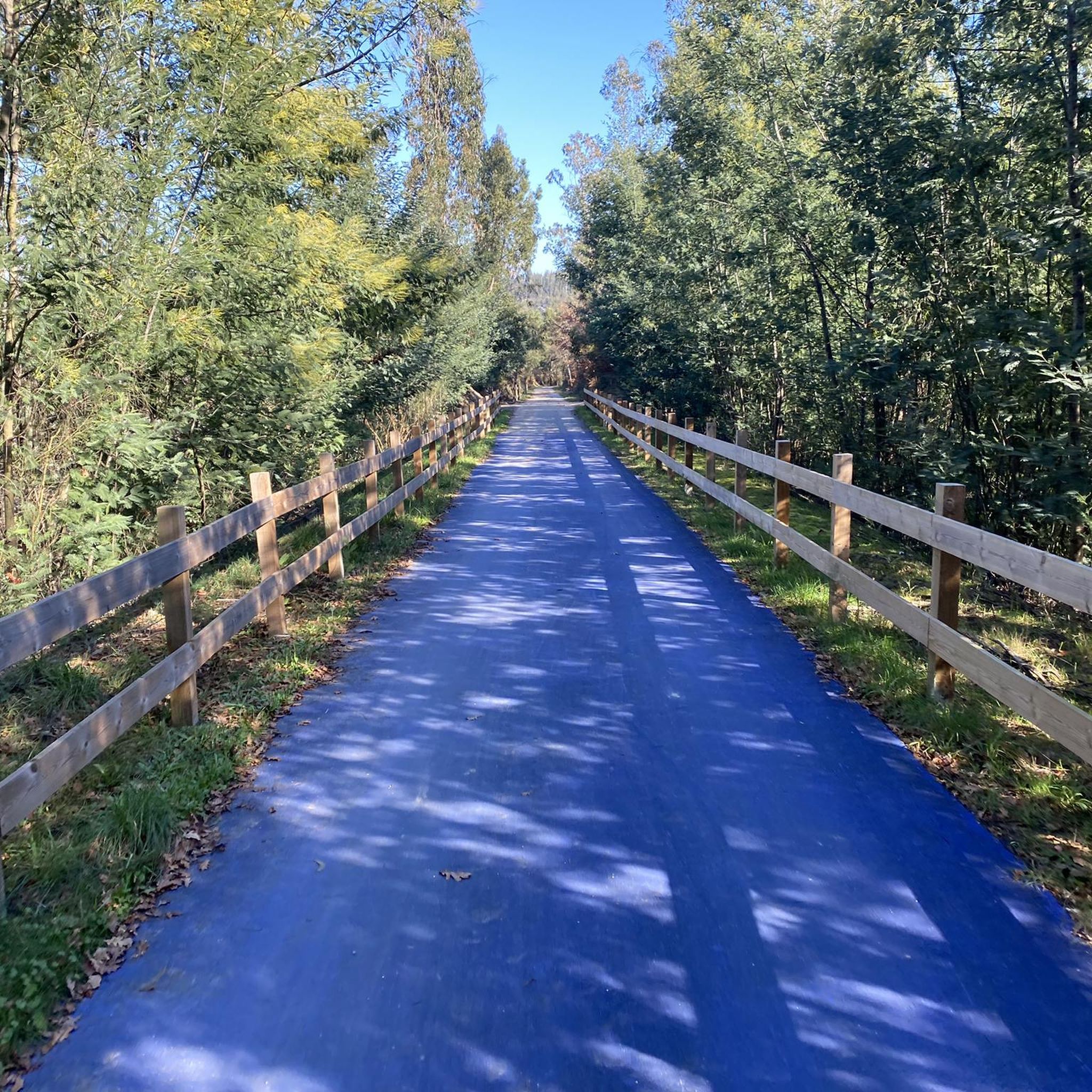
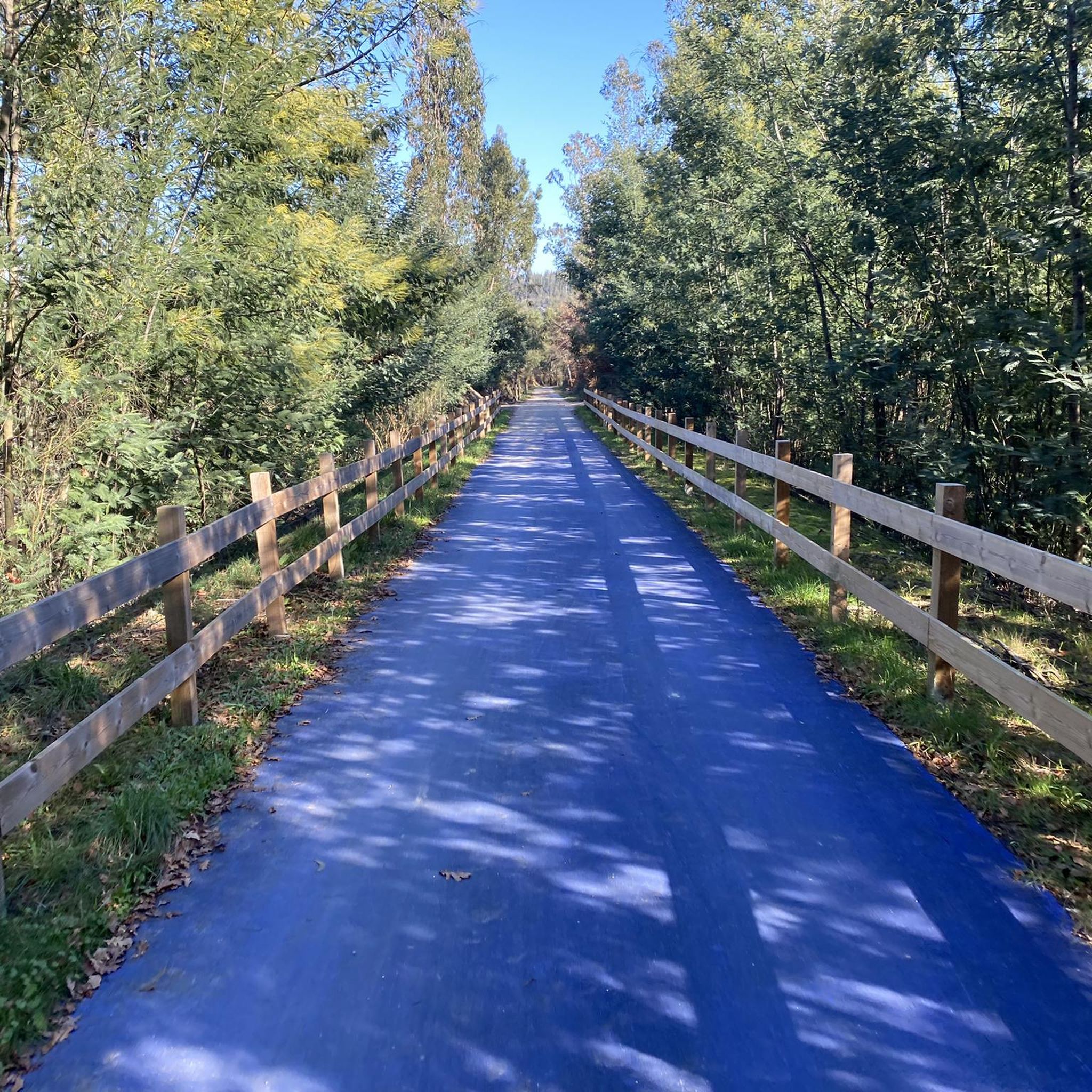
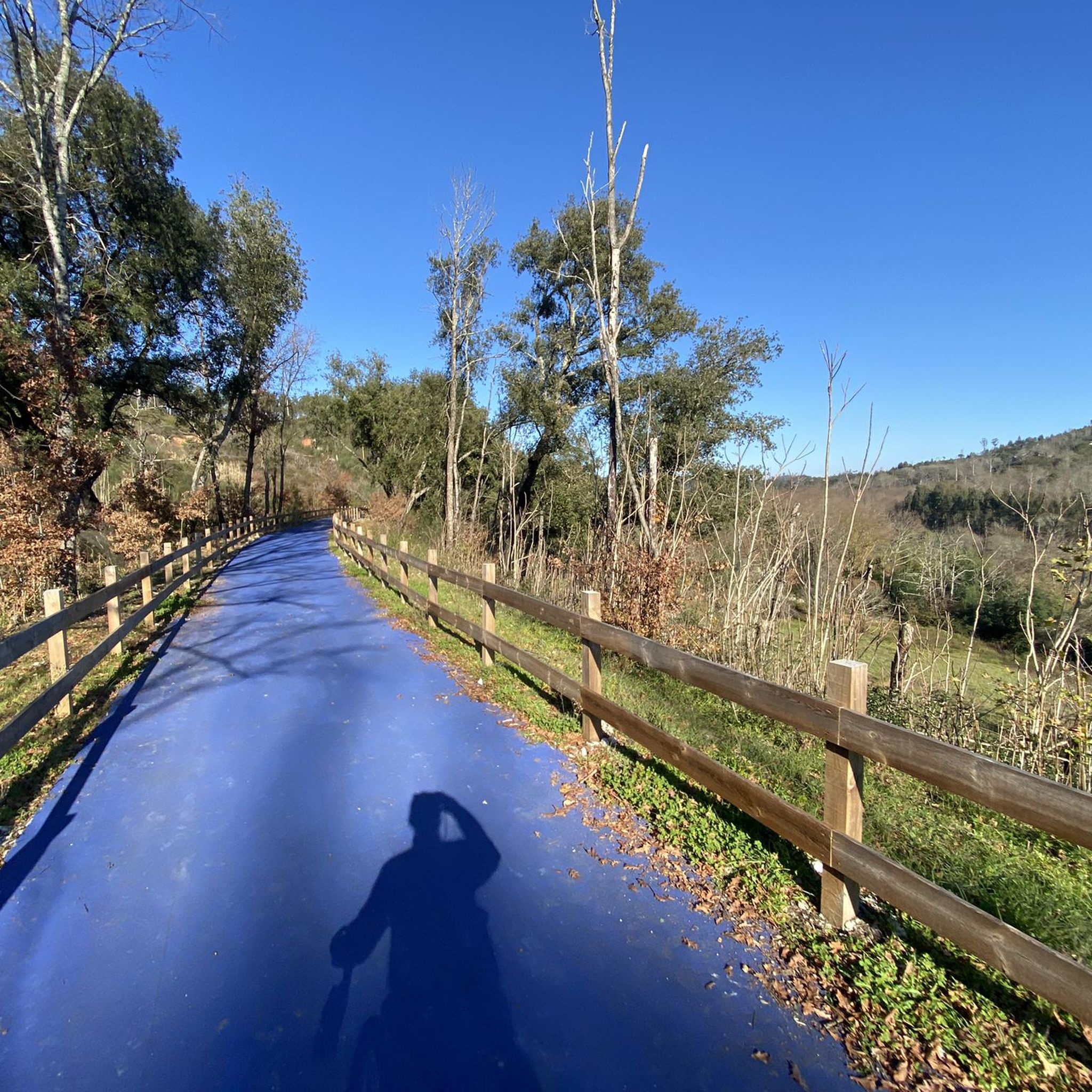
I also highly recommend this bike path, a real interstate for cyclists, with asphalt all the way and beautiful surroundings!
4
0
Self-service bike repair station, open 24/7 with basic tools and also compressor air for both presta and schrader valves.
2
0

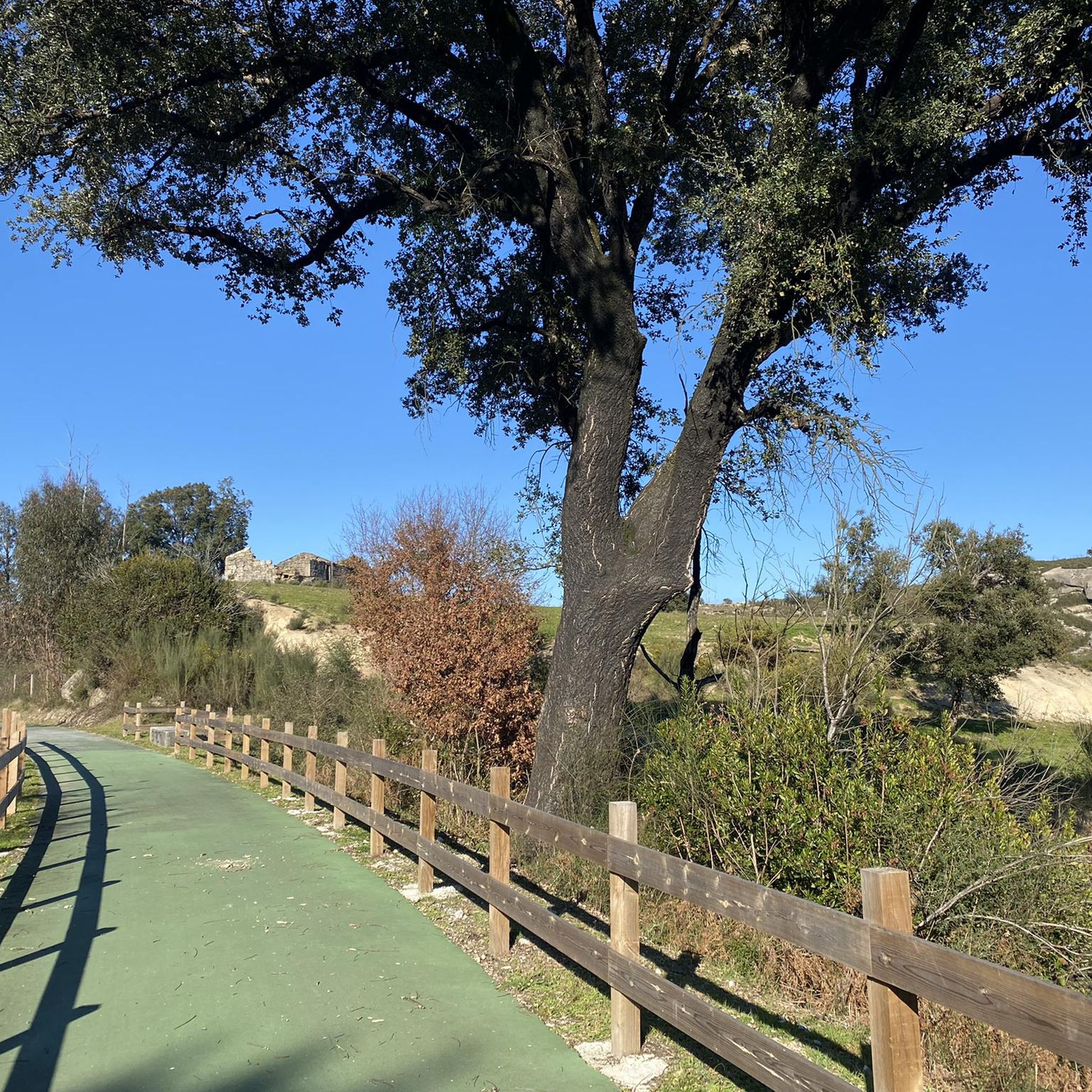
Tondela is located approximately halfway along the Ecopista, which runs for almost 50 km between Viseu and Santa Comba Dão. The section of the Ecopista that passes through the municipality of Tondela is characterized by green asphalt, distinguishing it from the other sections. The old Tondela station is a fascinating element of the Ecopista do Dão, a reminder of the region's railway history.
1
0

It is one of the largest dolmens in Portugal and one of the best preserved.
3
0


Next to this old station, right next to Ecopista there is an excellent space to eat or just have a coffee. The place is called Ninha d' Arara and also offers accommodation for the night.
4
0
Frequently Asked Questions
What historical sites can I visit around Beijós?
Beijós is rich in history. You can explore the impressive Lapa da Orca Dolmen, one of Portugal's largest and best-preserved dolmens, dating back to the Neolithic-Chalcolithic period. Another significant site is Anta da Palheira, a monument with a polygonal chamber that was uniquely incorporated into a barn and used as a dwelling until the 1970s. Both are part of the Prehistoric Circuit of Fiais/Azenha.
Are there any good cycling routes near Beijós?
Absolutely! The Ecopista do Dão is a highly recommended car-free cycleway, considered one of the most beautiful in Portugal. It offers a serene environment for cycling and hiking with asphalt all the way. You can find various cycling routes around Beijós, including loops from Tondela and Oliveirinha-Cabanas, by visiting our Cycling around Beijós guide.
What natural attractions are there in the Beijós area?
The region around Beijós is characterized by beautiful agricultural landscapes, featuring open fields, corn plantations, and vineyards. The Lapa da Orca Dolmen is also situated near the Mondego River, an area known for its natural beauty and historical significance for human settlement.
Are there family-friendly attractions or activities in Beijós?
Yes, several attractions are suitable for families. The Ecopista do Dão is a car-free path perfect for family cycling or walking. The Lapa da Orca Dolmen is also categorized as family-friendly, offering an educational historical experience. Additionally, the Tondela Old Train Station on the Ecopista do Dão provides facilities and a pleasant stop for families.
What kind of facilities can I find along the Ecopista do Dão?
Along the Ecopista do Dão, you'll find excellent facilities, particularly at the Tondela Old Railway Station. This spot offers an excellent space to eat or have coffee at Ninha d' Arara, a bike wash station, and a self-service bike repair station equipped with basic tools and a compressor for various valve types.
Can I go hiking near Beijós?
Yes, there are several hiking opportunities. The Ecopista do Dão is suitable for hiking, and the region offers dedicated hiking trails. You can find moderate hiking loops like the Anta da Palheira – Lapa da Orca Dolmen loop or the Cimalinhas Trail loop. Explore more options in our Hiking around Beijós guide.
What is the significance of the Historic Village of Beijós itself?
The Historic Village of Beijós boasts over 2000 years of history. Visitors can immerse themselves in its cultural heritage by exploring quaint streets, admiring typical stone constructions and traditional architecture, and experiencing its peaceful, agricultural atmosphere. The main church of Beijós is also a notable point of interest.
Is there anything unique about the historical monuments in the area?
Yes, the Anta da Palheira is particularly unique because it was incorporated into a barn and used as a dwelling until the 1970s, making it a rare example of how ancient structures were adapted for modern use. The Lapa da Orca Dolmen is also one of the largest and best-preserved dolmens in Portugal.
What do visitors enjoy most about the attractions around Beijós?
Visitors particularly appreciate the serene and car-free environment of the Ecopista do Dão for cycling and hiking, often calling it one of Portugal's most beautiful cycle paths. The historical significance and excellent preservation of sites like the Lapa da Orca Dolmen also receive high praise.
Are there any running trails available near Beijós?
Yes, the area offers several running trails. You can find various running loops with moderate to difficult grades, originating from nearby towns like Nelas, Silgueiros, and Carregal do Sal. For detailed routes, refer to our Running Trails around Beijós guide.
What is the Fonte de Ribeiro?
The Fonte de Ribeiro is a historic fountain in Beijós, possibly dating back to the mid-16th century. It is notable for its architectural elements, including visible arch stones and a triangular classical pediment. Historically, it served as a vital water source for the village and surrounding agricultural fields.
Is the Tondela Old Railway Station worth visiting?
Yes, the Tondela Old Railway Station is a fascinating stop, especially if you're on the Ecopista do Dão. It's a man-made monument that serves as a reminder of the region's railway history and offers convenient facilities like a cafe, bike wash, and self-service bike repair station.
Most popular routes around Beijós

Get inspired with the komoot mobile app


Explore more
Still not found the Highlight you’re looking for? See guides of the top attractions in other regions:
