Attractions and Places To See around Levoca - Top 16
Best attractions and places to see around Levoca include a rich collection of historical and natural sites in eastern Slovakia. This UNESCO World Heritage site features a well-preserved medieval Old Town, surrounded by ancient walls. The region is characterized by its cultural significance, architectural beauty, and proximity to natural landscapes like the Levočské vrchy mountains. Visitors can explore a variety of landmarks, from historic churches to unique geological formations.
Best attractions and places to see around Levoca
- The most popular…
Last updated: August 11, 2026
St. James Basilica
Highlight • Religious Site
The interior mainly contains pie pieces / altarpieces, from different periods, from the …
Translated by Google •
Tip by

Spišská Kapitula
Highlight • Religious Site
More information: de.wikipedia.org/wiki/Kathedrale_des_heiligen_Martin_(Spi%C5%A1sk%C3%A1_Kapitula)
Translated by Google •
Tip by

Sign up now to discover places like this
Get recommendations on the best single tracks, peaks, & plenty of other exciting outdoor places.
Sign up for free
Sivá Brada Travertine Spring
Highlight • Natural Monument
Translated by Google •
Tip by

St. Martin's Cathedral, Spišská Kapitula
Highlight • Religious Site
Translated by Google •
Tip by
Cage of Shame in Levoča
Highlight • Historical Site
The cage served not only to expose the accused to public disgrace, but also as a warning to others.
severovychod.sk/vylet/klietka-hanby-v-levoci
Translated by Google •
Tip by

Basilica of the Visitation of the Blessed Virgin Mary on Mariánska Hora
Highlight • Religious Site
The last reconstruction took place in …
Translated by Google •
Tip by
Kupecká Bašta Restaurant
Highlight • Restaurant
Translated by Google •
Tip by

Spiš Castle
Highlight • Castle
Translated by Google •
Tip by

Levoča
Highlight • Settlement
Translated by Google •
Tip by

Stations of the Cross on Mariánska Hora
Highlight • Religious Site
The Stations of the Cross are part of the relaxation and …
Translated by Google •
Tip by
Sign up for free to discover even more attractions around Levoca.
Sign up for free
Already have an account?
Start today with a free account
Your next adventure awaits.
Login or Signup
Tips from the Community

The place is an important pilgrimage destination in Central Europe with a history dating back to the 13th century. The church is located at an altitude of 780 meters and offers a wide view over the Zips region.
0
0

In the summer of 2019, a new Stations of the Cross with 14 chapels was blessed on Mariánská Hora. The Stations of the Cross are part of the relaxation and meditation zone for pilgrims and visitors to this largest Slovak pilgrimage site. The bronze sculptures were created by Ján Lesňák, a sculptor from Levoča who is dedicated to sacred art. The Stations of the Cross on Levoča Hora commemorates the statement of St. John Paul II: You will not find love without the cross, you will not bear the cross without love.
0
0
A medieval metal pillory or cage of shame from the 16th century. The cage was used to punish minor offenses. The cage served not only to expose the accused to public disgrace, but also as a warning to others. https://www.severovychod.sk/vylet/klietka-hanby-v-levoci/
0
0
Mariánska hora is one of the oldest pilgrimage sites in eastern Slovakia. The origins of the Marian cult date back to the 13th century. The last reconstruction took place in 1906-1914, when the church acquired its current appearance. The original Gothic statue of the Virgin Mary from the second half of the 15th century remained on the main altar. The new church was consecrated by the Spiš bishop Ján Vojtaššák on July 2, 1922. There is a nice view of Levoča from the mountain. https://sk.m.wikipedia.org/wiki/Bazilika_Nav%C5%A1t%C3%ADvenia_Panny_M%C3%A1rie_na_Mari%C3%A1nskej_hore
0
0

According to the Guinness Book of Records, the second largest castle complex in Central Europe after Prague Castle is located here, in the middle of a landscape characterized by gently rolling hills. Spiš Castle rises on a rocky travertine cone at a height of 630 meters. Its outer walls alone cover an area of 41,426 square meters. According to excavations, the chain of hills in what is now Slovakia was already inhabited in Celtic times. Spiš Castle, however, was not built until the 12th century and was used as the administrative headquarters of the Spiš landowners. In the second half of the 15th century, the new owner Stefan Zapolya converted the castle into a representative aristocratic residence. A palace, a knight's hall and a chapel were built on the four-hectare site. His son John, who later became King of Hungary, was also born in Spiš Castle. After two devastating fires, the castle was finally abandoned in the 18th century. It gradually fell into ruin and was only awakened from its deep sleep by monument conservationists in the 1970s. And the extensive work was worth it: since 1993, the Spiš Castle has been a UNESCO World Heritage Site and today houses a museum.
0
0
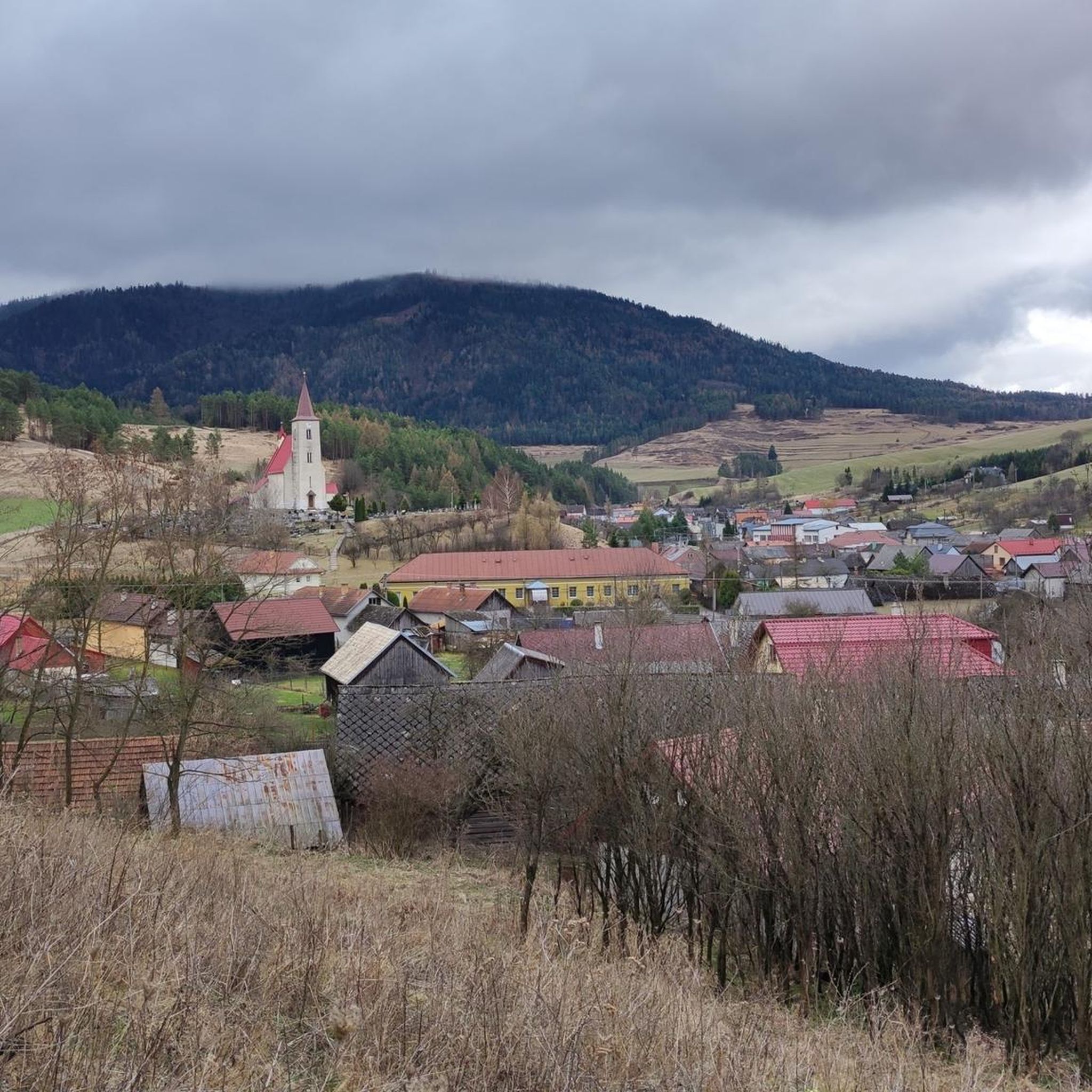
The ancient town of Levoča, in the east of the Spiš region, is literally a cultural and historical treasure among Slovak towns with countless monuments connected to the history of this famous town. The Spiš town of Levoča (14,500 inhabitants) in eastern Slovakia at the foot of the Levočské vrchy mountains is very popular with tourists thanks to its rich history. HISTORY Spiš Levoča was first mentioned in a document from 1249 under the name Leucha. The settlement flourished thanks to its location on the Via Magna (Great Road) trade route and quickly developed into a town with many privileges. In a short time, Levoča became the main centre of the German colonisation of Spiš and in 1271 it was even made the capital of the Spiš Saxon community. However, further development led to a weakening of the community's influence and Levoča was finally declared a royal free town in 1323. The main driving force behind Levoča's development was trade, which gradually took on international dimensions. The townspeople traded with Kraków, the Hanseatic cities and even Venice. Local craftsmen produced goods not only for local needs, but also for markets and fairs in Greater Hungary and Poland. Later, Levoča became one of the main centres of the Renaissance and humanism in Greater Hungary. SIGHTS The protected urban area of Levoča is a unified complex of important cultural and historical monuments delimited by a rectangle of well-preserved town walls. The focal point of "old" Levoča is the large rectangular square. The Roman Catholic parish church of St. James from the 14th century is one of the most important sacral buildings in Slovakia. The tall, narrow tower of St. James' Church from the first half of the 19th century is the most striking feature of the city's skyline.
0
0

On August 1, 2023, the spring, which means "grey beard" in German, gushed. Sivá Brada is a travertine hill near Spišské Podhradie. A mineral spring springs up at the top, forming a small lake, with other mineral springs springing up nearby. It is currently a national nature reserve. The mound is located in the Hornádská kotlina in the sedimentary layer of the Paleogene Basin of the Central Carpathians. Like other travertine hills in the Spišské Podhradie area, Sivá Brada is a consequence of the existence of transverse faults in the eastern continuation of the Vikart ridge and faults delimiting the Branisko Mountains. Along the faults, circulating CO2-rich groundwater emerges from the underlying Mesozoic limestones in the deeper parts of the basin. The travertines date from the Holocene to recent times. The currently active mound formed several decades ago as a parasitic seep at the base of an older mound.
0
0

It is a former fortified town that has been part of the neighboring town of Spišské Podhradie (German Kirchdrauf) since 1948. The heart of the former city is the Cathedral of St. Martin. It is the cathedral church of the Zips diocese and was built between 1245 and 1273 as a three-nave basilica with two Romanesque towers.
3
0
Frequently Asked Questions
What historical and cultural landmarks can I explore in Levoča?
Levoča is rich in history. You can visit the impressive St. James Basilica, home to the world's tallest wooden Gothic altar by Master Paul. Explore the Renaissance Old Town Hall, see the historic Cage of Shame, and walk along the well-preserved medieval town walls. The main square, Námestie Majstra Pavla, is lined with beautiful burgher houses.
Are there any UNESCO World Heritage sites near Levoča?
Yes, Levoča itself is a UNESCO World Heritage site, particularly its historic Old Town. Additionally, just a short distance away, you'll find Spiš Castle, one of Central Europe's largest castle complexes, and Spišská Kapitula, known as the "Slovak Vatican," both of which are also UNESCO sites.
What natural attractions are there in the Spiš region around Levoča?
The region offers several natural wonders. You can visit Sivá Brada Travertine Spring, a unique travertine mound with a bubbling mineral spring. For more extensive natural exploration, the Slovak Paradise National Park is nearby, featuring stunning gorges, waterfalls, and challenging hiking trails. The Rocky town of Dreveník also offers unique geological formations and cliffs.
What outdoor activities can I do near Levoča?
The area around Levoča is excellent for outdoor enthusiasts. You can find numerous hiking trails, including those in the nearby Slovak Paradise National Park. For running, explore routes like the Levočská priehrada loop. Cyclists can enjoy road cycling routes such as the challenging Prielom Hornádu loop. Find more details on specific routes in the hiking, running, and road cycling guides.
Are there family-friendly attractions around Levoča?
Yes, many attractions are suitable for families. The historic centers of Levoča and Spišské Podhradie offer engaging walks. Children might enjoy exploring Spiš Castle. For a refreshing activity, the Levočská dolina Natural Swimming Pools provide recreational opportunities with varying depths. Many religious sites like St. Martin's Cathedral are also marked as family-friendly.
Where can I find panoramic views of Levoča and the surrounding area?
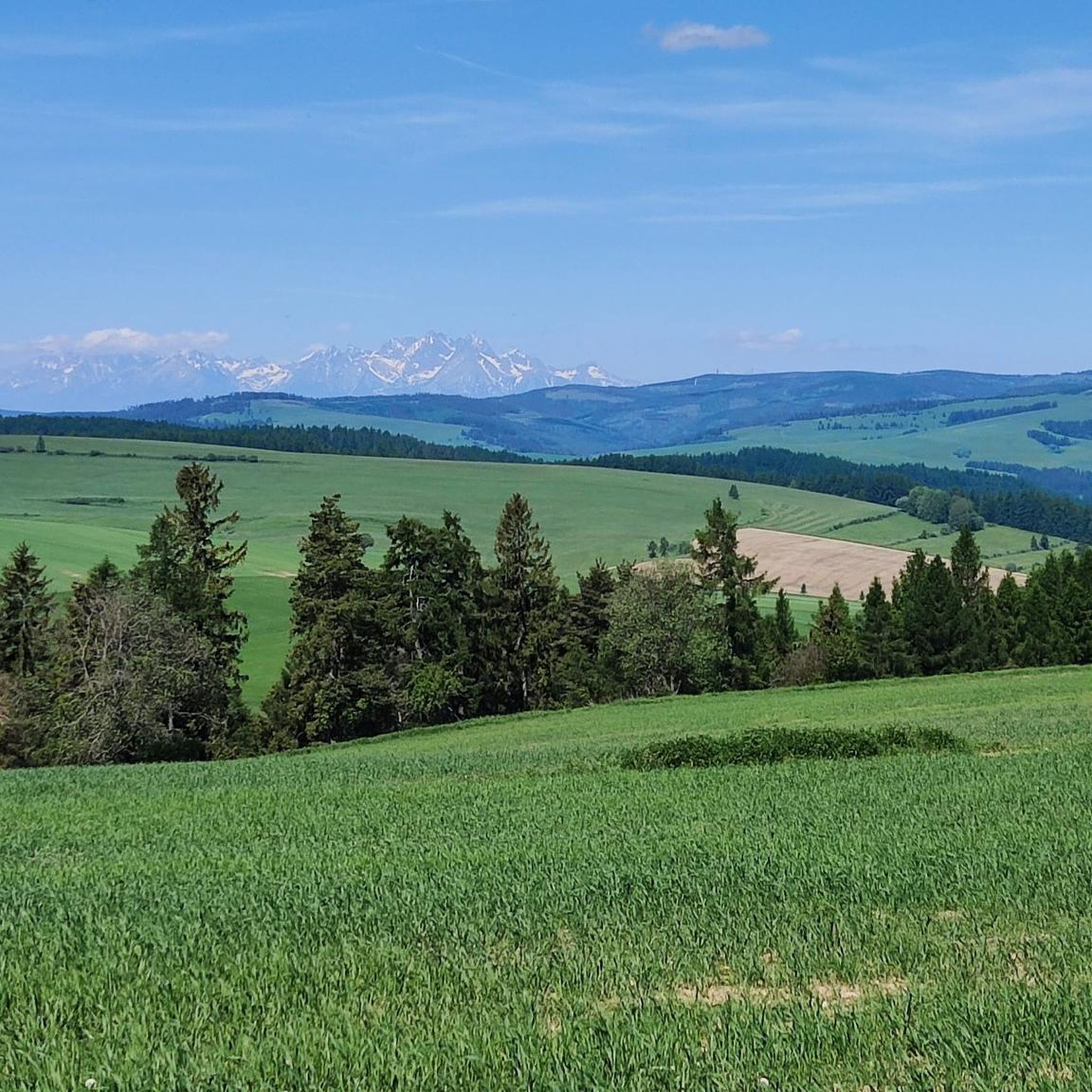
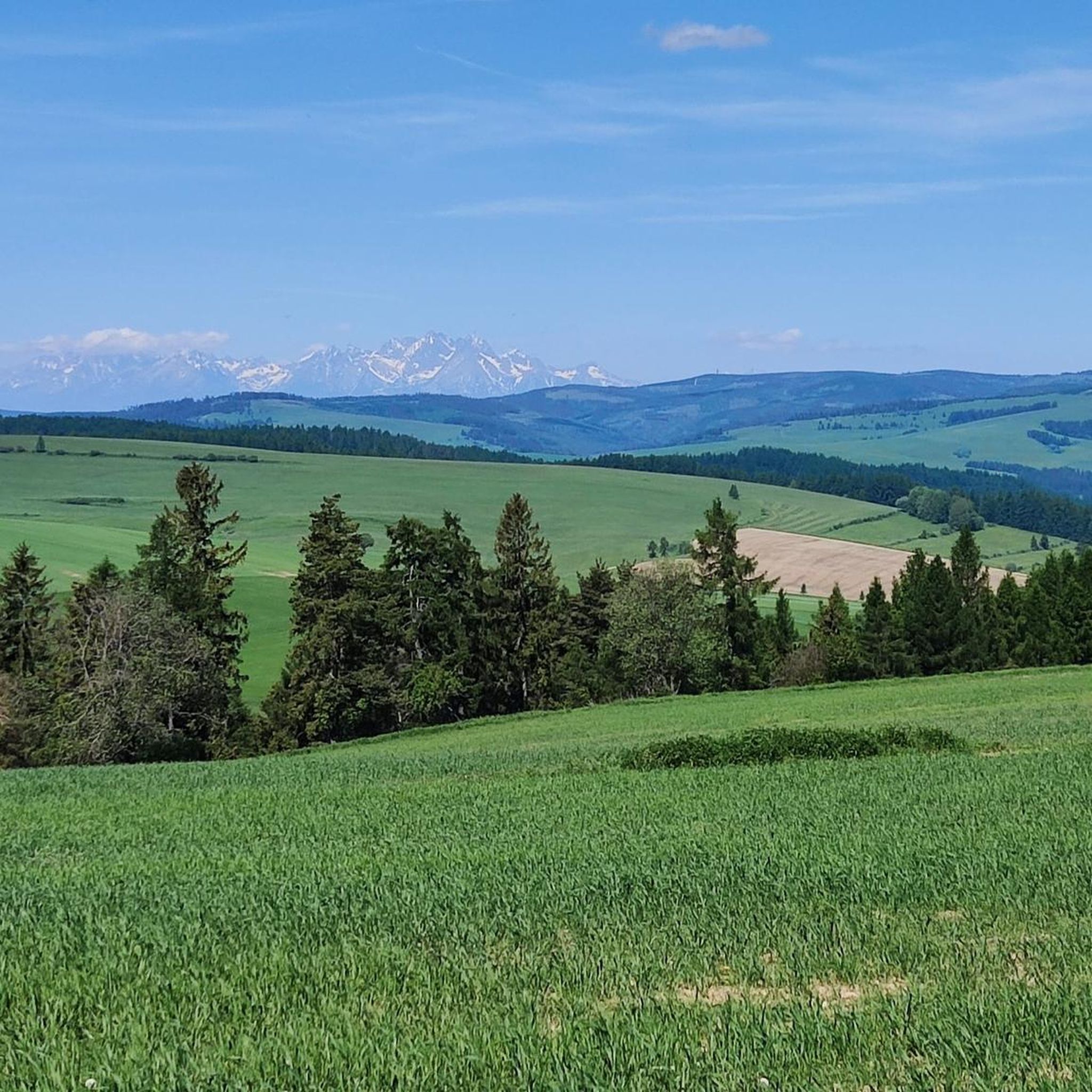
For splendid panoramic views, head to Mariánska hora (Marian Hill). This globally recognized pilgrimage site, home to the Basilica of the Visitation of the Blessed Virgin Mary, offers breathtaking vistas of Levoča and the Levočské vrchy mountains.
What is the significance of Master Paul in Levoča?
Master Paul of Levoča was a renowned late-Gothic sculptor. His most famous work is the monumental wooden altar in St. James Basilica, which stands as the tallest of its kind in the world. You can learn more about his life and work at the Master Paul's House Museum in the town square.
Are there any unique natural phenomena to see near Levoča?
Beyond the Sivá Brada Travertine Spring, you can visit the Ružbašský Crater in Vyšné Ružbachy. This is Central Europe's largest travertine crater, featuring a distinctive circular pond with blue-green water formed by mineral-rich springs.
What is the best time to visit Levoča for sightseeing?
The best time to visit Levoča for sightseeing is generally during the spring (May-June) and early autumn (September-October) when the weather is pleasant for exploring the Old Town and nearby natural sites. The main pilgrimage to Mariánska hora occurs annually on the first weekend of July, which can be a unique cultural experience, though the town will be busier.
What do visitors enjoy most about the attractions around Levoča?
Visitors particularly appreciate the rich history and well-preserved medieval architecture of Levoča's Old Town. The grandeur of St. James Basilica and its altar, along with the historical significance of Spišská Kapitula and Spiš Castle, are frequently highlighted. The proximity to natural beauty like the Slovak Paradise National Park also adds to the appeal, offering a diverse experience.
Can I find places to eat or drink within Levoča's historic center?
Yes, Levoča's historic center offers several options for dining. You can find restaurants and cafes, such as Kupecká Bašta Restaurant, providing opportunities to enjoy local cuisine and refreshments after exploring the town's landmarks.
Most popular routes around Levoca

Get inspired with the komoot mobile app


Explore more
Still not found the Highlight you’re looking for? See guides of the top attractions in other regions:
