Attractions and Places To See around Idrija - Top 20
Best attractions and places to see around Idrija include a diverse array of natural features, historical sites, and cultural landmarks. This Slovenian town is recognized as a UNESCO World Heritage Site and a UNESCO Global Geopark, highlighting its geological, natural, and cultural significance. The region is known for its mercury mining history and bobbin lace-making tradition, offering insights into its unique heritage. Visitors can explore a landscape characterized by wild ravines, forests, and significant historical infrastructure.
Best attractions and places to see around Idrija
- The most popular attractions is Divje Jezero (Wild Lake), a lake that is a karst siphon lake located approximately 2 km from Idrija. This natural monument is one of Slovenia's deepest lakes, explored to a depth of 160 meters, and is the source of the Jezernica, Slovenia's shortest river.
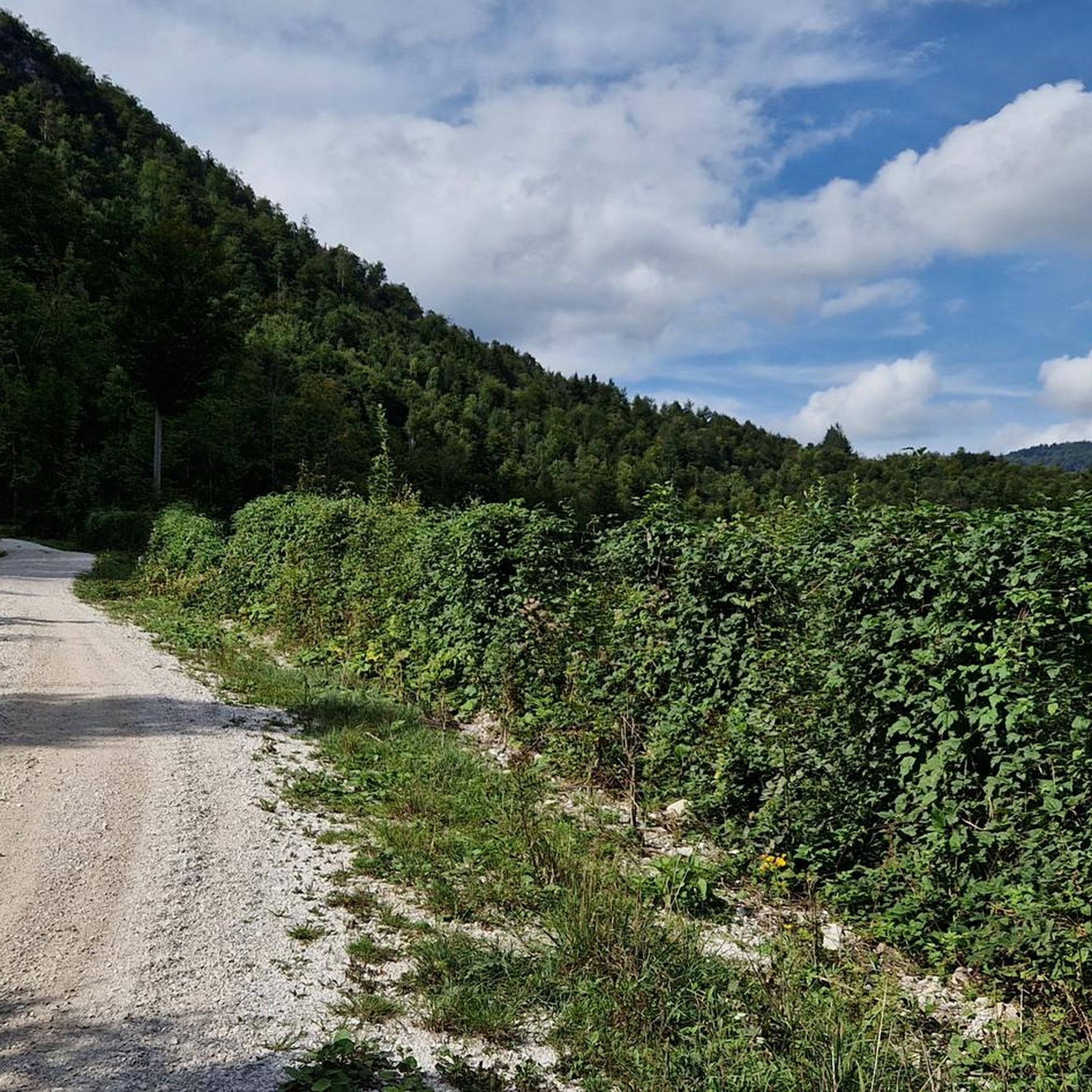
- Another must-see spot is Paradana Road, a trail that leads to the Paradana Ice Cave, where ice is present all year round. This remote gravel road is situated deep in the forests, often above 1000 meters in elevation.
- Visitors also love St. Anthony's Church and Calvary Hill, Idrija, a religious building and historical site. This location offers panoramic views and features the Church of St. Anthony along with the Stations of the Cross.
- Idrija is known for its historical sites, natural monuments, and cultural heritage. The area offers a variety of attractions to see and explore, from ancient mining infrastructure to unique geological formations.
- The attractions around Idrija are appreciated by the komoot community, with 41 upvotes and 48 photos shared by visitors.
Last updated: October 4, 2026
Divje Jezero (Wild Lake)
Highlight • Lake
Translated by Google •
Tip by

Paradana Road
Highlight (Segment) • Trail
Tip by

Sign up now to discover places like this
Get recommendations on the best single tracks, peaks, & plenty of other exciting outdoor places.
Hleviška Planina Mountain Hut
Highlight • Mountain Hut
In the hut.
Translated by Google •
Tip by

Javornik Ski Hut
Highlight • Mountain Hut
Translated by Google •
Tip by

Suspension Bridge at Divje Jezero
Highlight • Bridge
Translated by Google •
Tip by
Pirnatova Hut on Javornik
Highlight • Mountain Hut
Translated by Google •
Tip by

Idrija town centre
Highlight • Settlement
Translated by Google •
Tip by

Gor. Kanomlja
Highlight • Mountain Pass
Tip by

Idrija Kamšt (329 m)
Highlight • Monument
In the past, there were several Kamšts in Idrija, but only the largest of them has survived, which pumped water from the Jožef shaft. It was built in 1790, and the diameter of the wheel measures 13.6 meters. The wheel was connected to a 75-meter-long horizontal wooden frame. The horizontal movement was transmitted to a vertical wooden pole, which was connected to step-by-step piston pumps. In one minute, the Kamšt pumped up to 400 liters of water, first from a depth of 235 m, and later even from a depth of 283 m. Due to its efficient pumping, it operated until 1953, i.e. for 163 years. The driving water flowed through a special canal called Rake, 3.5 km long, which was built around 1600 for the supply of driving water. The power of the Kamšti was between 75 and 100 horsepower, and the wheel took 13 seconds to make one revolution.
Translated by Google •
Tip by

St. Anthony's Church and Calvary Hill, Idrija
Highlight • Religious Site
Translated by Google •
Tip by

Sign up for free to discover even more attractions around Idrija.
Already have an account?
Start today with a free account
Your next adventure awaits.
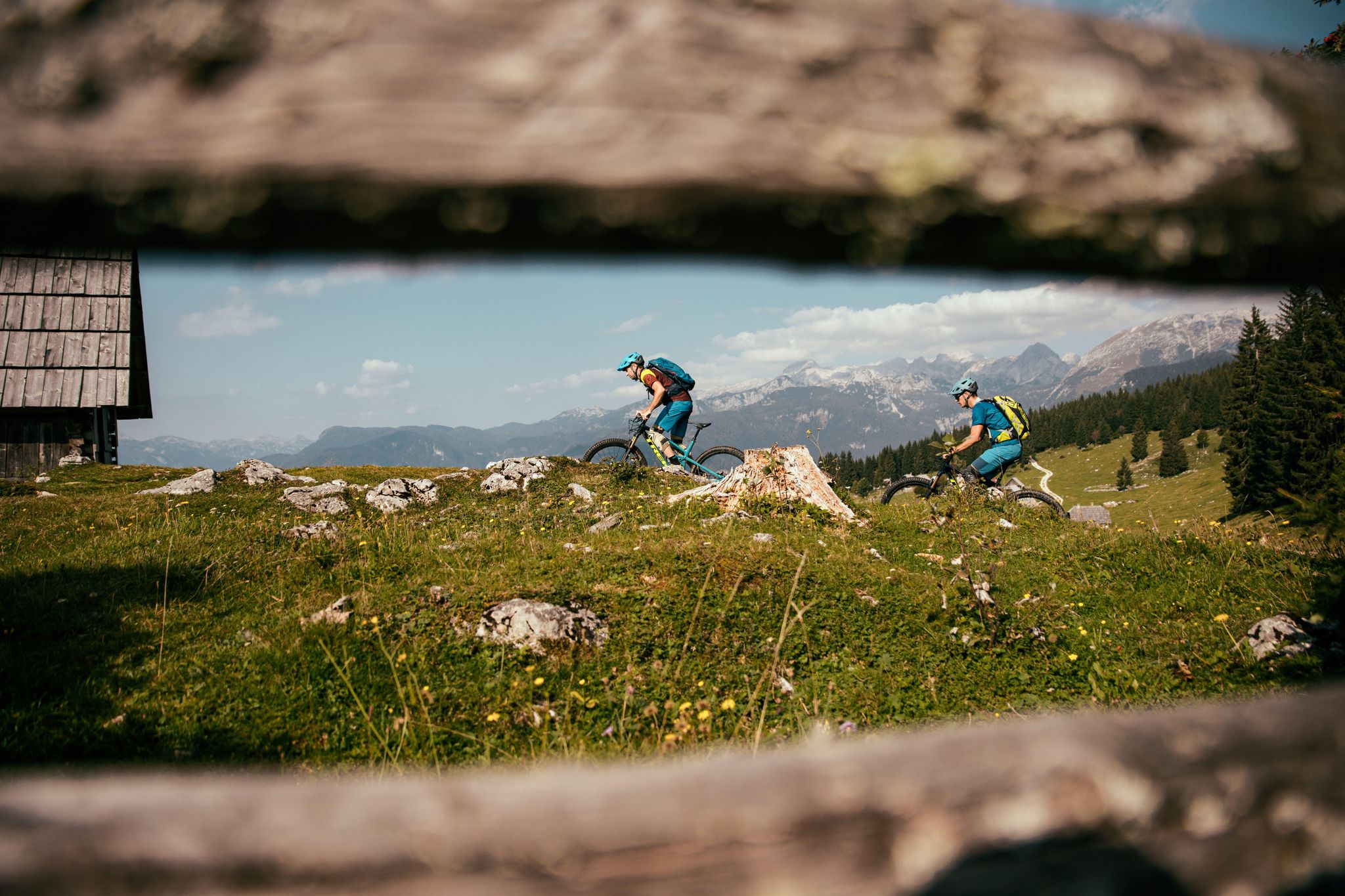
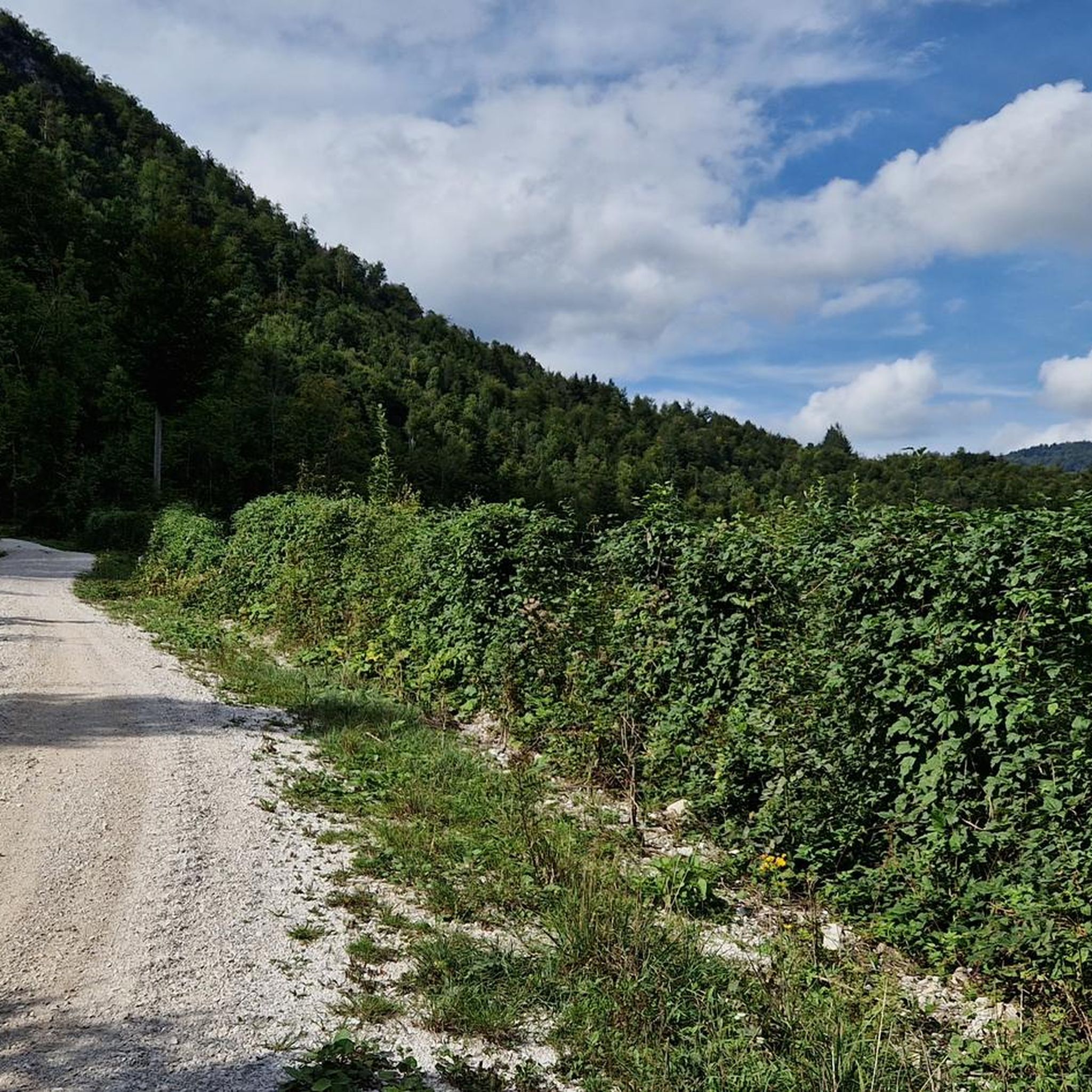
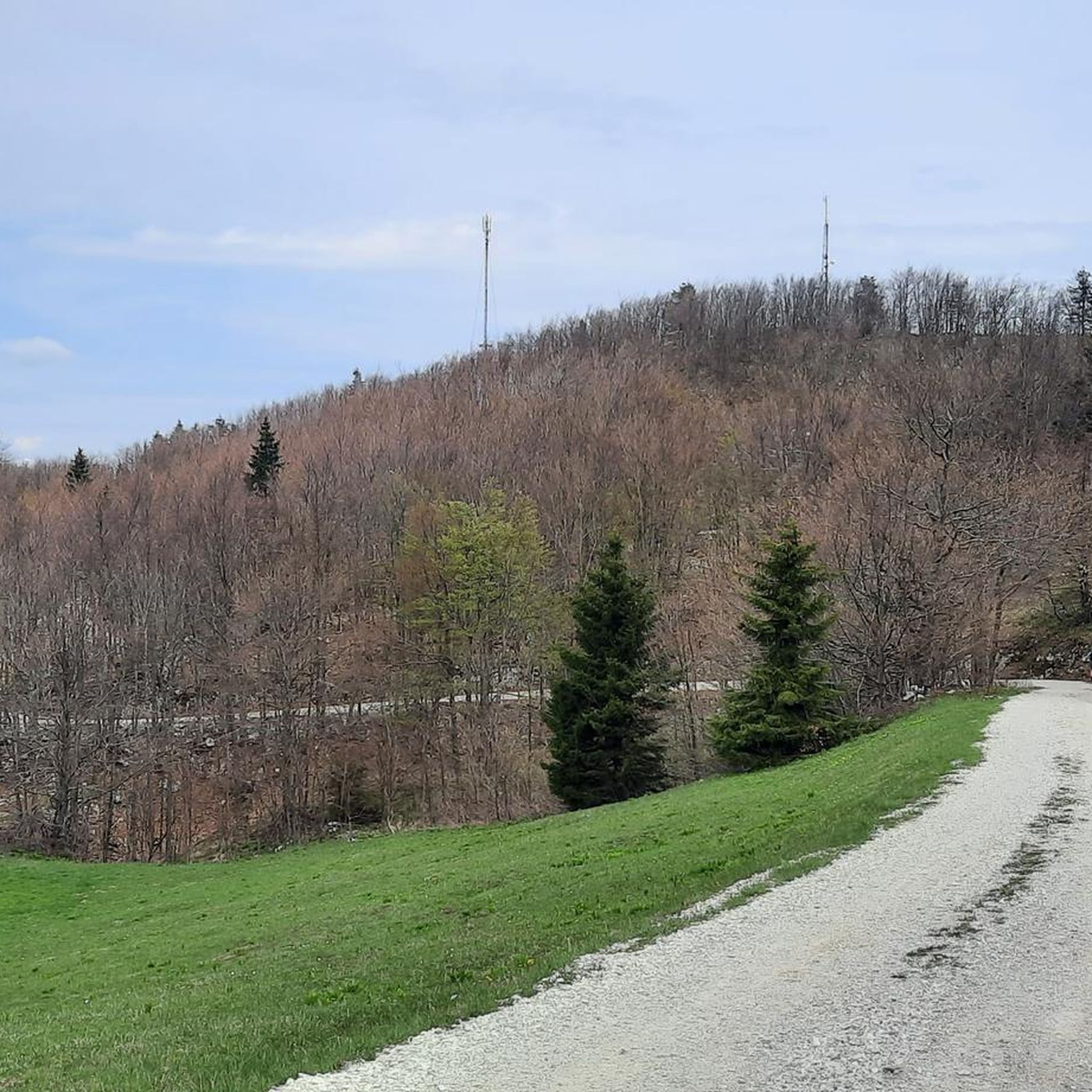
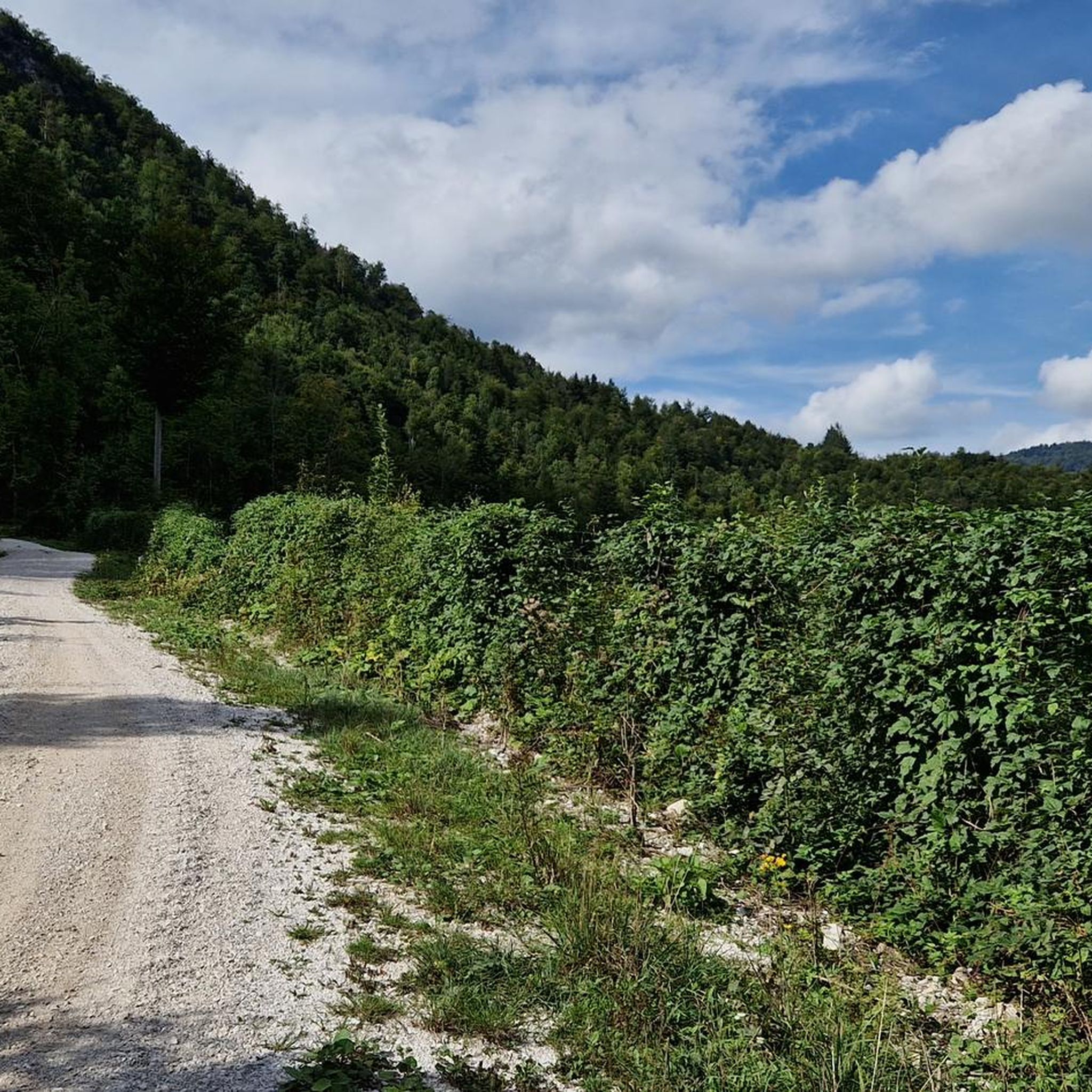

Other adventures around Idrija

Tips from the Community

During my visit in August '26, the water level was very low. Months with more water are recommended for a visit!
0
0

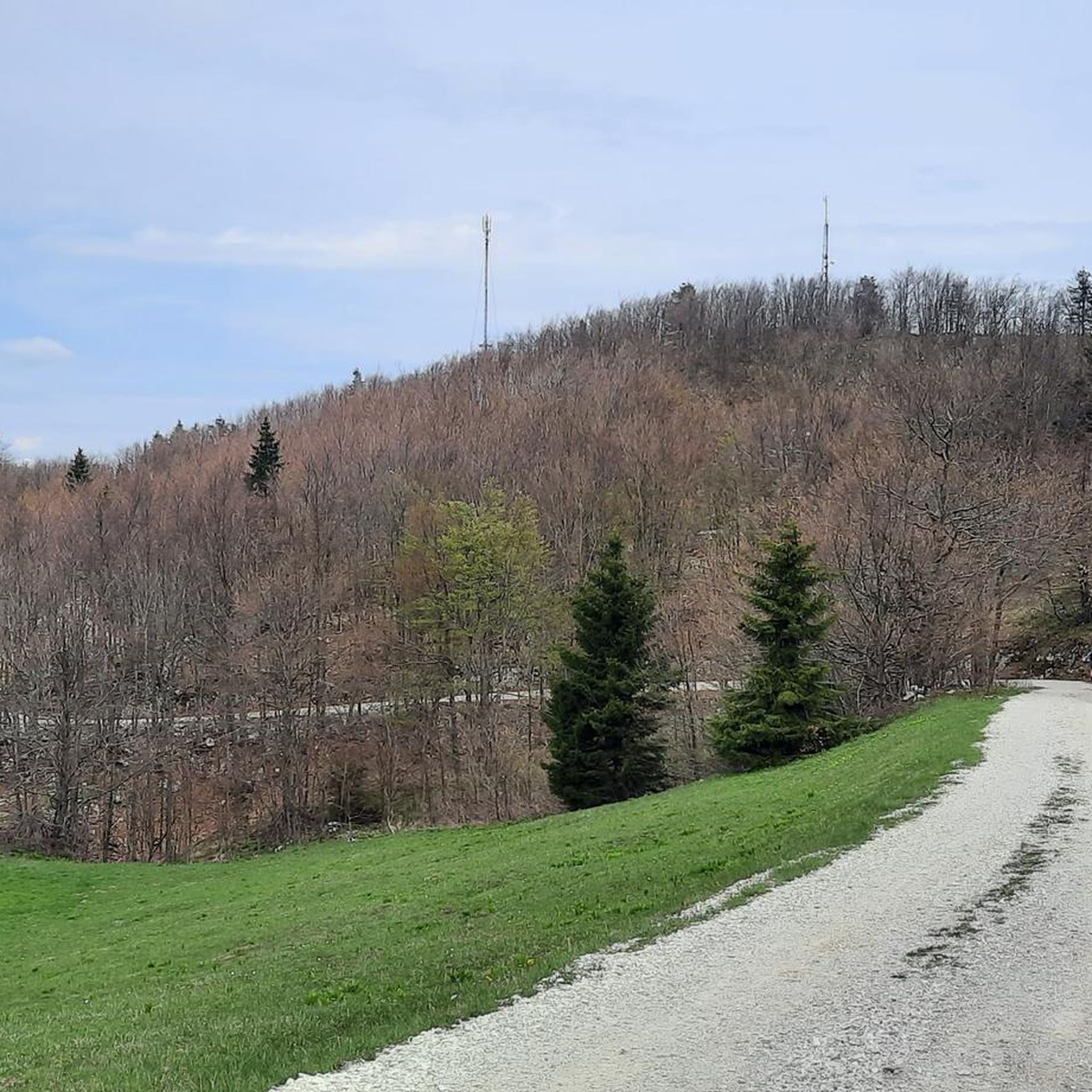
The hut stands at the upper edge of a large clearing just below the peak of Hleviška planina, one of the peaks of the hilly area between Idrijca and Nikovo. The first outpost was set up by Idrija mountaineers in a house they bought from the forester Križič and opened on 20 July 1948. Hleviška planina is a popular excursion spot for the people of Idrijca and a point on the Slovenian Mountain Trail, so the hut soon became too small. In 1953, they began building a new, larger hut next to the old one; it was opened on 19 June 1955. The hut was later improved in many ways: in 1975, a water supply was installed, and in 1979 it was thoroughly renovated. Between 1985 and 1989, the Idrija Mountaineering Association enlarged and modernised the hut: an extension was built, the interior was modernised and the exterior of the building was arranged. The ceremonial opening of the enlarged and renovated hut was on June 18, 1989, during the celebration of the 85th anniversary of the Idrija Mountaineering Association. Another thorough renovation took place in the years 2000 - 2005, when it was the 50th anniversary of the hut's opening. A winter room with four beds has also been arranged. The stamps of the Slovenian Mountain Trail, the Idrija-Cerkljanje Mountain Trail and the Slovenian Touring Bike Trail are located in a box, hung under the canopy of the woodshed. View: A more extensive view is from the nearby grassy peak of Hleviška planina. To the east we can see Idrija nearby, above it the Gore, and to the right Medvedje Brdo; on the south side the Črnovrška plateau with Javornik and Špik rises above the narrow Bela valley; To the southwest and west we see the lonely farms in Čekovnik, a sprawling hilly settlement between Idrijca and Nikovo, and behind us the northern slopes of the Trnovski gozd with Golaki; to the northwest are the Vojskarska plateau and Jelenk, nearby is the valley along the Nikova stream, and ahead we see part of the sprawling settlement of Kanomlja; to the north we see Porezen, Črni vrh nad Novaki, Blegoš, Ratitovec, Bevkov vrh, Ermanovec, Stari vrh and Lubnik, and the horizon is closed by the Julian Alps with Triglav, the Karavanke and the Kamnik Alps.
0
0
Divje jezero is a karst siphon lake (Vaucluse spring), located approximately 2 km south of Idrija. The type of karst spring - Vaucluse spring is named after the Fontaine-de-Vaucluse spring in the Vaucluse region of Provence in southern France, east of Avignon. Springs of this type are characterized by the fact that water flows to the surface from great depths under pressure through steep channels. The lake lies in a stone cauldron under the hundred-meter cliffs that border this northern edge of the Črnovrška plateau. Divje jezero is also a karst spring, as water flows into the lake from a steeply descending trench, which has been explored to a depth of 160 m so far. Although the lake surface is usually calm, after heavy rains there can be strong eruptions of water, up to 60 m³/s. The Jezernica River flows from Divje Jezero, which is the shortest surface-flowing river in Slovenia and flows into the Idrijca River after 55 meters. The water temperature in the lake fluctuates only between 7 and 10 °C throughout the year. The lake was protected as a natural monument in 1967 and since 1972 has been arranged for visitors as the first Slovenian open-air museum.
0
0
The Idrija Kamšt is a pumping device in the Idrija mercury mine with the largest wooden wheel in Europe. Kamšt is the mining name for a water-powered pump for pumping cave water, typical of Idrija. The name comes from the German word "Kunst" (art). In the past, there were several Kamšts in Idrija, but only the largest of them has survived, which pumped water from the Jožef shaft. It was built in 1790, and the diameter of the wheel measures 13.6 meters. The wheel was connected to a 75-meter-long horizontal wooden frame. The horizontal movement was transmitted to a vertical wooden pole, which was connected to step-by-step piston pumps. In one minute, the Kamšt pumped up to 400 liters of water, first from a depth of 235 m, and later even from a depth of 283 m. Due to its efficient pumping, it operated until 1953, i.e. for 163 years. The driving water flowed through a special canal called Rake, 3.5 km long, which was built around 1600 for the supply of driving water. The power of the Kamšti was between 75 and 100 horsepower, and the wheel took 13 seconds to make one revolution.
0
0

A bridge over the Idrijca River. The water has an interesting color: emerald green.
0
0

The city of Idrija is famous for its mercury mines and factories that have been active for several hundred years.
0
0
Idrija is a small town that owes its fame to its historic mine and mercury extraction facilities. Mercury mining and production began several centuries ago.
0
0

I recommend a visit by bike or on foot. The lake is truly beautiful but at the same time eerie, as we do not know its exact depths. The shortest river, Jezernica, flows out of it, which flows into the Idrijca after a few meters. You start at one of the larger parking lots in Idrija, from where it is about 3km to Divje Jezera. An ideal starting point also for those who visit the city with a camper. On the way to the lake (if we pay attention), we can see the remains of the Italian caves and bunkers.
0
0
Frequently Asked Questions
What historical sites related to Idrija's mining heritage can I visit?
Idrija is rich in mining history. You can explore Idrija Kamšt, a massive wooden water wheel that was crucial for pumping water from the mines for 160 years. Another significant site is Anthony's Shaft (Antonijev rov), one of Europe's oldest preserved mine entrances, offering tours into the mercury mine. Gewerkenegg Castle, which once served as the mine's administrative center, now houses the Idrija Municipal Museum, detailing the 500-year history of mercury mining and the town.
Are there any unique natural attractions around Idrija?
Absolutely. A must-see is Divje Jezero (Wild Lake), a karst siphon lake and one of Slovenia's deepest, known for being the source of the Jezernica, Slovenia's shortest river. The Idrija UNESCO Global Geopark, covering the entire municipality, offers numerous geological features, including the Kramaršca and Suha Idrijca Gorges with their waterfalls and unique rock formations, and the Hag's Tooth dolomite tower.
What cultural experiences does Idrija offer beyond mining history?
Idrija is also famous for its bobbin lace-making tradition. You can visit the Idrija Lace School, established in 1876, to learn about this intricate art. The Idrija Municipal Museum within Gewerkenegg Castle also features extensive collections on Idrija lace. Additionally, the Idrija town centre itself offers a glimpse into its past with typical miner's houses and historical buildings.
Are there family-friendly attractions or activities in the Idrija area?
Yes, several attractions are suitable for families. The tours into Anthony's Shaft mine are often engaging for children, and the Idrija Municipal Museum offers interactive exhibits. Divje Jezero (Wild Lake) is also considered family-friendly, offering a beautiful natural setting for a short walk. The Idrija Kamšt, with its impressive water wheel, is another interesting historical site for all ages.
Where can I find scenic views or viewpoints around Idrija?
For panoramic views, visit St. Anthony's Church and Calvary Hill, Idrija. This religious and historical site offers beautiful vistas of the surrounding area. The Javornik Ski Hut and Pirnatova Hut on Javornik are also excellent spots for enjoying the landscape, with the Javornik Ski Hut offering views of the Julian Alps.
What kind of outdoor activities, like hiking or cycling, can I do near Idrija's attractions?
The Idrija region is excellent for outdoor activities. You can find numerous cycling routes, including challenging gravel biking trails that pass by attractions like Divje Jezero (Wild Lake) and the Klavže Water Barriers. For detailed cycling routes, check out the Cycling around Idrija, Gravel biking around Idrija, and Road Cycling Routes around Idrija guides. The Rake Water Channel also has a popular walking path alongside it.
What are the Klavže Water Barriers and where can I find them?
The Klavže Water Barriers, sometimes called the 'Slovenian Pyramids,' are historical logging sluices used to float timber for the mines. These impressive structures are located in the valleys of the Idrijca, Belca, and Kanomljica rivers. You can visit the Kanomlja Water Barriers (Klavže) to see an example of this unique engineering.
Is there a good starting point for exploring the Idrija UNESCO Global Geopark?
Yes, the Idrija Geopark Visitors' Centre is an excellent starting point. It provides comprehensive information about the attractions and activities available within the Idrija UNESCO Global Geopark, helping you plan your exploration of its geological, natural, and cultural heritage.
What is the best time of year to visit Idrija for sightseeing and outdoor activities?
The warmer months, from spring to early autumn, are generally ideal for visiting Idrija. This period offers pleasant weather for exploring historical sites, hiking, and cycling. The Zgornja Idrijca Nature Park and the Idrija UNESCO Global Geopark are particularly enjoyable during these seasons, allowing full access to trails and natural features.
What local culinary specialty should I try in Idrija?
When in Idrija, you must try Idrijski žlikrofi. These traditional stuffed dumplings are the town's signature dish and a significant part of its culinary heritage. You might even catch the annual Idrijski Žlikrofi Festival, which takes place every August.
Are there any less-known or 'hidden gem' attractions in the Idrija region?
Beyond the main highlights, consider exploring the Scopoli Memorial Botanical Garden at the entrance to the Zgornja Idrijca Nature Park, which features rare regional plants. The Kramaršca and Suha Idrijca Gorges offer picturesque and challenging-to-access natural beauty with unique geological formations. The Miner's House, an 18th-century building, also provides an authentic glimpse into the lives of miners.
Most popular routes around Idrija

Get inspired with the komoot mobile app


Explore more
Still not found the Highlight you’re looking for? See guides of the top attractions in other regions:
