Top 8 Castles around Aspang-Markt
Best castles around Aspang-Markt are situated in a region known for its historical depth and diverse landscapes. Aspang-Markt is home to Schloss Aspang, a medieval fortress that evolved into a Renaissance castle, centrally located within a spacious park. The broader Lower Austria region provides a variety of historical sites, from dramatic castle ruins offering panoramic views to well-preserved moated castles. This area combines opportunities for historical exploration with appreciation for natural surroundings.
Best castles around Aspang-Markt
- The most popular castles…
Last updated: July 1, 2026
Grimmenstein Castle
Highlight • Castle
Translated by Google •
Tip by

Krumbach Castle
Highlight • Castle
Translated by Google •
Tip by

Sign up now to discover places like this
Get recommendations on the best single tracks, peaks, & plenty of other exciting outdoor places.
Sign up for free
Feistritz Castle
Highlight • Castle
Translated by Google •
Tip by

Ziegersberg Castle
Highlight • Castle
Translated by Google •
Tip by

Ruins of Hochgrimmenstein Castle on Kulmriegel Summit
Highlight • Castle
Translated by Google •
Tip by
Sign up for free to discover even more castles around Aspang-Markt.
Sign up for free
Already have an account?
Start today with a free account
Your next adventure awaits.
Login or Signup
Popular around Aspang-Markt
EuroVelo 9 – The Amber Route from the Baltic to Adriatic Sea
Ride & Relax – Mit dem Rad in den Wiener Alpen
Cycling around Aspang-Markt

Gravel biking around Aspang-Markt
Road Cycling Routes around Aspang-Markt
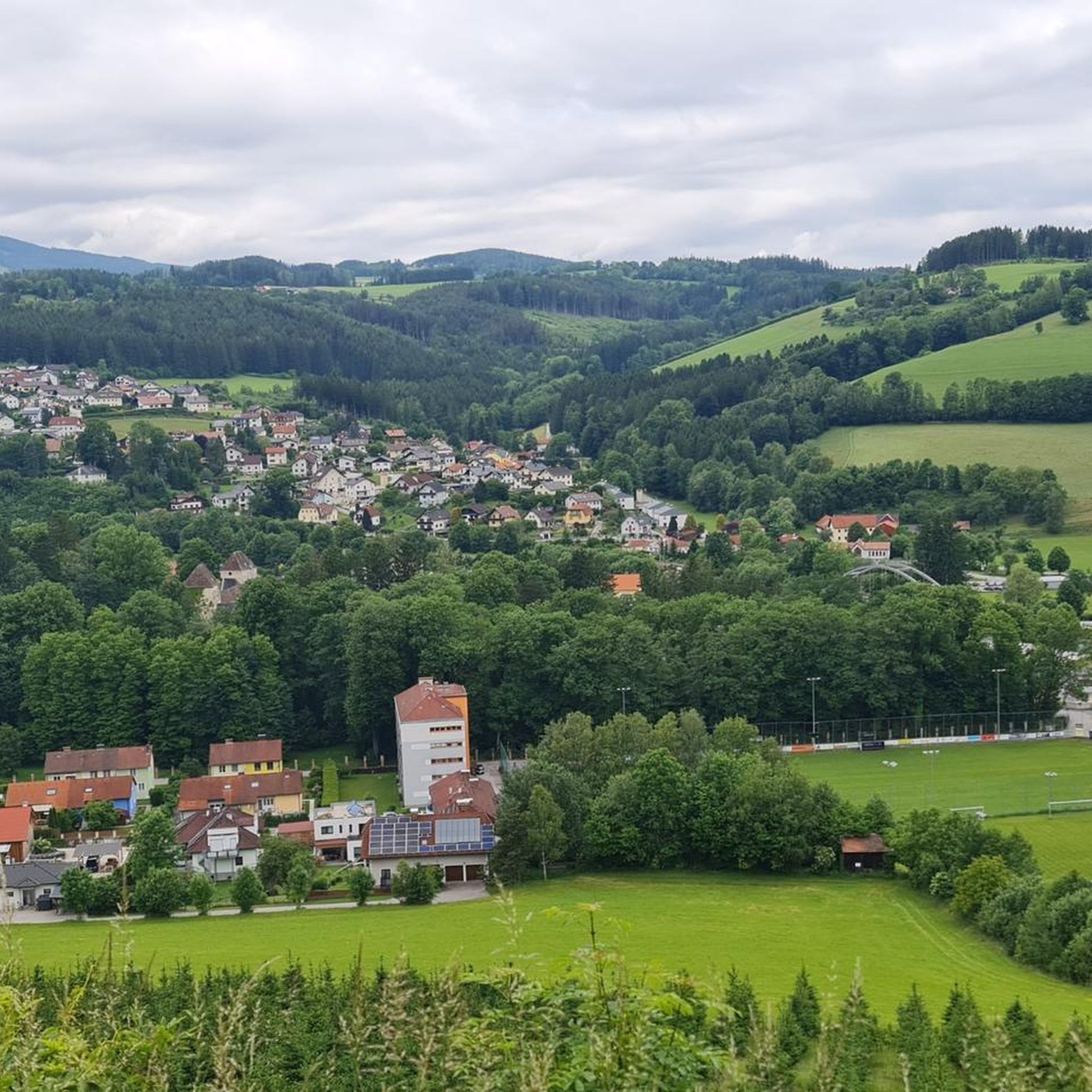
MTB Trails around Aspang-Markt
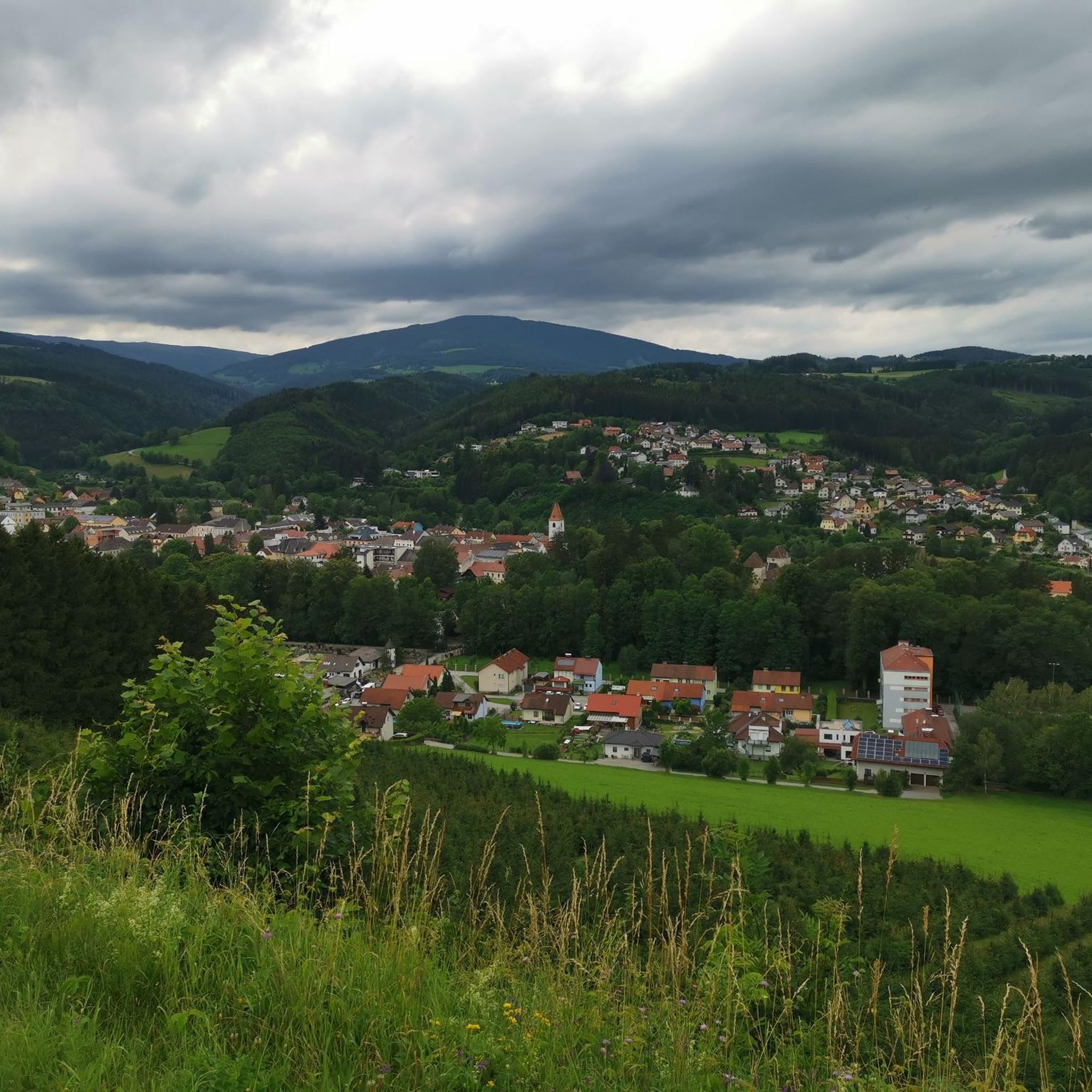
Running Trails around Aspang-Markt
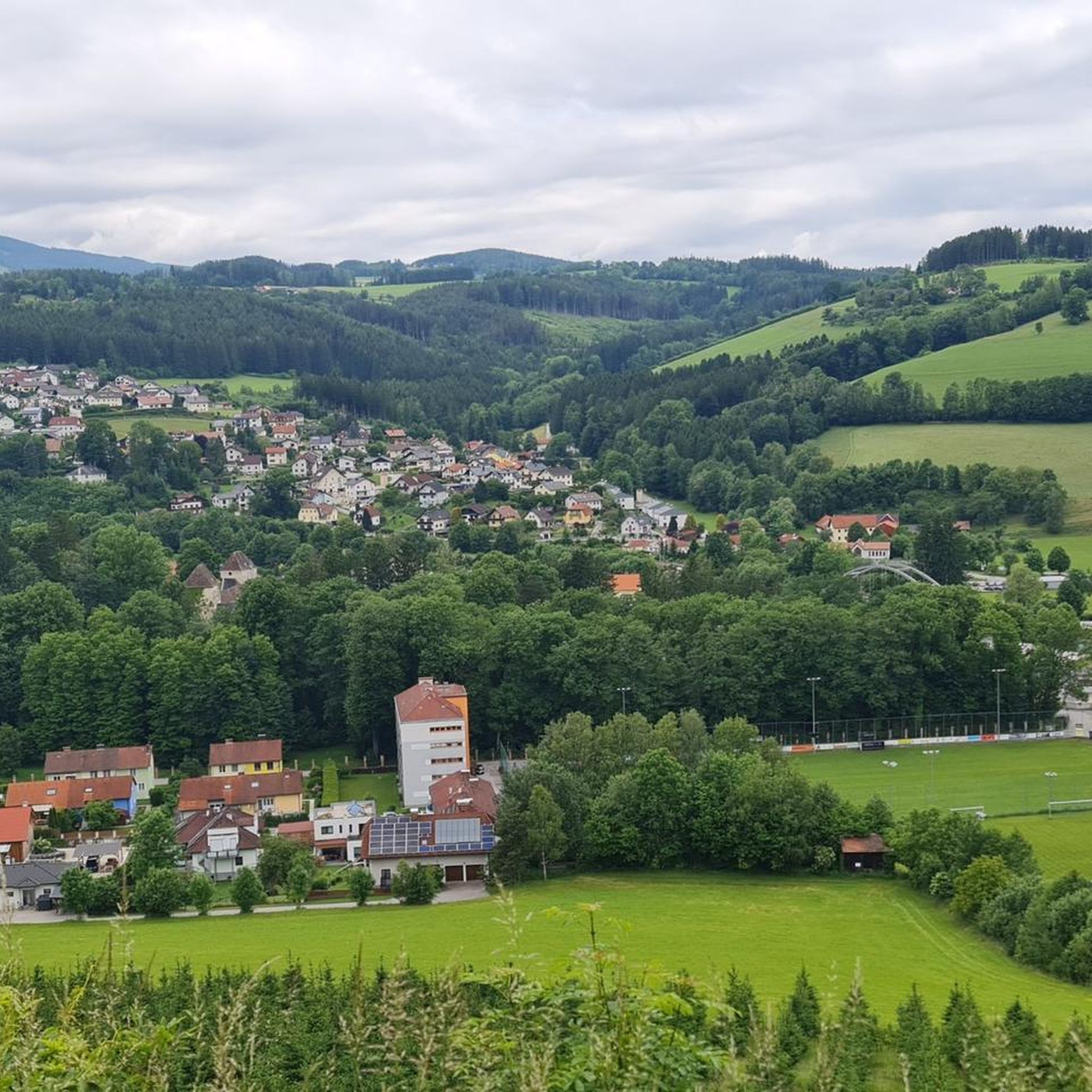
Hiking around Aspang-Markt
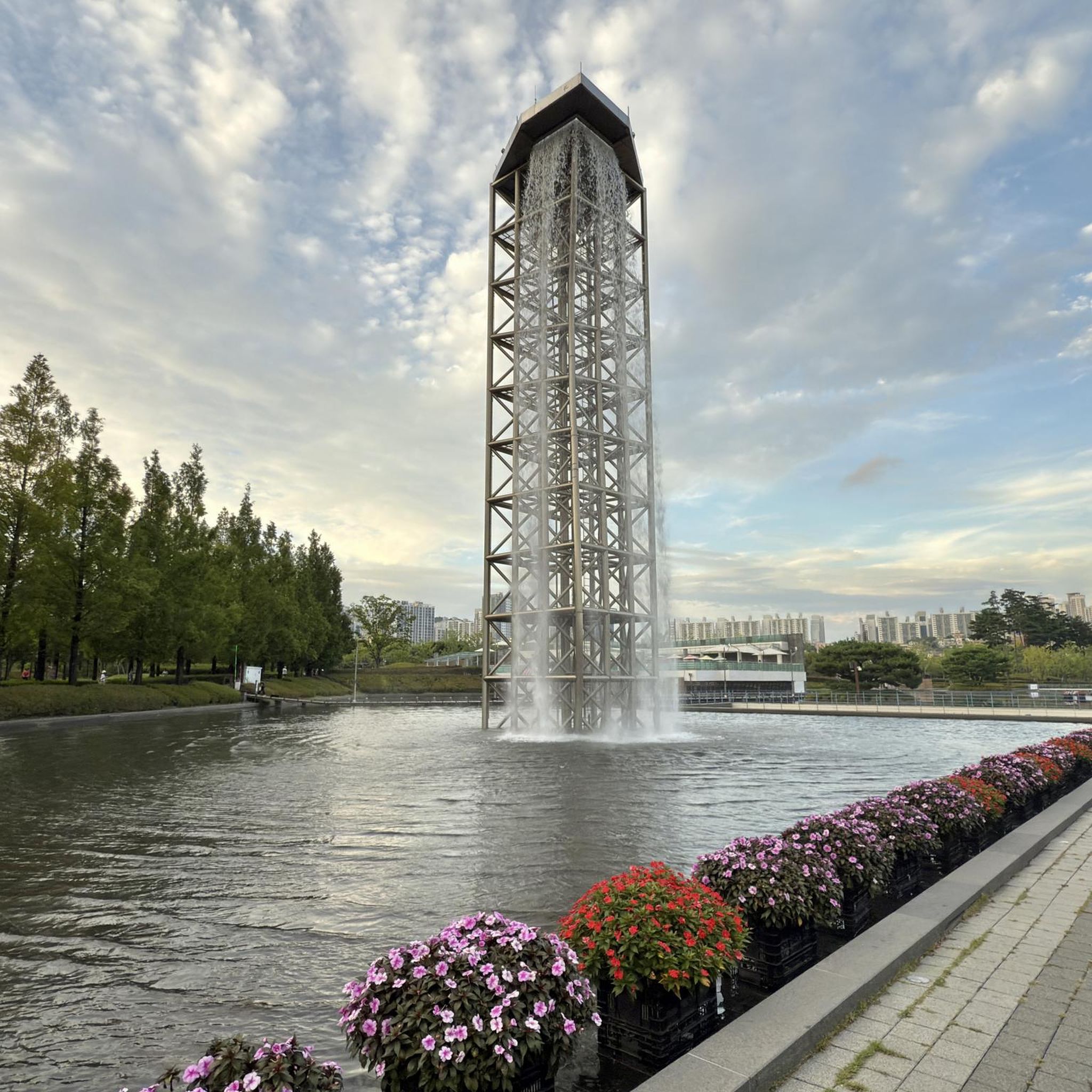
Mountain Hikes around Aspang-Markt


Tips from the Community

The first castle was built in the 13th century as a reaction to the Hungarian invasions at the end of the early Middle Ages. It was largely destroyed during the Hungarian invasions in 1246 and 1260. The reconstruction partly has a castle character. In 1394, the lordship with all its accessories was bequeathed by the last Krumbacher, Hans von Krumbach, to Pilgrim III. von Puchheim, a maternal uncle of his, and his brothers, and remained in the possession of the Puchheims for over 200 years. In 1629, the lordship came into the possession of the Counts of Pálffy-Erdöd family. During the Second Siege of Vienna in 1683, Krumbach was besieged in vain by the Turks. After the revolutionary year of 1848, the serfdom relationship was abolished, thus the "Herrschaft Krumbach" came to an end. In 1875, the estates were sold by the Palffy family to the Wiener Neustadt lawyer Anton Riehl, after which there were frequent changes of ownership.
0
0
The then owner of the Ziegersberg estate, Dr. Jakob Singer, had a modern castle built about 700 m from the old castle ruins in the years 1896/97 by the Viennese master builder Dr. Franz Schönthaler.
1
0
The Feistritz Castle was probably built in the second quarter of the 12th century by ministeriales. The castle was owned by the Pottendorfers from the 14th century until 1488 and by the Zinzendorfers until 1537.
1
0
The castle, sometimes called Burg Vordergrimmenstein since the 19th century, while the former castle on the summit of the 758 m high Kulmriegel was also called Burg Hochgrimmenstein and a former castle southwest of the Kulmriegel at the end of the Kunzgraben were designated as Hintergrimmenstein.
1
0

18 km cycle path towards Styria
0
0

Since 2020, it has been a private elite school (https://krumbach.school/de/). The annual tuition fee is at least €40,000.
0
0

Feistritz Castle rises proudly and mightily between the green hills of the Wechselland region. While in the Middle Ages it primarily offered protection against the onslaught of foreign troops, today it opens its doors for group events and peaceful art lovers.
1
0

Built in the 12th century by the "Ziegern", Ziegersberg Castle in Schlag near Zöbern could certainly tell many stories. It has been owned by the Brunner family since 1917. Today, Elisabetta Brunner runs the business with the help of her brother Massimiliano. The guest rooms have been newly renovated. The garden in front of the castle invites you to relax and unwind. Guests aged 16 and over are welcome in the castle.
0
0
Frequently Asked Questions
What are the most notable castles to visit around Aspang-Markt?
Around Aspang-Markt, you can explore several historically rich sites. Grimmenstein Castle is a striking, partially restored hilltop castle offering guided tours on weekends during certain months. Another significant site is Feistritz Castle, an imposing structure high above the Feistritz valley, now serving as an event center. For those interested in ruins, the Ruins of Hochgrimmenstein Castle on Kulmriegel Summit provide a historical viewpoint with surviving wall remains.
Can I visit Schloss Aspang in Aspang-Markt?
Schloss Aspang is a significant historical landmark in Aspang-Markt, with origins dating back to the 12th century. While it is private property and direct access to its interior is generally limited, it occasionally opens its doors for events like weddings. You can appreciate its external appearance and historical context from its location within a spacious park in the town center.
Are there any castle ruins worth exploring in the wider Lower Austria region?
Yes, the wider Lower Austria region boasts several impressive castle ruins. Aggstein Castle Ruins, perched above the Danube Valley, offer phenomenal panoramic views of the Wachau region. Also in the Wachau, Dürnstein Castle Ruins are world-famous as the prison of English King Richard the Lionheart, providing breathtaking views after a short climb.
What is the historical significance of the castles in the Aspang-Markt area?
The castles in and around Aspang-Markt, such as Schloss Aspang, played crucial roles in securing trade routes and defending borders, particularly against Hungarian and Ottoman invasions. They showcase architectural evolution from medieval fortresses to Renaissance castles, reflecting centuries of strategic importance and changing noble ownership. Sites like Kirchau Castle Ruins also tell stories of conflicts and rebuilding.
Are there family-friendly castles to visit?
While specific family-friendly amenities vary, many castles offer an engaging experience for families through their historical atmosphere and grounds. For example, Grimmenstein Castle offers guided tours that can be interesting for older children. Exploring the ruins like Hochgrimmenstein can also be an adventure for families who enjoy hiking and discovery.
When is the best time of year to visit the castles?
The castles are generally enjoyable from spring through autumn. Autumn, in particular, offers a beautiful backdrop of changing foliage, especially for castles like Aggstein with their scenic views. While some castles may have limited access or opening hours in winter, the historical sites can still be appreciated for their external architecture and surrounding landscapes year-round.
Are there hiking opportunities near the castles?
Yes, the region around Aspang-Markt offers various hiking opportunities that can be combined with castle visits. For instance, you can find easy hikes like the "Aspang Pond Facility – Sparkassenteich loop" near Aspang-Markt. For more options, explore the Easy hikes around Aspang-Markt guide on komoot.
What outdoor activities can I do near these castles?
Beyond hiking, the area around Aspang-Markt provides opportunities for gravel biking and mountain biking. You can find routes like the "Bucklige Welt Panorama Cycle Path" for gravel biking or explore various MTB trails. Check out the Gravel biking around Aspang-Markt and MTB Trails around Aspang-Markt guides for detailed routes and difficulty levels.
What do visitors enjoy most about the castles in this region?
Visitors frequently appreciate the historical atmosphere and the stunning views offered by many of the castles and ruins. For example, Grimmenstein Castle is noted for its pleasant ambiance and even offers coffee and cake. The Ruins of Hochgrimmenstein Castle are loved for their historical viewpoint and a quiet rest bench at the summit.
Are any castles around Aspang-Markt wheelchair accessible?
Due to their historical nature and often elevated or rugged locations, many castles and ruins in the region may have limited wheelchair accessibility. It's advisable to check specific accessibility information for each site before planning your visit. Schloss Aspang, being an event location, might offer some accessible areas, but its primary function is not public tourism.
Can I bring my dog to the castles?
Policies regarding dogs vary by castle. While outdoor areas and trails leading to ruins are often dog-friendly, access to castle interiors or specific grounds might be restricted. It's best to check the individual castle's regulations beforehand. Always keep your dog on a leash and clean up after them.
How much time should I allocate to visit a castle?
The time needed to visit a castle can vary significantly. For a ruin like Hochgrimmenstein, a short hike and exploration might take 1-2 hours. For larger, partially restored castles like Grimmenstein Castle, especially if you take a guided tour, you might spend 2-3 hours. If you plan to combine a visit with a hike or explore the surrounding area, allocate half a day or more.
What are the parking options at these castles?
Parking availability varies by location. Many castles, especially those that are popular tourist destinations or event venues, typically have designated parking areas nearby. For ruins or less developed sites, parking might be more informal or require a short walk from a nearby village or road. It's recommended to check local signage or specific castle websites for detailed parking information.
Most popular routes around Aspang-Markt
Most popular attractions around Aspang-Markt

Get inspired with the komoot mobile app


Explore more
Looking for the best castles somewhere else? Discover other guides around Aspang-Markt:
