The best cycling routes around Freudental
4.7
(24)
169
riders
16
rides
Touring cycling around Freudental offers routes through varied landscapes, characterized by rolling hills, open fields, and areas with views of nearby towns and lakes. The region's terrain includes gentle ascents and descents, providing diverse cycling experiences. Routes often connect natural features like lakes with historic settlements. This area provides a mix of easy and moderate paths suitable for different cycling preferences.
Best touring cycling routes around Freudental
- The most popular touring cycling route is Heiligenberg Lake – Shelter with Fire…
Last updated: July 4, 2026
4.7
(3)
27
riders
23.6km
01:29
240m
240m
Moderate bike ride. Good fitness required. Mostly paved surfaces. Suitable for all skill levels.
4.3
(3)
27
riders
20.1km
01:12
120m
120m
Easy bike ride. Great for any fitness level. Mostly paved surfaces. Suitable for all skill levels.

Sign up for free
4.0
(3)
23
riders
26.4km
02:01
320m
320m
Moderate bike ride. Good fitness required. Mostly paved surfaces. Suitable for all skill levels.
5.0
(2)
18
riders
24.4km
01:58
360m
360m
Moderate bike ride. Good fitness required. Mostly paved surfaces. Suitable for all skill levels.
8
riders
16.7km
01:05
150m
150m
Easy bike ride. Great for any fitness level. Mostly paved surfaces. Suitable for all skill levels.
Get access to more routes and recommendations from other explorers.
Sign up for free
Already have an account?
Our route recommendations are based on thousands of hikes, rides, and runs completed by other people on komoot.
Start today with a free account
Your next adventure awaits.
Login or Signup
Popular around Freudental
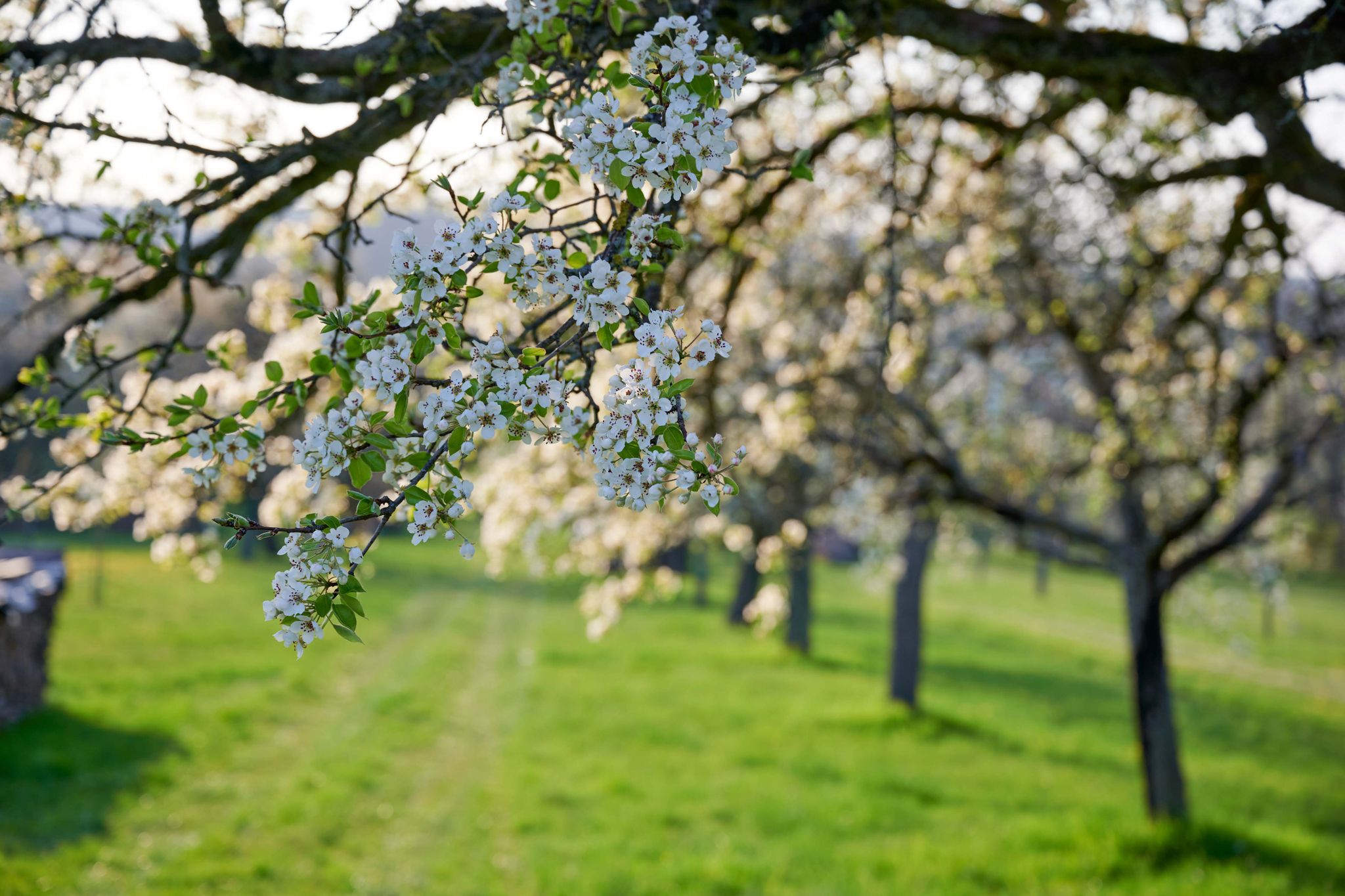
Spring in the land of 1,000 hills – Kraichgau-Stromberg in Germany
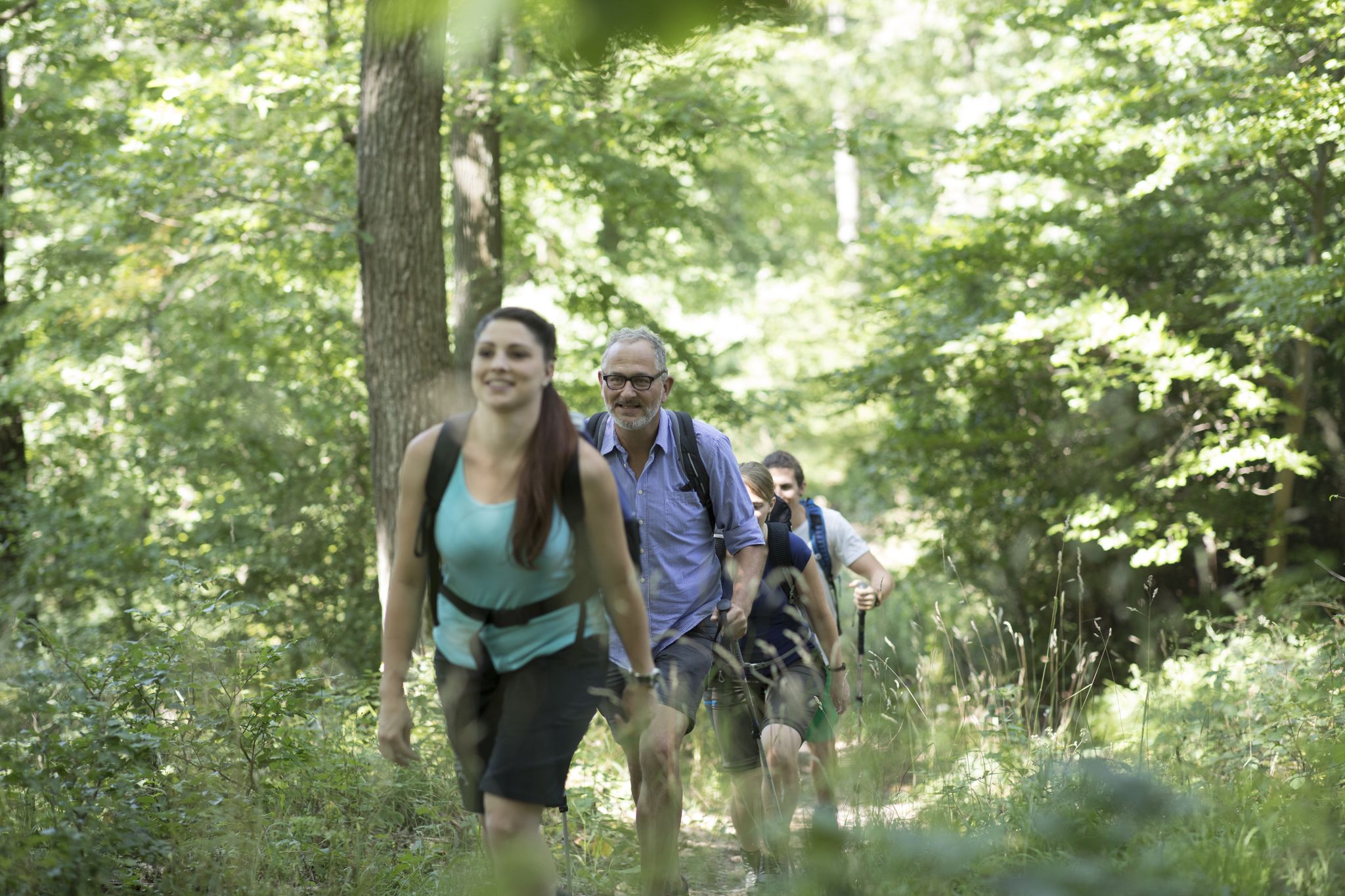
Wander3Klänge: Einfach Los Wandern im Naturpark Stromberg-Heuchelberg
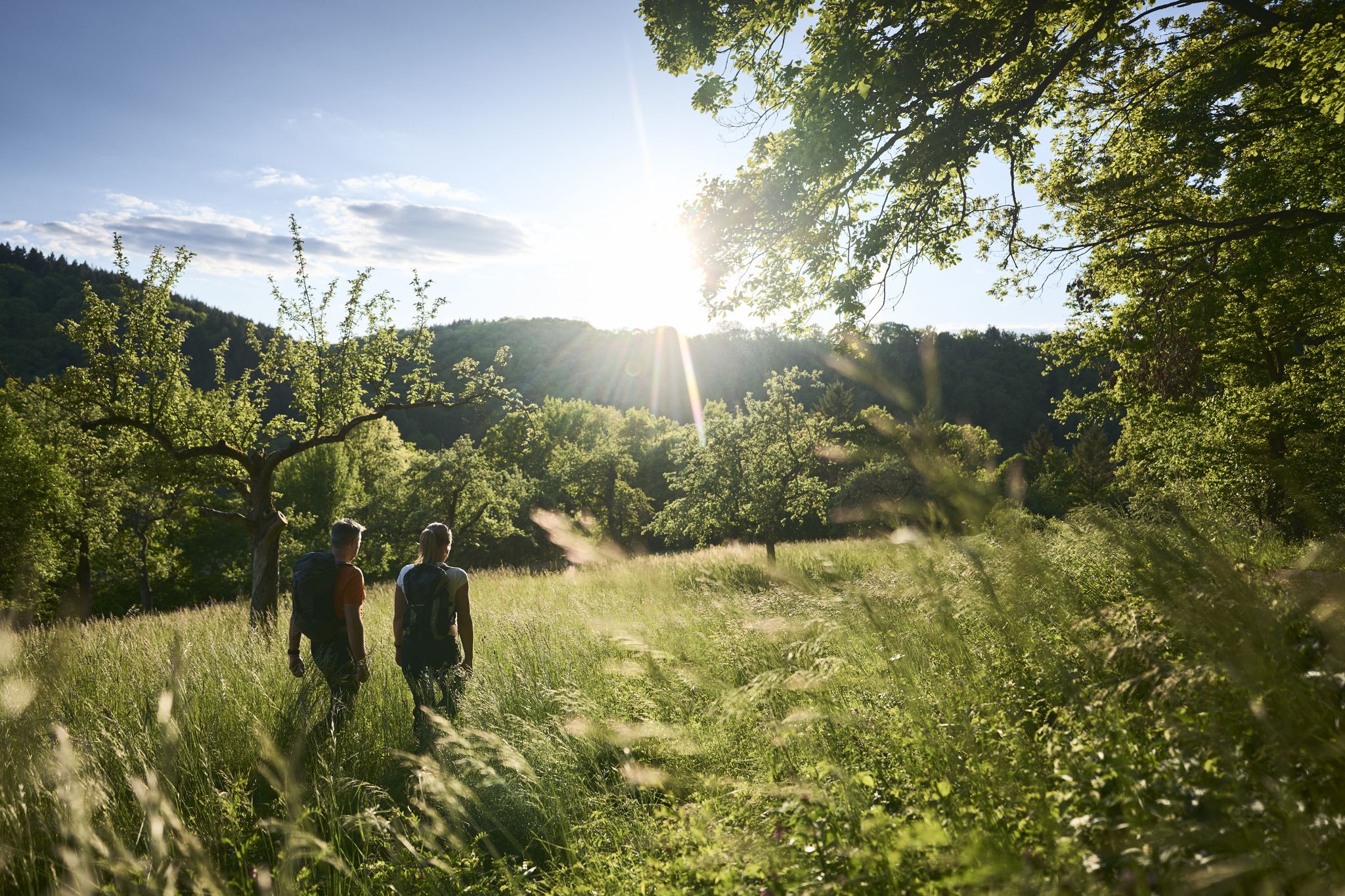
Zu Fuß durchs Land der 1000 Hügel
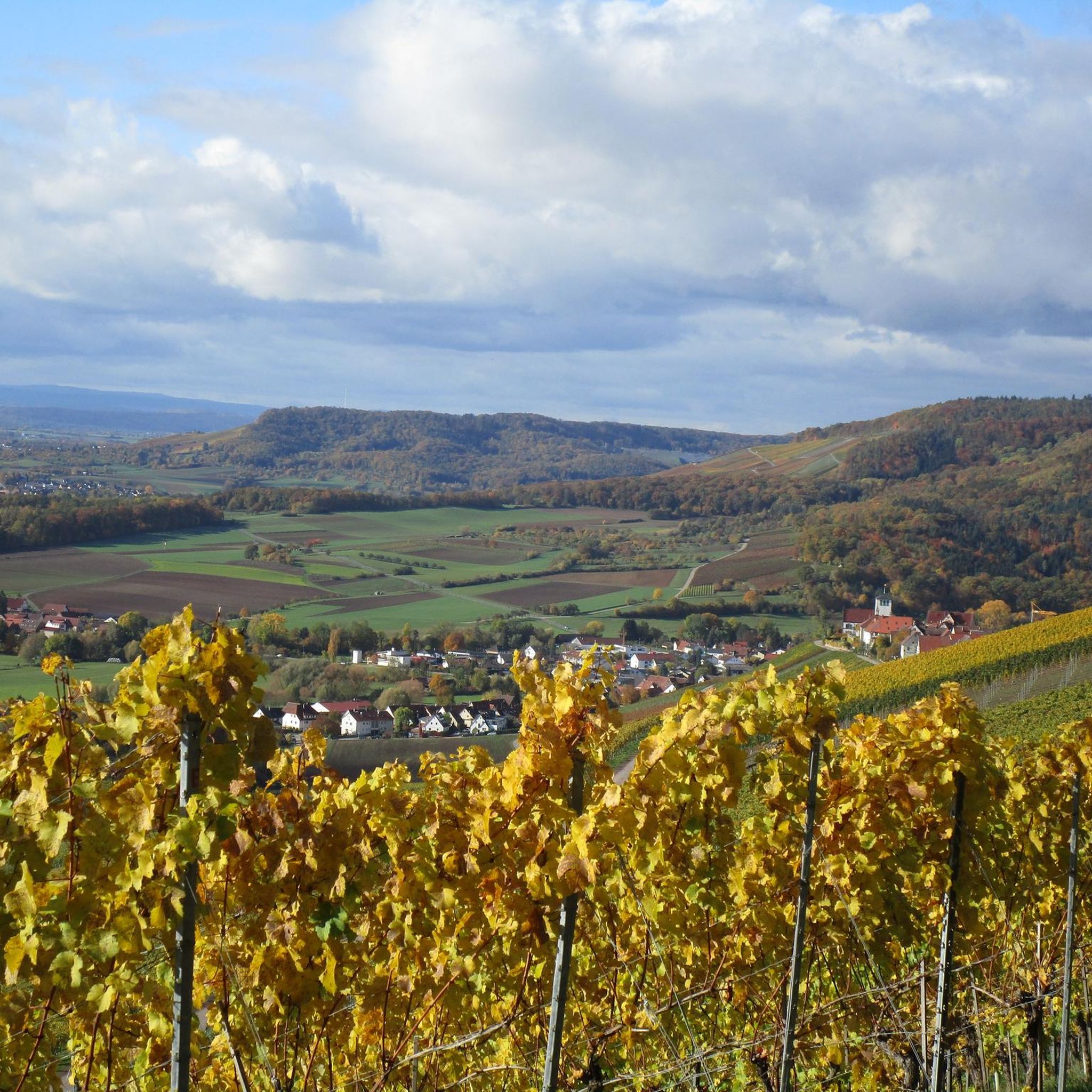
Hiking around Freudental
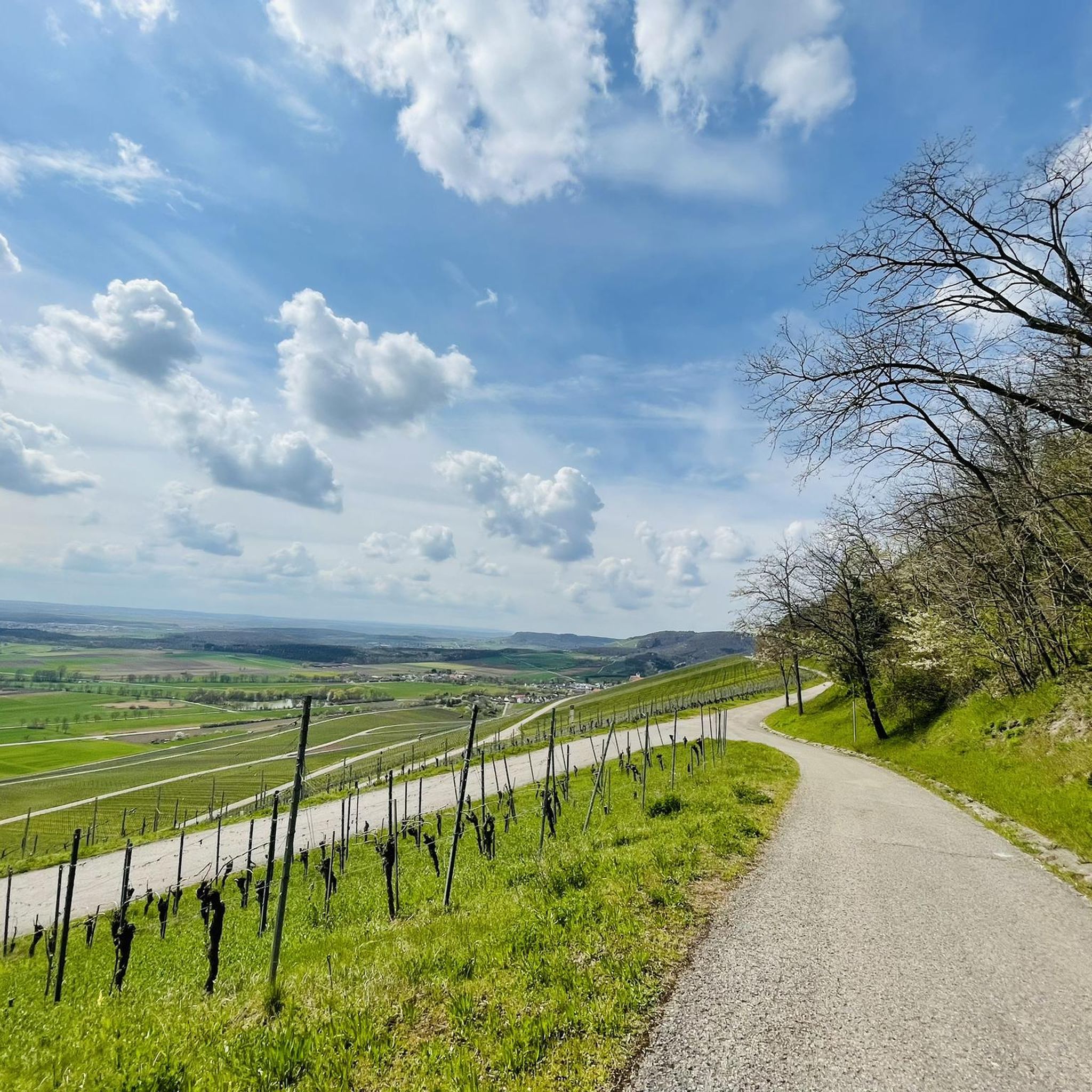
MTB Trails around Freudental
Gravel biking around Freudental
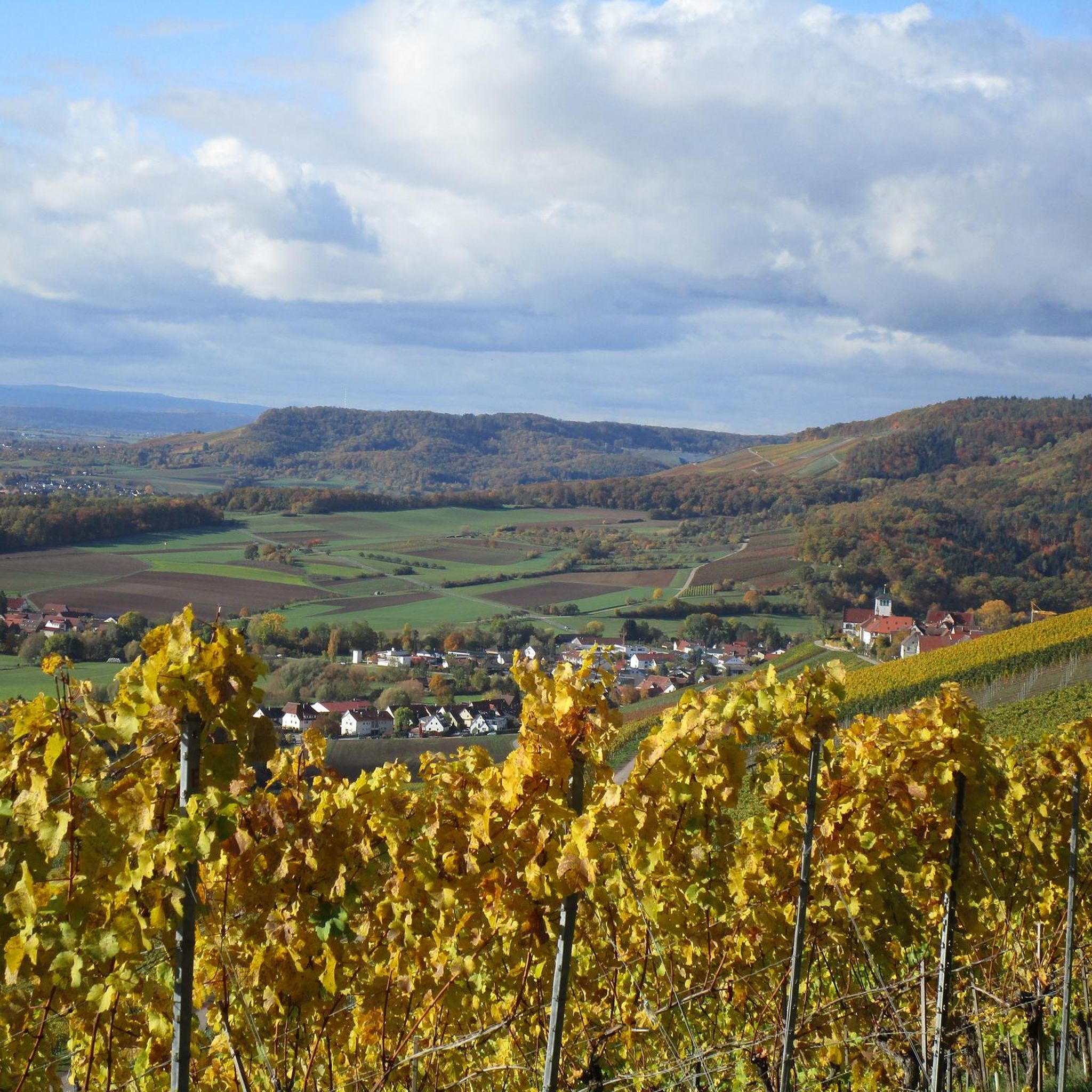
Road Cycling Routes around Freudental
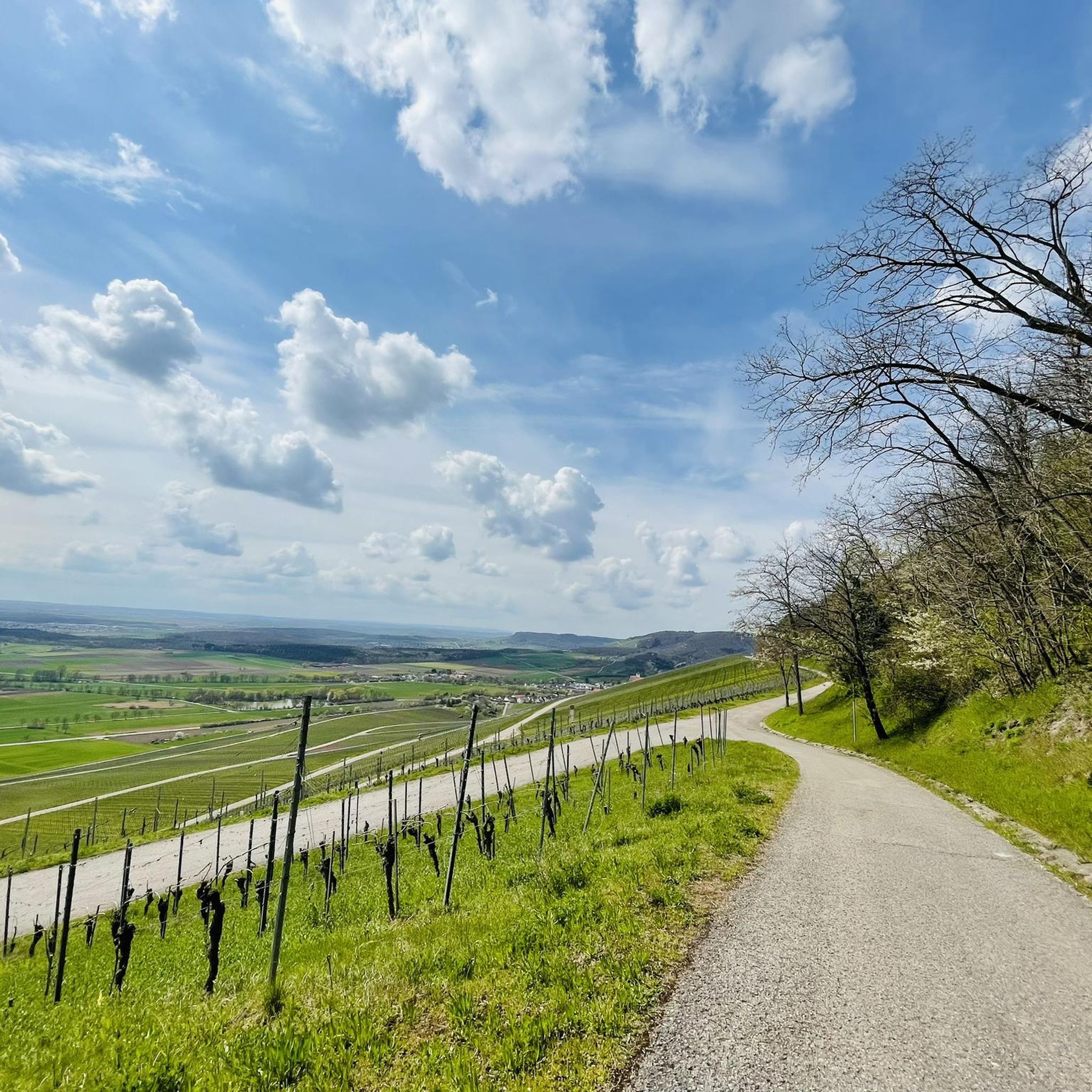
Running Trails around Freudental
Other adventures around Freudental

Tips from the Community

The landscape is very beautiful and peaceful.
0
0

in Bietigheim-Bissingen, Ludwigsburg district, Baden-Württemberg. - in the upper "Hauptstr." / "Hillerplatz" The urban planning of the Hillerplatz was intended to fulfill 2 important tasks: - Completion/replacement of the "Obertorturm" demolished in 1824 and - the connection with the rather heterogeneous buildings around the square to form a cohesive ensemble. - here you can find, among other things, 3 horse sculptures by "Jürgen Goertz" - the well-known sculpture "Turm der grauen Pferde" - approx. 11 m high - made of aluminum - largely ground, but also partly polished, gilded or treated with black paint - 4 horses stacked on top of each other and each halved in size, as an allusion to the Bietigheim Horse Market - the stacked round arch arcades are a homage to the railway viaduct of Bietigheim-Bissingen, built by Karl von Etzel - the relief medallions on the flanks of the horses show female portraits and represent the old continents (Africa, Europe, America and Asia) the other two horse sculptures also come from Jürgen Goertz - made of aluminum - on the pavilion, you can also discover a horse by Jürgen Goertz
0
0


Delicious strawberries and super asparagus
0
0

Super delicious homemade ice cream
0
0

The hall church was built in 1686/87. It consists of a nave and a choir tower in the east, which was extended in 1687 with an octagonal timber-framed storey to house the clock tower and the belfry for the three church bells. The tower is topped by a bell dome crowned with a lantern. The interior of the nave, with galleries built along the long sides, is spanned by a flat ceiling. It is opened to the choir, i.e., the ground floor of the choir tower, by a chancel arch. The organ is a special feature. It formerly stood in the Order Chapel of Ludwigsburg Palace, later in the chapel of Stuttgart-Hohenheim Palace. King Frederick of Württemberg donated the organ to the church. It is probably the only surviving Württemberg court organ. Based on its gilded decorations, it is assumed to have been built in the Baroque period.
4
0
Adjacent to a pilgrimage chapel "Zu unserer lieben Frau" (Our Lady), already existing in 1449 on the "Frauenberg," a ridge southwest of Bönnigheim, the monastery was founded in 1477 by resolution of the Provincial Chapter in Bamberg as a Franciscan Observant Cella on the fiefdom of Archbishop Dietrich of Mainz. The initiative for this may have originated from a visitation of the monasteries in Heilbronn and Leonberg conducted the previous year by Vicar Johannes Philippi. It is likely that the Cella, planned not as a convent but as a "residence," was at least initially dependent on the convent in Heilbronn. The monastery family comprised around twelve brothers; their names between 1486 and 1543 are recorded in the chapter tablets and an obituary. The superiors initially called themselves vicars, possibly because of their dependence on Heilbronn, and from 1501 onward, they were called "presidents." The monastery was run by the Franciscan provincial chapter of Strasbourg from 1478 to 1543. With the introduction of the Reformation following the Peasants' War in 1525, the monastery's religious life was restricted, and its continued existence was limited to the lifetime of the monks present. In 1540, the last monk left the monastery. Two years later, Archbishop Albrecht of Mainz handed the abandoned complex over to the care of the city. The monastery fell into disrepair and was demolished in 1792. Few fragments of architecture and furnishings have survived. A brief archaeological investigation, including surveying of the preserved foundations, was carried out during the land consolidation of 1974/76. The foundations of the choir, now in an idyllic location, were consolidated and are accessible.
3
0

Erligheim's Protestant St. John's Church was built in 1480 to enlarge a smaller chapel first mentioned in 1291. The church received its present form in 1740.
0
0
Frequently Asked Questions
How many touring cycling routes are available around Freudental?
There are nearly 20 touring cycling routes around Freudental, offering a variety of experiences. These include 10 easy routes, 8 moderate routes, and 1 more challenging option, catering to different skill levels.
Are there easy touring cycling routes suitable for beginners in Freudental?
Yes, Freudental offers several easy touring cycling routes perfect for beginners or those seeking a relaxed ride. An example is the Löchgau Glider Airfield – View of Bietigheim loop from Freudental, which is 20.0 km long and features gentle terrain. Another shorter, easy option is the Evangelical Church, Freudental – View of Baiselsberg loop from Freudental, at 9.0 km.
What kind of terrain can I expect on touring cycling routes around Freudental?
The touring cycling routes around Freudental are characterized by rolling hills, open fields, and scenic views of nearby towns and lakes. You'll encounter a mix of gentle ascents and descents, providing a diverse and engaging cycling experience through natural landscapes and historic settlements.
Are there any challenging touring cycling routes for experienced cyclists?
While most routes are easy to moderate, there is one challenging touring cycling route available for experienced cyclists seeking a more demanding ride. This route offers greater elevation changes and potentially longer distances compared to the easier options.
Can I find circular touring cycling routes in Freudental?
Many of the touring cycling routes around Freudental are designed as loops, allowing you to start and end in the same location. Popular circular routes include the Heiligenberg Lake – Shelter with Fire Pit loop from Freudental and the View of Hohenhaslach – Hohenhaslacher Lake loop from Freudental.
What are some scenic viewpoints along the touring cycling routes?
Several routes offer picturesque viewpoints. For instance, the View of Hohenhaslach – Hohenhaslacher Lake loop from Freudental provides excellent vistas of Hohenhaslach. Additionally, the wider region features highlights like the View of the Neckar from the Hessigheimer Felsengärten, which can be incorporated into longer rides.
Are there any historical sites or towns to explore on a touring bike?
Yes, you can combine your touring cycle with visits to historical sites. The Tower of the Grey Horses – Bietigheim Old Town loop from Freudental takes you directly through the historic Bietigheim Old Town, offering a chance to explore its charm and architecture.
What is the best time of year for touring cycling in Freudental?
The spring and autumn months generally offer the most pleasant conditions for touring cycling in Freudental, with milder temperatures and beautiful scenery. Summer can also be enjoyable, though it's advisable to start earlier in the day to avoid the midday heat. Winter cycling is possible, but routes may be affected by weather conditions.
What do other cyclists say about touring cycling in Freudental?
The touring cycling routes in Freudental are highly rated by the komoot community, with an average score of 4.7 stars from over 40 reviews. Cyclists often praise the varied terrain, the scenic lakes, and the well-maintained paths that connect natural features with historic town centers.
Are there options for shorter touring cycling trips around Freudental?
Absolutely. If you're looking for a shorter ride, the Evangelical Church, Freudental – View of Baiselsberg loop from Freudental is an easy 9.0 km route. Many other routes are also under 25 km, making them suitable for shorter excursions.
Where can I find parking for touring bike trails in Freudental?
Freudental and its surrounding towns typically offer public parking facilities that can be used as starting points for touring bike trails. It's recommended to check local signage for specific parking regulations and availability near your chosen route's starting point.
Are there any routes that pass by lakes or water features?
Yes, several touring cycling routes in Freudental feature lakes and other water bodies. The Heiligenberg Lake – Shelter with Fire Pit loop from Freudental and the View of Hohenhaslach – Hohenhaslacher Lake loop from Freudental both pass by scenic lakes, offering beautiful views and tranquil spots.
Are the touring cycling routes around Freudental suitable for families?
Many of the easy and moderate touring cycling routes in Freudental are suitable for families, especially those with older children. The paths often follow quieter roads or dedicated cycle paths, and the gentle terrain on routes like the Löchgau Glider Airfield – View of Bietigheim loop from Freudental makes them enjoyable for a family outing.
Most popular routes around Freudental
Most popular attractions around Freudental

Get inspired with the komoot mobile app


Explore more
Browse the best Cycling routes in other regions.
