Top 20 Castles around Hafnerbach
Best castles around Hafnerbach offer a glimpse into centuries of history, set amidst the natural features of the Dunkelsteinerwald. This region features a mix of well-preserved castles and historic ruins, providing various landmarks and viewpoints. The area's elevated terrain contributes to scenic vistas, connecting visitors with the past and the surrounding landscape.
Best castles around Hafnerbach
- The most popular castles is View of Schönbühel Castle, a castle and viewpoint located on a 40-meter-high cliff on the Danube. This site…
Last updated: June 22, 2026
View of Schönbühel Castle
Highlight • Castle
The castle was built at the beginning of the 12th …
Translated by Google •
Tip by

Luberegg Castle
Highlight • Castle
Translated by Google •
Tip by

Sign up now to discover places like this
Get recommendations on the best single tracks, peaks, & plenty of other exciting outdoor places.
Sign up for free
Hohenegg Castle Ruins
Highlight • Castle
Translated by Google •
Tip by

Aggstein Castle Ruins
Highlight • Castle
Translated by Google •
Tip by

Schloss Viehofen
Highlight • Castle
You can find all the information at schloss-viehofen.at.
Translated by Google •
Tip by

Sign up for free to discover even more castles around Hafnerbach.
Sign up for free
Already have an account?
Start today with a free account
Your next adventure awaits.
Login or Signup
Tips from the Community

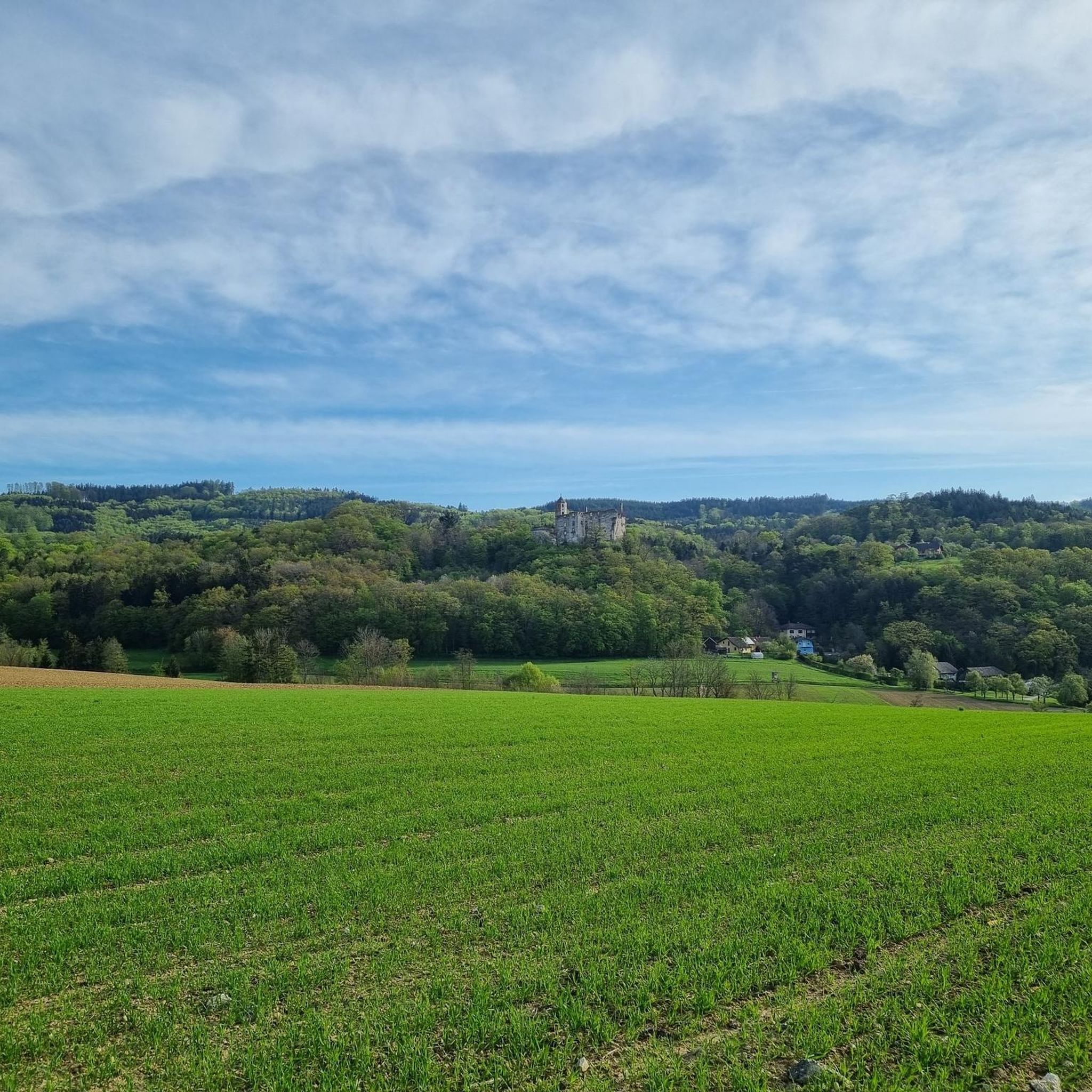
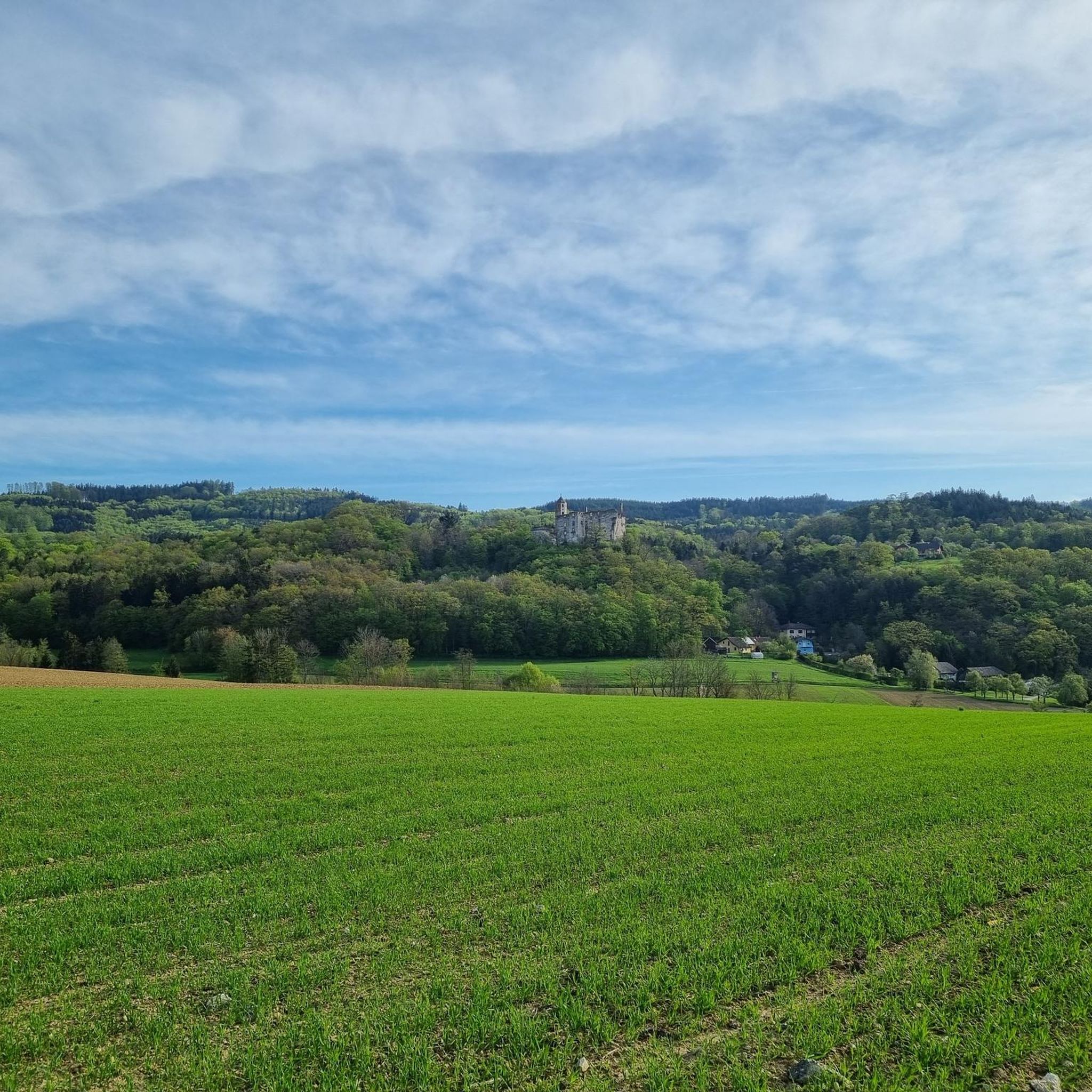
Hohenegg Castle has been owned by the Count Montecuccoli family since 1628 and served as their ancestral seat and residence until 1742. Today, the castle is managed by the Hohenegg Castle Association and is available as an event venue for up to 150 people. Equipped with restrooms and a basic kitchen, the enclosed tavern, a theater hall with a stage, and, most notably, the first courtyard with its unique ambiance can be used for festivals and celebrations, concerts and cultural events, as well as youth and tent camps. A maintenance fee is charged by the association for the use of the castle.
0
0

Aggstein Castle is one of the landmarks of the Wachau region. It sits 300 meters above the Danube and offers breathtaking views. The interior of this spur castle, built on a towering rock, is also absolutely worth seeing. There is a tavern in the castle courtyard.
10
0

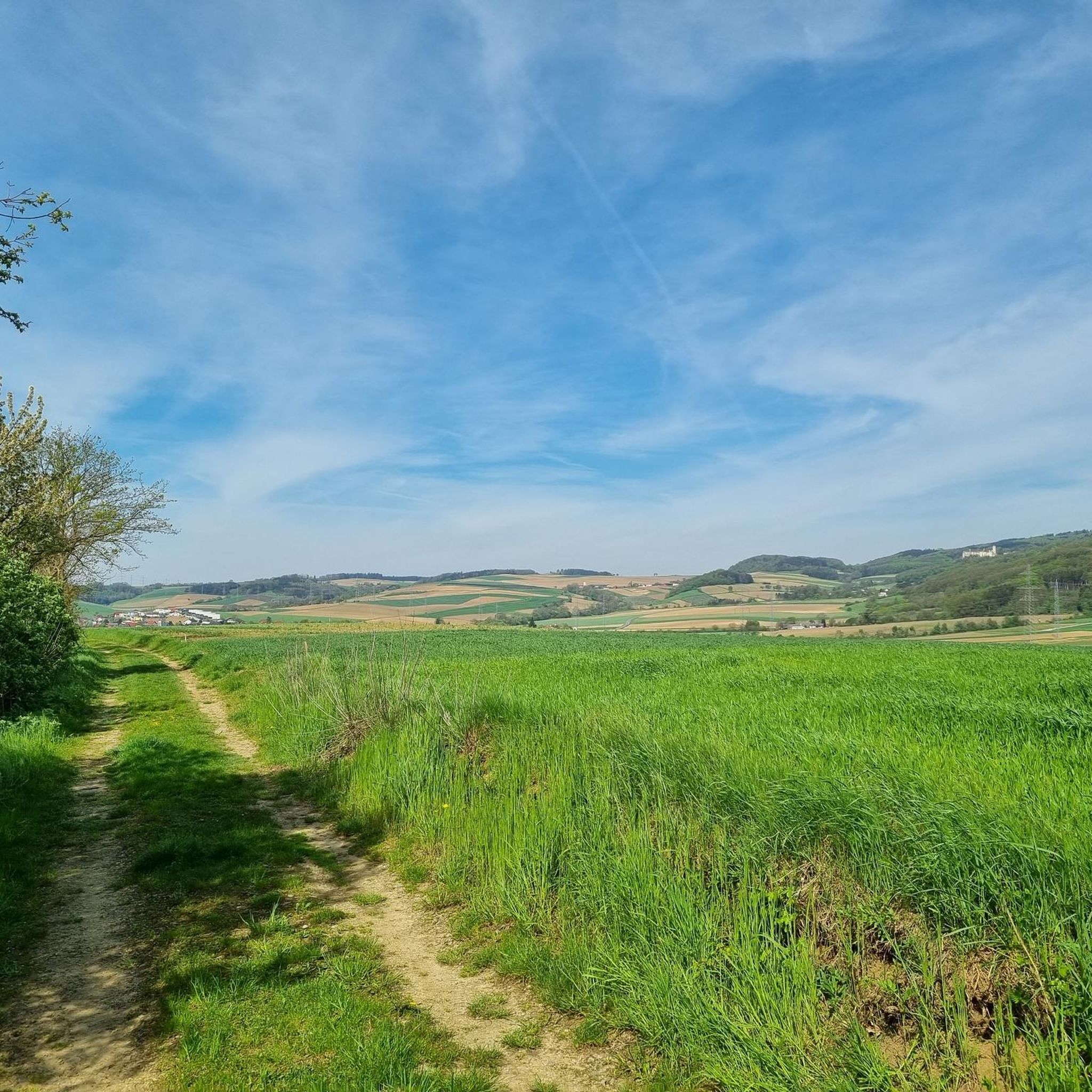
Viehofen Castle is located in the St. Pölten district of the same name and was first documented in 1130. However, its history likely dates back even further. In 1179, Pope Alexander III confirmed the ownership rights of the Diocese of Passau, and a castle chapel is documented from 1248. Over the centuries, the castle changed hands several times: It was owned by, among others, the Viehofen, Wallseer, Kirchberg, and the noble Herberstein and Kuefstein families, who took over the property permanently from 1745 onwards. Viehofen Castle served as a residence until 1945. After the Second World War, it was severely damaged by Soviet troops, fell into increasing disrepair in the following decades, and was even on the verge of demolition in the 1960s. In 2003, Josef Figl acquired the severely damaged building and began a comprehensive restoration. Historical elements such as 18th-century windows, original wooden floorboards, and old doors were carefully restored. Today, Viehofen Castle serves as a stylish venue for weddings, concerts, corporate events, and private celebrations. The vaulted hall on the ground floor, a marble-floored hall on the first floor, and the renovated Gothic chapel dedicated to St. James are available for a variety of events. Since 2021, civil weddings have also been possible in the castle. Architecturally, the ensemble is impressive due to its location on a prominent escarpment with views of the Lower Austrian Alpine foothills and its largely preserved historic structure.
2
0

Schönbühel Castle is located below Melk on the right bank of the Danube in the Lower Austrian municipality of Schönbühel-Aggsbach.
5
0
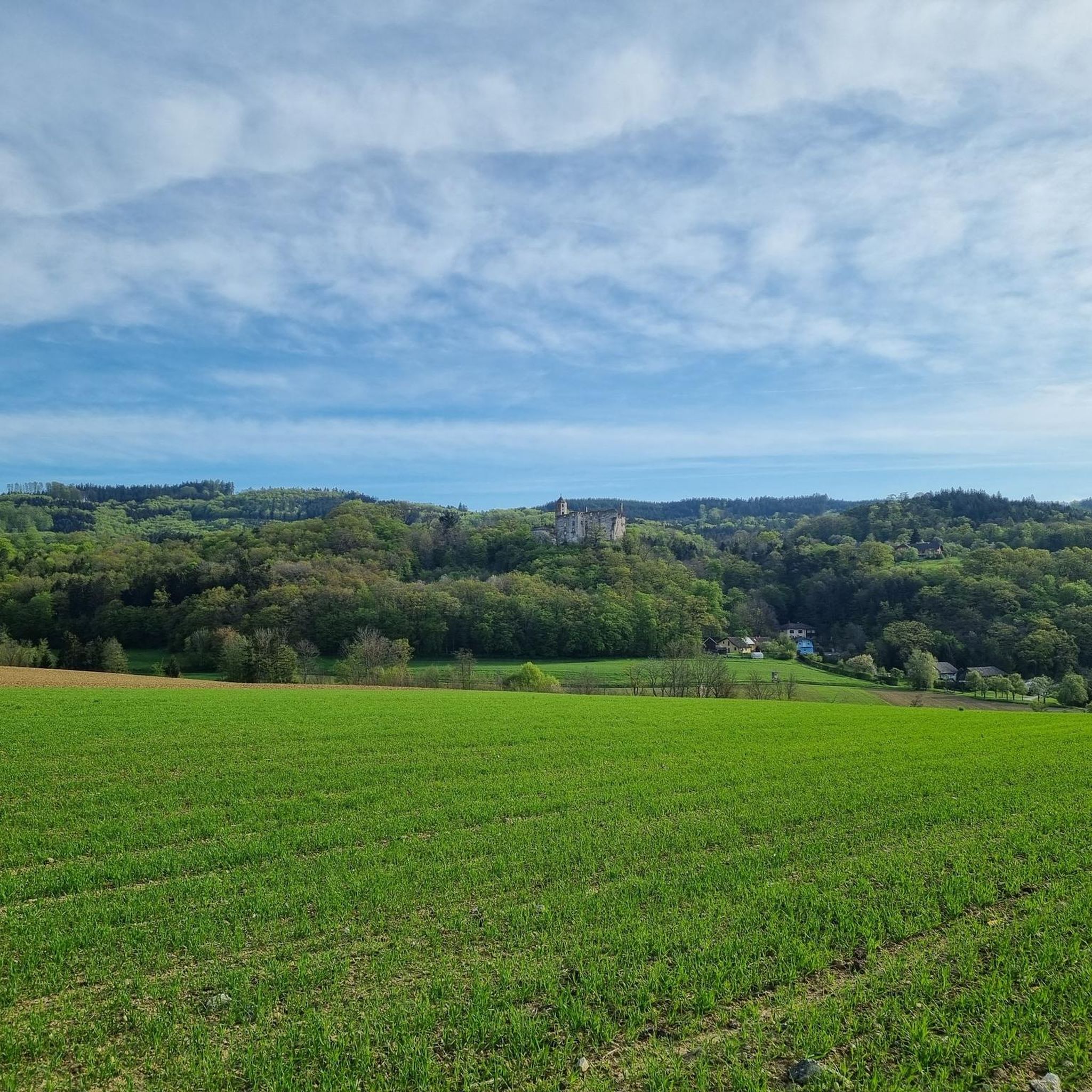
Hohenegg Castle is a medieval ruin in the Dunkelsteinerwald forest in the municipality of Hafnerbach. Its history goes back to the 12th century, and it was an important noble residence for centuries. Today the castle is used for cultural events and is maintained by an association. The complex includes a tavern room, a theater hall with a stage and a picturesque courtyard that is ideal for celebrations. A contribution to the maintenance of the castle is charged for use. Since the castle is privately owned, you should find out about accessibility and events in advance.
1
0

The beautifully restored castle can now be rented as an event location. You can also get married there and stay overnight. Guided tours are also offered from time to time. You can find all the information at https://www.schloss-viehofen.at.
2
0

Viehofen Castle was first mentioned in the Göttweig traditions in 1130, but the castle is considered to be older. In 1179, Pope Alexander III confirmed the ownership rights of the Diocese of Passau to the castle in a document, but the castle chapel was not mentioned for the first time until 1248. In this document, the castle and chapel are shown as belonging to the monastery of St. Pölten. In the 12th and 13th centuries, the ministerial family of the "Viehofner" is documented, and in the early 14th century Reinprecht von Wallsee became a feudal lord of the Viehofen estate. The castle remained in the possession of the Wallseers until the end of the 15th century. After various short-term owners, the lordship passed to Bernhard von Kirchberg in 1508. He received the castle from the sovereign, who had purchased it from the bishops of Passau in 1491. The property remained with the Kirchberg family until around 1640, after which several castle lords followed: In 1665 the castle passed from the Lords of Wuschletitsch to the Counts of Herberstein, who passed it on to the von Wellenstein family in 1712. In 1745 the Counts of Kuefstein took over the castle and remained in possession of it until 2003. Until the church in Viehofen was opened in 1898, the castle chapel was the parish church of the then independent community. The castle was habitable and furnished until 1945. The Russian occupying troops, who used the castle as an ammunition depot[1], and after their withdrawal the population devastated the complex. In the decades that followed, the castle fell into disrepair and became a ruin, and in 1966 part of the castle was demolished. In the years that followed, the roof and roof structure collapsed. It was not until 2003 that Josef Figl bought the complex from a bankrupt estate and has been renovating it ever since.[1]
2
0

Frequently Asked Questions
What are some historically significant castles to visit around Hafnerbach?
The region around Hafnerbach is rich in history. Hohenegg Castle Ruins, first mentioned in 1140, showcases different building phases from medieval times to a Renaissance transformation. It also holds modern historical intrigue as a secret meeting place during WWII. Another notable site is Schloss Viehofen, first mentioned in 1130, which has been beautifully restored and offers guided tours.
Are there any castles around Hafnerbach that offer scenic views?
Yes, View of Schönbühel Castle is picturesquely situated on a 40-meter-high cliff on the Danube, offering stunning views, especially from the opposite bank accessible via the Danube Cycle Path. Hohenegg Castle Ruins, perched on a hilltop in Dunkelsteinerwald, also provides scenic vistas of the surrounding landscape.
What kind of cultural activities can I find at the castles in Hafnerbach?
Since 1977, Burgruine Hohenegg has been a venue for regular theater performances, known as Burgtheater Hohenegg. These summer productions offer a unique cultural experience within the historical ruins. Schloss Viehofen, a beautifully restored castle, can also be rented as an event location and occasionally offers guided tours.
Are there family-friendly castles or activities near Hafnerbach?
Several castles in the area are considered family-friendly. View of Schönbühel Castle and Schloss Viehofen are both categorized as family-friendly. While Hohenegg Castle Ruins requires sturdy footwear for exploration, the Verein Burg Hohenegg organization sometimes hosts events, which might be suitable for families. Additionally, Sitzenthal Castle, though privately owned, is known to host events by local children's friends groups.
What outdoor activities can I do near the castles around Hafnerbach?
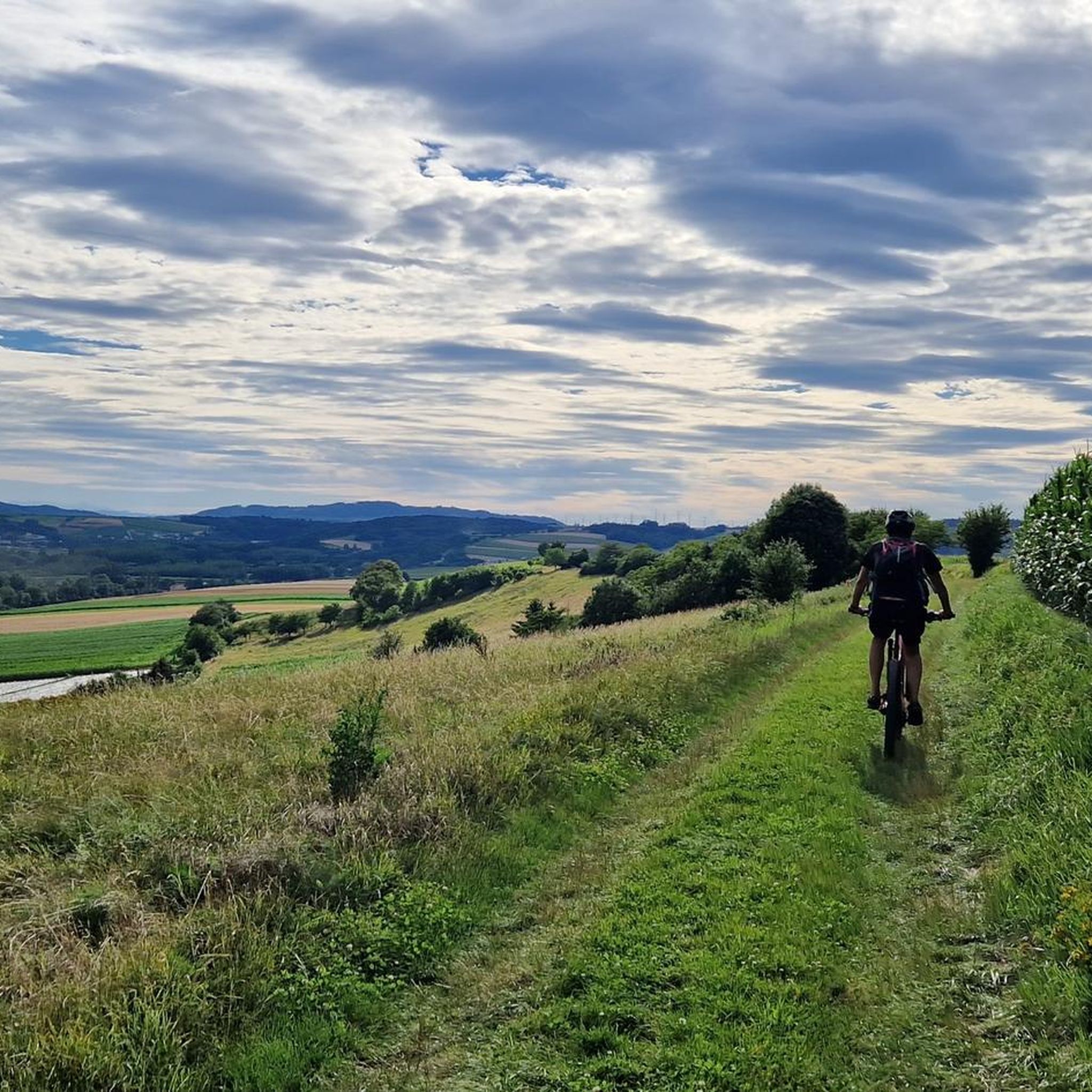
The region offers various cycling opportunities. You can find numerous routes for cycling, gravel biking, and road cycling. For example, you can explore the Danube Cycle Path near View of Schönbühel Castle or the Pielach River Cycle Path. For more details on routes and their difficulty, refer to the Cycling around Hafnerbach, Gravel biking around Hafnerbach, and Road Cycling Routes around Hafnerbach guides.
Are there any castles that are privately owned and not publicly accessible?
Yes, Sitzenthal Castle is privately owned and generally not accessible to the public for interior tours. Similarly, Schönbühel Castle is a private residence, so interior tours are not possible, but it can be admired from the outside.
What should I wear when visiting the castle ruins in Hafnerbach?
For exploring castle ruins like Hohenegg Castle Ruins, sturdy footwear is highly recommended. The terrain can be uneven, and comfortable shoes will make your exploration of the stone walls and courtyards much more enjoyable.
What is the best time to visit the castles around Hafnerbach?
While specific seasonal information isn't provided for all castles, the summer months are particularly appealing for cultural events. For instance, Burgruine Hohenegg hosts summer theater performances. Generally, spring and autumn offer pleasant weather for exploring the outdoor sites and enjoying the scenic views without extreme temperatures.
Can I find accommodation or dining options near the castles?
While specific accommodation and dining options directly adjacent to every castle are not detailed, the broader Hafnerbach region and nearby towns offer various facilities. For example, parts of Luberegg Castle have been used as a hotel and inn, and Schloss Viehofen can be rented for events and offers overnight stays. Exploring the local towns will provide more options.
How long does it typically take to visit a castle in the Hafnerbach area?
The duration of a visit varies by castle. For extensive ruins like Hohenegg Castle Ruins, you might spend 1-2 hours exploring the grounds and enjoying the views. For castles like Schloss Viehofen that offer guided tours, the tour duration would be a factor. Viewing castles like Schönbühel Castle from the outside, especially from the Danube Cycle Path, can be part of a longer cycling trip.
Are there any hidden gems or lesser-known castles worth discovering?
While the guide highlights popular choices, the region has many historical sites. Luberegg Castle, for instance, initially served as a woodpile and post office before becoming a temporary summer residence for Emperor Franz II, and now houses a museum. Sitzenthal Castle, despite being privately owned, has a rich history tied to noble families and beatified figures, making its exterior and surrounding English park intriguing.
What do visitors enjoy most about the castles around Hafnerbach?
Visitors appreciate the deep connection to history, with structures dating back to the 12th century reflecting various architectural styles. The strategic hilltop locations of many castles, such as Hohenegg Castle Ruins and View of Schönbühel Castle, offer stunning scenic views of the Dunkelsteinerwald and Danube. The komoot community has shown strong engagement, sharing over 20 photos and giving more than 160 upvotes to these historical sites.
Most popular routes around Hafnerbach
Most popular attractions around Hafnerbach

Get inspired with the komoot mobile app


Explore more
Looking for the best castles somewhere else? Discover other guides around Hafnerbach:
